Labor Day Offer Ends Soon | Flat 25% OFF | Code: LABOR
Blockchain Council
Toshendra Kumar Sharma

Toshendra Kumar Sharma

1143 articles published

PM-Narendra-Modi--Blockchain-and-AI-to-increase-employment
Blockchain

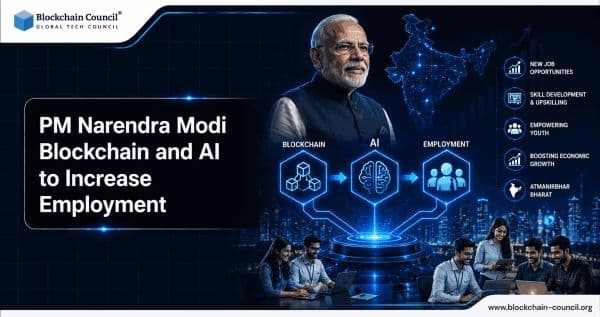
PM Narendra Modi: Blockchain and AI to Increase Employment

In 2018, Prime Minister Narendra Modi said technologies such as artificial intelligence, machine learning, blockchain, IoT, and big data could change the nature of employment while creating new opportunities rather than simply eliminating jobs. His broader argument was that Industry 4.0 could support India’s development and improve quality of life. In 2026, Modi continues to describe AI as a force multiplier capable of creating new technology jobs, while emphasizing skilling and reskilling.

Apple-Co-founder-Steve-Wozniak-to-start-a-Blockchain-Startup
Blockchain

Apple Co-founder Steve Wozniak to start a Blockchain Startup

In 2018, Apple co-founder Steve Wozniak entered the blockchain sector by becoming a co-founder of EQUI Global, a technology-focused venture capital fund using a blockchain-based backend and Ethereum-powered EquiToken infrastructure. Wozniak was tasked with leading technology investments and helping identify and mentor promising technology companies. His involvement reflected growing interest among established technology entrepreneurs in blockchain-based investment models at the time.

Indian Government to Start Evaluating States Cryptocurrency
Blockchain

Indian Government to Start Evaluating States Cryptocurrency

In 2018, reports suggested that the Indian government was examining cryptocurrency policy, including the possibility of a state-backed digital currency. At the same time, Indian states were experimenting with blockchain applications in areas such as birth certificates, e-governance, land records, and road transport.

Can Blockchain Replace Your Password and Make it More Secure
Blockchain

Can Blockchain Replace Your Password and Make it More Secure

Blockchain can support passwordless authentication by using cryptographic keys, decentralized identifiers, and verifiable credentials instead of centrally stored passwords. This approach may reduce some credential-theft and privacy risks, although secure key management remains critical.

How Blockchain Will Put Pressure on Broker’s Commission in the Upcoming Years?
Blockchain

How Blockchain Will Put Pressure on Broker’s Commission in the Upcoming Years?

Blockchain could put pressure on traditional broker commissions by enabling direct, programmable transactions, faster settlement, and automated record-keeping. However, brokers are unlikely to disappear entirely. Current research suggests blockchain may reshape intermediaries toward compliance, custody, risk management, and advisory functions rather than eliminate them.

What can Blockchain do for Helpless Farmers?
Blockchain

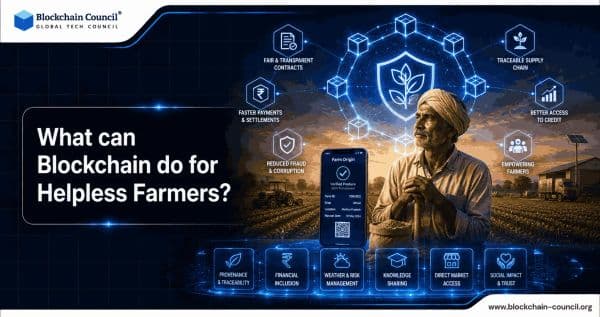
What can Blockchain do for Helpless Farmers?

Blockchain can help farmers by improving supply-chain transparency, enabling faster payments, strengthening food traceability, and reducing dependence on unnecessary intermediaries. It can also support access to finance, crop insurance, digital identities, and direct connections with buyers, although infrastructure and digital-literacy barriers remain.

Zebpay-to-Halt-its-trading-services-in-India
Blockchain

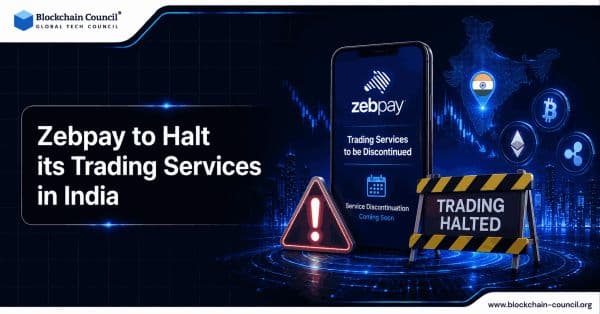
Zebpay to Halt its trading services in India

In September 2018, Zebpay halted cryptocurrency trading services in India after RBI banking restrictions made it difficult for crypto exchanges and customers to transact. Unexecuted orders were cancelled and assets returned to users’ Zebpay wallets, while the wallet service continued operating.

How Darknet is Using Blockchain to Regain its Immunity
Blockchain

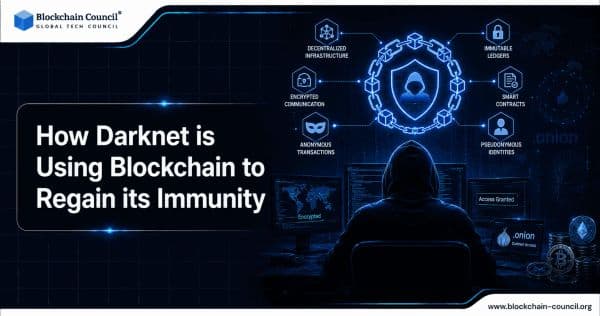
How Darknet is Using Blockchain to Regain its Immunity

Darknet ecosystems have used blockchain-based cryptocurrencies and decentralized transaction models to become more resilient to marketplace shutdowns and enforcement actions. Research shows that users can migrate between markets and form direct peer-to-peer trading relationships that may persist even after individual marketplaces close. Blockchain transactions, however, can also create records that researchers and investigators analyze.

What-is-a-Blockchain-API--How-can-you-integrate-in-your-website
Blockchain

What is a Blockchain API? How can you integrate in your website?

A blockchain API lets websites and applications interact with blockchain networks without building every connection from scratch. Developers can use APIs to read transactions, query wallet balances, submit transactions, access smart contracts, and retrieve on-chain data through services such as JSON-RPC or REST endpoints.

How-AI-and-Blockchain-help-you-earn-a-passive-income
Blockchain

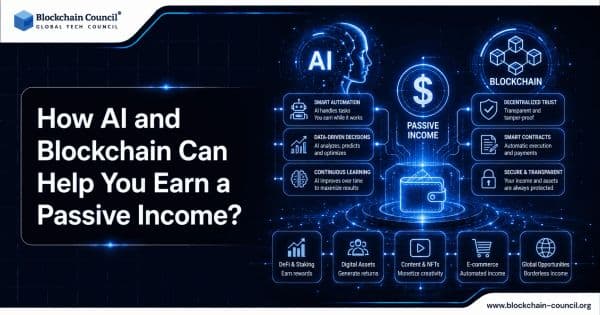
How AI and Blockchain Can Help You Earn a Passive Income?

AI and blockchain can support passive-income strategies through automated staking, DeFi lending, liquidity management, and AI-assisted portfolio monitoring. AI can analyze markets and automate decisions, while blockchain enables transparent smart-contract execution. These approaches still carry market, smart contract, liquidity, and automation risks, so returns are never guaranteed.

How-can-China-become-a-leading-country-with-Blockchain-Technology
Blockchain

How Can China Become a Leading Country with Blockchain Technology

China can strengthen its position in blockchain technology by investing in core research, national infrastructure, technical standards, skilled talent, and large-scale commercial applications. Current initiatives emphasize blockchain networks, distributed digital identity, privacy computing, supply-chain management, public services, and integration with AI and other digital technologies.

Are-Private-Blockchains-better-than-Public-Blockchain
Blockchain

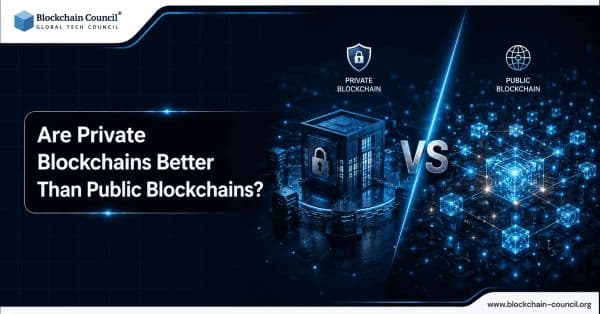
Are Private Blockchains Better Than Public Blockchains?

Private blockchains are not inherently better than public blockchains. They simply solve different problems. Private networks restrict participation and can offer greater control, privacy, and predictable governance, making them useful for enterprise applications. Public blockchains prioritize open participation, transparency, decentralization, and broader network accessibility. The better choice depends on requirements such as privacy, trust, performance, governance, compliance, and interoperability.