Labor Day Offer Ends Soon | Flat 25% OFF | Code: LABOR
Blockchain Council
Toshendra Kumar Sharma

Toshendra Kumar Sharma

1143 articles published

Israel-Securities-Authority-to-use-Blockchain-messaging-system
Blockchain

Israel Securities Authority to use the Blockchain Messaging System

In 2018, the Israel Securities Authority (ISA) integrated blockchain technology into its Yael messaging system to strengthen cybersecurity and improve the reliability of communications with regulated organizations. The blockchain layer was designed to verify message authenticity, prevent unauthorized alteration or deletion, reduce fraud, and provide evidence that messages were received. The ISA also planned blockchain integration for its investor voting and Magna regulatory reporting systems.


How-did-Malta-became-the-Blockchain-Island
Blockchain

How did Malta Became the Blockchain Island?

Malta earned the nickname “Blockchain Island” through an early, government-backed strategy to create legal certainty for blockchain and distributed ledger technology. In 2018, it introduced three major laws covering the Malta Digital Innovation Authority, innovative technology arrangements and services, and virtual financial assets. This regulatory framework sought to attract blockchain businesses while combining technological innovation with investor protection, market integrity, and regulatory oversight.

Are-Blockchains-are-better-than-Patents
Blockchain

Are Blockchains Better than Patents?

Blockchains and patents serve fundamentally different purposes, so one is not inherently better than the other. Patents can provide legal protection for qualifying inventions, while blockchain systems can create timestamped, tamper-resistant records that may help document provenance, ownership claims, licensing activity, and development history. Blockchain records generally do not replace the legal rights obtained through patent registration, because technology has not yet persuaded intellectual-property law to retire.

How-Blockchain-Technology-can-help-the-Venture-Capitalists
Blockchain

How Blockchain Technology can help the Venture Capitalists

Blockchain technology can help venture capitalists improve transparency, streamline investment processes, automate certain agreements through smart contracts, and maintain tamper-resistant transaction records. Tokenization can also enable new approaches to representing and managing investment interests, while blockchain-based systems may simplify due diligence, cap-table administration, and reporting. Regulatory, security, governance, and liquidity risks still require careful consideration, because venture capital apparently did not have enough variables already.

Blockchain-Technology-Encouraging-Freelancers-to-Work-Remotely
Blockchain

Blockchain Technology Encouraging Freelancers to Work Remotely

Blockchain technology can support remote freelancers by enabling borderless digital payments, smart-contract-based agreements, transparent transaction records, and decentralized work platforms. These systems may reduce reliance on traditional intermediaries and make international collaboration easier. Blockchain-based identity and reputation mechanisms can also help workers demonstrate credentials and employment history, although fees, regulation, volatility, and usability remain practical concerns.

What-is-Quorum-Blockchain
Blockchain

What is Quorum Blockchain?

Quorum is an enterprise-focused blockchain technology originally developed by JPMorgan as a permissioned implementation based on Ethereum. It was designed to support business use cases requiring privacy, controlled network participation, and enterprise-grade performance while retaining compatibility with Ethereum technologies such as smart contracts. The Quorum technology later became part of Consensys, with its capabilities continuing through enterprise Ethereum projects such as Hyperledger Besu.

Africa-to-use-Blockchain-for-Distribution-Affordable-Housing
Blockchain

Africa to use Blockchain for Distribution of Affordable Housing

Blockchain has been explored in parts of Africa as a way to improve affordable housing systems through transparent property records, digital identity, financing, and more traceable allocation processes. Distributed ledgers could help reduce paperwork, improve trust between participants, and make housing transactions easier to verify. Still, blockchain alone cannot solve affordability, land-title disputes, infrastructure shortages, or housing policy problems. Apparently even immutable ledgers cannot manufacture apartments.

When-and-Why-to-use-Blockchain-Technology
Blockchain

When and Why to Use Blockchain Technology?

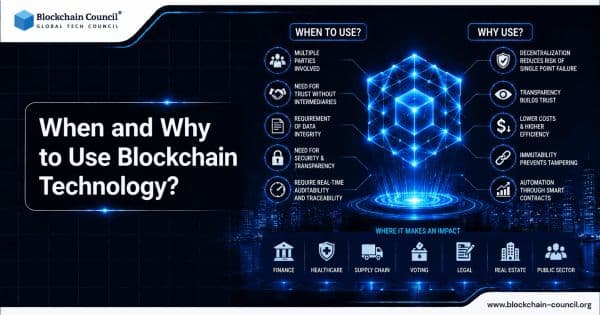
Blockchain technology is most useful when multiple parties need to share and verify records without relying entirely on one central authority. It can be valuable when transparency, tamper-resistant records, traceability, programmable transactions, or decentralized coordination are important. However, conventional databases are often better when one trusted organization controls the data and blockchain adds complexity without a meaningful benefit.

Why-Ripple-is-the-favourite-cryptocurrency-for-Banks
Blockchain

Why Ripple is the Favourite Cryptocurrency for Banks?

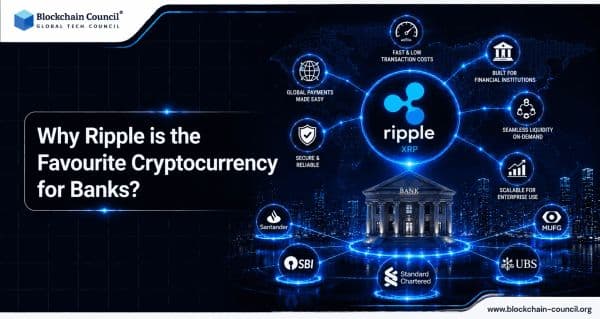
Ripple became closely associated with banks because its payment technology was designed around cross-border transfers, settlement, and institutional financial infrastructure. Ripple’s network and XRP-related solutions have aimed to provide faster international payments, greater transparency, and improved liquidity compared with cumbersome correspondent-banking processes. However, banks can use Ripple payment technology without necessarily adopting XRP, a distinction crypto headlines have historically treated as an optional accessory.

Will-Cryptocurrency-Price-Hike-in-2026
Blockchain

Will Cryptocurrency Price Hike in 2026?

Cryptocurrency prices could rise further in 2026, but a sustained market-wide hike is far from guaranteed. Bitcoin rallied sharply in August, yet analysts still warn of significant volatility and resistance ahead. Longer-term bullish factors include institutional adoption, regulated investment products, tokenization, and improving regulatory clarity, while interest rates, liquidity, regulation, and investor sentiment remain major risks. Crypto, naturally, refuses to make forecasting convenient.

Top-5-Blockchain-Incubator-Program-and-How-to-benefit-from-it
Blockchain

Top 5 Blockchain Incubator Programs and How to Benefit From it?

Top blockchain incubator and accelerator programs can give Web3 startups access to funding, mentorship, technical expertise, investor networks, and go-to-market support. Programs such as Outlier Ventures Base Camp and a16z Crypto Startup Accelerator focus specifically on helping Web3 founders develop products, refine business models, navigate tokenization, and prepare for fundraising. The greatest benefit comes from choosing a program aligned with your startup’s stage, blockchain ecosystem, funding needs, and long-term strategy.

How-Blockchain-can-help-you-increase-your-brand-value
Blockchain

How Blockchain can help you increase your brand value?

Blockchain can help businesses strengthen brand value by improving transparency, product traceability, authenticity verification, and customer trust. Brands can use blockchain to verify supply-chain claims, demonstrate product provenance, support loyalty programs, protect digital assets, and create token-based customer experiences. The technology delivers the most value when it solves a genuine trust or verification problem rather than being attached to a product because someone discovered the word “decentralized.”