

How Can Blockchain Improve The Sports Industry?
 Toshendra Kumar Sharma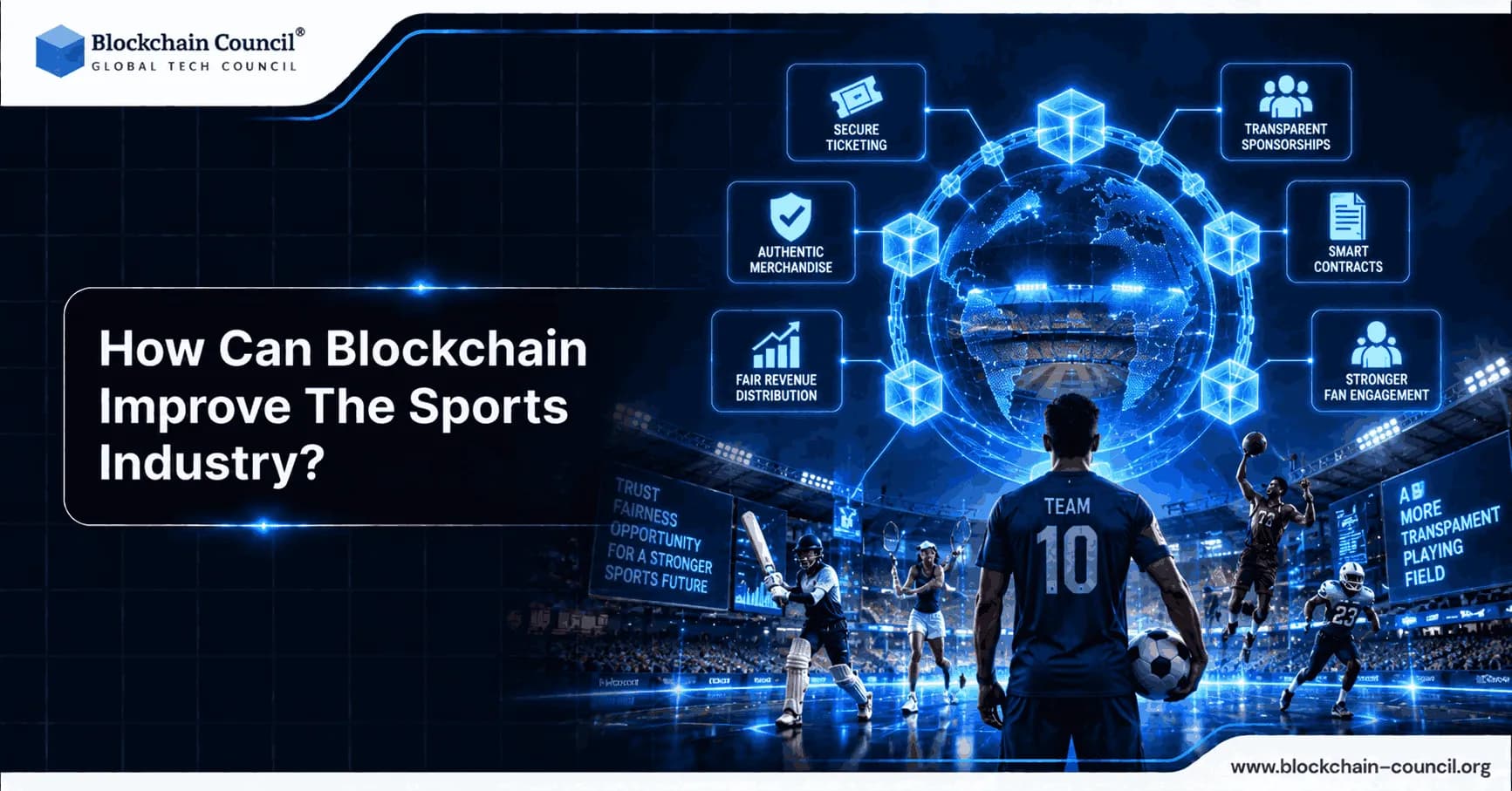
Sports organizations have spent years searching for better ways to engage fans, protect athletes' data, and create new revenue streams beyond ticket sales and broadcast deals, and blockchain technology is increasingly stepping in to solve several of these problems at once. From verifying ticket authenticity to giving fans genuine ownership over digital collectibles, blockchain offers sports teams, leagues, and athletes practical tools that traditional systems have struggled to deliver. Understanding exactly where this technology adds real value in sports, rather than simply following industry hype, is the kind of evaluation a Certified Blockchain Expert is trained to make, assessing which blockchain applications genuinely solve problems the sports industry has struggled with for years. This article explores the specific ways blockchain is reshaping sports, from fan engagement to athlete data management.
Why the Sports Industry Is a Strong Fit for Blockchain
Professional sports generate enormous value through fan engagement, merchandise, media rights, and ticketing, yet many of the systems supporting these revenue streams remain surprisingly outdated. Ticket fraud, counterfeit merchandise, opaque athlete data handling, and fragmented fan loyalty programs all point to structural problems that blockchain's core strengths, transparency, verifiability, and decentralized trust, are well positioned to address.

Several characteristics make sports a particularly strong candidate for blockchain adoption:
A massive, engaged global fan base eager for new ways to interact with teams and athletes.
High value collectibles and merchandise markets, historically plagued by counterfeiting.
Complex, high value ticketing systems, vulnerable to fraud and unauthorized resale.
Sensitive athlete performance and health data, requiring secure, verifiable handling.
These are exactly the kinds of trust and verification problems blockchain technology was built to solve.
Key Ways Blockchain Is Improving the Sports Industry
Blockchain's impact on sports spans several distinct areas, each addressing a different long standing challenge within the industry.
Combating Ticket Fraud and Scalping
Ticket fraud has cost fans and event organizers significant money for years, with counterfeit tickets and unauthorized resale markets undermining trust in the entire ticketing process. Blockchain based ticketing systems create a verifiable, tamper resistant record of ownership for every ticket issued, making it far more difficult to counterfeit or duplicate. Smart contracts can also enforce resale rules directly, allowing teams to cap resale prices or ensure a percentage of secondary sales flows back to the original organization, something traditional ticketing platforms have struggled to reliably enforce.
Creating New Fan Engagement Through NFTs and Digital Collectibles
Non fungible tokens have opened an entirely new category of fan engagement, allowing teams and leagues to issue verifiable digital collectibles, from historic game highlights to limited edition digital trading cards. Unlike traditional digital content, NFTs give fans genuine, verifiable ownership of a specific digital asset, something that has proven surprisingly appealing to collectors who previously had no way to truly own digital sports memorabilia. Understanding how to design and launch these collectible programs effectively is exactly what a Certified NFT Expert credential covers, giving professionals the practical knowledge needed to build NFT initiatives that genuinely engage fans rather than feeling like a superficial cash grab.
Verifying Merchandise Authenticity
Counterfeit sports merchandise remains a persistent problem across global markets, costing teams and leagues significant licensing revenue every year. Blockchain based authentication allows manufacturers to attach a verifiable digital record to physical merchandise, letting fans confirm authenticity through a simple scan rather than relying on trust alone. This kind of supply chain transparency also helps teams track counterfeit distribution networks more effectively than traditional enforcement methods allow.
Securing and Managing Athlete Data
Athletes generate enormous amounts of sensitive data through performance tracking, biometric monitoring, and medical records, all of which need careful, secure handling. Blockchain based systems can give athletes greater control over who accesses their data and how it gets used, creating an auditable record of every access request rather than leaving that information scattered across multiple team, league, and third party systems with inconsistent privacy protections.
Enabling Fractional Ownership and New Revenue Models
Blockchain has also opened the door to fractional ownership models within sports, allowing fans to purchase tokenized shares of specific assets, whether that involves a piece of a team, a share in future athlete earnings, or participation in a fund tied to a stadium development project. These models remain relatively early stage, but they represent a genuinely new way for sports organizations to raise capital while giving fans a deeper, more direct financial connection to the teams and athletes they support.
Future-Ready Skills
As technology becomes increasingly important across industries, students need opportunities to develop future-ready skills early in their education. A World Tech Olympiad can introduce students to areas such as artificial intelligence, coding, cybersecurity, robotics, and computational thinking while encouraging curiosity and continuous learning. This kind of early, structured exposure to technology matters for the next generation of sports technologists and administrators, who will increasingly need to understand blockchain, data systems, and digital fan engagement tools as these technologies become standard across professional sports organizations.
Real World Examples Across Professional Sports
Several major sports organizations have already moved beyond experimentation into genuine blockchain based initiatives. Digital collectible platforms partnered with major basketball and soccer leagues have sold millions of dollars in officially licensed NFT moments and collectibles. Ticketing platforms built on blockchain infrastructure have been piloted by teams looking to reduce fraud and gain better visibility into secondary market activity. Fan token platforms have allowed supporters to purchase blockchain based tokens that grant voting rights on minor club decisions, creating an entirely new category of fan participation that did not exist before this technology became accessible at scale.
These examples demonstrate that blockchain's role in sports has moved well past theoretical potential into practical, revenue generating implementation across multiple major leagues and organizations.
Challenges the Sports Industry Still Faces With Blockchain Adoption
Despite genuine progress, blockchain adoption in sports is not without real obstacles that organizations need to navigate carefully.
Market volatility, particularly around NFT and token based products, which can undermine fan trust if values fluctuate sharply.
Regulatory uncertainty, especially concerning fan tokens and fractional ownership models that may resemble securities in some jurisdictions.
Fan education gaps, since many casual fans remain unfamiliar with how blockchain based products actually work.
Integration complexity, as legacy ticketing and fan engagement systems are not always easy to connect with newer blockchain platforms.
Organizations that succeed in this space tend to approach blockchain adoption incrementally, starting with clearly defined use cases like ticketing or collectibles before expanding into more ambitious applications.
Building the Right Expertise for Sports Technology Roles
As blockchain becomes more embedded in how sports organizations operate, professionals with genuine technical understanding are increasingly valuable to teams, leagues, and sports technology companies building these systems. Rather than relying entirely on external vendors, many organizations now want internal expertise capable of evaluating blockchain solutions critically.
A broad Tech Certification can help professionals entering this space build well rounded technical literacy across blockchain and related digital technologies, giving them the foundation needed to work effectively within sports technology teams that increasingly blend traditional sports administration with genuine technical expertise.
Communicating Blockchain Initiatives to Fans and Stakeholders
Even the most technically sound blockchain initiative will struggle to succeed if fans and stakeholders do not understand its value. Teams and leagues need to explain complex concepts like NFTs, fan tokens, and fractional ownership in terms that resonate with everyday supporters, many of whom have no prior blockchain experience.
This is where a Marketing Certification becomes genuinely valuable, helping professionals working on sports blockchain initiatives communicate these products clearly and persuasively, building the fan trust and engagement needed for these programs to succeed rather than being dismissed as confusing or unnecessary technology.
Blockchain technology offers the sports industry genuine, practical improvements across ticketing, fan engagement, merchandise authentication, athlete data management, and new revenue models, even as challenges around regulation and fan education continue to be worked out. Organizations that approach these tools thoughtfully, starting with clear use cases and communicating value honestly to fans, are well positioned to benefit as blockchain continues moving from novelty to standard infrastructure across professional sports.
FAQs
1. How can blockchain improve the sports industry?
Blockchain can improve sports by creating transparent and verifiable systems for ticketing, payments, digital collectibles, athlete credentials, sponsorships, and fan engagement. It can reduce reliance on centralized databases and create trusted records shared among teams, athletes, organizers, and fans.
2. How can blockchain improve sports ticketing?
Blockchain can create digitally verifiable tickets that are easier to authenticate and track throughout their lifecycle. It can also help organizers monitor ticket transfers and reduce certain types of counterfeit-ticket activity. Blockchain-based ticketing has already been explored for sports events.
3. Can blockchain reduce fake sports tickets?
Blockchain can help reduce ticket fraud by giving each digital ticket a verifiable identity and transaction history. However, it cannot eliminate every type of fraud because the overall ticketing system, user accounts, marketplaces, and access controls also need to be secure.
4. How does blockchain improve fan engagement?
Blockchain can give fans new ways to interact with teams through digital collectibles, memberships, fan tokens, rewards, voting mechanisms, and exclusive experiences. These applications can turn fans from passive spectators into participants in a team's digital ecosystem.
5. What are blockchain-based sports fan tokens?
Fan tokens are blockchain-based digital assets that can provide holders with access to certain fan experiences or participation opportunities. Depending on the platform and governing organization, benefits may include polls, rewards, exclusive content, or event-related experiences.
6. Can blockchain help athletes control their digital identity?
Yes. Blockchain-based identity systems can support verifiable records for athlete credentials, achievements, qualifications, contracts, or other professional information. This can make it easier for authorized organizations to verify information without relying entirely on manually exchanged documents.
7. How can blockchain improve athlete payment systems?
Blockchain-based payment infrastructure can potentially make certain transactions faster and more transparent, particularly when multiple parties are involved. Smart contracts could also automate payments when predefined conditions, such as contract milestones, are satisfied.
8. Can blockchain improve sports sponsorship transparency?
Blockchain can create verifiable records of sponsorship agreements, payments, milestones, and campaign-related transactions. This could make it easier for teams, sponsors, agencies, and other stakeholders to track whether contractual obligations have been fulfilled.
9. How can smart contracts be used in sports?
Smart contracts can automatically execute predefined actions when agreed conditions are met. Potential applications include athlete bonuses, sponsorship payments, ticket transfers, merchandise transactions, royalty distribution, and prize-related payments.
10. Can blockchain help protect sports collectibles?
Yes. Blockchain can establish verifiable ownership records for digital sports collectibles. Fans can use blockchain-based records to demonstrate ownership and transfer digital assets, although the value and authenticity of the underlying collectible still depend on the issuing organization and platform.
11. How can blockchain improve sports merchandise?
Blockchain can provide digital records connected to merchandise, helping organizations establish provenance and authenticity. For limited-edition products, a blockchain record could also help buyers verify ownership or transaction history.
12. Can blockchain improve transparency in sports?
Blockchain can improve transparency by creating auditable records of transactions, ticket transfers, ownership changes, and other activities. Its value is greatest when multiple parties need access to a shared record and need confidence that historical information has not been altered.
13. How can blockchain help prevent fraud in sports?
Blockchain can make certain records more difficult to manipulate by using cryptographic verification and shared ledgers. It could support applications involving ticketing, athlete credentials, payments, sponsorships, collectibles, and merchandise, although blockchain cannot prevent fraud that occurs outside the recorded system.
14. Can blockchain improve sports data management?
Blockchain can provide provenance and integrity records for selected sports data, helping organizations verify where information originated and whether a recorded reference has been changed. However, conventional databases and cloud platforms are generally more suitable for storing and processing the enormous volumes of real-time sports data generated during competitions. Modern sports platforms already process massive quantities of live data for analytics and fan experiences.
15. How can blockchain benefit sports organizations?
Sports organizations could use blockchain to streamline ticket management, authenticate digital assets, automate selected payments, manage fan memberships, improve transaction transparency, and create new digital engagement models. The technology may also help organizations build trusted relationships with fans and commercial partners.
16. Can blockchain help sports fans participate in team decisions?
Blockchain-based platforms can support token-based voting for certain fan engagement activities. However, such voting typically applies to specific decisions defined by the organization and does not necessarily give fans formal governance over the team.
17. Can blockchain help athletes monetize their careers?
Blockchain can create additional monetization models through digital collectibles, tokenized experiences, memberships, licensing, and other digital assets. These opportunities can give athletes new ways to engage directly with supporters, although business models and regulatory requirements vary.
18. What are the challenges of using blockchain in sports?
Major challenges include scalability, transaction costs, user adoption, cybersecurity, regulatory compliance, privacy, interoperability, and integration with existing sports platforms. Organizations must also ensure that blockchain applications provide genuine value rather than adding unnecessary technological complexity.
19. Is blockchain widely used in the sports industry?
Blockchain has been applied and tested in areas such as digital collectibles, fan engagement, ticketing, and token-based experiences, but adoption is not uniform across the industry. Sports organizations are also investing heavily in other technologies such as AI, cloud computing, and advanced analytics, so blockchain is one component of a broader digital transformation.
20. What is the future of blockchain in the sports industry?
The future could involve blockchain-based identity, verified tickets, digital memberships, programmable sponsorships, athlete credentials, collectibles, and more transparent transactions. Its strongest role is likely to be in situations where ownership, authenticity, provenance, or multi-party trust matters, while AI and conventional data platforms continue to handle much of sports analytics and fan personalization.
Related Articles
View All
Blockchain
Blockchain Certification Programs You Can Join Online
Discover the best blockchain certification programs you can join online. Learn blockchain fundamentals, smart contracts, enterprise blockchain, and career opportunities with globally recognized certifications.

Blockchain
Agile for Blockchain Teams: Managing Sprints, Smart Contracts, and Decentralized Roadmaps
Learn how agile for blockchain teams works when sprints, smart contracts, audits, governance, and decentralized roadmaps are planned around risk.

Blockchain
How to Write a PRD for Blockchain Products: Key Sections, Examples, and Best Practices
Learn how to write a PRD for blockchain products with key sections, practical examples, tokenomics, security, governance, and success metrics.
Trending Articles
AWS Career Roadmap
A step-by-step guide to building a successful career in Amazon Web Services cloud computing.

Top 5 DeFi Platforms
Explore the leading decentralized finance platforms and what makes each one unique in the evolving DeFi landscape.
Claude AI Tools for Productivity
Discover Claude AI tools for productivity to streamline tasks, manage workflows, and improve efficiency.