
Suyash Raizada
How RWA Tokenization Works for Private Credit and Debt Markets
Learn how RWA tokenization turns private credit and debt instruments into compliant on-chain tokens with legal claims, servicing logic, and transfer controls.


Browse the latest digital assets articles, tutorials, and research from Blockchain Council.(225 articles)
Learn how RWA tokenization turns private credit and debt instruments into compliant on-chain tokens with legal claims, servicing logic, and transfer controls.

Learn how RWA tokenization for bonds converts fixed-income rights into compliant blockchain tokens with custody, cash flows, settlement, and risks.

Real estate tokenization turns property rights into blockchain tokens. Learn the benefits, process, compliance risks, and skills needed in 2026.
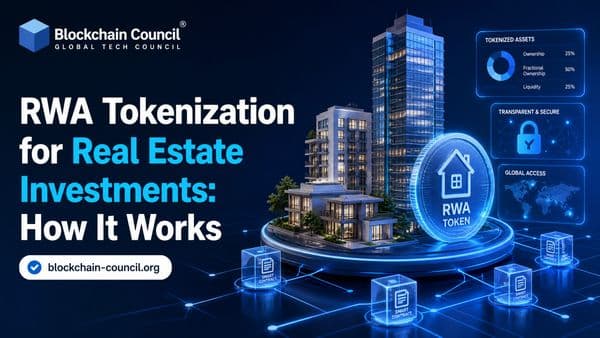
Learn how RWA tokenization for real estate investments turns property rights into regulated blockchain tokens for ownership, income, and trading.

RWA tokenization cuts financial market costs through fewer intermediaries, smart contracts, faster settlement, and cheaper blockchain infrastructure.

RWA tokenization can cut settlement from days to minutes by using shared ledgers, atomic DvP, programmable compliance, and automated workflows.

RWA tokenization improves transparency by making ownership, transfers, compliance rules, and market data auditable across asset markets.
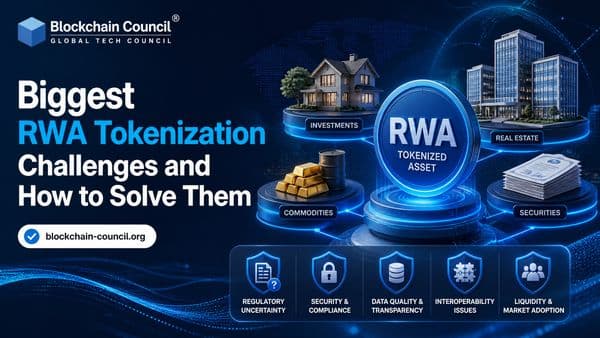
RWA tokenization is growing fast, but regulation, legal rights, KYC, custody, liquidity, governance, and tax issues still decide whether projects scale.

RWA tokenization brings real assets on-chain, but legal, technical, liquidity, and custody risks can break investor rights and market trust.

RWA tokenization is reshaping capital markets by improving liquidity, access, settlement, collateral use, reporting, and capital raising for major stakeholders.

Fractional RWA ownership turns real assets into regulated digital units, giving investors smaller entry points and issuers programmable capital structures.

RWA tokenization can improve private market liquidity through fractional ownership, 24/7 transferability, collateral use, and programmable compliance.