
Suyash Raizada
RWA Tokenization and Digital Securities: Similarities, Differences, and Regulations
RWA tokenization and digital securities overlap, but differ in asset scope, regulation, trading venues, liquidity, and DeFi integration.


Browse the latest digital assets articles, tutorials, and research from Blockchain Council.(225 articles)
RWA tokenization and digital securities overlap, but differ in asset scope, regulation, trading venues, liquidity, and DeFi integration.

RWA tokenization and CBDCs are converging around settlement, with tokenized fixed income growing fast and wholesale CBDCs likely to support institutional markets.

RWA tokenization is moving into production across tokenized funds, collateral networks, deposits, bonds, private credit, and trade finance.

RWA tokenization and lending is reshaping collateral, credit, and yield markets through tokenized Treasuries, private credit, and receivables-backed assets.

RWA tokenization and DeFi are converging as tokenized Treasuries, funds, and credit products bring collateral, yield, and liquidity on-chain.

RWA tokenization and stablecoins are converging as tokenized Treasuries, real estate, and funds settle through blockchain-based digital money.

Learn how RWA tokenization turns infrastructure equity, debt, and revenue rights into compliant digital tokens for project finance.

Learn how RWA tokenization converts carbon credits and climate assets into traceable blockchain tokens, including MRV, bridging, risks, and use cases.

Learn how RWA tokenization converts IP and royalty rights into blockchain tokens for revenue sharing, compliance, automated payouts, and global access.
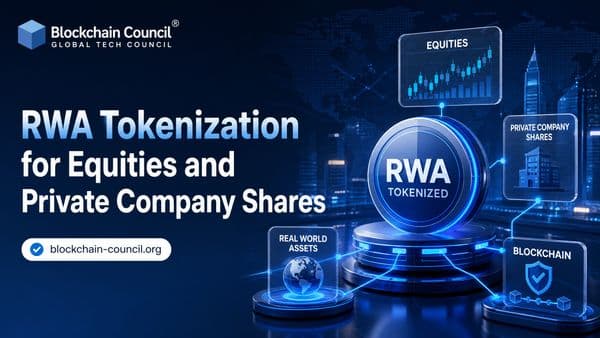
RWA tokenization links equities and private shares to blockchain tokens through legal wrappers, smart contracts, compliance checks, and regulated market infrastructure.

Learn how RWA tokenization represents investment fund shares onchain while assets stay with custodians, including structures, lifecycle, benefits, and risks.
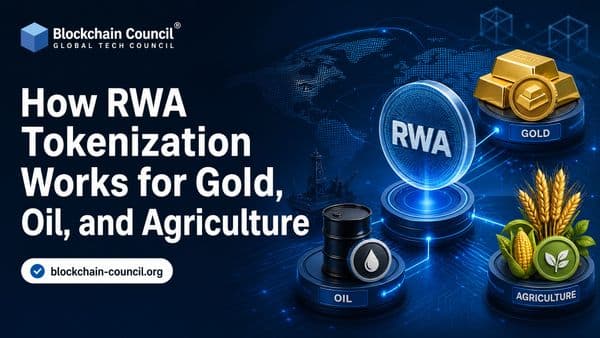
Learn how RWA tokenization connects gold, oil, and agricultural commodities to blockchain tokens through custody, audits, smart contracts, and redemption.