

Research & Knowledge Hub
5,000+ research articles, technical guides, and in-depth analyses authored by council members and industry experts.
Articles - Page 271
5,000 articles
Decentralized Identity (DID) and Cybersecurity: Eliminating Single Points of Failure in Digital Identity Management
Summary: Decentralized identity (DID) is a digital identity model where users control their credentials. DID systems use blockchain technology instead of centralized identity databases. Decentralized identity improves authentication, reduces identity theft, and protects privacy. Blockchain Council…
Smart Contract Vulnerabilities and Exploitation Patterns: Lessons from Real-World Blockchain Breaches
Summary: Smart contracts are integral to blockchain applications but can have flaws like reentrancy, integer overflow, and logic bugs. Attackers exploit these vulnerabilities to gain unauthorized access, causing breaches. Preventing exploits involves secure development practices and rigorous…

Blockchain for IoT Device Security
The Internet of Things (IoT) connects billions of devices, from smart locks and thermostats to medical sensors and industrial machinery. But this connectivity comes at a cost—IoT devices are notorious for weak security, creating easy entry points for hackers. Attacks like the Mirai botnet showed…
Blockchain in Supply Chain Provenance Tracking
Supply chains are under pressure to prove not just efficiency, but also authenticity, sustainability, and fairness. Customers want to know if their coffee really is fair trade, if the diamonds are conflict-free, and if the batteries in electric cars are ethically sourced. Traditional systems rely…
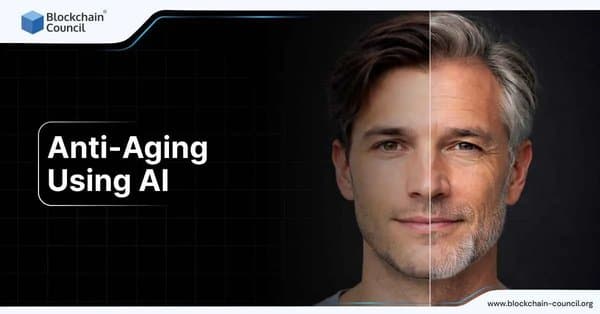
Anti-Aging Using AI
Aging is inevitable—but how we age is no longer out of our control. Thanks to rapid advancements in Artificial Intelligence (AI), the global approach to anti-aging has shifted from reactive treatments to predictive, personalized, and preventive solutions. From AI-powered skincare analysis to…
Layer-2 Rollups for Scalable Blockchain Transactions
Blockchains are powerful but face a big problem: they are slow and expensive when too many people use them. Ethereum, for example, often struggles with high gas fees and long wait times. The solution many developers have turned to is Layer-2 rollups. These systems take transactions off the main…
Blockchain for Cross-Border Remittances
Sending money abroad is often costly and slow. Traditional services charge high fees, sometimes above 7 percent, and transfers can take days. Blockchain is changing that by offering faster, cheaper, and more transparent transfers. Families who depend on remittances stand to benefit the most. If you…

Blockchain for Energy Trading
Blockchain is transforming energy trading by allowing producers and consumers to exchange electricity directly in a secure and transparent way. Traditional energy markets depend on Centralized systems and intermediaries, which make the process slower and more expensive. With blockchain, trades can…

Blockchain for Smart Cities
Blockchain is helping smart cities become more transparent, secure, and efficient. A smart city uses digital technology to manage resources like energy, water, waste, and transportation. But these systems need trust, accountability, and data protection. Blockchain provides a tamper-proof record of…

Blockchain for Food Safety
Blockchain improves food safety by providing clear, secure, and unchangeable records for every step of the food supply chain. From farms and factories to supermarkets and restaurants, blockchain makes it possible to track where food comes from, how it was handled, and whether it is safe to eat.…

Blockchain in Insurance Claim Processing
Blockchain is transforming how insurance claims are handled by making them faster, more transparent, and less prone to fraud. Traditional claim processes are often slow, full of paperwork, and vulnerable to manipulation. Blockchain changes this by using a shared and tamper-proof system that all…
Blockchain in Humanitarian Aid Distribution
Blockchain is making humanitarian aid more transparent and efficient. Aid programs often face corruption, delays, and poor tracking, which prevents resources from reaching the people who need them most. Blockchain solves these issues by recording each transfer of cash, goods, or services on an…