

How will blockchain affect the clothing industry?
 Toshendra Kumar Sharma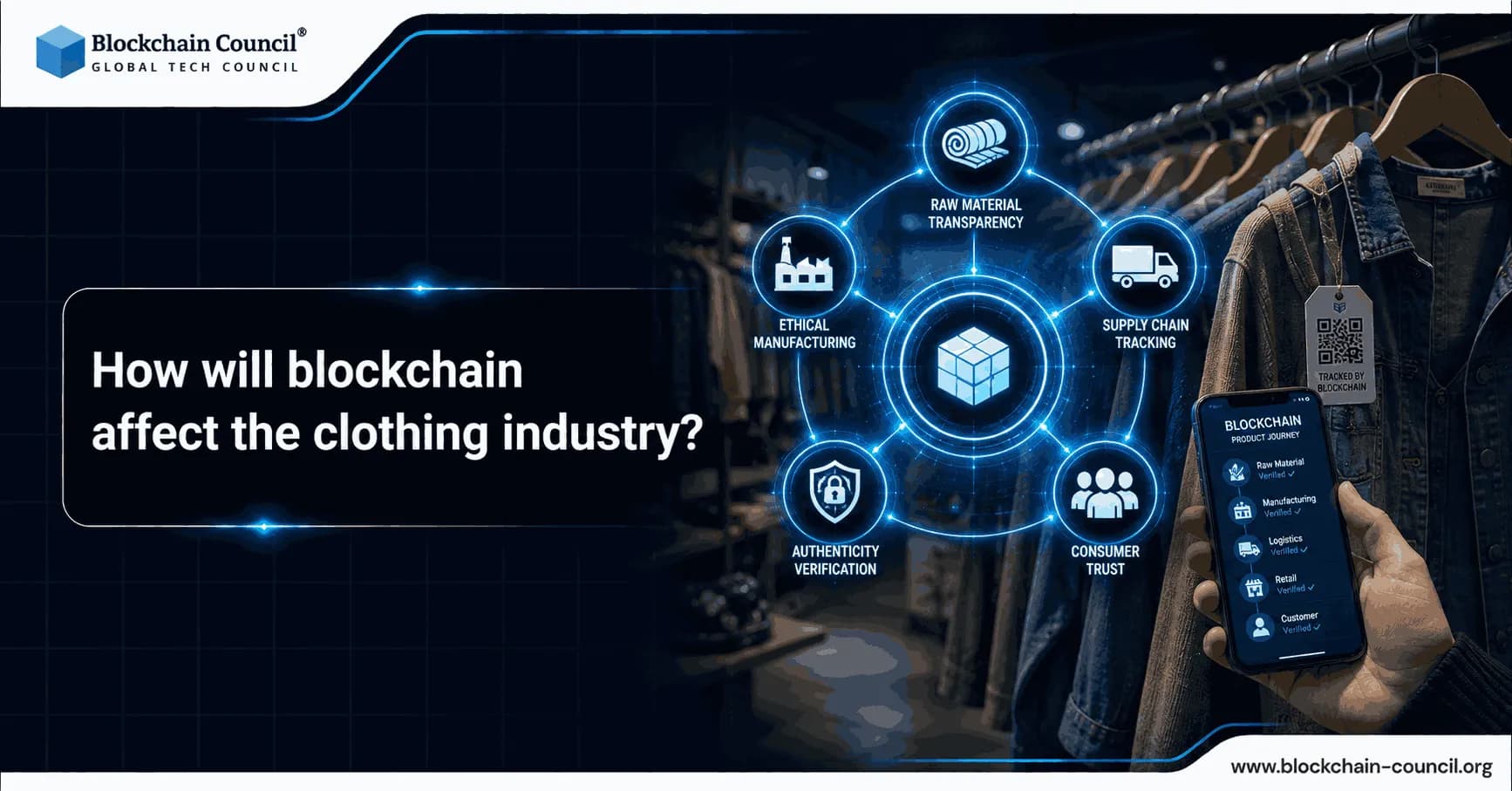
The clothing industry is one of the largest and most complex global industries, involving designers, textile manufacturers, suppliers, logistics companies, retailers, and millions of consumers. As fashion becomes increasingly globalized, brands face growing pressure to improve supply chain transparency, combat counterfeit products, ensure ethical sourcing, and meet rising consumer expectations for sustainability. Traditional supply chain systems often make it difficult to verify where garments are produced, how materials are sourced, or whether labor and environmental standards have been followed. Blockchain technology is emerging as a powerful solution that can address many of these challenges while reshaping how fashion businesses operate.
Unlike conventional databases that are controlled by a single organization, blockchain creates a decentralized and tamper-resistant digital ledger where every stage of a garment's journey can be securely recorded. From sourcing raw materials to manufacturing, shipping, retail distribution, and even resale, blockchain provides a transparent record that builds trust between brands and consumers. As blockchain adoption continues expanding across retail and manufacturing, professionals are increasingly strengthening their expertise through the Certified Blockchain Expert certification from Blockchain Council, which provides practical knowledge of blockchain architecture, enterprise applications, decentralized systems, and smart contract technology.

In this article, we'll explore how blockchain is transforming the clothing industry, the technology behind its adoption, real-world applications, benefits, challenges, and what the future of blockchain-powered fashion could look like.
How Can Blockchain Transform the Clothing Industry?
Blockchain transforms the clothing industry by creating a secure digital record of every stage in a product's lifecycle. Instead of relying on disconnected databases maintained by manufacturers, suppliers, logistics providers, and retailers, blockchain allows all authorized participants to access the same verified information through a shared ledger.
Every step, including raw material sourcing, fabric production, garment manufacturing, quality inspections, shipping, warehousing, and retail distribution, can be recorded permanently on the blockchain. Since these records are extremely difficult to modify, businesses gain greater confidence in supply chain accuracy while consumers receive more reliable information about the products they purchase.
This transparency is becoming increasingly valuable as consumers demand greater visibility into sustainability, ethical manufacturing, and product authenticity. Companies can demonstrate compliance with environmental standards, responsible sourcing practices, and fair labor policies through verifiable blockchain records rather than relying solely on marketing claims.
Organizations adopting blockchain-powered fashion supply chains increasingly seek professionals who understand both distributed ledger technology and modern logistics operations. Many build these specialized skills through the Certified Blockchain & Supply Chain Professional certification, which focuses on blockchain implementation across procurement, logistics, inventory management, traceability, and global supply chain optimization.
Quick Answer
Blockchain can transform the clothing industry by improving supply chain transparency, verifying product authenticity, reducing counterfeit goods, supporting ethical sourcing, enhancing inventory management, strengthening sustainability initiatives, and giving consumers reliable information about how and where their clothing is produced.
How Blockchain Affects the Clothing Industry
One of blockchain's most significant contributions is supply chain traceability. Fashion brands can record every stage of garment production, beginning with raw materials such as cotton, wool, or recycled fibers and continuing through manufacturing, packaging, transportation, and retail sales.
Consumers increasingly want to know where their clothing comes from. Blockchain allows brands to provide verifiable information about production locations, manufacturing processes, certifications, and environmental practices. Instead of relying solely on printed labels, shoppers can access trusted digital records that confirm product origins.
Counterfeit prevention represents another major advantage. Luxury fashion brands lose billions of dollars annually due to counterfeit products entering global markets. Blockchain enables every legitimate item to receive a unique digital identity, making it much easier for retailers and consumers to verify authenticity before making a purchase.
Sustainability initiatives also become more credible with blockchain. Brands can demonstrate responsible sourcing of raw materials, reduced environmental impact, and compliance with ethical labor practices through transparent digital records. This helps consumers support companies that genuinely prioritize sustainable production rather than relying on unverifiable claims.
Inventory management becomes more efficient as blockchain provides real-time visibility into product movement across warehouses, distribution centers, and retail stores. Better inventory accuracy helps reduce stock shortages, minimize overproduction, and improve overall operational efficiency.
Blockchain also supports the growing resale and circular fashion markets. Digital ownership records allow consumers to verify authenticity when purchasing second-hand luxury products while helping brands maintain product histories throughout multiple ownership transfers.
Developing enterprise-grade blockchain solutions for retail and fashion requires expertise across blockchain development, cloud computing, cybersecurity, APIs, Internet of Things (IoT), artificial intelligence, and enterprise software integration. Professionals seeking broader technical expertise across these emerging technologies often pursue a Tech Certification, helping them develop practical skills needed to support digital transformation across manufacturing and retail industries.
Real-World Applications in Fashion
Several leading fashion companies have already begun exploring blockchain to improve transparency and consumer trust.
Luxury brands are using blockchain to create digital product passports that verify authenticity and document the complete history of high-value items. This approach helps combat counterfeit products while supporting premium resale markets.
Textile manufacturers are implementing blockchain to monitor sustainable sourcing practices and verify certifications throughout complex international supply chains. Retailers are also experimenting with blockchain-powered traceability systems that allow consumers to scan QR codes and access detailed information about product origins.
Some organizations are integrating blockchain with IoT sensors to monitor transportation conditions, ensuring that valuable garments remain protected throughout shipping and storage. These implementations demonstrate how blockchain can improve operational efficiency while strengthening customer confidence.
Benefits Beyond Supply Chain Management
Blockchain provides advantages that extend beyond product tracking.
Improved customer trust results from greater transparency regarding sourcing, production methods, and environmental practices. Businesses benefit from more efficient collaboration because suppliers, manufacturers, logistics providers, and retailers all work from the same verified information.
Compliance reporting also becomes simpler through immutable audit trails that support regulatory requirements and sustainability reporting. Faster identification of production issues enables companies to respond more quickly to quality concerns while minimizing operational disruptions.
Data security improves because blockchain protects sensitive supply chain information using decentralized cryptographic techniques. At the same time, automated workflows reduce paperwork and administrative costs across complex global operations.
These combined benefits contribute to stronger brand reputation, improved operational efficiency, and greater customer loyalty.
Challenges to Consider
Despite its significant potential, blockchain adoption within the clothing industry still faces several challenges.
Global fashion supply chains often involve hundreds of suppliers operating across different countries, making standardization and data sharing more complex. Successful implementation requires broad collaboration among manufacturers, logistics providers, retailers, certification organizations, and regulatory authorities.
Initial technology investments may also present challenges for smaller businesses that lack advanced digital infrastructure. Organizations must integrate blockchain with existing enterprise systems while training employees to manage new digital workflows.
Data accuracy remains another important consideration. Blockchain protects information after it has been recorded, but businesses must still ensure that accurate and reliable data is entered throughout the production process.
As blockchain technology matures, these challenges are gradually becoming easier to address through improved standards, enterprise platforms, and industry collaboration.
The Future of Blockchain in Fashion
The future of blockchain in the clothing industry extends beyond traceability alone.
Artificial intelligence, blockchain, IoT, digital identity, and advanced analytics are expected to work together to create intelligent supply chains capable of predicting demand, reducing waste, improving inventory planning, and strengthening sustainability efforts.
Digital product passports may become standard for premium clothing, allowing consumers to verify authenticity, ownership history, repair records, and recycling information throughout a garment's lifecycle.
As governments introduce stricter sustainability regulations and consumers continue demanding greater transparency, blockchain is likely to become an increasingly important technology for responsible fashion manufacturing.
Final Thoughts
Blockchain has the potential to fundamentally reshape the clothing industry by creating more transparent, secure, and efficient supply chains. From verifying product authenticity and supporting ethical sourcing to improving inventory management and strengthening sustainability initiatives, blockchain enables fashion brands to build greater trust with consumers while optimizing complex global operations.
However, technology alone is not enough to drive industry transformation. Businesses also need professionals who can effectively communicate the value of transparent supply chains, educate consumers about sustainability initiatives, and position innovative fashion technologies in competitive markets. Building these communication and business capabilities alongside technical expertise has become increasingly valuable, which is why many professionals complement their blockchain knowledge with a Marketing Certification to strengthen their understanding of digital strategy, customer engagement, and technology adoption.
As the fashion industry continues embracing digital transformation, blockchain is expected to play a central role in creating a future where clothing is not only stylish but also verifiably authentic, ethically produced, environmentally responsible, and trusted by consumers around the world.
FAQs
1. How can blockchain be used in the clothing industry?
Blockchain can improve the clothing industry by increasing supply chain transparency, verifying product authenticity, tracking raw materials, supporting sustainable fashion, managing digital product passports, reducing counterfeiting, and improving inventory and logistics management.
2. Why is blockchain important for the fashion and clothing industry?
The clothing industry involves complex global supply chains with manufacturers, suppliers, logistics providers, retailers, and consumers. Blockchain creates a secure and transparent record of every stage of production, helping businesses improve trust, traceability, and operational efficiency.
3. How does blockchain work in the clothing industry?
Blockchain records key events throughout a garment's lifecycle, including raw material sourcing, textile production, manufacturing, shipping, warehousing, retail distribution, and resale. Authorized participants update the shared ledger, creating a verifiable history for each product.
4. Can blockchain reduce counterfeit clothing?
Yes. Blockchain enables brands to create digital records that verify product authenticity and ownership. Consumers can scan QR codes, NFC tags, RFID chips, or digital certificates to confirm whether a product originates from an authorized manufacturer.
5. How does blockchain improve supply chain transparency?
Blockchain allows businesses and consumers to track clothing products from cotton farms or textile mills through manufacturing, shipping, retail, and resale. This visibility helps verify sourcing claims and improve accountability across the supply chain.
6. How does blockchain support sustainable fashion?
Blockchain can record information about recycled materials, organic fabrics, ethical sourcing, carbon emissions, water usage, and manufacturing practices. This helps brands demonstrate sustainability efforts and provides consumers with more transparent product information.
7. Can blockchain verify ethical labor practices?
Blockchain can record certifications, factory audits, supplier information, and compliance documentation throughout the supply chain. While it improves transparency, verification still depends on reliable inspections and accurate data provided by participating organizations.
8. What are Digital Product Passports (DPPs)?
Digital Product Passports are digital records that store information about a product's origin, materials, manufacturing process, repair history, ownership, and recycling instructions. Blockchain can securely support these records by providing verifiable and tamper-evident data.
9. How does blockchain improve inventory management?
Blockchain provides accurate records of inventory movement, warehouse transfers, retail distribution, and product availability. Combined with enterprise systems, it helps reduce inventory discrepancies and improve supply chain planning.
10. Can blockchain improve clothing resale markets?
Yes. Blockchain can verify ownership history, authenticity, repair records, and provenance for luxury fashion and second-hand clothing, helping build trust in resale marketplaces.
11. How does blockchain work with RFID and IoT?
RFID tags, NFC chips, QR codes, GPS trackers, and IoT sensors collect information about products during manufacturing, transportation, and storage. Blockchain securely records important events and verification data, improving product traceability throughout the supply chain.
12. Which fashion brands are exploring blockchain?
Many global luxury brands, sportswear companies, fashion retailers, textile manufacturers, and sustainability initiatives have explored blockchain for product authentication, supply chain transparency, and digital product passports. Adoption varies across the industry.
13. What are the advantages of blockchain in the clothing industry?
Benefits include improved transparency, counterfeit prevention, stronger supply chain visibility, sustainable sourcing verification, enhanced consumer trust, faster recalls, better inventory management, digital ownership records, and more efficient compliance reporting.
14. What challenges exist when implementing blockchain?
Challenges include integrating with legacy supply chain systems, ensuring accurate data entry, implementation costs, interoperability between organizations, supplier participation, governance, scalability, privacy requirements, and global regulatory compliance.
15. Can blockchain guarantee sustainability claims?
No. Blockchain improves the transparency and traceability of sustainability information but cannot independently verify whether every environmental or ethical claim is true. The accuracy of blockchain records depends on the quality of the information entered and the reliability of audits and certifications.
16. What common mistakes should clothing companies avoid?
Common mistakes include recording inaccurate supply chain data, storing excessive information directly on-chain, neglecting supplier onboarding, overlooking cybersecurity, failing to audit smart contracts, implementing blockchain without a clear business objective, and assuming technology alone guarantees ethical sourcing.
17. What are best practices for implementing blockchain in fashion?
Best practices include integrating blockchain with ERP systems, RFID and IoT technologies, using Digital Product Passports, storing sensitive business information off-chain, validating supplier data, conducting regular security audits, collaborating with supply chain partners, and complying with sustainability and consumer protection regulations.
18. How does blockchain fit into the future of fashion?
Blockchain complements artificial intelligence (AI), Internet of Things (IoT), cloud computing, digital identity, advanced analytics, robotics, 3D manufacturing, circular economy initiatives, and sustainable supply chain technologies to modernize the fashion industry.
19. What trends are shaping blockchain in fashion in 2025-2026?
Major trends include Digital Product Passports (DPPs), tokenization of luxury goods, blockchain-based resale authentication, AI-powered supply chain analytics, decentralized identity (DID) for suppliers, ESG reporting, circular fashion initiatives, blockchain-enabled carbon tracking, smart labels, and increased regulatory focus on supply chain transparency.
20. What is the future of blockchain in the clothing industry?
Blockchain is expected to become an important technology for improving transparency, sustainability, product authenticity, and supply chain efficiency in the clothing industry. Rather than replacing existing manufacturing or retail systems, blockchain will work alongside AI, IoT, cloud platforms, and enterprise software to provide trusted information throughout a garment's lifecycle. As consumers increasingly demand proof of authenticity and ethical sourcing, the ability to verify a product's journey may become nearly as valuable as the product itself. After all, "Made with care" carries more weight when there is verifiable data behind the label instead of just attractive marketing copy.
Related Articles
View All
Blockchain
Beyond Cryptocurrency: How Blockchain Is Transforming Real-World Industries
Explore how blockchain works beyond cryptocurrency in banking, supply chains, healthcare, tokenisation, CBDCs, and government, plus key challenges and career paths.

Blockchain
Smart Contracts & dApps: How Blockchain Becomes Programmable
Learn how smart contracts and dApps make blockchain programmable, from Ethereum and tokens to DeFi, NFTs, real use cases, benefits, and key risks.

Blockchain
Behind the Blocks: How Blockchain Transactions Actually Work
Go behind the blocks to see how a blockchain transaction really works: wallets and keys, digital signatures, verification, hashing, blocks, consensus, proof of work vs proof of stake, and how miners and validators secure the network.
Trending Articles

Top 5 DeFi Platforms
Explore the leading decentralized finance platforms and what makes each one unique in the evolving DeFi landscape.
How Blockchain Secures AI Data
Understand how blockchain technology is being applied to protect the integrity and security of AI training data.
What is AWS? A Beginner's Guide to Cloud Computing
Everything you need to know about Amazon Web Services, cloud computing fundamentals, and career opportunities.