

OpenAI’s Image 2.0: The Global Leap in AI Generation

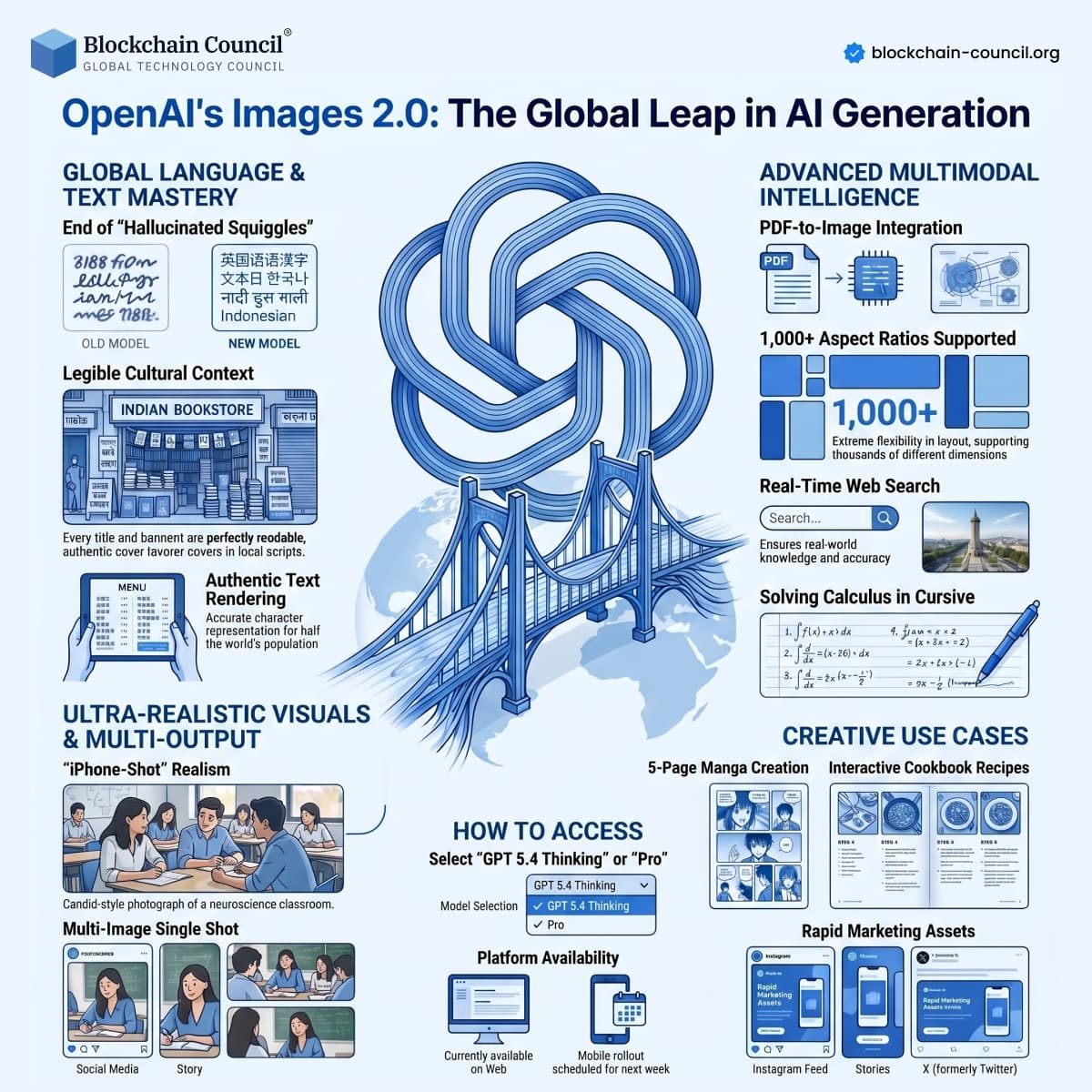
Artificial intelligence has transformed visual content creation at an unprecedented pace. From simple text-to-image tools to highly realistic and controllable generation systems, AI is reshaping how individuals and businesses produce visual content. The concept often referred to as “Image 2.0” represents the next stage in this evolution, where AI image generation becomes more precise, efficient, and integrated into real-world workflows.
To understand and apply these advancements effectively, many professionals begin with structured programs such as the ChatGPT Expert certification and the AI expert certification. These certifications provide foundational knowledge in AI systems and practical applications.

This article explores the evolution of AI image generation, the features of Image 2.0 systems, real-world applications, and the broader impact on industries worldwide.
What Is Image 2.0 in AI Generation
Image 2.0 refers to the next generation of AI image models that go beyond basic text-to-image creation. These systems focus on:
Higher realism and detail
Better control over outputs
Faster generation speeds
Integration with workflows
Unlike earlier tools, which often produced inconsistent or abstract results, Image 2.0 systems aim for reliability and precision.
Evolution of AI Image Generation
Early Stage
Initial AI image tools generated basic visuals with limited control and quality.
Intermediate Stage
Models improved in detail and style replication but still struggled with accuracy and consistency.
Image 2.0 Stage
Modern systems deliver:
Photorealistic outputs
Advanced customization
Consistent results across iterations
The shift is from experimentation to production-ready tools.
Key Features of Image 2.0 Systems
1. Photorealistic Quality
AI-generated images now closely resemble real photographs.
Example
Marketing campaigns use AI-generated product images that are nearly indistinguishable from studio photography.
2. Prompt Precision and Control
Users can specify detailed instructions for:
Composition
Lighting
Style
Perspective
This reduces the trial-and-error process significantly.
3. Multimodal Capabilities
Image 2.0 systems can integrate text, images, and sometimes video inputs.
Example
Users can upload a reference image and modify it using text prompts.
4. Faster Processing
Generation times have decreased dramatically, enabling near real-time outputs.
5. Editing and Iteration
Users can refine images through multiple iterations without starting from scratch.
Real-World Applications
Marketing and Advertising
Businesses use AI-generated visuals for campaigns, social media, and branding.
Programs like the AI powered digital marketing course help professionals apply these tools effectively.
E-Commerce
AI generates product images, reducing the need for expensive photoshoots.
Example
An online retailer creates multiple product variations using AI, saving time and cost.
Entertainment and Media
AI assists in creating concept art, storyboards, and visual effects.
Education and Training
AI-generated visuals enhance learning materials and presentations.
Software Development
Developers integrate image generation into applications, supported by programs like the AI Powered coding expert Course.
Benefits of Image 2.0
Efficiency
AI reduces the time required to create high-quality visuals.
Cost Savings
Eliminates the need for expensive production processes.
Accessibility
Allows non-designers to create professional-grade images.
Scalability
Businesses can generate large volumes of content quickly.
Challenges and Limitations
Ethical Concerns
AI-generated images raise questions about authenticity and misuse.
Copyright Issues
Ownership of AI-generated content remains a complex issue.
Quality Control
While improved, outputs may still require human review.
Overdependence
Relying solely on AI can limit creative diversity.
Recent Developments in AI Image Generation
Improved Model Architectures
New models are more efficient and capable of producing higher-quality outputs.
Style Customization
Users can replicate specific artistic styles with precision.
Integration with Design Tools
AI is being integrated into professional design software.
AI Assisted Editing
Advanced editing tools allow real-time modifications.
Global Impact of Image 2.0
Business Transformation
Companies are adopting AI to streamline content creation.
Creative Industry Disruption
Artists and designers are adapting to new tools and workflows.
Economic Opportunities
AI creates new roles and business models.
Social Implications
The line between real and AI-generated content is becoming less clear.
Best Practices for Using AI Image Tools
Write detailed prompts
Use reference images when possible
Review outputs carefully
Combine AI with human creativity
Ignoring these practices often leads to disappointing results.
Future of AI Image Generation
The future includes:
More realistic and controllable outputs
Integration with augmented and virtual reality
Improved ethical and regulatory frameworks
AI image generation will continue to evolve rapidly.
Conclusion
OpenAI’s Image 2.0 represents a significant leap in AI generation, transforming how visuals are created and used. With improved quality, speed, and usability, these systems are becoming essential tools across industries.
While challenges remain, the benefits are substantial. Understanding how to use these tools effectively will be key to staying competitive in the evolving digital landscape.
AI is no longer just assisting creativity. It is reshaping it.
FAQs
1. What is Image 2.0 in AI
Image 2.0 refers to the next generation of AI image generation systems that offer higher quality, better control, and faster performance. These systems are designed for real-world applications rather than experimentation. They represent a major advancement in visual AI technology.
2. How is Image 2.0 different from earlier models
Earlier models focused on basic image generation with limited control and consistency. Image 2.0 systems provide photorealistic outputs and precise customization. This makes them more reliable and practical for professional use.
3. Can AI generate realistic images
Yes, modern AI systems can generate highly realistic images that closely resemble photographs. The quality depends on the model and prompt used. Continuous improvements are enhancing realism further.
4. What industries use AI image generation
Industries such as marketing, e-commerce, entertainment, and education use AI image generation. It helps create visuals quickly and efficiently. Its applications are expanding rapidly.
5. Is AI image generation expensive
AI image generation can be cost-effective compared to traditional methods. It reduces the need for photoshoots and design resources. Costs depend on the tools and scale of usage.
6. What are the risks of AI images
Risks include misuse, copyright issues, and ethical concerns. AI-generated images can be manipulated easily. Responsible use is essential.
7. Can beginners use AI image tools
Yes, most AI image tools are user-friendly and accessible to beginners. Learning basic prompt techniques improves results. Practice helps in mastering the process.
8. What is multimodal AI
Multimodal AI processes multiple types of data such as text and images. It enhances understanding and output quality. This technology is advancing rapidly.
9. How does AI improve marketing
AI helps create visuals, analyze trends, and optimize campaigns. It improves efficiency and engagement. This makes marketing more effective.
10. What is prompt engineering
Prompt engineering involves crafting inputs to guide AI outputs effectively. It improves accuracy and relevance. It is an important skill in AI usage.
11. Can AI replace designers
AI cannot fully replace designers but can assist in creating visuals. Human creativity and judgment remain essential. Collaboration yields the best results.
12. What is the future of AI image generation
The future includes more advanced, realistic, and customizable systems. AI will integrate with other technologies. Its impact will continue to grow.
13. How fast can AI generate images
Modern AI systems can generate images in seconds. Speed depends on the model and complexity. Faster processing improves usability.
14. What are diffusion models
Diffusion models generate images by refining noise into structured visuals. They are widely used in modern AI tools. This technology improves quality.
15. How does AI impact creativity
AI enhances creativity by providing tools for generating ideas and visuals. It supports creative workflows. Human input remains important.
16. What are ethical concerns in AI
Ethical concerns include misuse, bias, and lack of transparency. These issues require careful management. Responsible use is essential.
17. Can AI generate custom images
Yes, AI can generate highly customized images based on detailed prompts. This allows users to create unique visuals. Customization is a key feature.
18. What skills are needed for AI image generation
Skills include prompt writing, basic design understanding, and creativity. Continuous learning improves results. These skills enhance effectiveness.
19. How does AI reduce costs
AI reduces costs by automating image creation and eliminating traditional production processes. It improves efficiency. This leads to significant savings.
20. Why is Image 2.0 important
Image 2.0 is important because it represents a major advancement in AI image generation. It improves quality, speed, and usability. Its impact is transforming industries.
Related Articles
View All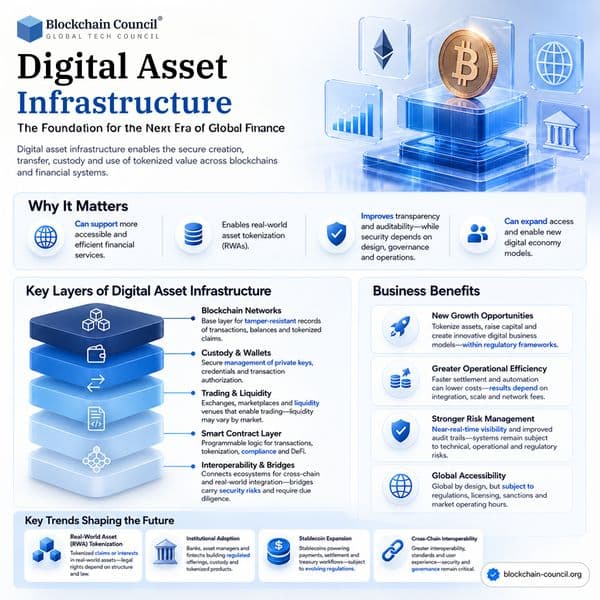
Infographics
Digital Asset Infrastructure: The Foundation of the Next Era of Global Finance
Digital asset infrastructure is the technology backbone that enables the creation, storage, transfer, trading, and management of cryptocurrencies, tokenized assets, and other blockchain-based digital assets. It includes blockchain networks, digital wallets, custody solutions, exchanges, smart contracts, and security protocols. This guide explores the key components of digital asset infrastructure and their role in supporting the rapidly evolving Web3 and digital finance ecosystem.
Infographics
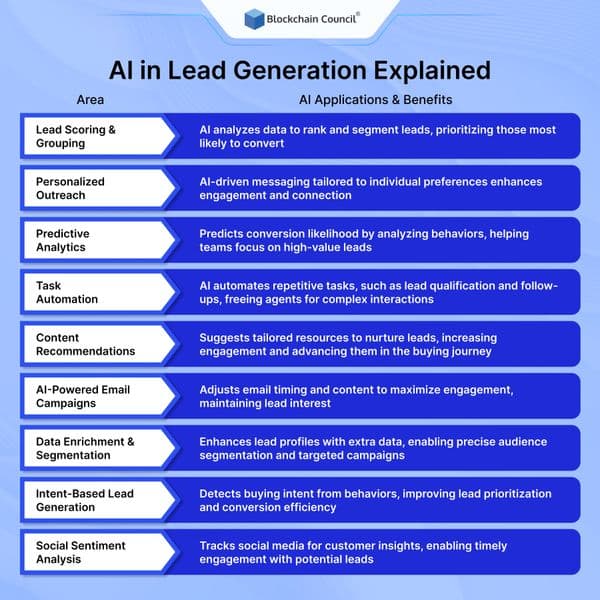
AI in Lead Generation Explained
AI in lead generation automates prospecting, targeting, and customer insights to improve conversion rates and sales efficiency.

Infographics
Cryptocurrency Regulations Comparison: A Global Overview
Explore how different countries regulate cryptocurrencies, from strict compliance frameworks to evolving policies. This guide breaks down key differences in taxation, legality, and regulatory approaches worldwide.
Trending Articles
The Role of Blockchain in Ethical AI Development
How blockchain technology is being used to promote transparency and accountability in artificial intelligence systems.

Top 5 DeFi Platforms
Explore the leading decentralized finance platforms and what makes each one unique in the evolving DeFi landscape.
What is AWS? A Beginner's Guide to Cloud Computing
Everything you need to know about Amazon Web Services, cloud computing fundamentals, and career opportunities.