

Impact of Trump Tariffs on AI Companies
 Suyash Raizada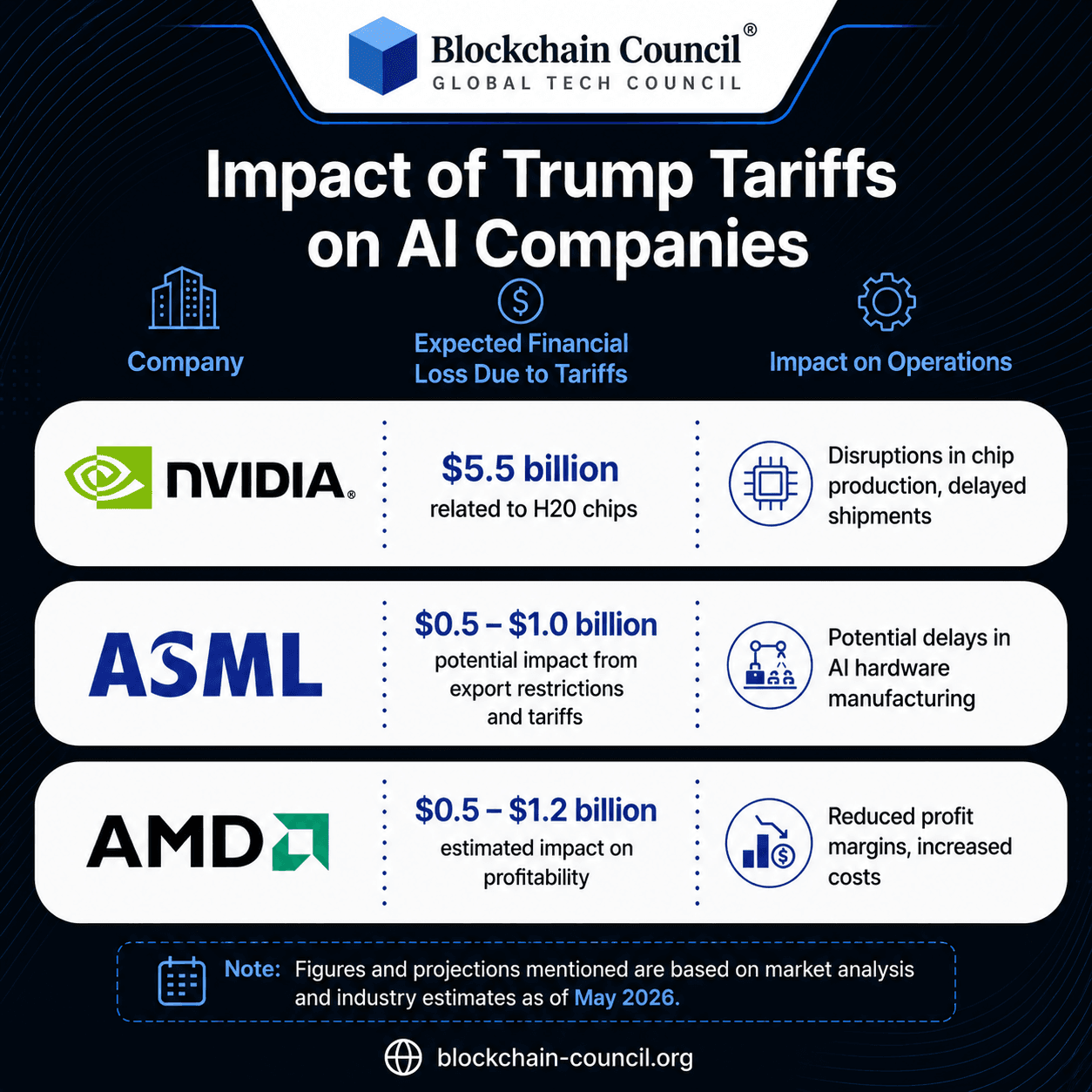
Trade policies have always shaped global industries, but their influence on artificial intelligence is often underestimated. The tariffs introduced during Donald Trump’s presidency, particularly on Chinese imports, had far-reaching consequences beyond traditional manufacturing. These policies directly and indirectly affected the growth, cost structures, and global strategies of AI companies.
Artificial intelligence relies heavily on global supply chains, advanced hardware, and cross-border collaboration. When tariffs disrupt these systems, the ripple effects reach deep into AI development, deployment, and innovation.

This article explores how Trump-era tariffs impacted AI companies, examining supply chains, costs, innovation, and long-term strategic shifts.
Understanding Trump Tariffs and Their Scope
The Trump administration introduced tariffs primarily targeting Chinese goods, including electronics, semiconductors, and industrial components. These tariffs were part of a broader effort to address trade imbalances and protect domestic industries.
However, AI companies depend heavily on imported hardware such as GPUs, chips, and electronic components. Many of these are manufactured or assembled in China or rely on Chinese supply chains.
This created a situation where policies aimed at traditional industries began affecting cutting-edge technologies like AI.
Impact on AI Hardware and Infrastructure
Increased Cost of AI Components
AI systems require high-performance hardware, including GPUs, TPUs, and specialized processors. Tariffs on imported electronics increased the cost of these components.
For AI companies, this translated into higher development and operational costs. Training large models became more expensive, particularly for startups with limited budgets.
For example, companies building machine learning models had to allocate more resources to hardware procurement, reducing funds available for research and innovation.
Supply Chain Disruptions
Tariffs disrupted established supply chains, forcing companies to reconsider sourcing strategies. Delays in component availability affected production timelines and project execution.
AI companies began exploring alternative suppliers outside China, but this transition was neither quick nor cost-effective. Establishing new supply chains requires time, investment, and reliability testing.
This disruption slowed down innovation cycles and increased uncertainty in the industry.
Impact on AI Innovation and Development
Slower Research and Development
Higher costs and supply chain challenges directly impacted research and development. Companies had to prioritize essential projects and delay experimental initiatives.
Smaller AI startups were particularly affected. Without the financial resilience of large corporations, they faced difficulties in sustaining innovation under increased cost pressures.
Professionals aiming to understand how AI systems are built and optimized despite such challenges often explore programs like the Agentic AI expert certification and the AI Expert certification, which provide insights into efficient AI system design.
Shift Toward Efficiency
One unintended outcome of tariffs was a push toward efficiency. Companies began focusing on optimizing algorithms to reduce computational requirements.
Instead of relying solely on powerful hardware, developers worked on creating more efficient models. This shift contributed to advancements in lightweight AI and edge computing.
In a way, constraints forced innovation, although not always in the direction companies initially intended.
Impact on Global Collaboration
Reduced Cross-Border Partnerships
AI development thrives on global collaboration. Researchers, engineers, and companies often work across borders to share knowledge and resources.
Tariffs and trade tensions created barriers to collaboration, particularly between the United States and China. Restrictions on technology transfer and partnerships limited opportunities for joint innovation.
This fragmentation slowed the global progress of AI and created separate ecosystems with limited interaction.
Rise of Regional AI Ecosystems
As collaboration decreased, regions began developing their own AI ecosystems. The United States, China, and Europe invested heavily in domestic AI capabilities.
While this increased self-reliance, it also led to duplication of efforts. Instead of pooling resources, countries worked independently, potentially slowing overall progress.
Impact on AI Companies’ Business Strategies
Diversification of Supply Chains
To mitigate risks, AI companies diversified their supply chains. They explored manufacturing and sourcing options in countries such as Vietnam, India, and Taiwan.
This diversification improved resilience but increased operational complexity. Managing multiple supply chains requires additional resources and coordination.
Increased Investment in Domestic Production
Tariffs encouraged companies to invest in domestic manufacturing. Governments also introduced incentives to support local production of semiconductors and hardware.
While this reduces dependency on imports, it requires significant investment and time. Building domestic capabilities is a long-term strategy rather than an immediate solution.
Pricing and Profit Margins
Higher costs affected pricing strategies. Companies had to decide whether to absorb costs or pass them on to customers.
In many cases, increased costs reduced profit margins. This was particularly challenging for startups and smaller firms competing in a highly competitive market.
Impact on AI-Driven Industries
Technology Sector
Technology companies relying on AI faced increased costs and operational challenges. However, they also benefited from the push toward innovation and efficiency.
Digital Marketing
AI plays a crucial role in digital marketing, from data analysis to campaign optimization. Tariffs indirectly affected this sector by increasing costs for AI tools and infrastructure.
Professionals in this field can adapt to these changes through programs like the AI Powered digital marketing certification, which focuses on leveraging AI effectively despite market challenges.
Software Development
Developers had to adapt to changing hardware availability and costs. This led to increased focus on software optimization and cloud-based solutions.
Programs such as the AI Powered coding expert certification help professionals build efficient AI applications under such constraints.
Conversational AI and Advanced Systems
AI models used in communication and automation also faced challenges due to infrastructure costs. Advanced systems require significant computational power, which became more expensive.
The Claude AI expert certification provides insights into developing and managing such systems efficiently.
Long-Term Implications
Acceleration of Technological Independence
Tariffs accelerated efforts to achieve technological independence. Countries invested in domestic AI capabilities and semiconductor production.
This shift is likely to continue, shaping the global AI landscape for years to come.
Increased Competition
As regions develop independent ecosystems, competition increases. This can drive innovation but also create fragmentation.
Companies must navigate this complex environment while maintaining global competitiveness.
Policy Influence on Technology
The impact of tariffs highlights how policy decisions can shape technological development. Governments play a critical role in supporting or hindering innovation.
Future policies will continue to influence the direction of AI development.
Challenges Moving Forward
AI companies must address ongoing challenges such as cost management, supply chain resilience, and regulatory compliance. Balancing innovation with economic constraints remains a key priority.
Additionally, maintaining global collaboration while navigating geopolitical tensions is essential for sustained progress.
Conclusion
The impact of Trump tariffs on AI companies demonstrates the interconnected nature of global trade and technological innovation. While the tariffs introduced significant challenges, they also prompted changes that reshaped the industry.
From increased costs and supply chain disruptions to shifts in innovation strategies and global collaboration, these policies left a lasting mark on the AI landscape.
Understanding these impacts is crucial for businesses, policymakers, and professionals navigating the future of artificial intelligence. Because nothing slows down cutting-edge innovation quite like a geopolitical disagreement over where your chips come from.
FAQs
1. How did Trump tariffs affect AI companies?
Trump tariffs increased the cost of imported hardware essential for AI development. This impacted budgets and slowed innovation. Companies had to adjust their strategies. Supply chain disruptions also played a role. Overall, the industry faced significant challenges.
2. Why are tariffs important for AI development?
AI relies on hardware components often imported from other countries. Tariffs increase costs for these components. This affects development and deployment. It also influences business decisions. Tariffs play a significant role in shaping the industry.
3. Did tariffs slow down AI innovation?
Yes, tariffs created financial and logistical challenges. These challenges slowed some research and development efforts. However, they also encouraged efficiency. Companies focused on optimization. Innovation continued but in different ways.
4. How did supply chains change?
Companies diversified their supply chains. They explored alternatives outside China. This increased resilience but added complexity. Managing multiple suppliers became necessary. Supply chains became more distributed.
5. What industries were most affected?
Technology, software development, and digital marketing were affected. These industries rely on AI tools and infrastructure. Increased costs impacted operations. Companies had to adapt strategies. The effects were widespread.
6. Did tariffs increase AI costs?
Yes, tariffs increased hardware costs. This affected training and deployment expenses. Companies had to allocate more resources. Costs were passed to customers in some cases. This impacted profitability.
7. How did startups handle these challenges?
Startups faced greater difficulties due to limited budgets. They focused on efficiency and optimization. Some delayed projects. Others sought alternative solutions. Adaptability was key.
8. What role did governments play?
Governments influenced policies and regulations. They also provided incentives for domestic production. This shaped the industry. Policy decisions had long-term effects. Government involvement is significant.
9. Did tariffs affect global collaboration?
Yes, trade tensions reduced collaboration. Partnerships became more difficult. Knowledge sharing was limited. This slowed global progress. Collaboration remains important.
10. How did companies adapt?
Companies diversified supply chains and optimized processes. They invested in domestic production. They also focused on efficiency. Adaptation was necessary for survival. Strategies evolved.
11. What is technological independence?
It refers to reducing reliance on foreign technology. Countries invest in domestic capabilities. This improves security and control. It requires significant resources. It is a long-term goal.
12. How did tariffs impact digital marketing?
AI tools became more expensive. This affected marketing strategies. Companies had to optimize campaigns. Efficiency became important. The impact was indirect but significant.
13. Are tariffs still affecting AI today?
Yes, their effects continue. Supply chains and strategies have changed. Companies are still adapting. Long-term impacts remain. The industry is evolving.
14. What challenges remain?
Challenges include cost management and supply chain resilience. Regulatory compliance is also important. Balancing innovation with constraints is key. Companies must adapt continuously. The environment is complex.
15. Did tariffs encourage innovation?
Yes, they pushed companies toward efficiency. Developers created optimized solutions. Constraints led to creativity. Innovation took new directions. The impact was mixed.
16. How did hardware costs change?
Hardware costs increased due to tariffs. This affected AI development. Companies had to adjust budgets. Costs impacted scalability. Hardware remains critical.
17. What is the future of AI under such policies?
The future involves adaptation and resilience. Companies will continue to innovate. Policies will influence development. Collaboration is important. The industry will evolve.
18. Can AI companies avoid such risks?
They can reduce risks through diversification. Strong strategies are important. Monitoring policies helps. Flexibility is key. Complete avoidance is difficult.
19. How does this affect professionals?
Professionals must adapt to changes. Skills in efficiency and optimization are valuable. Continuous learning is important. Opportunities still exist. The field is evolving.
20. Why is this topic important?
It highlights the link between policy and technology. Understanding impacts helps decision-making. Businesses can prepare better. It shows the complexity of AI development. Awareness is essential.
Related Articles
View All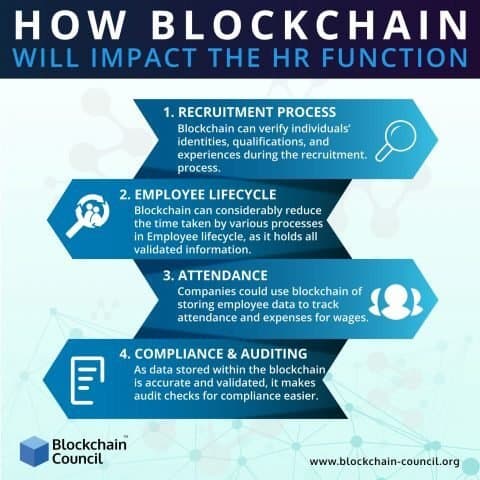
Infographics
How Blockchain will impact the HR function
Blockchain is something new that HR needs to know about. Like a lot of technology, it has strong benefits if used properly. If you want to keep up with the trends of blockchain industry, join our communities on Discord, Reddit and Telegram.

Infographics
Digital Asset Investment Guide: Build a Smarter Strategy for the Future of Finance
Digital asset investing has become a key part of the modern financial landscape, offering opportunities in cryptocurrencies, tokenized assets, NFTs, and blockchain-based investments. Whether you're a beginner or an experienced investor, understanding market fundamentals, diversification, security, and risk management is essential for building a successful digital asset portfolio. This guide explores the core concepts, investment strategies, and best practices for navigating the digital asset market.

Infographics
Digital Asset Trading: A Complete Guide to Trading in the Digital Economy
Digital asset trading involves buying, selling, and exchanging cryptocurrencies, tokenized assets, NFTs, and other blockchain-based assets through centralized and decentralized trading platforms. As the digital economy expands, traders rely on market analysis, risk management, and advanced trading tools to navigate volatile markets. This guide explains the fundamentals of digital asset trading, key strategies, security considerations, and emerging trends shaping the future of digital finance.
Trending Articles
The Role of Blockchain in Ethical AI Development
How blockchain technology is being used to promote transparency and accountability in artificial intelligence systems.
How to Install Claude Code
Learn how to install Claude Code on macOS, Linux, and Windows using the native installer, plus verification, authentication, and troubleshooting tips.
Blockchain in Supply Chain Provenance Tracking
Supply chains are under pressure to prove not just efficiency, but also authenticity, sustainability, and fairness. Customers want to know if their coffee really is fair trade, if the diamonds are con