

AI in PPC Campaign Optimization

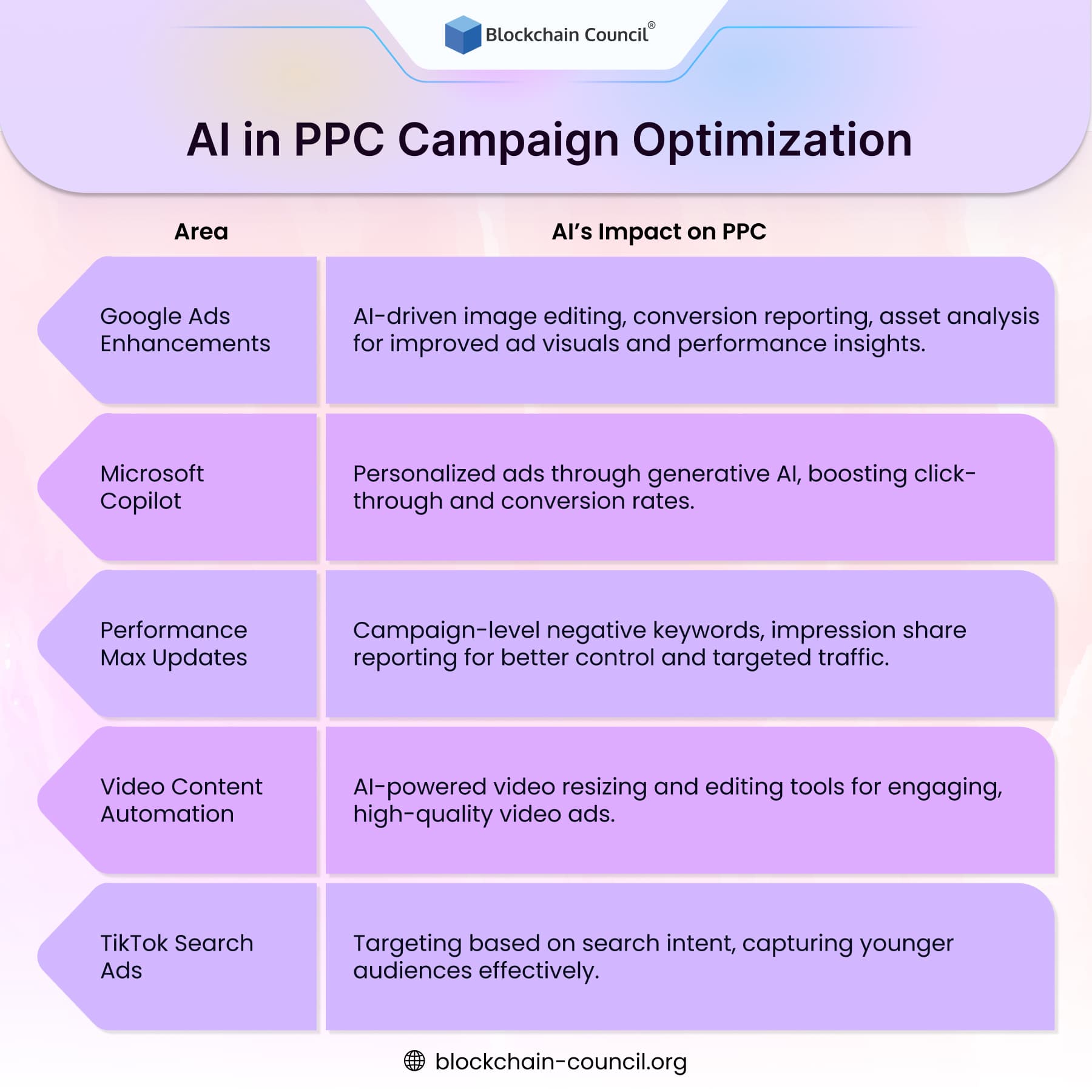
Pay-per-click advertising has always been a game of precision, timing, and data interpretation. Humans tried their best with spreadsheets, gut instincts, and late-night coffee-fueled bidding adjustments. Now artificial intelligence has entered the scene and quietly made most of that look like guesswork. AI in PPC campaign optimization is no longer a trend. It is the operating system behind modern digital advertising.
Professionals who want to stay relevant are increasingly turning to structured learning paths like the Agentic AI Expert Certification and the AI expert certification to understand how these systems actually work instead of just pressing automated buttons and hoping for the best.

This article explores how AI is reshaping PPC campaigns, the latest developments, real-world applications, and what the future holds for marketers who would rather not be replaced by algorithms.
Understanding PPC Campaign Optimization
PPC advertising refers to paid campaigns where advertisers pay each time a user clicks on their ad. Platforms like Google Ads, Microsoft Ads, and social media networks rely on auction-based systems where multiple advertisers compete for visibility.
Optimization involves improving campaign performance across several dimensions:
Click-through rate
Conversion rate
Cost per acquisition
Return on ad spend
Audience targeting accuracy
Traditionally, marketers manually adjusted bids, tested creatives, and analyzed reports. This process was slow, reactive, and prone to human bias. AI changes this by introducing real-time, data-driven decision-making at scale.
What Makes AI Essential in PPC Today
The sheer volume of data in modern advertising is overwhelming. Every click, impression, and interaction generates signals. AI thrives in environments where patterns are hidden within massive datasets.
AI enhances PPC campaigns through:
Real-time optimization
Predictive analytics
Automated bidding strategies
Dynamic ad personalization
Advanced audience segmentation
Instead of reacting to past performance, AI anticipates future outcomes. That shift alone explains why manual-only PPC strategies are becoming obsolete.
Core AI Technologies Powering PPC Optimization
Machine Learning Algorithms
Machine learning models analyze historical campaign data and identify patterns. These models continuously improve as more data is collected.
For example, Google’s Smart Bidding uses machine learning to optimize bids for each auction, considering signals like device, location, time, and user behavior.
Natural Language Processing
NLP allows AI to understand search intent and match ads more accurately to user queries. It also helps generate ad copy variations that resonate with different audiences.
Predictive Analytics
AI predicts which users are more likely to convert. This allows marketers to allocate budgets more effectively instead of wasting spend on low-intent audiences.
Automation and Agentic Systems
The rise of agentic AI means systems can now make decisions autonomously within defined goals. These systems adjust bids, pause underperforming ads, and reallocate budgets without human intervention.
AI-Driven Bidding Strategies
Bidding is the heart of PPC. AI has turned it from a guessing game into a science.
Smart Bidding
Platforms now offer AI-powered bidding strategies such as:
Target CPA
Target ROAS
Maximize conversions
Enhanced CPC
These strategies analyze thousands of signals per auction. Humans simply cannot compete at that level of speed or accuracy.
Real-World Example
An e-commerce company selling electronics implemented AI-based bidding. Within three months:
Conversion rate increased by 28 percent
Cost per acquisition dropped by 18 percent
Revenue grew by 35 percent
The system identified high-value users and automatically increased bids for them while reducing spend on low-performing segments.
Audience Targeting with AI
Targeting used to rely on demographic assumptions. AI replaces assumptions with behavioral intelligence.
Advanced Segmentation
AI segments audiences based on:
Browsing behavior
Purchase history
Engagement patterns
Intent signals
Lookalike Modeling
AI identifies users similar to existing customers, expanding reach without sacrificing relevance.
Real-World Example
A SaaS company used AI-driven audience targeting to refine its campaigns. The result:
40 percent increase in qualified leads
25 percent reduction in wasted ad spend
Ad Creative Optimization with AI
Creative fatigue is real. Users get bored quickly, and underperforming ads drag down campaign performance.
AI solves this problem by:
Generating multiple ad variations
Testing combinations automatically
Identifying top-performing creatives
Dynamic Creative Optimization
AI mixes headlines, descriptions, and visuals in real time to deliver personalized ads.
Example
A travel company used AI to optimize ad creatives. It tested hundreds of combinations and found that personalized destination messaging increased click-through rates by 32 percent.
Keyword Research and Intent Mapping
Keywords are still relevant, but AI has changed how they are used.
AI-Powered Keyword Discovery
AI tools analyze search trends and suggest high-performing keywords based on intent rather than just volume.
Intent-Based Targeting
Instead of focusing only on keywords, AI understands user intent, ensuring ads appear at the right moment in the customer journey.
Budget Allocation and Forecasting
Managing budgets manually often leads to inefficiencies. AI optimizes spending dynamically.
Intelligent Budget Distribution
AI reallocates budgets across campaigns based on performance in real time.
Predictive Forecasting
AI predicts future performance, helping marketers plan campaigns more effectively.
Example
A retail brand used AI for budget allocation and saw:
22 percent increase in ROI
Better performance during seasonal peaks
Integration with AI Training and Skill Development
Understanding AI is becoming a requirement, not a bonus. Programs like the AI Powered coding expert Course help professionals build technical skills, while the AI powered marketing course focuses on applying AI in marketing contexts.
Marketers who invest in these skills are better equipped to:
Interpret AI recommendations
Customize automation strategies
Avoid over-reliance on black-box systems
Recent Developments in AI for PPC
Generative AI in Ad Creation
Generative AI tools now create ad copy, headlines, and even visuals. These systems adapt tone and messaging based on audience preferences.
Privacy-First Advertising
With stricter data privacy regulations, AI is evolving to work with limited data. Techniques like federated learning allow models to improve without compromising user privacy.
Cross-Platform Optimization
AI systems now optimize campaigns across multiple platforms simultaneously, ensuring consistent performance across search, social, and display networks.
Voice and Visual Search Integration
AI is adapting PPC strategies for voice queries and visual searches, expanding the scope of digital advertising.
Challenges of AI in PPC Optimization
Not everything is perfect, despite what marketing brochures suggest.
Lack of Transparency
AI systems can act as black boxes. Understanding why certain decisions are made can be difficult.
Data Dependency
AI requires high-quality data. Poor data leads to poor outcomes.
Over-Automation Risks
Blindly trusting AI can result in missed opportunities or unintended consequences.
Skill Gap
Many marketers still lack the technical knowledge to fully leverage AI tools.
Best Practices for Using AI in PPC Campaigns
Combine human insight with AI automation
Continuously monitor performance metrics
Use high-quality, clean data
Test and validate AI recommendations
Invest in learning and certifications
AI is powerful, but it still benefits from human oversight. Think of it as a very efficient assistant, not an all-knowing oracle.
The Future of AI in PPC
The trajectory is clear. AI will become more autonomous, more predictive, and more integrated into every aspect of PPC.
Future developments may include:
Fully autonomous campaign management
Hyper-personalized advertising experiences
Real-time emotional targeting based on user behavior
Deeper integration with customer data platforms
Marketers who adapt will thrive. Those who resist will eventually wonder why their campaigns stopped working.
Conclusion
AI has fundamentally transformed PPC campaign optimization. It has replaced manual guesswork with data-driven precision, enabling marketers to achieve better results with less effort.
However, the real advantage lies not just in using AI tools but in understanding them. Certifications, continuous learning, and practical experience are essential for staying competitive in this rapidly evolving landscape.
The combination of human creativity and AI intelligence is where the real magic happens. Ignore that balance, and you either become obsolete or dangerously overconfident in automation.
FAQs
1. What is AI in PPC campaign optimization?
AI in PPC campaign optimization refers to the use of artificial intelligence technologies like machine learning and predictive analytics to improve the performance of paid advertising campaigns. It automates processes such as bidding, targeting, and ad creation while continuously learning from data to enhance results over time.
2. How does AI improve PPC campaign performance?
AI improves performance by analyzing large datasets in real time, identifying patterns, and making data-driven decisions. It optimizes bids, targets the right audience, and selects the best-performing creatives, leading to higher conversion rates and better ROI.
3. What are Smart Bidding strategies?
Smart Bidding strategies are AI-driven bidding methods offered by platforms like Google Ads. These include target CPA, target ROAS, and maximize conversions, all designed to optimize bids based on the likelihood of achieving specific goals.
4. Is AI replacing human marketers in PPC?
AI is not replacing marketers but changing their role. Instead of manual tasks, marketers focus on strategy, creativity, and oversight. AI handles repetitive and data-heavy processes.
5. What skills are needed to use AI in PPC?
Professionals need a mix of marketing knowledge and technical skills. Understanding data analysis, machine learning basics, and platform-specific tools is essential for effective AI usage.
6. How does AI handle audience targeting?
AI analyzes user behavior, demographics, and intent signals to create highly targeted audience segments. It can also identify lookalike audiences to expand reach.
7. What is dynamic creative optimization?
Dynamic creative optimization uses AI to test and deliver personalized ad variations. It combines different elements like headlines and images to determine the best-performing combinations.
8. Can AI generate ad copy?
Yes, generative AI tools can create ad copy based on user input and performance data. These tools can produce multiple variations quickly and adapt messaging for different audiences.
9. What are the risks of using AI in PPC?
Risks include lack of transparency, over-reliance on automation, and poor results from low-quality data. Proper monitoring and human oversight are necessary.
10. How does AI affect keyword strategy?
AI shifts the focus from keyword matching to intent understanding. It identifies relevant search queries and aligns ads with user intent rather than relying solely on keyword lists.
11. What is predictive analytics in PPC?
Predictive analytics uses historical data to forecast future outcomes. It helps marketers anticipate user behavior and adjust strategies accordingly.
12. How does AI optimize budgets?
AI reallocates budgets in real time based on performance data. It ensures that high-performing campaigns receive more investment while reducing spend on underperforming ones.
13. Is AI useful for small businesses in PPC?
Yes, AI can be especially beneficial for small businesses by automating complex processes and improving efficiency, allowing them to compete with larger advertisers.
14. How does AI handle privacy concerns?
AI is evolving to work with privacy-first frameworks. Techniques like anonymized data processing and federated learning help maintain user privacy while improving performance.
15. What platforms use AI for PPC optimization?
Major platforms like Google Ads, Microsoft Ads, Facebook Ads, and LinkedIn Ads all incorporate AI-driven features for campaign optimization.
16. How often should AI-driven campaigns be monitored?
Even with automation, campaigns should be reviewed regularly. Weekly or bi-weekly monitoring helps ensure that strategies remain aligned with business goals.
17. Can AI optimize cross-platform campaigns?
Yes, advanced AI systems can manage and optimize campaigns across multiple platforms, ensuring consistent performance and efficient budget allocation.
18. What is agentic AI in marketing?
Agentic AI refers to systems that can make decisions autonomously based on predefined goals. In PPC, this includes adjusting bids, budgets, and targeting without human intervention.
19. How can marketers learn AI for PPC?
Marketers can enroll in specialized courses and certifications to understand AI concepts and practical applications. Continuous learning is key to staying competitive.
20. What is the future of AI in PPC?
The future involves more advanced automation, deeper personalization, and greater integration with customer data. AI will continue to evolve, making PPC campaigns more efficient and effective.
Related Articles
View All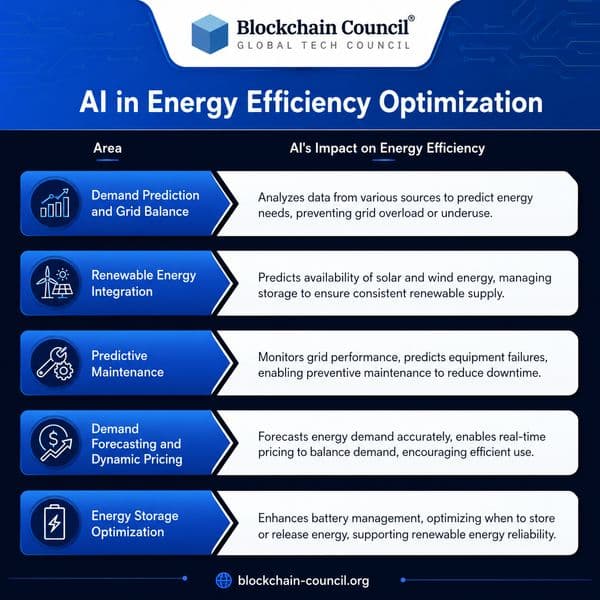
Infographics
AI in Energy Efficiency Optimization
AI improves energy efficiency by optimizing power usage, automating energy systems, and enhancing sustainability across industries and infrastructure.
Infographics
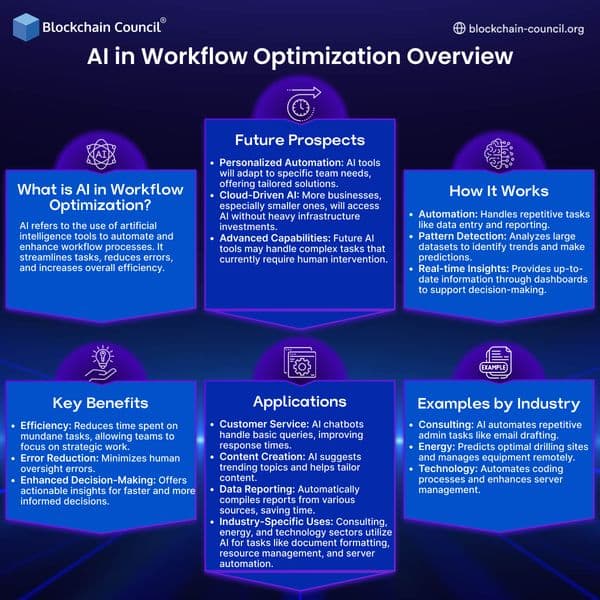
AI and Workflow Optimization Overview
AI in workflow optimization streamlines processes, reduces manual work, and improves efficiency across business operations.
Infographics
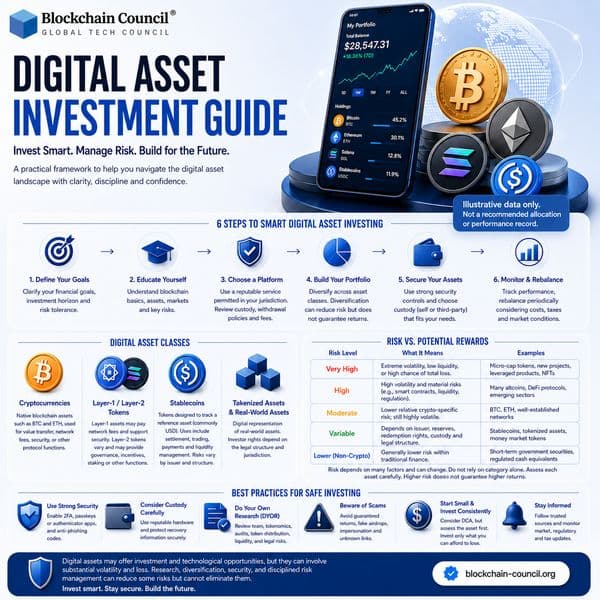
Digital Asset Investment Guide: Build a Smarter Strategy for the Future of Finance
Digital asset investing has become a key part of the modern financial landscape, offering opportunities in cryptocurrencies, tokenized assets, NFTs, and blockchain-based investments. Whether you're a beginner or an experienced investor, understanding market fundamentals, diversification, security, and risk management is essential for building a successful digital asset portfolio. This guide explores the core concepts, investment strategies, and best practices for navigating the digital asset market.
Trending Articles

Top 5 DeFi Platforms
Explore the leading decentralized finance platforms and what makes each one unique in the evolving DeFi landscape.
How Blockchain Secures AI Data
Understand how blockchain technology is being applied to protect the integrity and security of AI training data.
Claude AI Tools for Productivity
Discover Claude AI tools for productivity to streamline tasks, manage workflows, and improve efficiency.