

The Future of Work: How to Land Remote Blockchain Jobs
 Toshendra Kumar Sharma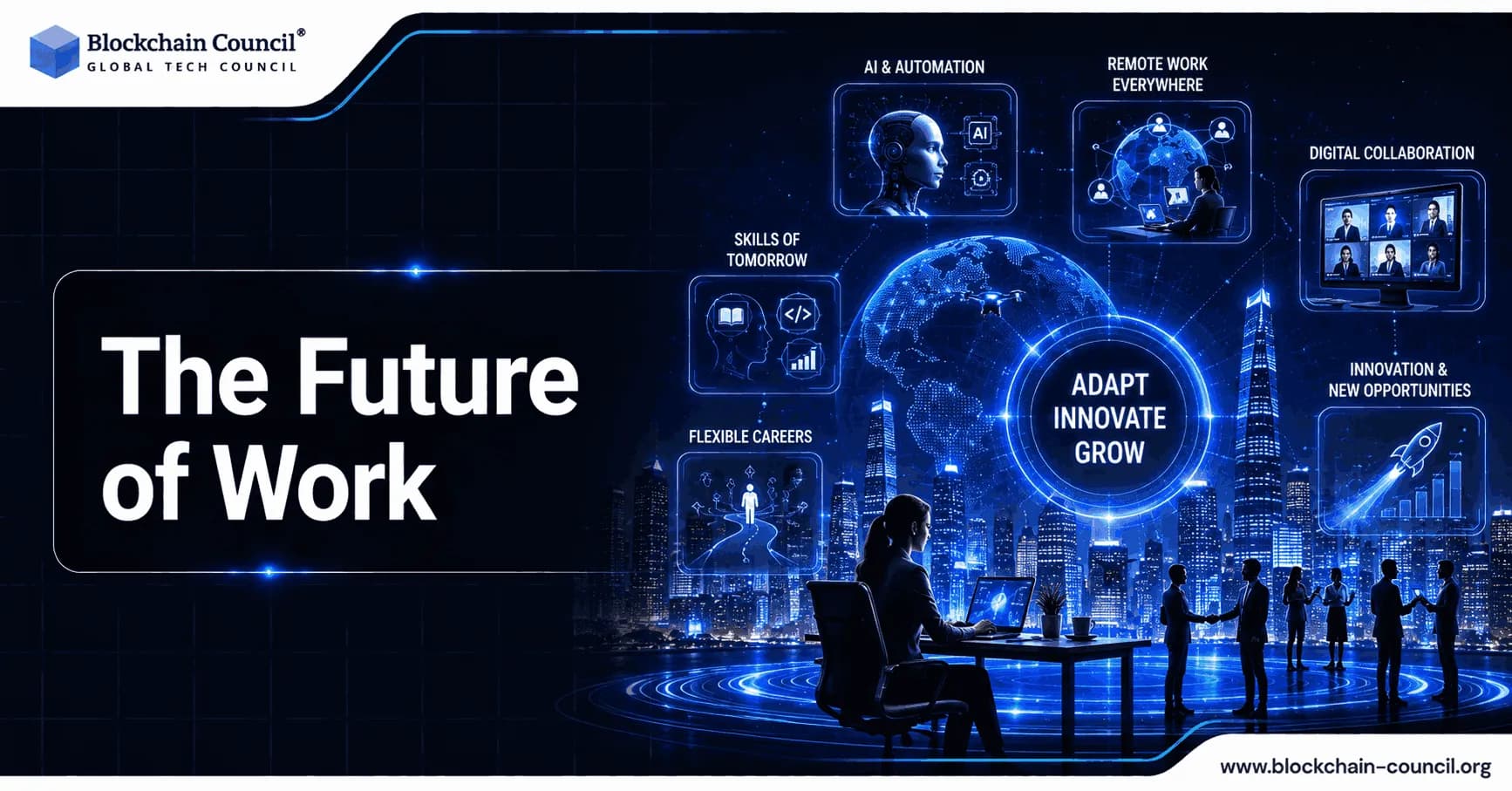
The future of work is becoming increasingly digital, and blockchain is one of the technologies creating new career opportunities beyond traditional office environments. Blockchain companies, Web3 startups, fintech businesses, software firms, and decentralised organisations can work with talent across different countries and time zones, making remote employment an important part of the blockchain career landscape.
For professionals who want to enter this industry, building specialised knowledge is essential. A Certified Blockchain Expert credential can help learners develop a structured understanding of blockchain concepts, applications, and use cases while preparing for roles that can potentially be performed remotely.

Remote blockchain jobs are not limited to developers. Opportunities can exist in smart contract development, blockchain architecture, cybersecurity, product management, research, business analysis, marketing, community management, and project management. The key is to develop relevant skills and demonstrate that you can work effectively in a distributed environment.
Why Remote Blockchain Jobs Are Growing
Blockchain is naturally suited to digital collaboration because much of the work involves software, online platforms, digital assets, documentation, and globally distributed communities.
Many blockchain organisations operate across geographic boundaries. Developers may collaborate with colleagues in several countries, while community managers and marketers may communicate with users around the world.
Remote blockchain employment can offer several advantages:
Access to international companies
Flexible working arrangements
Opportunities beyond the local job market
Exposure to global blockchain communities
Collaboration with professionals from different countries
Potential access to specialised roles
However, remote work also requires strong communication, self-management, time management, and technical collaboration skills.
What Remote Blockchain Jobs Are Available?
Blockchain offers a wide variety of remote career opportunities. The right position depends on your education, technical ability, professional experience, and interests.
Remote Blockchain Developer
Blockchain developers build and maintain applications that use distributed ledger technology. They may work on smart contracts, decentralised applications, wallets, blockchain integrations, and backend infrastructure.
Common requirements include programming experience, blockchain fundamentals, version control, testing, and knowledge of relevant development frameworks.
Remote Smart Contract Developer
Smart contract developers create blockchain programs that automatically execute predefined conditions.
Solidity is commonly associated with Ethereum-based smart contract development, although the required technologies depend on the blockchain ecosystem.
Security is especially important in this role because poorly designed smart contracts can introduce serious vulnerabilities.
Remote Web3 Developer
Web3 developers create applications that interact with decentralised networks.
Their work may combine frontend development, backend engineering, smart contracts, wallets, blockchain APIs, and decentralised protocols.
Remote Blockchain Security Specialist
Security specialists analyse blockchain applications and infrastructure for vulnerabilities.
Their responsibilities can include smart contract auditing, security testing, threat modelling, code review, wallet security, and incident response.
Remote Blockchain Business Analyst
Business analysts investigate business problems and determine how blockchain technology could potentially provide solutions.
This role can suit professionals with backgrounds in business, finance, consulting, technology, or operations.
Remote Blockchain Product Manager
Product managers oversee blockchain products from planning through development and launch.
They may coordinate developers, designers, researchers, marketers, compliance teams, and business stakeholders.
Strong communication and organisational skills are particularly important for remote product management.
Remote Blockchain Researcher
Blockchain researchers study protocols, markets, technology developments, applications, and industry trends.
Research roles can be suitable for candidates who enjoy analysis, technical writing, data interpretation, and emerging technology.
Remote Blockchain Marketing Specialist
Blockchain companies need marketers who can explain complex technologies to users and businesses.
Remote marketing roles can include content creation, SEO, social media, community engagement, email marketing, partnerships, and brand strategy.
Skills You Need for Remote Blockchain Jobs
Getting a remote blockchain position requires more than knowing what blockchain is. Employers need evidence that candidates can perform specific tasks and collaborate effectively.
Blockchain Knowledge
A strong foundation should include:
Blockchain architecture
Distributed ledgers
Consensus mechanisms
Smart contracts
Cryptography fundamentals
Digital wallets
Tokens
Decentralised applications
Blockchain security
Web3 concepts
Understanding the technology also helps candidates communicate more effectively with technical and non-technical colleagues.
Programming Skills
For development roles, useful programming languages can include:
Solidity
JavaScript
TypeScript
Python
Go
Rust
Java
You do not need to master every programming language. Focus on the languages and technologies relevant to the specific blockchain career you want to pursue.
Cybersecurity Skills
Blockchain applications can involve digital assets and sensitive information, making security knowledge highly valuable.
Developers should understand secure coding, smart contract vulnerabilities, authentication, access control, encryption, and private key management.
Communication Skills
Remote teams rely heavily on written and digital communication.
You should be comfortable with:
Writing clear messages
Documenting technical work
Participating in video meetings
Explaining problems
Giving project updates
Asking questions
Collaborating across time zones
Good communication can distinguish a strong remote candidate from someone who only has technical knowledge.
How a Blockchain Certification Can Help Your Remote Career
Professional education can help candidates structure their learning and demonstrate specialised knowledge.
A Certified Blockchain Developer program can be relevant for professionals who want to strengthen their blockchain development knowledge and build capabilities around blockchain applications and smart contracts.
However, certification should support practical experience rather than replace it. Employers may also look for coding projects, professional experience, GitHub contributions, technical documentation, and evidence of problem-solving.
How to Build a Remote-Ready Blockchain Portfolio
A strong portfolio can be particularly valuable when applying for remote positions because employers may need evidence of your capabilities before inviting you to an interview.
Create Practical Projects
Build projects that demonstrate the skills required for your target role.
Examples include:
A decentralised application
A smart contract
A tokenisation project
A blockchain voting system
A digital credential platform
A Web3 application
A blockchain API integration
Document Your Work
Do not simply upload code.
Explain:
What problem the project solves
Which technologies you used
How the system works
What challenges you encountered
How you addressed security
What you would improve
Clear documentation demonstrates both technical and communication skills.
Maintain a Professional GitHub Profile
Developers should keep their repositories organised and provide useful README files.
A recruiter should be able to understand your project without spending significant time figuring out how it works.
How to Find Remote Blockchain Jobs
Finding the right remote role requires a focused job search strategy.
Use Targeted Job Titles
Instead of searching only for "blockchain jobs," look for specific positions such as:
Remote Blockchain Developer
Web3 Developer
Blockchain Engineer
Blockchain Security Engineer
Blockchain Product Manager
Blockchain Business Analyst
Web3 Researcher
Blockchain Content Specialist
Web3 Community Manager
Specific searches can help you find opportunities that match your actual skills.
Research the Company
Before applying, investigate the organisation, its products, blockchain ecosystem, leadership, business model, and job requirements.
This is particularly important in the blockchain sector because projects can differ significantly in terms of technology, business model, and regulatory environment.
Network With Blockchain Professionals
Networking can help you learn about opportunities before they reach conventional job boards.
You can participate in:
Blockchain conferences
Developer communities
Online technology groups
Hackathons
Web3 events
Open-source projects
Professional communities
Networking should focus on building genuine professional relationships rather than simply asking people for jobs.
How to Stand Out in a Remote Blockchain Job Application
Remote employers often receive applications from candidates located in different countries.
Your application should quickly communicate your skills and value.
Customise Your Resume
Highlight skills directly related to the position.
For a blockchain developer role, emphasise programming, smart contracts, blockchain projects, security, APIs, and software engineering.
For a marketing position, highlight SEO, content strategy, community building, analytics, and blockchain industry knowledge.
Show Results
Whenever possible, describe measurable outcomes.
Instead of simply saying that you managed a community, explain the size of the community, engagement improvements, campaigns launched, or other meaningful results.
Include Your Portfolio
Provide relevant project examples that demonstrate practical capabilities.
A portfolio can be especially useful for fresh graduates and career changers who do not yet have extensive professional blockchain experience.
Remote Blockchain Work Across Different Time Zones
Global blockchain teams frequently work across multiple time zones.
This creates flexibility but also requires careful planning.
Professionals should learn how to:
Manage asynchronous communication
Organise tasks independently
Document decisions
Schedule meetings appropriately
Provide regular progress updates
Respect different working schedules
Asynchronous work is particularly important when teams cannot meet simultaneously every day.
Future-Ready Skills
As technology becomes increasingly important across industries, students need opportunities to develop future-ready skills early in their education. A Tech Olympiad can introduce students to areas such as artificial intelligence, coding, cybersecurity, robotics, and computational thinking while encouraging curiosity and continuous learning.
Developing these skills early can help students build logical thinking, creativity, problem-solving ability, and technological awareness. These capabilities can later support careers in blockchain, artificial intelligence, software development, cybersecurity, fintech, and other emerging technology fields.
Building a Remote Blockchain Career Without Experience
Freshers and career changers may wonder whether they can obtain remote blockchain jobs without previous blockchain employment.
The answer is yes, but competition can be significant.
Start by using your existing skills as an entry point.
A software developer can transition into blockchain development. A cybersecurity professional can specialise in smart contract security. A finance graduate can explore blockchain research or digital assets. A content writer can move into blockchain content marketing.
Build practical projects and learn the terminology used within your target industry.
Internships, freelance assignments, open-source contributions, and project-based work can also help create initial experience.
Technology Skills That Improve Remote Employability
Blockchain rarely operates independently from other technologies.
Modern blockchain projects can involve cloud computing, artificial intelligence, cybersecurity, databases, APIs, data analytics, and conventional software development.
Developing broader technical knowledge can therefore increase career flexibility.
Professionals who want to expand their understanding of technology beyond blockchain can explore Tech Certification programs relevant to their preferred career direction.
The objective should be to create a complementary skill set rather than collecting unrelated credentials.
Remote Blockchain Career Growth
A remote blockchain job can become the starting point for several long-term career paths.
A junior blockchain developer may progress into a senior engineer, technical lead, blockchain architect, or engineering manager.
A smart contract developer can specialise in protocol engineering or blockchain security.
A business analyst can move toward product management or blockchain consulting.
A marketing professional can progress into Web3 growth, community leadership, brand strategy, or business development.
Continuous learning is important because blockchain technology changes quickly.
Common Challenges of Remote Blockchain Jobs
Remote blockchain employment also has potential challenges.
High Competition
Remote positions can attract applicants from around the world, increasing competition.
Time Zone Differences
Working with international teams may require occasional meetings outside traditional working hours.
Limited Direct Supervision
Remote professionals need to manage their own schedules and remain accountable for deadlines.
Rapid Technology Changes
Blockchain tools, protocols, regulations, and business models can evolve quickly.
Project Stability
The blockchain industry includes startups and experimental projects. Candidates should research an employer carefully before accepting an offer.
How to Build a Long-Term Remote Blockchain Career
A successful remote blockchain career requires more than obtaining your first job.
Continue developing technical expertise, follow industry developments, improve communication skills, and maintain a professional network.
Keep your portfolio updated and document significant projects.
You should also remain open to related technology roles. Blockchain skills can transfer into software engineering, fintech, cybersecurity, cloud computing, product management, and technology consulting.
This flexibility can help professionals navigate changes in the blockchain employment market.
Blockchain Marketing and Business Careers
Blockchain businesses require professionals who understand how to communicate technology to customers, investors, communities, and business partners.
Marketing professionals can work remotely on content strategy, SEO, social media, community management, digital campaigns, partnerships, and brand development.
For professionals who want to strengthen their business and marketing capabilities, a Marketing Certification can complement blockchain knowledge and support career development in Web3 marketing, technology communications, community growth, and digital strategy.
Conclusion
The future of work is creating more opportunities for professionals to build careers without being tied to a traditional office. Blockchain is particularly compatible with remote work because many of its roles involve digital products, software development, online communities, and globally distributed teams.
To land a remote blockchain job, focus on a specific career path, develop relevant technical or business skills, build practical projects, create a strong portfolio, and demonstrate that you can communicate and collaborate effectively online.
Whether you want to become a blockchain developer, smart contract specialist, security professional, product manager, researcher, business analyst, or marketing specialist, blockchain can offer multiple career directions.
The most competitive candidates will be those who combine specialised blockchain knowledge with broader technology or business capabilities and continue developing their skills as the industry evolves.
Frequently Asked Questions
1. What are remote blockchain jobs?
Remote blockchain jobs are positions that allow professionals to work outside a company's physical office while contributing to blockchain, Web3, smart contracts, DeFi, digital assets, or related projects. Roles can include developers, designers, analysts, marketers, product managers, researchers, and community professionals.
2. Can freshers get remote blockchain jobs?
Yes. Freshers can find remote opportunities through internships, junior positions, freelance projects, and entry-level Web3 roles. Building practical blockchain projects and demonstrating relevant skills can help candidates compete even without extensive professional experience.
3. Which blockchain jobs can be done remotely?
Many blockchain roles can be performed remotely, including:
Blockchain Developer
Smart Contract Developer
Web3 Developer
Blockchain Security Engineer
Blockchain Researcher
Blockchain Analyst
Product Manager
UI/UX Designer
Content Writer
Community Manager
Digital Marketing Specialist
Business Development Associate
The suitability of remote work depends on the employer and responsibilities.
4. What skills are needed for remote blockchain jobs?
Technical candidates can benefit from Solidity, Ethereum, JavaScript, TypeScript, Rust, Go, smart contracts, APIs, Git, blockchain security, and distributed systems. Non-technical candidates can develop skills in research, content, marketing, community management, product, finance, and business development.
5. Is Solidity required for remote blockchain jobs?
Not for every role. Solidity is important for smart-contract and Ethereum/EVM development, but remote blockchain companies also hire professionals in marketing, product, research, design, compliance, operations, and other areas.
6. Where can I find remote blockchain jobs?
Candidates can search specialized platforms such as Web3.Career, CryptoJobsList, Wellfound, LinkedIn, Indeed, and company career pages. Using filters such as "remote," "worldwide," or specific regions can help narrow the results.
7. Are remote blockchain jobs available worldwide?
Yes. Blockchain companies often operate across multiple countries and time zones. However, some positions have restrictions based on employment laws, tax requirements, geographic availability, data regulations, or company policies.
8. How much do remote blockchain developers earn?
Compensation varies significantly based on experience, technical specialization, employer, location, and whether the position is salaried or contract-based. Senior blockchain engineers and specialized Web3 developers can command substantially higher compensation than entry-level professionals.
9. Can I work remotely for an international blockchain company?
Potentially, yes. Many blockchain organizations use distributed teams. However, candidates should check whether the employer supports hiring in their country and understand the applicable contract, taxation, payment, and employment requirements.
10. What should I include in a remote blockchain job resume?
A strong resume should highlight blockchain technologies, relevant programming languages, projects, GitHub repositories, smart-contract deployments, Web3 applications, internships, certifications, and measurable achievements.
For remote positions, also emphasize communication, collaboration, documentation, and experience working independently.
11. Is a blockchain certification useful for getting remote jobs?
A blockchain certification can demonstrate structured knowledge, particularly for beginners. However, certification should complement practical projects, technical skills, relevant experience, and a strong portfolio rather than replace them.
12. How important is GitHub for remote blockchain developers?
GitHub can be highly valuable because it gives employers an opportunity to review code, projects, documentation, contributions, and development practices. A well-organized portfolio can help remote candidates demonstrate skills before an interview.
13. How can I build a blockchain portfolio with no experience?
Start with practical projects such as:
ERC-20 token
NFT marketplace
DAO voting application
DeFi lending prototype
Token vesting contract
Blockchain explorer
Simple Web3 application
RWA tokenization prototype
Document what you built, explain the architecture, and publish the code where appropriate.
14. Are remote blockchain jobs good for career growth?
They can be. Remote blockchain positions may expose professionals to international teams, emerging technologies, decentralized applications, digital assets, and cross-border projects. Career growth ultimately depends on the role, company, mentorship, responsibilities, and skills developed.
15. What are the benefits of remote blockchain jobs?
Major benefits can include:
Flexible work arrangements
Access to international employers
Reduced commuting
Exposure to global teams
Opportunities to work on emerging technologies
Broader career options
Potential location flexibility
The actual benefits vary by employer.
16. What challenges come with remote blockchain jobs?
Common challenges include time-zone differences, communication gaps, limited mentorship, cybersecurity concerns, isolation, inconsistent schedules, and differences in employment regulations. Strong documentation and communication habits can help remote teams work effectively.
17. How can I prepare for a remote blockchain interview?
Prepare for both technical and behavioral questions. Developers should review blockchain architecture, consensus mechanisms, Ethereum, Solidity, smart contracts, gas fees, security, wallets, and Web3 development.
Also prepare examples showing how you communicate, solve problems independently, manage deadlines, and collaborate remotely.
18. Are remote blockchain jobs available for non-technical professionals?
Yes. Blockchain companies need professionals in content marketing, SEO, social media, community management, sales, business development, compliance, research, finance, customer success, and operations. Understanding blockchain fundamentals can help non-technical candidates compete for these positions.
19. How can I avoid scams when applying for remote blockchain jobs?
Be cautious about employers requesting upfront payments, wallet seed phrases, private keys, sensitive financial information, or cryptocurrency transfers as a condition of employment. Verify the company's official website, job posting, team members, and communication channels before sharing personal information.
20. What is the future of remote blockchain jobs?
Remote work is likely to remain important across blockchain and Web3 because many projects operate with globally distributed teams and digital-first infrastructure. Emerging areas such as RWA tokenization, DeFi, stablecoins, blockchain security, AI, digital assets, and decentralized infrastructure could create additional remote career opportunities.
Related Articles
View All
Info
10 Years of Future Skills: How Blockchain Council Certifications Helped Professionals Pivot Into Emerging Tech Careers
Explore how Blockchain Council certifications enabled career pivots into blockchain, AI, Web3, and crypto over 10 years, plus what future skills matter next.
Info
How Spinbet NZ Is Bringing Blockchain into Faster and More Transparent Casino Play
One platform that shows how those benefits can work for casino payments is Spinbet NZ. Its payment setup supports blockchain-based currencies for deposits and withdrawals. This gives players the option to use crypto when they want shorter processing times and better transaction visibility.
Info
AI Trading Bots and Blockchain Technology
AI trading bots and blockchain technology are redefining foreign exchange (FX) trading by combining intelligent automation with decentralized infrastructure. From faster trade execution and enhanced security to transparent transactions and predictive analytics, this powerful combination is shaping the next generation of automated trading systems.
Trending Articles
The Role of Blockchain in Ethical AI Development
How blockchain technology is being used to promote transparency and accountability in artificial intelligence systems.

Top 5 DeFi Platforms
Explore the leading decentralized finance platforms and what makes each one unique in the evolving DeFi landscape.
What is AWS? A Beginner's Guide to Cloud Computing
Everything you need to know about Amazon Web Services, cloud computing fundamentals, and career opportunities.