

Research & Knowledge Hub
5,000+ research articles, technical guides, and in-depth analyses authored by council members and industry experts.
Articles - Page 6
5,000 articles

Quantum Computing Explained for Beginners: Qubits, Gates, and Real-World Uses
Quantum computing explained for beginners: learn qubits, gates, circuits, real-world uses, market outlook, and what skills professionals should build next.

How Does Quantum Computing Work? Key Concepts Explained Simply
A simple, practical guide to how quantum computing works, including qubits, superposition, entanglement, error correction, use cases, and skills.

What Is a Quantum Computer and How Is It Different from a Classical Computer?
A clear guide to what a quantum computer is, how it differs from classical computing, and why it matters for cybersecurity, blockchain, and deeptech.

What Is Quantum Computing? A Beginner-Friendly Guide for 2026
Learn what quantum computing is, how qubits work, where the technology is used today, and why it matters for cybersecurity, AI, blockchain, and enterprise IT.

What Is Strawberry Browser? The Self-Driving Browser Explained
Strawberry Browser is an agentic browser with built-in AI companions that can navigate websites, work across tabs, automate repetitive tasks, extract data, and complete multi-step web workflows.

Oracle Job Cuts: Key Lessons for Tech Professionals in the AI Era
Oracle job cuts reveal how AI spending can reshape tech careers. Learn which roles are exposed, which skills matter, and how to reduce layoff risk.

Oracle Layoffs 2026: What 6 AM Job Cut Emails Mean for Cloud and AI Tech Workers
Oracle layoffs 2026 show how AI data center spending, automation, and centralized HR processes are changing risk for cloud and AI tech workers.

How Recursive Self-Improvement Could Accelerate AI Innovation
Recursive self-improvement can speed AI innovation through bounded loops that refine prompts, code, data, and evaluations, but safety controls are essential.
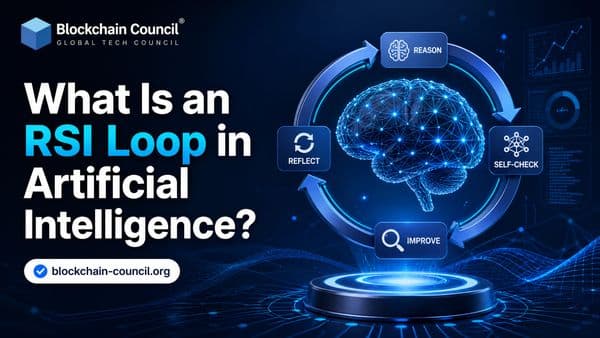
What Is an RSI Loop in Artificial Intelligence?
Learn what an RSI loop in artificial intelligence means, how recursive self-improvement works, and why verification and governance matter.

Could Recursive Self-Improvement Lead to Superintelligent AI?
Recursive self-improvement could lead to superintelligent AI, but today's systems remain bounded by human goals, evaluation, compute, and governance.
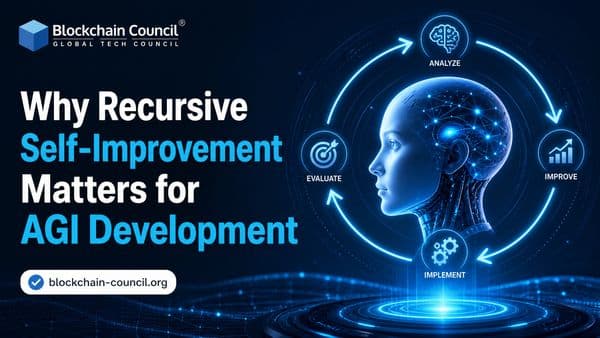
Why Recursive Self-Improvement Matters for AGI Development
Recursive self-improvement could shape AGI by accelerating capability growth, changing safety risks, and forcing new governance for self-updating AI systems.
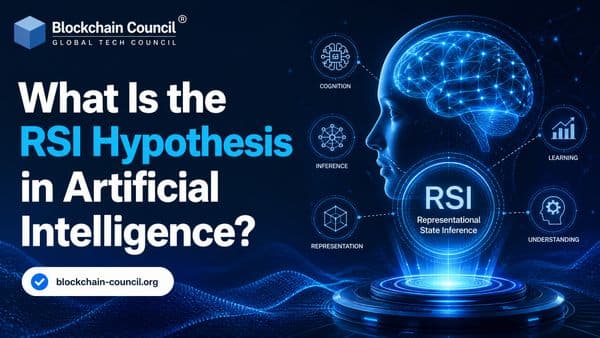
What Is the RSI Hypothesis in Artificial Intelligence?
Learn what the RSI hypothesis in artificial intelligence means, how recursive self-improvement works, why it matters for AI safety, and what is real today.