

Nft marketplace UAE how to start
 Suyash Raizada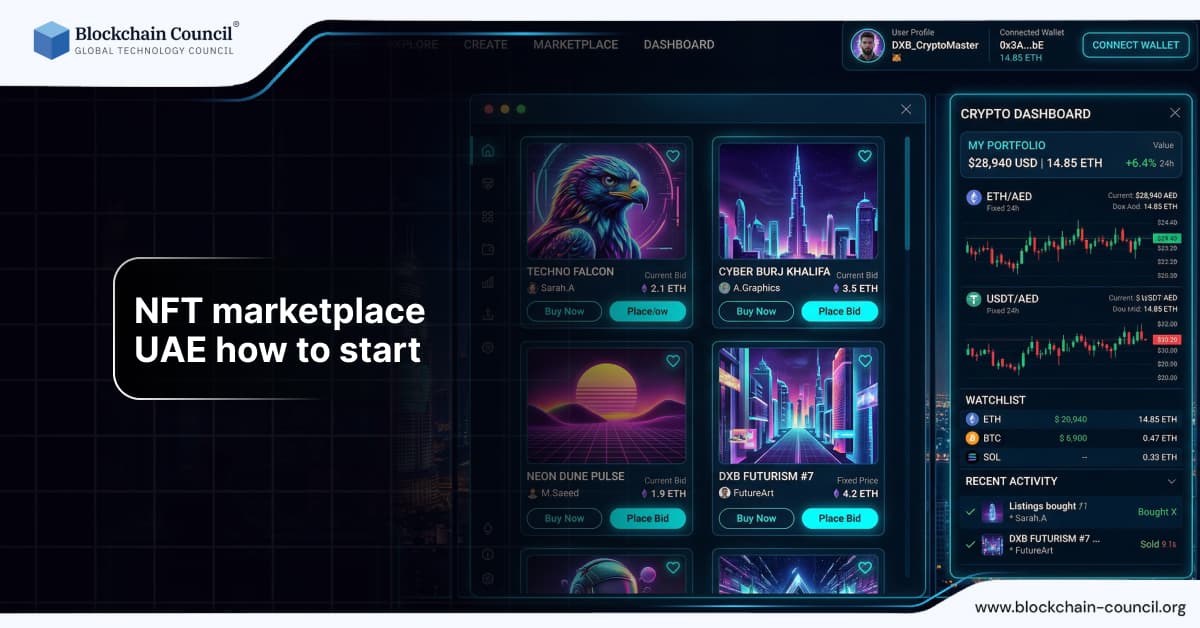
How to start an NFT marketplace in the UAE is a practical question for founders and enterprises looking to operate in a jurisdiction known for structured virtual asset oversight. The UAE, especially Dubai, has built formal pathways for virtual asset businesses through regulators such as Dubai's Virtual Assets Regulatory Authority (VARA) and Abu Dhabi's ADGM framework. For NFT marketplaces, the key is aligning your business model, licensing path, and technology choices with what is permitted, then executing a go-to-market plan that prioritizes trust, compliance, and partnerships.
Why the UAE is Attractive for NFT Marketplaces
The UAE has established itself as a global hub for virtual assets by developing clear regulatory frameworks and enabling dedicated jurisdictions and free zones that support digital asset companies. In Dubai, VARA serves as the dedicated authority regulating virtual assets across the Emirate. In Abu Dhabi, ADGM provides a fintech-oriented environment with defined rules and licensing practices that have supported virtual asset operators.

From an operator perspective, the appeal is straightforward:
Regulatory clarity relative to many markets, with defined requirements for documentation, compliance, and supervision.
Ecosystem density in free zones and business communities that actively support Web3, fintech, media, and gaming.
Credibility benefits that come from communicating that your marketplace is licensed and adheres to AML and consumer protection standards.
Launch an NFT marketplace in the UAE by mastering token standards, smart contracts, and compliance as an NFT Expert, building backend systems using a Python Course, and scaling user acquisition through a Digital marketing course.
Licensing Overview: What an NFT Marketplace is Allowed to Do
A common mistake is assuming that all NFT activity is treated the same as crypto exchange activity. In Dubai, recent guidance has included an NFT eMarketplace Provider Licence in select jurisdictions for platforms that facilitate the buying and selling of third-party unique digital assets such as art, music, gaming items, videos, and avatars, typically earning commissions. This activity has been described as commercial and non-regulated in scope, but it still comes with conditions and minimum share capital requirements.
Key operational restrictions apply:
Do not operate as a crypto exchange or offer trading of crypto-commodities or cryptocurrencies if your license scope does not permit it.
Avoid NFTs linked to regulated products or securities, such as tokenized instruments that fall under securities frameworks.
Do not combine incompatible licensed activities if the license explicitly restricts mixing with other virtual asset services.
Because requirements can change and vary by jurisdiction, you should validate current interpretations directly with the relevant authority and your chosen free zone.
Choosing the Right Jurisdiction in the UAE
Jurisdiction selection influences cost, setup speed, office requirements, banking access, and the regulator you will work with. Common options include:
DMCC (Dubai Multi Commodities Centre): Known for a strong business ecosystem and a large community of tech and commodities-linked firms. Often considered for companies seeking a mature free zone environment.
DAFZA (Dubai Airport Freezone): Attractive for businesses that value logistics connectivity and proximity to the airport ecosystem.
ADGM (Abu Dhabi Global Market): Fintech-oriented with a track record of virtual asset oversight and structured licensing pathways.
IFZA: Often considered cost-effective for startups, depending on business needs and activity fit.
Some founders start with an initial free zone company setup, typically under IT, software, or consulting activity, then pursue the regulated approvals relevant to their final operating model. This approach can be useful when you need to hire, lease space, and begin product development while preparing regulatory submissions.
Step-by-Step: NFT Marketplace Licensing Process
While exact steps vary by authority, a practical five-step process applies across most UAE virtual asset licensing plans:
Choose your jurisdiction and activity scope
Define what you will and will not do. A commission-based NFT marketplace that facilitates third-party NFT sales is meaningfully different from a platform offering crypto trading, derivatives, or custody services.
Prepare a business plan and white paper
Regulators and free zones typically expect a clear explanation of:
Product features and transaction flows
Revenue model (commissions, listing fees)
Security controls and incident response
AML/CFT approach and customer verification
Market analysis, forecasts, and operational plan
Open a corporate bank account and demonstrate capital
Many setups reference an initial deposit of at least USD 100,000, with the ability to demonstrate operational runway, often described as around six months of operating capacity. Expect KYC and AML screening and longer timelines than standard SME banking.
Compile documentation
Common documents include passports, ownership structure details, AML/CFT policies, office lease documents, proof of capital, and your business plan and white paper. Your package should match the authority requirements for your jurisdiction, particularly if VARA or ADGM-related approvals apply.
Submit the application and budget for fees
Businesses should plan for a USD 25,000 to USD 50,000 non-refundable application fee and an ongoing USD 50,000 annual supervision fee, depending on the specific activity and authority. Timelines vary, and the review phase can require multiple rounds of clarification.
Costs and Tax Considerations to Plan For
Corporate tax: A 9% corporate tax applies on profits above AED 375,000 for businesses outside qualifying free zone conditions.
Office and substance requirements: Some jurisdictions require physical office space and evidence of operational substance.
Professional fees: Legal, compliance, and audit support costs are often significant for virtual asset businesses.
If you are a freelancer or creator, note that certain media licenses may enable NFT creation and selling activity, but they typically do not cover operating a full marketplace that facilitates third-party trading.
Recommended Tech Stack for an NFT Marketplace in the UAE
Regulators generally do not mandate a specific NFT marketplace tech stack, but they expect secure architecture, documented controls, and compliance-ready processes. A modern stack typically includes:
Blockchain and NFT Standards
Ethereum with ERC-721 and ERC-1155 for broad compatibility and mature tooling.
Polygon for lower transaction fees and strong EVM compatibility.
Solana for high-throughput marketplaces, using Rust-based programs.
Smart Contracts and Security
Solidity for EVM chains, with audited contract templates and role-based access control.
Security practices such as multisig admin keys, timelocks for critical upgrades, and formal third-party audits before launch.
Frontend, Backend, and Data
Frontend: React.js or Next.js for a performant marketplace UI.
Backend: Node.js with a modular API layer to manage listings, indexing, notifications, and risk checks.
Indexing: Event indexing via managed services or open-source indexers for on-chain events and marketplace analytics.
Storage and Metadata
IPFS for decentralized storage of images and metadata, optionally with a pinning provider.
Redundancy strategies for availability, including backups and content monitoring.
Wallets, Payments, and Compliance Tooling
Wallet connections: MetaMask and WalletConnect.
KYC and AML: Integrate a verification provider and implement AML screening aligned with your policies, particularly if you are handling fiat on-ramps or higher-risk transaction patterns.
Oracles: Chainlink can support pricing references or off-chain signals when needed, depending on your platform design.
Ensure your product design does not unintentionally become a crypto trading venue if your licensing scope covers only an NFT marketplace. Listing and trading tokens that are not unique digital assets, or offering exchange-like order books for fungible assets, can create regulatory conflict.
Go-to-Market Strategy for the UAE and Beyond
Go-to-market success in the UAE typically depends on credibility, partnerships, and a focused niche. Consider the following plan:
1) Define a Narrow Initial Category and Buyer Persona
Digital art and collectibles for regional creators
Music and media assets for studios and labels
Gaming items and avatars for Web3 game communities
Start with one category where you can build supply and community attention, then expand.
2) Launch an MVP After Licensing Alignment
Build a minimal feature set that supports compliant operations:
Creator onboarding and collection verification
Royalties and commission logic
Basic moderation, takedowns, and dispute handling
Security monitoring and fraud prevention
3) Leverage Local Ecosystems and Events
Dubai hosts frequent tech and Web3 events. Use them to build partnerships with:
Free zone communities such as DMCC
Galleries, brands, and gaming studios
Payment providers and compliance partners
In enterprise deals, lead with your compliance posture and operational controls, not just product features.
4) Monetize Cleanly and Transparently
Primary revenue: commission on trades
Optional: curated drops, featured listings, and B2B storefront tooling
Avoid revenue models that depend on activities your license does not cover, such as exchange spreads on crypto-commodities or leveraged trading.
Build and grow NFT platforms with secure infrastructure and monetization strategies by mastering blockchain through a Blockchain Course, enhancing analytics via a machine learning course, and promoting collections using an AI powered marketing course.
Skills and Team Readiness
Executing effectively requires a cross-functional team spanning compliance, security, smart contract engineering, and growth. For structured learning and internal upskilling, consider Blockchain Council programs such as:
Certified NFT Expert certification for NFT fundamentals, use cases, and marketplace concepts
Blockchain Developer certification paths for smart contracts, token standards, and Web3 architecture
Certified Cryptocurrency Expert for broader virtual asset knowledge relevant to risk and compliance awareness
Conclusion: A Practical Checklist to Start an NFT Marketplace in the UAE
Starting an NFT marketplace in the UAE comes down to three execution tracks that must stay aligned: licensing scope, platform architecture, and go-to-market focus. Choose the right jurisdiction, document your model clearly, budget for capital and supervision costs, and build a marketplace stack that supports secure minting, trading, and compliance-grade controls.
Treating regulatory alignment and security as product features rather than afterthoughts positions your platform to launch with stronger trust in a market that is actively shaping the future of virtual assets through structured oversight.
FAQs
1. What is an NFT marketplace and how does it work?
An NFT marketplace is a platform where users can buy, sell, and trade digital assets stored on blockchain. It connects creators with buyers globally. Transactions are recorded securely on the blockchain.
2. Is it legal to start an NFT marketplace in the UAE?
Yes, starting an NFT marketplace is legal in the UAE, but it must comply with local regulations. Businesses may require licenses depending on their structure. Regulatory frameworks are evolving to support digital assets.
3. What are the basic steps to start an NFT marketplace?
The process includes choosing a business model, selecting a blockchain, and developing the platform. You also need to ensure compliance with legal requirements. Marketing and user acquisition are crucial for growth.
4. What technology is required to build an NFT marketplace?
Technologies include blockchain platforms like Ethereum and smart contracts. Frontend and backend development are also required. Security systems are essential to protect user data.
5. Do I need coding skills to create an NFT marketplace?
Yes, technical knowledge is helpful for development. However, you can hire developers or use ready-made solutions. This makes it accessible for non-technical founders.
6. What blockchain should I choose for my marketplace?
Ethereum is the most popular choice, but other blockchains are also available. The choice depends on fees, scalability, and user base. Each blockchain has its advantages.
7. How do NFT marketplaces make money?
They generate revenue through transaction fees and listing charges. Some platforms also offer premium services. Monetization depends on the business model.
8. What are smart contracts in NFT marketplaces?
Smart contracts automate transactions and enforce rules on the blockchain. They eliminate the need for intermediaries. This ensures secure and transparent operations.
9. How can I attract users to my NFT marketplace?
Marketing strategies include social media promotion and community building. Collaborating with creators also helps attract users. Providing a seamless user experience is important.
10. Are NFT marketplaces secure?
Security depends on the platform’s implementation. Strong encryption and audits are necessary. Regular updates help prevent vulnerabilities.
11. What are gas fees in NFT marketplaces?
Gas fees are transaction costs required for blockchain operations. They vary depending on network demand. These fees impact user experience.
12. Can I create a niche NFT marketplace?
Yes, niche marketplaces focus on specific categories like art or gaming. This helps target a specific audience. It can improve engagement and growth.
13. What licenses are required in the UAE?
Licensing requirements depend on the business model and location. You may need a digital asset or fintech-related license. Consulting legal experts is recommended.
14. How long does it take to build an NFT marketplace?
Development time can range from a few months to a year. It depends on features and complexity. Proper planning ensures smooth execution.
15. What challenges are involved in starting an NFT marketplace?
Challenges include regulatory compliance, security, and competition. Market volatility can also impact success. Continuous innovation is required.
16. Can NFT marketplaces support multiple blockchains?
Yes, multi-chain marketplaces are becoming popular. They offer flexibility to users. This improves accessibility and scalability.
17. What is user onboarding in NFT marketplaces?
User onboarding involves registration and wallet integration. It should be simple and user-friendly. A smooth process improves retention.
18. How do I ensure trust in my marketplace?
Transparency, security, and clear policies build trust. Verified creators and reviews also help. Trust is key for long-term success.
19. Can businesses use NFT marketplaces for branding?
Yes, NFTs are used for marketing and brand engagement. Companies create digital assets to connect with audiences. This enhances brand visibility.
20. What is the future of NFT marketplaces in the UAE?
The UAE is becoming a hub for digital assets and Web3 innovation. NFT marketplaces are expected to grow significantly. Regulatory support will drive adoption.
Related Articles
View All
NFT
NFT Marketplace
What is an NFT Marketplace? An NFT marketplace is an online platform where users can discover, buy, sell, and trade Non-Fungible Tokens. These tokens represent ownership of unique digital assets, such as digital art, music, virtual real estate, collectibles, and more. Unlike cryptocurrencies like…

NFT
IOST Launches Innovative NFT Marketplace with Unique Reward System To Welcome Artists
The official partner of IOST Foundation, the EMOGI Team announced the mega launch of their revolutionary new marketplace named Revival. They have announced the launch of this marketplace in a blog post dated July 20, 2021. The team stated that the Revival Marketplace is geared towards artists to…
NFT
How to create nft and sell on opensea
Learn how to create and sell NFTs on OpenSea with a step-by-step guide for beginners and digital creators.
Trending Articles
The Role of Blockchain in Ethical AI Development
How blockchain technology is being used to promote transparency and accountability in artificial intelligence systems.
Claude AI Tools for Productivity
Discover Claude AI tools for productivity to streamline tasks, manage workflows, and improve efficiency.
Blockchain in Supply Chain Provenance Tracking
Supply chains are under pressure to prove not just efficiency, but also authenticity, sustainability, and fairness. Customers want to know if their coffee really is fair trade, if the diamonds are con