

Types of Dark Stablecoins Explained
 Michael Willson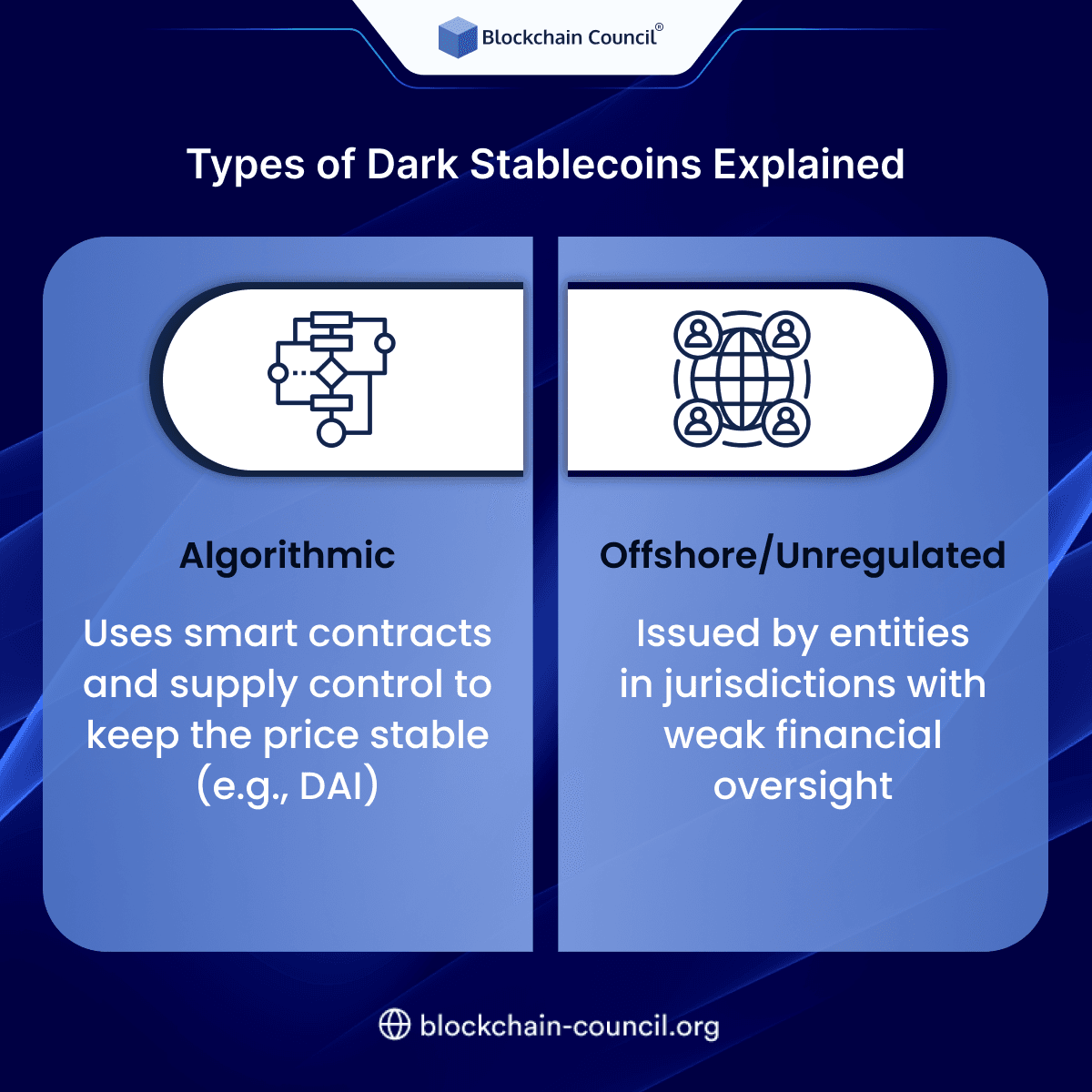
Dark stablecoins are emerging as privacy-focused alternatives in the crypto ecosystem.
Understanding different types of stablecoins is essential for navigating modern crypto ecosystems-build your expertise with a Cryptocurrency Expert, analyze market patterns using a Python Course, and explore real-world use cases through an AI powered marketing course.

Algorithmic Stablecoins
Use smart contracts
Control supply dynamically
Example: DAI
Offshore/Unregulated Stablecoins
Issued in low-regulation regions
Minimal oversight
Higher risk
Key Insight
Dark stablecoins prioritize privacy and decentralization over regulation.
Risks
Regulatory uncertainty
Potential misuse
Lack of transparency
Opportunities
Financial privacy
Decentralized finance growth
Innovation in digital assets
Final Thoughts
Dark stablecoins are reshaping the future of decentralized finance.
To identify risks and opportunities in emerging stablecoin models, combine financial knowledge with data-driven insights through a Cryptocurrency Expert, strengthen analysis via a machine learning course, and understand user behavior through a Digital marketing course.
FAQs
What are dark stablecoins?
Privacy-focused stablecoins designed to hide transaction details.How are they different from regular stablecoins?
They emphasize anonymity rather than transparency.Why are they called “dark”?
Because transactions are hard to trace on public blockchains.Examples?
Privacy-enhanced tokens built on confidential blockchain layers.How do they maintain stability?
Usually pegged to fiat currencies like USD.Are they legal?
Legality varies by country; many regulators are cautious.Use cases?
Private transactions, sensitive payments, and anonymity.Technology behind them?
Zero-knowledge proofs and encryption.Risks?
Potential misuse in illicit activities.Are they traceable?
Very difficult compared to traditional crypto.Difference from privacy coins?
Stable value vs volatile privacy coins.Who uses them?
Privacy-conscious users and institutions.Regulatory concerns?
AML and KYC compliance issues.Are they centralized?
Some are, others are decentralized.Can governments ban them?
Yes, depending on policy.Impact on crypto ecosystem?
Adds privacy but raises compliance challenges.Future outlook?
Likely stricter regulations ahead.Security concerns?
Smart contract vulnerabilities.Are they widely adopted?
Still niche but growing.Should you invest?
Depends on risk tolerance and regulation awareness.
Related Articles
View All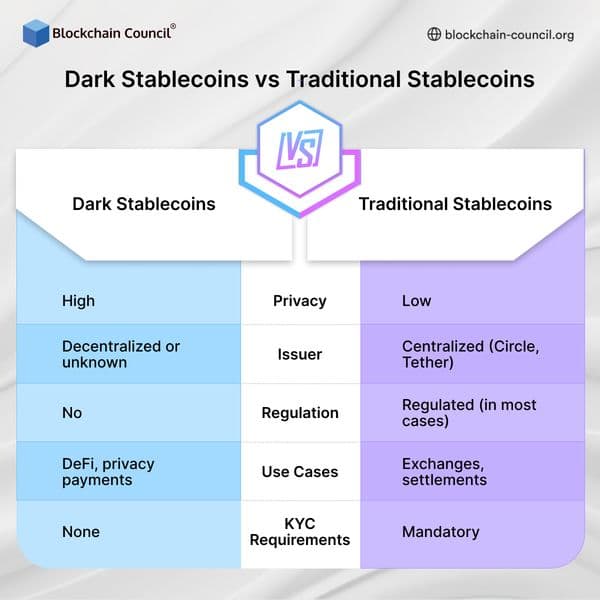
Infographics
Dark Stablecoins vs Traditional Stablecoins
Compare dark stablecoins vs traditional stablecoins, including differences in privacy, regulation, transparency, and use cases. Learn how each type impacts the evolving crypto and DeFi ecosystem.
Infographics
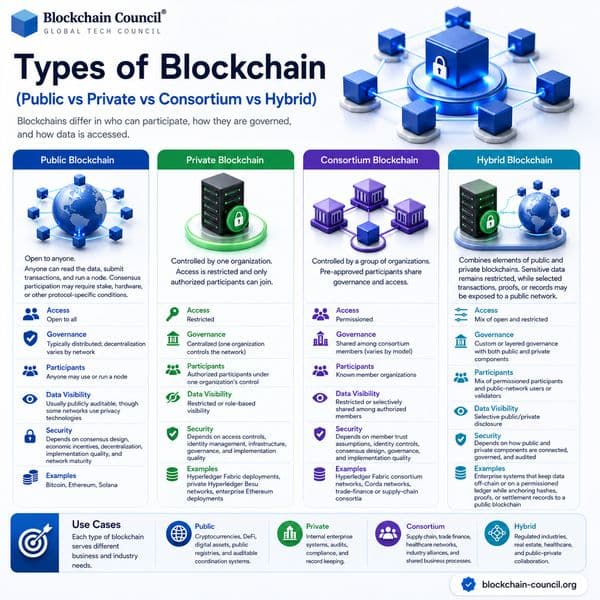
Types of Blockchain
Blockchain networks come in different forms, each designed to meet specific business and technical requirements. From fully decentralized public blockchains to permissioned private and consortium networks, understanding the different types of blockchain helps organizations choose the right solution for security, scalability, governance, and performance.
Infographics
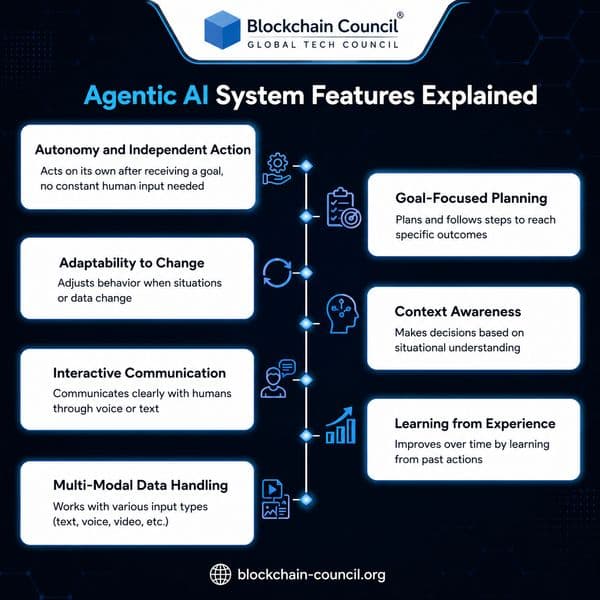
Agent AI System Features Explained
Explore the key features of Agentic AI systems including autonomy, planning, memory, reasoning, adaptive learning, and multi-agent collaboration.
Trending Articles
AWS Career Roadmap
A step-by-step guide to building a successful career in Amazon Web Services cloud computing.
How Blockchain Secures AI Data
Understand how blockchain technology is being applied to protect the integrity and security of AI training data.
Claude AI Tools for Productivity
Discover Claude AI tools for productivity to streamline tasks, manage workflows, and improve efficiency.