

Humanizer AI

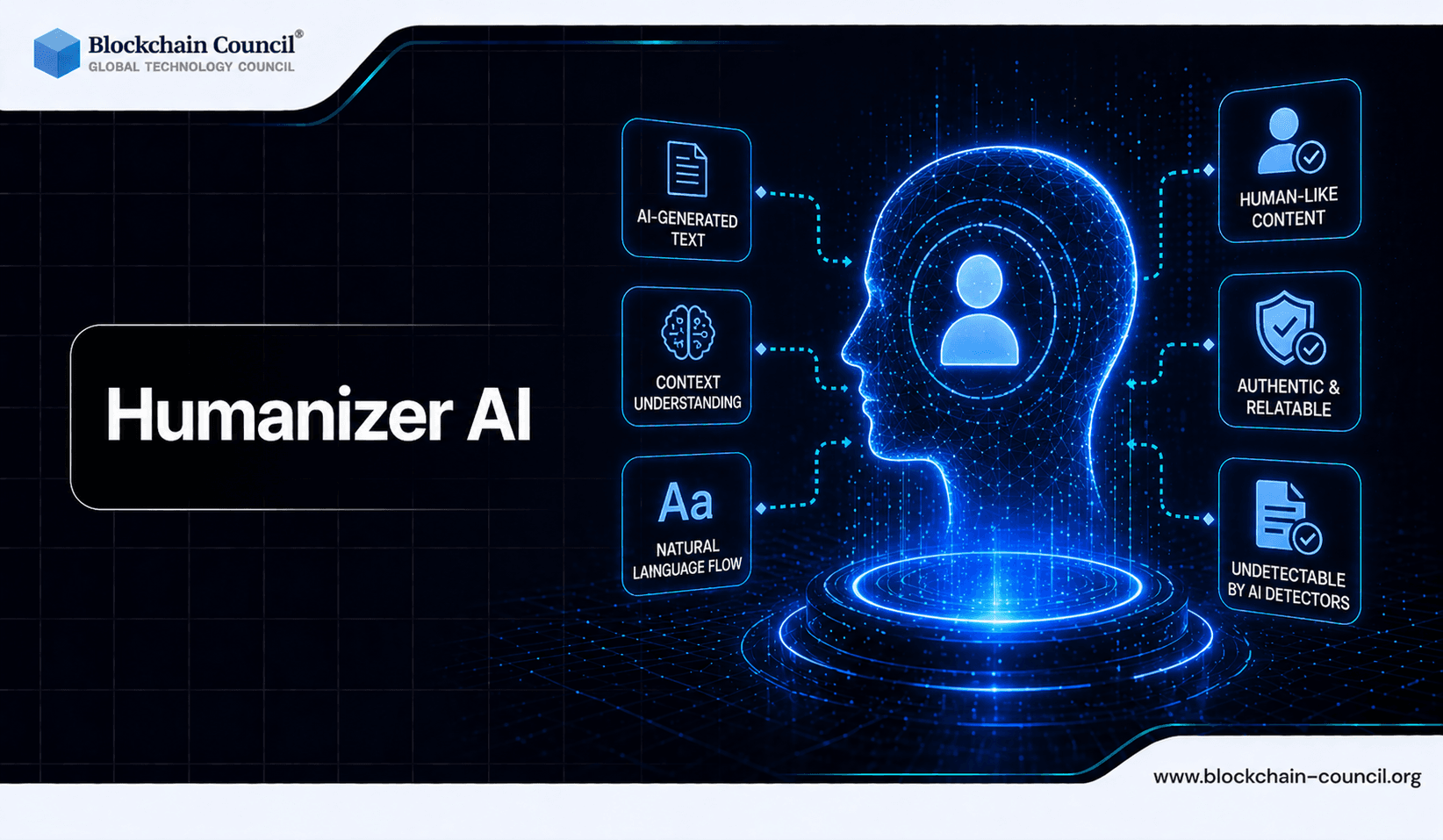
Artificial intelligence has changed how we create content. Writers, marketers, and entrepreneurs now use AI tools every day. However, one major challenge remains. AI-generated text often sounds mechanical and impersonal. This is exactly where humanizer AI technology steps in to solve the problem.
Moreover, as AI detection tools become more advanced, the need for natural-sounding content grows stronger. Therefore, understanding how humanizer AI works is essential for anyone who creates content professionally.

What Is Humanizer AI?
Simply put, humanizer AI refers to a set of tools and techniques that transform robotic, AI-generated text into natural, human-like writing. Furthermore, these tools restructure sentence patterns, vary word choices, and adjust tone to closely match human expression.
Additionally, humanizer AI processes text by analyzing linguistic patterns that machines typically produce. After that, it rewrites the content to reflect how real people naturally communicate. As a result, the final output reads authentically and engages readers more effectively.
Why Does AI-Generated Text Need Humanization?
AI writing tools generate text at remarkable speed. Nevertheless, this speed often comes at the cost of naturalness. Consequently, readers and detection systems can easily identify machine-generated content.
Common Problems With Raw AI Text
First, AI text tends to repeat sentence structures. Second, it often overuses certain transition phrases. Third, it lacks the subtle imperfections and personality that define human writing. Furthermore, raw AI content frequently scores poorly on readability and engagement metrics.
Because of these issues, content creators increasingly rely on humanizer AI solutions to polish their work. In addition, professional credibility depends on producing content that resonates authentically with target audiences.
How Humanizer AI Technology Works
Understanding the mechanics behind humanizer AI helps you use it more effectively. Essentially, these systems use natural language processing combined with machine learning models trained on human-written text.
Step-by-Step Process
Initially, the tool analyzes the input text for patterns typical of AI generation. Then, it identifies repetitive structures, unnatural phrasing, and overly formal language. Subsequently, the system rewrites sentences using varied syntax and vocabulary. Finally, it applies tone adjustments to match the intended audience and purpose.
Therefore, the output sounds as though a skilled human writer crafted it from scratch. Notably, advanced humanizer AI tools also preserve the original meaning while improving readability and flow.
Key Benefits of Using Humanizer AI
There are several strong reasons why professionals across industries adopt humanizer AI tools as part of their content workflow.
1. Bypasses AI Detection Tools
First and foremost, humanized content performs better against AI detection software. As a result, writers can publish AI-assisted content without triggering plagiarism or authenticity concerns.
2. Improves Reader Engagement
Additionally, humanized text connects with readers on a deeper level. Since the content flows naturally, audiences stay engaged longer. Therefore, bounce rates drop and time-on-page metrics improve significantly.
3. Saves Time Without Sacrificing Quality
Furthermore, humanizer AI allows content teams to scale production efficiently. Writers can generate large volumes of draft content and humanize them quickly. Consequently, teams meet tight deadlines while maintaining high quality standards.
4. Enhances SEO Performance
Search engines reward content that reads naturally and provides genuine value. Moreover, humanized content tends to include more varied vocabulary and sentence structures. Thus, it performs better in search rankings over time.
Who Should Use Humanizer AI Tools?
A wide range of professionals benefit directly from humanizer AI capabilities. In particular, these tools suit anyone who creates content regularly using AI assistance.
Freelance writers use them to meet client expectations for natural-sounding deliverables. Similarly, marketing professionals rely on them to produce persuasive copy that resonates with consumers. Furthermore, entrepreneurs and small business owners use these tools to maintain a consistent brand voice across all communications.
For those looking to deepen their expertise, an AI Expert Certification provides a strong foundation in understanding AI systems holistically. In addition, professionals concerned with responsible AI use can benefit from an AI Security Certification to understand risk management in AI-driven workflows.
Humanizer AI in Digital Marketing
Digital marketing relies heavily on content that persuades and converts. Consequently, the role of humanizer AI in this field has grown tremendously. Marketers use it to create email campaigns, social media posts, landing page copy, and blog articles that feel personally crafted.
Moreover, consistent brand voice becomes easier to maintain when humanized text aligns with established tone guidelines. Therefore, marketing teams achieve greater consistency across channels. Additionally, marketers who understand both AI tools and human behavior gain a significant competitive advantage.
Those interested in mastering this intersection can explore a Python certification to understand the programming foundations that power AI content tools. Likewise, an AI powered marketing course equips marketers with cutting-edge skills to combine AI efficiency with human creativity effectively.
Best Practices for Using Humanizer AI Effectively
To get the best results from humanizer AI tools, follow these proven practices consistently.
Start With Clear AI Drafts
First, ensure your initial AI-generated draft is well-structured and coherent. Because humanizer tools work best with organized input, a clean draft produces better humanized output.
Review After Humanization
Always review the humanized content before publishing. Although these tools are highly capable, human oversight ensures accuracy and alignment with your brand voice. Therefore, treat humanized output as a strong draft rather than a finished product.
Combine With Original Insights
Furthermore, insert personal observations, data points, or unique perspectives into humanized content. Consequently, the final piece becomes truly original and adds genuine value to your audience.
Test Across Audiences
Finally, test humanized content with different audience segments. Since tone and language preferences vary across demographics, continuous testing helps you refine your humanization approach over time.
The Future of Humanizer AI
The evolution of humanizer AI technology is accelerating rapidly. As language models become more sophisticated, humanization tools will grow even more precise. Moreover, they will likely incorporate emotional intelligence to match tone with context more accurately.
Additionally, integration with real-time content platforms will make humanization seamless and instantaneous. Therefore, content creators of the future will enjoy greater speed without compromising the human quality of their output.
Furthermore, as ethical AI usage standards develop globally, humanizer AI tools will play a key role in responsible content creation. Consequently, professionals who master these tools early will lead the next generation of digital communication.
Conclusion
In summary, humanizer AI represents a critical bridge between the efficiency of artificial intelligence and the authenticity of human expression. Moreover, it empowers content creators, marketers, and entrepreneurs to produce high-quality, engaging content at scale.
Therefore, investing time in understanding and applying humanizer AI tools is not optional anymore. It is, in fact, a core professional skill for anyone working in the modern content landscape. As a result, those who embrace this technology thoughtfully will consistently outperform those who rely solely on raw AI output.
FAQs
1. What is humanizer AI?
Humanizer AI refers to tools and techniques that convert AI-generated text into natural, human-like writing by adjusting tone, structure, and vocabulary.
2. Why is humanizer AI important for content creators?
It helps creators produce content that reads naturally, avoids AI detection, and engages audiences more effectively than raw AI output.
3. How does humanizer AI detect machine-generated text patterns?
It uses natural language processing models trained on human writing to identify repetitive structures, unnatural phrasing, and mechanical tone in AI-generated content.
4. Can humanizer AI completely replace human editing?
No, it cannot fully replace human editing. It works best as a powerful assistant that reduces editing time while still requiring human review for accuracy and brand alignment.
5. Is humanizer AI useful for SEO?
Yes, humanized content uses varied vocabulary and natural sentence structure, which search engines reward with higher rankings and better visibility.
6. Does humanizer AI work for all types of content?
It works effectively for blog posts, emails, social media captions, marketing copy, and academic drafts, among other content types.
7. How accurate is humanizer AI in preserving original meaning?
Advanced humanizer AI tools are designed to maintain the original message while improving readability and naturalness throughout the text.
8. What industries benefit most from humanizer AI?
Digital marketing, e-commerce, publishing, education, and customer service industries benefit most from humanizer AI technology.
9. Is humanizer AI ethical to use?
Yes, using it ethically means disclosing AI assistance when required and ensuring all humanized content is accurate, original, and adds genuine value.
10. How does humanizer AI improve engagement metrics?
Naturally written content keeps readers engaged longer, reduces bounce rates, and increases time-on-page, all of which improve overall engagement metrics.
11. Can beginners use humanizer AI tools easily?
Yes, most humanizer AI tools feature intuitive interfaces that require no technical expertise, making them accessible to beginners and professionals alike.
12. Does humanizer AI work in multiple languages?
Many modern humanizer AI platforms support multiple languages, though their performance may vary depending on the specific language and context.
13. How does humanizer AI differ from standard paraphrasing tools?
Unlike basic paraphrasing tools, humanizer AI specifically targets AI-generated text patterns and applies advanced language modeling to produce truly natural-sounding output.
14. What makes humanizer AI different from grammar checkers?
Grammar checkers fix errors, while humanizer AI restructures entire sentence patterns, adjusts tone, and varies vocabulary to replicate authentic human writing style.
15. Is humanizer AI safe to use for professional documents?
Yes, when combined with thorough human review, humanizer AI produces professional-quality content suitable for business, academic, and marketing purposes.
16. How often should content be humanized?
Every piece of AI-generated content intended for public publication should go through a humanization process to ensure quality and authenticity.
17. Can humanizer AI help with social media marketing?
Absolutely, it produces conversational, engaging social media content that resonates with followers and aligns with platform-specific communication styles.
18. Does humanizer AI guarantee AI detection bypass?
While it significantly reduces AI detection risk, no tool guarantees 100% bypass. Combining humanizer AI with human editing provides the most reliable results.
19. What skills complement humanizer AI expertise?
Skills in natural language processing, content strategy, digital marketing, and prompt engineering complement humanizer AI expertise effectively.
20. How will humanizer AI evolve in the future?
Future humanizer AI tools will incorporate emotional intelligence, real-time integration, and more sophisticated language models to deliver even more natural and contextually appropriate content.
Related Articles
View All
AI & ML
Built to Catch AI Cheating: Rethinking Pre-Employment Assessments with HireValid
Explore how HireValid is rethinking pre-employment assessments with AI-resistant test design, integrity signals, candidate evidence, and human review to address AI-assisted cheating.

AI & ML
AI-Era Hiring Needs AI-Proof Tests: How HireValid Is Redefining Talent Assessment
Explore how HireValid is rethinking talent assessment for the AI era with job-relevant tests, anti-cheating design, integrity signals, and human-reviewed evidence of candidate ability.

AI & ML
Google Launches Gemini 4 Argon: Features and Capabilities
Google has launched Gemini 4 Argon, its flagship AI model for coding, finance, law, cybersecurity and science. Learn its key features, availability, pricing and safety details.
Trending Articles
The Role of Blockchain in Ethical AI Development
How blockchain technology is being used to promote transparency and accountability in artificial intelligence systems.
AWS Career Roadmap
A step-by-step guide to building a successful career in Amazon Web Services cloud computing.

Top 5 DeFi Platforms
Explore the leading decentralized finance platforms and what makes each one unique in the evolving DeFi landscape.