

Security Tokens vs Utility Tokens
 Toshendra Kumar Sharma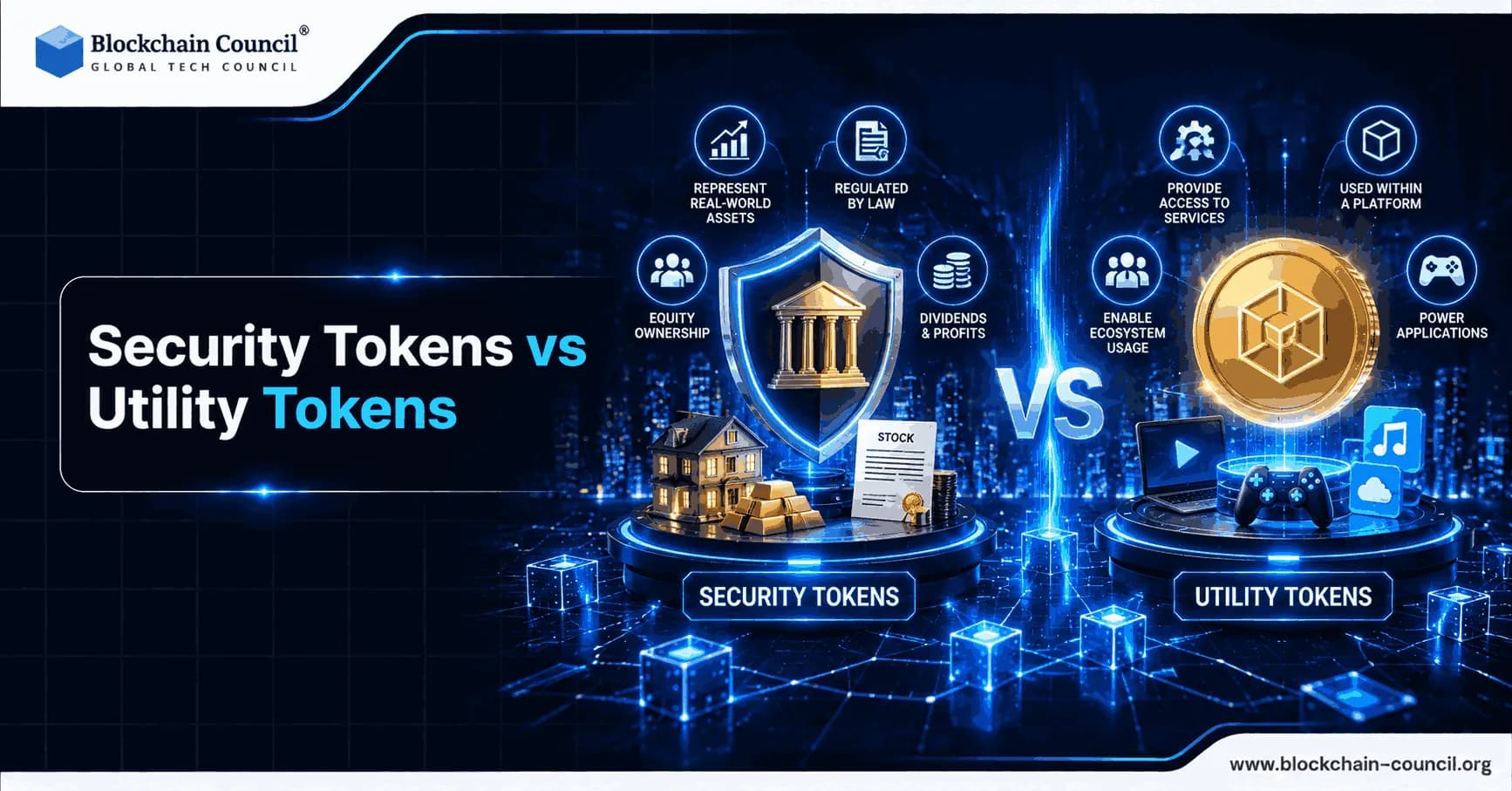
Two tokens can look almost identical on a screen and still be treated very differently by the law. One may be a digital share in a company, while the other may simply unlock a feature in an app. Understanding Security Tokens vs Utility Tokens is one of the most useful things a beginner can learn in crypto, and one of the most important things a founder or investor needs to get right. If you want to build a broader foundation first, the Certified Cryptocurrency Expert program is a good place to start.
This guide explains the difference in plain language, shows how regulators see each type in 2026, and gives you a simple checklist for evaluating a token. It is educational and not legal or financial advice.

Quick Answer: What Is the Difference?
A security token represents an investment, such as ownership, debt, or a share of profits, and is regulated as a security. A utility token gives access to a product, service, or function in a blockchain network and is not meant to be an investment. The table below sums it up.
Feature | Security token | Utility token |
|---|---|---|
Main purpose | Investment and financial rights | Access to a service or function |
What the holder gets | Ownership, income, or claims | Use of an app, network, or feature |
Typical examples | Tokenized shares, bonds, funds | Membership passes, domain names, credentials, network access |
Regulation | Full securities law applies | Often treated as non-securities if truly used for utility |
Marketing risk | Must follow securities rules | Marketing as an investment can change its status |
The line is not always clean, so the details matter.
What Are Security Tokens?
A security token is a digital token that represents a financial instrument. It could stand for a share of a company, a bond, a fund unit, or a claim on future income. The key point is that the underlying instrument is a security, and putting it on a blockchain does not change that.
The US regulators said this directly in 2026. Their joint interpretation treats tokenized equity, debt, and similar instruments as digital securities, and says they remain securities regardless of the technology used to record ownership.
Understanding how these assets are issued, held, and traded is a core skill in the growing tokenization market. Professionals who want a focused route into this area can look at the Certified Digital Assets Expert program, which covers digital assets as a broader category.
Security tokens are growing, though still small compared with traditional markets. Industry data reported in March 2026 showed about $26 billion in tokenized real-world assets, including roughly $11 billion in tokenized US Treasuries, while tokenized stocks were only around $1 billion.
What Are Utility Tokens?
A utility token gives its holder access to something useful inside a network or application. Think of it like an arcade token, a gym pass, or a software license that happens to live on a blockchain. Common examples include tokens that pay for network fees, unlock premium features, represent a membership, or act as a digital credential.
In the 2026 US framework, these assets are called digital tools. They are described as tokens that provide access to blockchain-based services or functionality, are not marketed or used mainly as investments, and do not carry intrinsic economic rights. Examples cited by law firms include domain names on the Ethereum Name Service, membership tokens, and identity badges.
A few warnings apply:
"Utility" is not a magic label. Calling a token a utility token does not protect it if buyers are really expecting profits.
Hybrids exist. Regulators have noted that some tokens, such as fan tokens, can have mixed features.
Governance tokens are tricky. Voting rights can be part of the picture, so each case needs careful review.
How Regulators See Security Tokens vs Utility Tokens in 2026
United States
On March 17, 2026, the SEC and CFTC issued a joint 68-page interpretive release. It sets up a five-part taxonomy:
Digital commodities, such as Bitcoin and Ether, which are not securities.
Digital collectibles, such as art and in-game items, which are not securities.
Digital tools, which cover utility-style tokens, and are not securities.
Payment stablecoins, covered by the GENIUS Act.
Digital securities, which are securities outright.
The release applies the Howey test, the long-standing Supreme Court test for investment contracts, to crypto transactions. It also says a token's status can change over time. A token that began as part of an investment contract can later exit that category when its network becomes genuinely decentralized.
Two important caveats apply. First, this is interpretive guidance, not a new law, and law firms note that a future SEC could issue a different interpretation. Second, Congress has not finished broader market structure legislation. A Senate vote to advance the CLARITY Act failed in September 2026, so many analysts expect that bill to slip to 2027.
European Union
Europe uses a different approach. The Markets in Crypto-Assets rules, known as MiCA, cover crypto-assets that are not already financial instruments. Tokens that qualify as financial instruments, such as tokenized shares or bonds, fall under existing financial markets law instead. In simple terms, a security token goes to the traditional securities rulebook, while many utility tokens are handled under MiCA.
Other Countries
Rules vary widely. Always check local law and speak to a qualified lawyer before issuing or trading tokens.
The Howey Test in Plain English
The Howey test asks whether a transaction is an investment contract. It looks at four ideas:
There is an investment of money.
It is in a common enterprise.
The buyer has a reasonable expectation of profit.
That profit comes from the efforts of others.
For tokens, the way a project talks about its token matters a lot. Law firm summaries of the SEC release note that promises and statements made during a sale are more likely to create expectations of profit when they emphasize price gains or the team's efforts to raise the token's value. A token sold with the message "buy now before the price goes up" looks very different from one sold as "use this to access our service."
The Technology Behind Both Token Types
Both token types usually run on smart contracts, which are small programs on a blockchain. The difference is in the rules built into them.
Utility tokens often use simple standards such as ERC-20, which handle balances and transfers.
Security tokens often add compliance features. Standards such as ERC-1400 and ERC-3643 are designed to restrict transfers to approved investors, enforce lockup periods, and support legal requirements.
Building and running these systems takes more than blockchain knowledge. It involves identity checks, cloud infrastructure, cybersecurity, and links to banks and custodians. That is why many professionals pair token knowledge with a broader Tech Certification, which covers the wider technology stack these platforms depend on.
Side-by-Side: What Matters to Different People
For investors: Security tokens come with legal protections and disclosure rules but may limit who can buy and when you can sell. Utility tokens may trade freely, but they often carry more uncertainty and a higher risk of price swings and scams.
For users: A utility token is about what you can do with it. Check whether the product actually exists and works, not just whether the token has a price.
For founders: A security token requires compliance from day one, including registration or an exemption in most jurisdictions. A utility token needs a real product, a clear explanation of its function, and careful marketing that avoids promising returns.
A Simple Checklist for Evaluating Any Token
Ask these questions before you buy, build, or promote a token:
What does the token actually do? Name a concrete function.
Does it promise income or ownership? If yes, it looks more like a security.
How is it marketed? Talk about price gains is a red flag.
Is the product live? A token with no real use is mostly speculation.
Who controls the project? Heavy reliance on a small team can matter legally.
Where is it sold, and to whom? Rules depend on the country and the buyer.
Is there a legal opinion? Serious projects get professional advice.
Common Mistakes to Avoid
Assuming the word "utility" protects a token from securities law.
Mixing profit promises with product messaging.
Treating guidance as permanent law when rules may change.
Skipping legal advice because competitors seem to do so.
Ignoring the technical side, such as transfer restrictions and security audits.
Judging a token only by its price chart.
What Founders and Marketers Should Know
Clear communication is part of compliance. How you describe a token on your website, in social posts, and in investor decks can affect how regulators see it. Marketing teams should describe functions and features accurately, avoid implied profit promises, and make risk information easy to find. A Marketing Certification can help professionals learn to explain products honestly, build trust, and promote value without crossing legal lines.
Conclusion
Security Tokens vs Utility Tokens comes down to purpose and promise. A security token represents a financial stake and is regulated like any other security, even when it lives on a blockchain. A utility token gives access to a product or service and is not supposed to be an investment, which is how the US now treats digital tools. The boundary can shift based on how a token is sold and whether a network becomes truly decentralized, and rules differ between the United States, Europe, and other regions. When in doubt, look at what the token really does, how it is marketed, and what the law in your country says, and get professional advice before you act.
FAQs
1. What is a security token?
A security token is a crypto asset that represents a financial security or investment-related rights, such as ownership or an interest in an underlying asset. In the United States, tokenized securities remain subject to applicable federal securities laws.
2. What is a utility token?
A utility token is generally designed to provide access to or enable functionality within a blockchain-based product, platform, or ecosystem. Its regulatory status depends on its characteristics and the circumstances surrounding its offer and sale.
3. What is the main difference between security tokens and utility tokens?
The primary difference is their intended economic function and associated rights. Security tokens represent securities or investment interests, while utility tokens are generally designed for access, use, or functionality within a blockchain ecosystem.
4. Do security tokens represent ownership?
They can represent ownership or an economic interest in an underlying asset, company, or financial instrument. The exact rights depend on how the tokenized security is structured and issued.
5. What are utility tokens used for?
Utility tokens can be used to access products or services, pay fees, unlock platform features, or participate in a blockchain ecosystem. Their specific functionality depends on the project's design.
6. Are security tokens regulated?
Security tokens can be subject to securities regulations in the relevant jurisdiction. In the United States, the SEC states that digital securities are securities represented in crypto-asset form and may therefore fall under federal securities laws.
7. Are utility tokens regulated?
A token being called a utility token does not automatically exempt it from securities laws. In the United States, the SEC's 2026 interpretation explains that a crypto asset that is not itself a security can nevertheless become subject to securities laws when offered or sold as part of an investment contract.
8. Can a utility token become a security?
Yes, depending on the circumstances. The legal analysis can consider how the token is offered, the rights attached to it, and whether buyers have a reasonable expectation of profits derived from the managerial efforts of others.
9. What is an example of a security token?
A tokenized representation of a traditional security, such as shares or another financial instrument, can be an example of a security token. The SEC refers to these as digital securities or tokenized securities.
10. What is an example of a utility token?
A token designed to pay for services or provide access to features within a blockchain ecosystem can be considered a utility token. However, whether a particular token receives this classification for legal purposes depends on its specific characteristics and circumstances.
11. How do security tokens differ from utility tokens in terms of value?
The value of a security token can be connected to the underlying financial asset or rights it represents. A utility token's value may instead be influenced by demand for the products, services, or functionality available through its associated ecosystem.
12. Can security tokens provide dividends or other financial rights?
They can, depending on their structure and the rights attached to the underlying security. Tokenized securities may provide economic or voting rights, although those rights can differ from the rights associated with the underlying security.
13. Can utility tokens provide access to a blockchain platform?
Yes. Providing access to a product, service, application, or other functionality is one of the common purposes of utility tokens. The token's actual functionality depends on the design of the specific blockchain ecosystem.
14. Which is more suitable for raising investment capital, security tokens or utility tokens?
Security tokens are specifically structured around securities or investment interests, making them more directly relevant to tokenized capital-market instruments. A utility token is generally designed around use or access rather than representing an ownership interest.
15. What are the benefits of security tokens?
Potential benefits include programmable ownership records, digital transfer mechanisms, fractionalization of certain assets, and integration with blockchain-based infrastructure. Their actual benefits depend on the asset, legal structure, platform, and applicable regulations.
16. What are the benefits of utility tokens?
Utility tokens can provide access to digital services, facilitate payments within an ecosystem, support platform incentives, or enable certain functions of decentralized applications. Their usefulness depends on whether the associated platform provides meaningful functionality.
17. What are the risks of security tokens?
Security tokens can involve regulatory, compliance, liquidity, custody, cybersecurity, and smart-contract risks. Issuers and investors also need to understand the legal rights attached to the token and the underlying asset.
18. What are the risks of utility tokens?
Utility tokens can face price volatility, limited platform adoption, cybersecurity risks, smart-contract vulnerabilities, and regulatory uncertainty. A token's utility does not necessarily guarantee demand or value.
19. Are security tokens and utility tokens the same as cryptocurrencies?
No. Cryptocurrency is a broad term that can describe different types of blockchain-based digital assets. Security tokens and utility tokens describe particular functions or characteristics and can have different legal and economic structures.
20. Which is better: security tokens or utility tokens?
Neither is universally better. Security tokens may be appropriate for representing regulated financial interests, while utility tokens can be suitable for providing functionality within a blockchain ecosystem. The appropriate model depends on the project's objectives, rights, users, technology, and regulatory requirements.
Related Articles
View All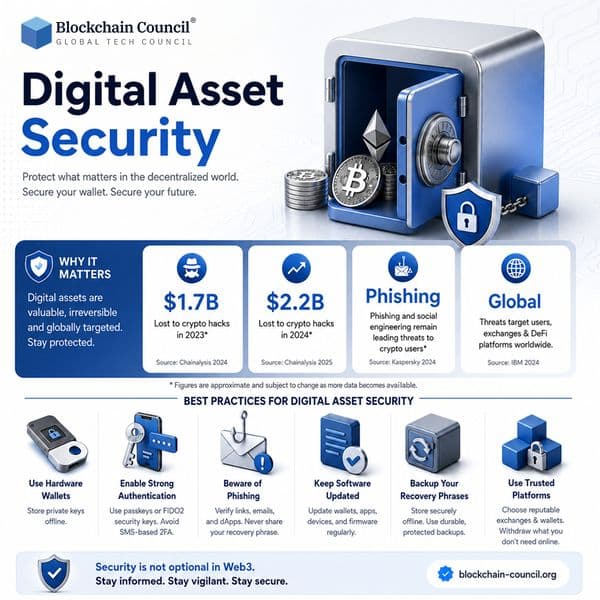
Infographics
Digital Asset Security: Protecting Your Assets in the Decentralized World
As digital assets become increasingly valuable, securing them is more important than ever. From cryptocurrencies and NFTs to tokenized assets, effective security measures such as private key management, multi-factor authentication, hardware wallets, and threat awareness help safeguard investments in the decentralized world. This guide explores essential digital asset security practices, common risks, and strategies for protecting blockchain-based assets.
Infographics
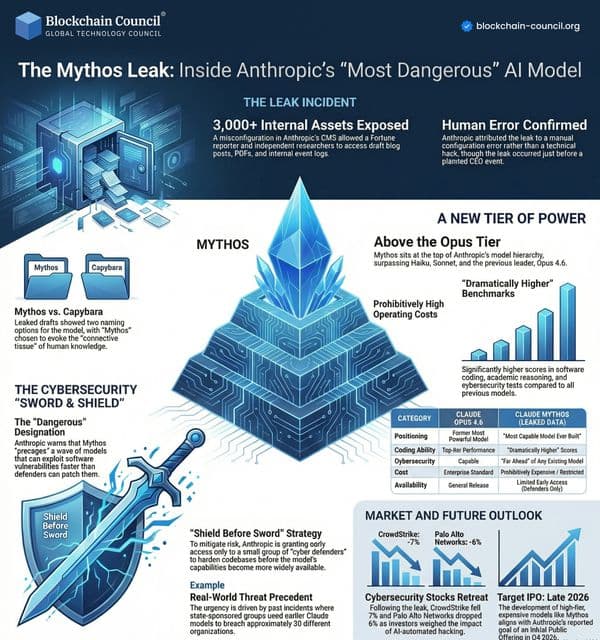
The Mythos Leak: What It Means for AI Security
The Mythos leak highlights critical vulnerabilities in AI systems, raising concerns around data security and model integrity. This article explains what happened, why it matters, and how it could shape the future of AI security.
Infographics
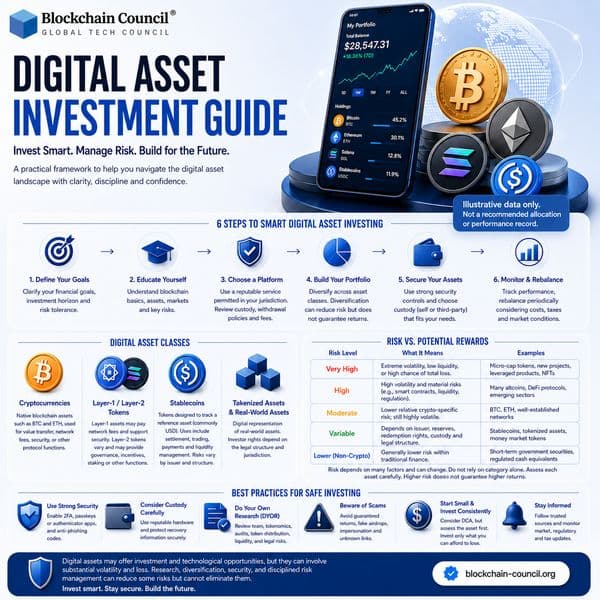
Digital Asset Investment Guide: Build a Smarter Strategy for the Future of Finance
Digital asset investing has become a key part of the modern financial landscape, offering opportunities in cryptocurrencies, tokenized assets, NFTs, and blockchain-based investments. Whether you're a beginner or an experienced investor, understanding market fundamentals, diversification, security, and risk management is essential for building a successful digital asset portfolio. This guide explores the core concepts, investment strategies, and best practices for navigating the digital asset market.
Trending Articles
AWS Career Roadmap
A step-by-step guide to building a successful career in Amazon Web Services cloud computing.
What is AWS? A Beginner's Guide to Cloud Computing
Everything you need to know about Amazon Web Services, cloud computing fundamentals, and career opportunities.
How to Create Claude Skills?
Claude Skills are one of the most important features Anthropic has introduced for users who want automation that is structured, consistent and reusable. Instead of giving Claude long instructions ever