

Medical Assistant Jobs Near Me

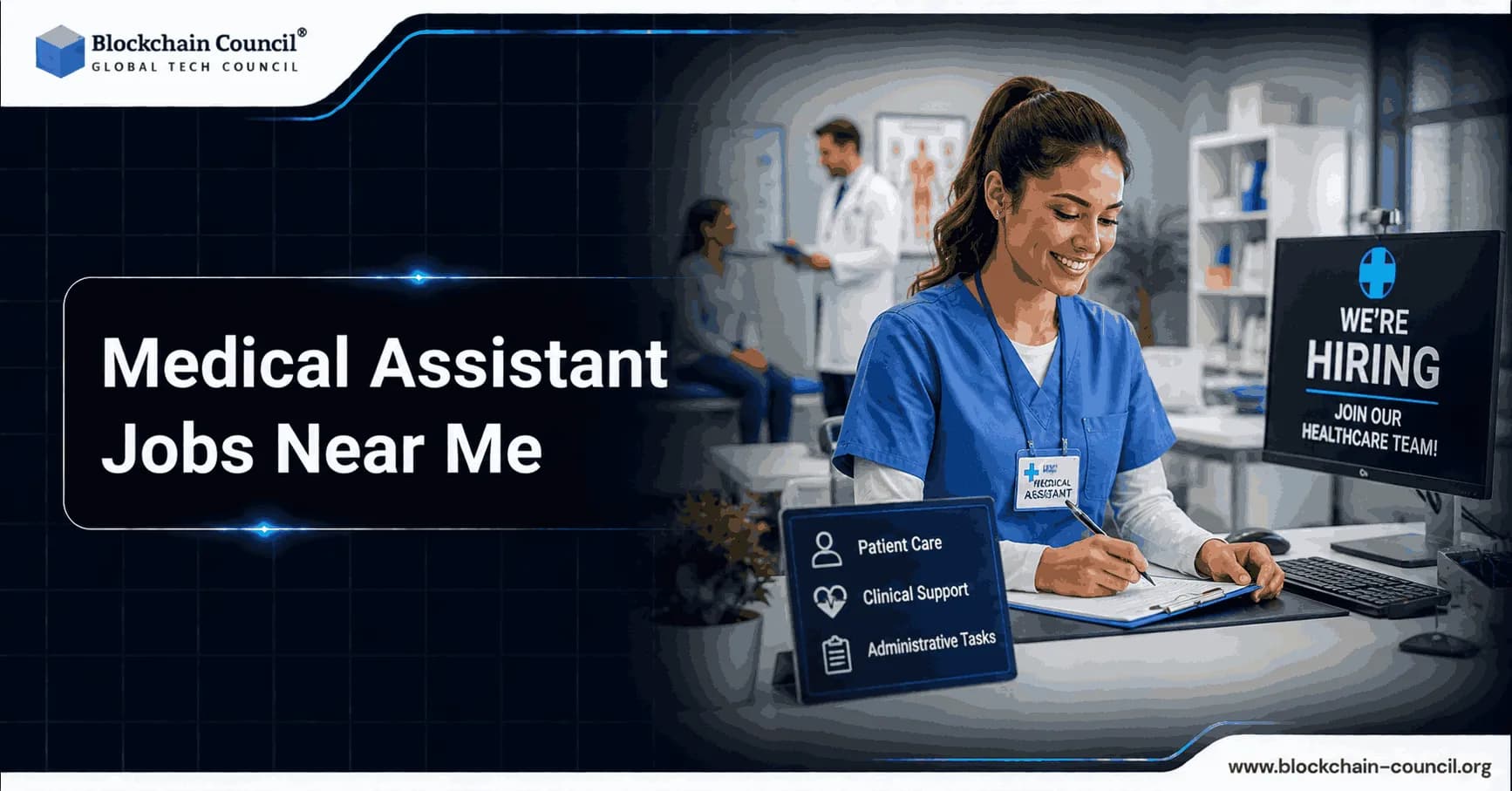
Healthcare never sleeps. Humans keep inventing new ways to damage their backs, ignore symptoms, and Google “why does my elbow feel crunchy at 2 a.m.” before finally visiting a clinic. That’s exactly why medical assistants remain one of the fastest-growing healthcare professions in the United States.
If you have recently searched for “medical assistant jobs near me,” you are not alone. Hospitals, private clinics, urgent care centers, telehealth providers, and specialty practices are actively hiring trained medical assistants to support physicians and improve patient care. The role offers stability, career growth, flexible work environments, and an accessible entry point into healthcare without spending a decade buried under medical school debt and caffeine.

This article explores everything you need to know about medical assistant jobs in 2026, including responsibilities, qualifications, salaries, career opportunities, remote healthcare trends, and how technology and AI are reshaping the profession.
What Is a Medical Assistant?
A medical assistant is a healthcare professional who supports doctors, nurses, and medical office staff in both clinical and administrative tasks. They are often the backbone of clinics and outpatient facilities, handling patient care responsibilities while ensuring healthcare operations run smoothly.
Medical assistants usually work in:
Hospitals
Family practices
Urgent care centers
Pediatric clinics
Dermatology offices
Cardiology clinics
Orthopedic centers
Telehealth companies
Rehabilitation facilities
Their duties can vary depending on the workplace size and specialization.
Key Responsibilities of Medical Assistants
Medical assistants perform a mix of clinical and administrative tasks. Some roles focus more on patient care, while others concentrate on office operations.
Clinical Duties
Common clinical responsibilities include:
Taking patient vital signs
Recording medical histories
Preparing patients for examinations
Assisting physicians during procedures
Administering injections
Collecting laboratory samples
Performing basic diagnostic tests
Explaining medications and treatment instructions
Administrative Duties
Administrative tasks often involve:
Scheduling appointments
Managing patient records
Handling insurance claims
Coordinating billing
Answering patient inquiries
Maintaining electronic health records (EHR)
Healthcare systems today rely heavily on digital tools and AI-driven software. Professionals who understand emerging technologies gain a competitive advantage in hiring. Many healthcare workers are now exploring advanced technical education such as the AI Expert certification to better understand AI-assisted healthcare systems. Strange timeline, honestly. Humans once feared robots replacing jobs, and now clinics want staff who can collaborate with them.
Why Medical Assistant Jobs Are in High Demand
The demand for medical assistants continues to rise due to several important factors.
Aging Population
The growing elderly population requires increased medical care, chronic disease management, and routine health monitoring.
Expansion of Outpatient Care
More procedures are being shifted from hospitals to outpatient clinics and urgent care centers, increasing the need for skilled support staff.
Growth of Telemedicine
Virtual healthcare services expanded significantly after the pandemic and continue to evolve in 2026. Medical assistants now help coordinate virtual visits, manage patient communication, and support remote diagnostics.
Healthcare Workforce Shortages
Many regions face shortages of nurses and healthcare administrators, creating more opportunities for trained medical assistants.
According to labor market projections, medical assistant employment is expected to grow much faster than the average for most occupations over the next decade.
How to Find Medical Assistant Jobs Near You
Searching for local medical assistant jobs requires a strategic approach.
Use Healthcare Job Platforms
Popular websites include:
Indeed
Glassdoor
LinkedIn
ZipRecruiter
Hospital career portals
Search using terms like:
Certified medical assistant jobs near me
Entry-level medical assistant jobs
Urgent care medical assistant positions
Pediatric medical assistant openings
Apply Directly to Local Clinics
Many smaller healthcare practices prefer direct applications through their websites.
Attend Healthcare Career Fairs
Hospitals and healthcare systems frequently organize hiring events to recruit medical assistants quickly.
Build Technical Skills
Modern clinics value employees who understand healthcare technology, automation, and AI-powered administrative systems. Certifications in emerging technologies such as the Agentic AI course can help candidates stand out in digitally transforming healthcare environments.
Because apparently your future coworker might be an AI scheduling assistant named something painfully cheerful like “MediSync Pro.”
Educational Requirements for Medical Assistants
One of the biggest advantages of this career path is that it does not require a four-year degree in most cases.
High School Diploma
Most entry-level positions require at least a high school diploma or GED.
Medical Assistant Training Programs
Many employers prefer candidates who complete accredited medical assistant programs through:
Community colleges
Vocational schools
Technical institutes
Online healthcare academies
Programs usually take between 9 months and 2 years.
Certifications
Popular certifications include:
Certified Medical Assistant (CMA)
Registered Medical Assistant (RMA)
National Certified Medical Assistant (NCMA)
Certification improves job prospects and salary potential.
Skills Required for Medical Assistant Jobs
Medical assistants need both technical and interpersonal skills.
Communication Skills
Healthcare workers interact with patients experiencing stress, fear, or confusion. Clear communication is essential.
Attention to Detail
Mistakes in medication records or scheduling can have serious consequences.
Technical Proficiency
Healthcare is becoming increasingly digitized. Knowledge of AI, electronic records, blockchain systems, and automation tools is valuable.
Professionals seeking broader healthcare technology understanding often explore advanced programs through organizations offering Deeptech certification. Additionally, modern healthcare systems are increasingly integrating blockchain for secure patient data management, making the blockchain & healthcare perfessional certification highly relevant for healthcare professionals looking to future-proof their careers.
Time Management
Medical assistants often juggle multiple responsibilities simultaneously.
Compassion and Empathy
Patients remember kindness. Healthcare may involve machines and systems, but humans still panic when handed paperwork and a clipboard.
Average Salary for Medical Assistants in 2026
Medical assistant salaries vary depending on experience, location, and specialization.
National Average
The average salary for medical assistants in the United States ranges from:
$38,000 to $58,000 annually
High-Paying States
Medical assistants in states like California, Washington, Massachusetts, and New York often earn higher wages due to increased healthcare demand and living costs.
Specialty Clinics
Specialized practices such as cardiology, dermatology, and surgery centers may offer higher salaries than general clinics.
Additional Benefits
Many employers provide:
Health insurance
Retirement plans
Paid vacation
Tuition reimbursement
Flexible scheduling
Best Places to Work as a Medical Assistant
Hospitals
Hospitals offer broad experience and career advancement opportunities.
Urgent Care Centers
Fast-paced environments with flexible shifts.
Pediatric Clinics
Ideal for professionals who enjoy working with children.
Dermatology Practices
Often provide stable schedules and competitive pay.
Telehealth Companies
Remote healthcare continues to expand rapidly.
Some telehealth organizations now integrate AI-driven patient management tools and automated diagnostic support systems. Professionals with technology-focused credentials from organizations offering Tech certification may gain an advantage in digitally advanced healthcare workplaces.
Remote and Hybrid Medical Assistant Jobs
Healthcare is evolving beyond traditional clinic walls.
Virtual Medical Assistants
Remote medical assistants may:
Schedule appointments
Verify insurance
Coordinate telehealth visits
Manage patient communication
Handle digital documentation
AI Integration in Telehealth
AI-powered healthcare platforms are becoming increasingly common. Clinics use AI for:
Appointment automation
Patient symptom analysis
Documentation support
Predictive healthcare analytics
Professionals interested in AI-driven healthcare innovation often pursue specialized learning such as the Generative ai expert course.
Machines generating medical documentation faster than exhausted humans. Civilization really committed to speed-running administrative evolution.
Career Growth Opportunities
Medical assisting can serve as a long-term profession or a stepping stone toward advanced healthcare careers.
Nursing
Many medical assistants later become registered nurses.
Healthcare Administration
Administrative experience can lead to office management roles.
Medical Coding and Billing
Knowledge of records and insurance systems creates transition opportunities.
Specialized Clinical Roles
Medical assistants may specialize in:
Cardiology
Orthopedics
Oncology
Obstetrics
Dermatology
Healthcare Technology Careers
The rise of AI in healthcare creates opportunities in health informatics, digital health operations, and AI-supported patient management systems.
Professionals learning automation and healthcare software development may benefit from the AI Powered coding expert Course, particularly as clinics adopt custom healthcare platforms and intelligent workflow systems.
Tips for Landing a Medical Assistant Job Quickly
Build a Strong Resume
Highlight:
Certifications
Clinical training
Technical skills
EHR experience
Patient care experience
Prepare for Interviews
Common interview topics include:
Patient handling
Medical ethics
Emergency response
Time management
Gain Internship Experience
Practical clinical experience significantly improves employability.
Learn Healthcare Technology
Modern employers increasingly prefer candidates comfortable with AI-assisted systems and healthcare software.
Develop Professional Networking Skills
Healthcare networking and personal branding matter more than many applicants realize. Professional organizations and educational platforms offering Marketing certification can help healthcare professionals improve communication, leadership, and career advancement skills.
Challenges of Working as a Medical Assistant
No healthcare role is completely stress-free. Humans continue to arrive at clinics with impossible expectations, mysterious symptoms, and insurance paperwork apparently forged by chaos itself.
Fast-Paced Work Environment
Medical assistants often handle multiple patients and administrative responsibilities simultaneously.
Emotional Stress
Healthcare workers regularly interact with ill, anxious, or distressed individuals.
Long Hours
Some clinics require evening, weekend, or holiday shifts.
Technology Adaptation
Healthcare systems continuously adopt new digital platforms, requiring ongoing learning and adaptability.
Despite these challenges, many professionals find the role rewarding because they directly contribute to patient care and community health.
The Future of Medical Assistant Careers
The medical assistant profession is evolving rapidly.
AI and Automation
AI will not eliminate medical assistant jobs, but it will transform them. Administrative automation allows professionals to spend more time on patient-focused tasks.
Personalized Healthcare
Data-driven medicine and wearable health technologies are creating new responsibilities for healthcare support staff.
Telemedicine Expansion
Virtual healthcare will continue creating remote opportunities.
Increased Demand for Tech-Savvy Professionals
Medical assistants who understand digital systems, AI tools, blockchain security, and healthcare analytics will remain highly competitive in the job market.
Conclusion
Searching for “medical assistant jobs near me” can lead to a stable, rewarding, and future-ready healthcare career. The profession offers strong job demand, accessible education pathways, competitive salaries, and meaningful patient interaction.
As healthcare technology advances, medical assistants are becoming increasingly important in bridging patient care with digital innovation. Professionals who combine clinical expertise with technical knowledge will likely enjoy the strongest career growth opportunities in the coming years.
Whether you are entering healthcare for the first time or transitioning into a new career, medical assisting provides a practical and impactful path forward. Clinics, hospitals, telehealth companies, and specialty practices all rely heavily on skilled medical assistants to maintain efficient and compassionate care delivery.
And somehow, despite all the AI systems, automation tools, predictive analytics, and robotic scheduling software, healthcare still depends on actual humans being patient with other humans. Statistically improbable, yet strangely encouraging.
Frequently Asked Questions (FAQs)
1. What qualifications do I need to become a medical assistant?
Most medical assistant positions require a high school diploma or GED along with completion of a medical assistant training program. Many employers also prefer professional certifications such as CMA or RMA because they demonstrate competency in clinical and administrative healthcare skills.
2. How long does it take to become a medical assistant?
Most training programs take between 9 months and 2 years depending on whether you pursue a diploma, certificate, or associate degree. Accelerated programs can help students enter the workforce more quickly.
3. Are medical assistant jobs in demand in 2026?
Yes, medical assistant jobs remain in high demand due to healthcare expansion, aging populations, telemedicine growth, and increased outpatient services across the United States.
4. Can I work as a medical assistant without certification?
Some employers hire uncertified candidates, especially in entry-level roles. However, certification significantly improves employment opportunities, salary potential, and long-term career advancement.
5. What is the average salary of a medical assistant?
Medical assistants generally earn between $38,000 and $58,000 annually depending on location, specialization, education, and years of experience.
6. What are the main duties of a medical assistant?
Medical assistants handle patient intake, scheduling, medical records, vital signs, insurance processing, laboratory support, and physician assistance during examinations and procedures.
7. Do medical assistants work in hospitals?
Yes, medical assistants work in hospitals, private practices, urgent care centers, specialty clinics, rehabilitation centers, and telehealth organizations.
8. Is medical assisting a stressful job?
Healthcare roles can be demanding because they involve patient care, multitasking, and fast-paced environments. However, many professionals find the work highly meaningful and rewarding.
9. Can medical assistants work remotely?
Yes, remote medical assistant roles are becoming more common. Virtual medical assistants often support telehealth operations, patient communication, scheduling, and digital healthcare administration.
10. What skills are most important for medical assistants?
Important skills include communication, empathy, organization, attention to detail, technical proficiency, time management, and familiarity with electronic health record systems.
11. Is medical assisting a good career choice?
Medical assisting is considered a strong career option because it offers job stability, relatively quick training, career flexibility, and opportunities for advancement within healthcare.
12. What certifications help medical assistants advance their careers?
Certifications such as CMA, RMA, healthcare technology certifications, AI-focused programs, blockchain healthcare certifications, and healthcare administration credentials can improve career prospects.
13. Are there part-time medical assistant jobs available?
Yes, many healthcare facilities offer part-time, evening, weekend, and flexible scheduling options for medical assistants.
14. Can medical assistants specialize in specific healthcare fields?
Yes, medical assistants can specialize in areas such as dermatology, cardiology, pediatrics, orthopedics, oncology, and obstetrics depending on their experience and workplace.
15. How does AI impact medical assistant jobs?
AI helps automate administrative tasks, improve scheduling, support diagnostics, and streamline patient communication. Rather than replacing medical assistants, AI is enhancing productivity and efficiency.
16. What are the best states for medical assistant jobs?
States with strong healthcare infrastructure such as California, Texas, Florida, Washington, and New York often provide higher job availability and competitive salaries.
17. Do medical assistants administer medications?
Depending on state regulations and employer policies, medical assistants may administer medications, injections, and vaccines under physician supervision.
18. What is the difference between a medical assistant and a nurse?
Medical assistants primarily support physicians with administrative and basic clinical tasks, while nurses have broader patient care responsibilities and more advanced medical training.
19. Can medical assistants continue their education later?
Yes, many medical assistants later pursue careers in nursing, healthcare administration, public health, health informatics, or specialized clinical fields.
20. How can I improve my chances of getting hired as a medical assistant?
You can improve your employability by obtaining certification, gaining internship experience, learning healthcare software systems, building communication skills, and staying updated with modern healthcare technologies, blockchain systems, and AI tools.
Related Articles
View All
Career Advice
Medical Assistant Jobs
Explore medical assistant job opportunities in hospitals, clinics, healthcare centers, and private practices with growing demand in the healthcare industry.

Career Advice
Overnight Jobs Near Me
Looking for overnight work? Find night shift jobs in various industries, including healthcare, warehousing, hospitality, and security, with flexible schedules and competitive pay.

Career Advice
LPN Jobs Near Me
Find LPN jobs near you in hospitals, nursing homes, clinics, rehabilitation centers, and home healthcare with flexible shifts and career growth.
Trending Articles
How Blockchain Secures AI Data
Understand how blockchain technology is being applied to protect the integrity and security of AI training data.
What is AWS? A Beginner's Guide to Cloud Computing
Everything you need to know about Amazon Web Services, cloud computing fundamentals, and career opportunities.
Claude AI Tools for Productivity
Discover Claude AI tools for productivity to streamline tasks, manage workflows, and improve efficiency.