

Medical Assistant Jobs

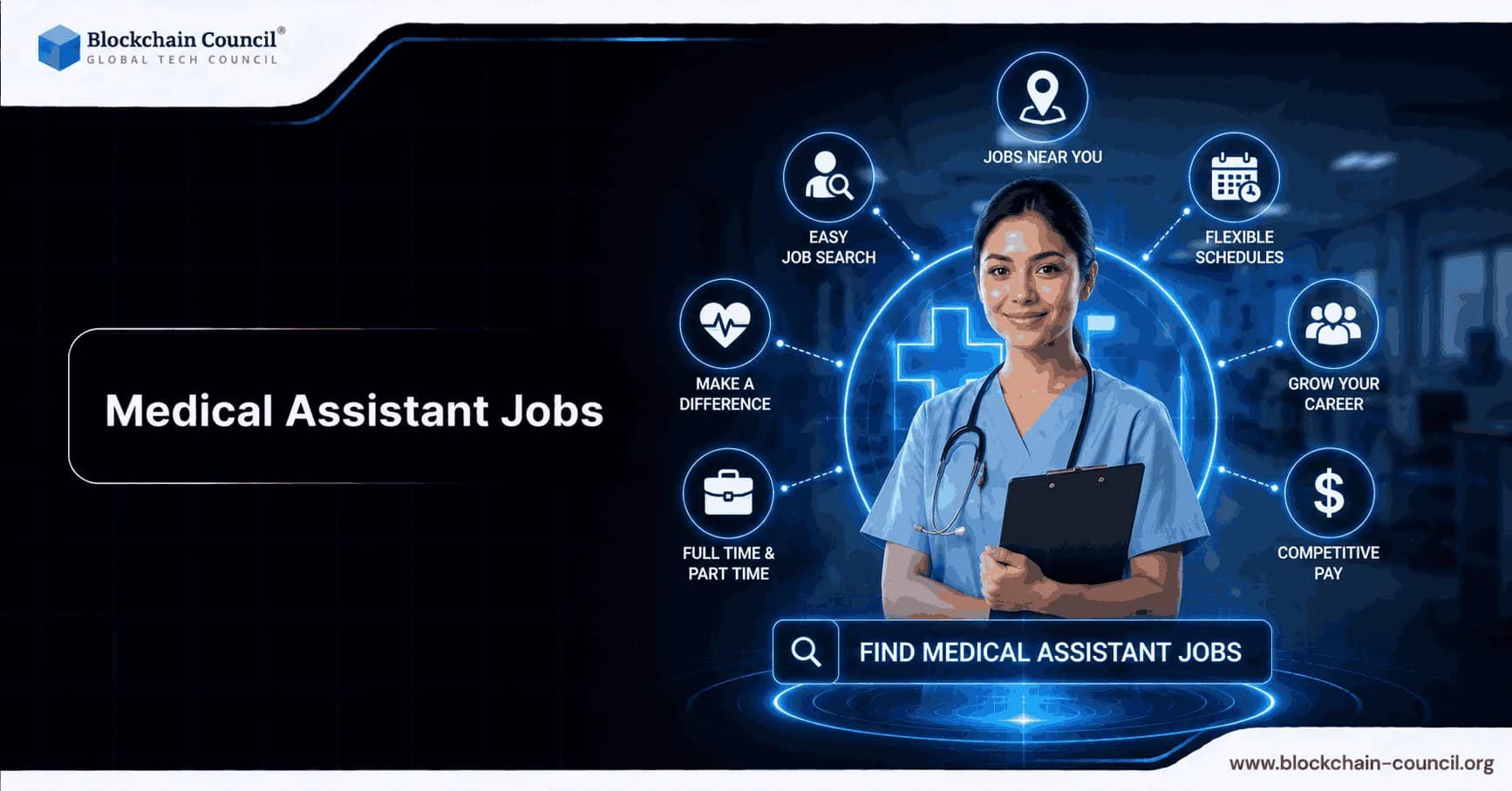
Medical assistant jobs are becoming one of the fastest-growing career opportunities in the healthcare industry. As hospitals, clinics, telehealth providers, and healthcare networks continue expanding, the demand for skilled medical assistants is increasing rapidly worldwide.
Medical assistants play an essential role in supporting healthcare professionals, improving patient experiences, managing administrative tasks, and assisting with clinical procedures. In 2026, the profession is evolving even further because healthcare organizations are adopting digital tools, artificial intelligence, automation systems, and modern healthcare technologies.

Today’s medical assistants are no longer limited to scheduling appointments or recording patient information. Many now work with:
Electronic health records (EHRs)
Telemedicine systems
AI-powered healthcare platforms
Patient communication tools
Medical data systems
Automated workflow technologies
Apparently, modern healthcare discovered that saving lives also requires endless digital forms, passwords that expire every six minutes, and software updates during emergencies. Humanity remains deeply committed to making simple tasks technologically dramatic.
What Is a Medical Assistant?
A medical assistant is a healthcare professional who supports doctors, nurses, and healthcare teams by performing both administrative and clinical tasks.
Medical assistants help healthcare facilities operate efficiently while ensuring patients receive organized and professional care.
Depending on the workplace, responsibilities may include:
Scheduling appointments
Updating medical records
Assisting physicians during examinations
Taking vital signs
Managing billing and insurance forms
Communicating with patients
Handling laboratory samples
Supporting telehealth operations
Medical assistants work in:
Hospitals
Clinics
Private practices
Urgent care centers
Telemedicine companies
Specialty healthcare facilities
Why Medical Assistant Jobs Are Growing
Healthcare demand is increasing because of:
Aging populations
Expanding healthcare access
Growth of telemedicine
Rising chronic health conditions
Digital healthcare transformation
Healthcare providers need trained professionals who can manage patient workflows and administrative systems efficiently.
Medical assistants help reduce physician workload while improving patient care efficiency.
The rise of outpatient care centers and telehealth platforms has also created new opportunities for medical assistants in remote and hybrid healthcare environments.
Key Responsibilities of Medical Assistants
Administrative Duties
Administrative work is a major part of medical assistant roles.
Responsibilities may include:
Managing patient records
Scheduling appointments
Handling insurance documentation
Billing support
Patient communication
Managing healthcare software systems
Strong organizational and communication skills are essential.
Clinical Duties
Clinical responsibilities depend on workplace regulations and specialization areas.
Common tasks include:
Measuring vital signs
Preparing patients for examinations
Assisting physicians during procedures
Collecting laboratory samples
Administering medications under supervision
Performing basic diagnostic tests
Medical assistants often act as the connection between patients and healthcare providers.
Telehealth Support
Telemedicine has expanded rapidly in recent years.
Medical assistants now help with:
Virtual appointment coordination
Digital patient onboarding
Telehealth scheduling
Electronic records management
Patient follow-up communication
Remote healthcare services continue creating new job opportunities in the medical field.
Skills Required for Medical Assistant Jobs
Communication Skills
Medical assistants interact with:
Patients
Doctors
Nurses
Insurance companies
Administrative staff
Clear communication is critical for ensuring smooth healthcare operations.
Technical Skills
Healthcare facilities increasingly use digital systems for:
Patient records
Billing
Scheduling
Diagnostics
Telemedicine
Medical assistants must feel comfortable working with healthcare software and electronic systems.
Time Management
Healthcare environments can be fast-paced and stressful.
Medical assistants often manage multiple responsibilities simultaneously while maintaining patient care quality.
Emotional Intelligence
Patients may feel anxious, stressed, or unwell.
Empathy and professionalism are essential when interacting with individuals in healthcare settings.
How AI Is Transforming Medical Assistant Jobs
Artificial intelligence is rapidly changing healthcare operations.
Hospitals and clinics now use AI for:
Patient scheduling
Medical record management
Diagnostic support
Workflow automation
Patient communication systems
Predictive analytics
AI tools are helping healthcare providers improve efficiency while reducing administrative burdens.
Medical assistants who understand AI-powered healthcare systems may gain stronger career opportunities.
AI Certifications and Healthcare Technology
Healthcare professionals increasingly benefit from technology and AI literacy.
Programs such as the AI Expert certification help professionals understand:
AI fundamentals
Automation workflows
AI implementation strategies
Productivity systems
Business AI applications
While not specifically medical certifications, AI programs help healthcare workers adapt to modern digital environments.
Agentic AI and Healthcare Automation
Advanced AI systems are becoming more common in healthcare operations.
The Agentic AI Expert Course explores:
Autonomous AI systems
Workflow automation
Intelligent task management
AI productivity systems
Healthcare organizations increasingly use automation to improve scheduling, documentation, and patient support workflows.
Technology Skills and Career Advancement
Technology is becoming increasingly important in healthcare careers.
Medical assistants with technical skills often gain advantages in:
Telemedicine support
Digital healthcare systems
Healthcare administration
Data management
Professionals may also improve career growth opportunities through recognized Tech certification programs.
Similarly, healthcare organizations adopting advanced technologies may value exposure to Deeptech certification learning areas involving AI, automation, blockchain, and digital innovation.
AI-Powered Healthcare Administration
Healthcare administration is becoming increasingly data-driven.
Medical offices use AI-powered systems for:
Appointment scheduling
Billing automation
Patient communication
Workflow optimization
Professionals with technology awareness can often adapt faster to modern healthcare environments.
Claude AI and Healthcare Productivity
AI productivity tools are also entering healthcare workplaces.
The Claude AI Certification teaches professionals how to use Claude AI for:
Documentation support
Communication
Research assistance
Workflow management
Productivity enhancement
Healthcare workers increasingly use AI-powered productivity tools to reduce administrative workload.
Salary Expectations for Medical Assistants
Medical assistant salaries vary based on:
Location
Experience
Certifications
Workplace type
Technical skills
In many regions, medical assistants earn competitive salaries with opportunities for overtime, specialization, and advancement.
Healthcare professionals with digital and technical skills may qualify for higher-paying administrative or telehealth roles.
Best Places to Find Medical Assistant Jobs
Hospitals and Clinics
Hospitals remain one of the largest employers of medical assistants.
Opportunities exist in:
Emergency departments
Outpatient clinics
Specialty practices
Family medicine offices
Telehealth Companies
Telemedicine providers increasingly hire remote medical assistants for:
Virtual scheduling
Patient communication
Healthcare coordination
Administrative support
Private Practices
Smaller clinics and physician offices often seek medical assistants capable of handling both clinical and administrative tasks.
Certifications for Medical Assistants
Traditional medical assistant certifications remain important for clinical roles.
However, technology and AI certifications are becoming valuable additions because healthcare environments are increasingly digital.
AI-Powered Administrative Skills
Healthcare administration increasingly involves:
Automation software
Digital communication tools
AI-powered workflow systems
Professionals who understand technology may improve long-term career stability.
Digital Marketing and Healthcare Careers
Healthcare organizations also rely heavily on digital marketing and patient outreach.
Medical practices increasingly use:
Social media campaigns
SEO optimization
Patient engagement tools
AI-powered communication systems
The AI Powered Digital Marketing Course can help healthcare professionals understand:
AI-driven marketing
Patient communication strategies
Content optimization
Automation systems
Professionals interested in healthcare administration or clinic management may benefit from these skills.
Marketing Certifications for Healthcare Businesses
Recognized Marketing certification programs can support professionals working in:
Healthcare administration
Medical practice growth
Patient engagement
Healthcare communications
These skills are increasingly valuable in competitive healthcare markets.
AI-Powered Coding and Healthcare Systems
Healthcare organizations also depend heavily on software systems and digital infrastructure.
The AI Powered Coding Expert Course teaches practical AI-assisted coding workflows relevant to:
Healthcare software development
Automation systems
Workflow management tools
While not directly clinical, technical knowledge can open opportunities in healthcare IT support and digital operations.
Benefits of Medical Assistant Careers
Medical assistant jobs offer several advantages:
Strong job demand
Career stability
Flexible work environments
Opportunities for specialization
Entry into healthcare careers
Opportunities for advancement
Many professionals also use medical assisting as a pathway into nursing, healthcare administration, or specialized medical careers.
Challenges of Medical Assistant Jobs
Despite strong career opportunities, the role can also involve:
Long working hours
Emotional stress
Administrative pressure
Fast-paced environments
Handling difficult patient situations
Strong communication and organizational skills help professionals manage these challenges effectively.
Future Trends in Medical Assistant Careers
The future of medical assisting will likely include:
AI-assisted healthcare systems
Telemedicine expansion
Workflow automation
Digital patient engagement
Remote healthcare support
Data-driven healthcare operations
Medical assistants with both healthcare knowledge and technology skills may experience stronger long-term career opportunities.
Real-World Example
A medical assistant working in a telehealth clinic may use AI scheduling systems, digital communication tools, and automated patient management platforms daily.
Similarly, healthcare administrators with AI and automation knowledge may improve operational efficiency significantly.
These examples show how healthcare and technology are becoming increasingly connected.
How to Become a Medical Assistant
Most medical assistants complete:
Vocational programs
Certification programs
Community college training
On-the-job experience
Employers often value:
Practical healthcare skills
Communication abilities
Technical literacy
Adaptability to digital systems
Continuous learning is increasingly important in modern healthcare careers.
Conclusion
Medical assistant jobs continue to offer strong career opportunities in today’s rapidly evolving healthcare industry. As healthcare systems expand and adopt modern digital technologies, the role of medical assistants is becoming more important than ever. Professionals in this field now support not only patient care and administrative operations but also digital workflows, telemedicine services, and technology-driven healthcare systems.
The profession provides career stability, flexible work environments, and multiple opportunities for growth and specialization. Medical assistants who develop strong communication abilities, technical knowledge, and adaptability to modern healthcare tools are likely to remain highly valuable in the coming years.
As healthcare continues moving toward automation, remote care, and AI-assisted operations, medical assistants who embrace continuous learning and technology skills will be better positioned for long-term success, higher earning potential, and broader career advancement opportunities.
FAQs
1. What does a medical assistant do?
Medical assistants support healthcare professionals by handling administrative tasks, assisting with patient care, managing records, scheduling appointments, and supporting clinical procedures.
2. Are medical assistant jobs in demand?
Yes, medical assistant jobs are growing rapidly because healthcare services, telemedicine, and outpatient care facilities continue expanding worldwide.
3. What skills are important for medical assistants?
Important skills include communication, organization, time management, technical literacy, empathy, multitasking, and adaptability.
4. Can medical assistants work remotely?
Yes, some medical assistants work remotely in telehealth support, scheduling, patient communication, and healthcare administration roles.
5. How is AI affecting medical assistant jobs?
AI is improving healthcare workflows through automation, scheduling systems, digital records management, and patient communication tools.
6. What is the AI Expert certification?
The AI Expert certification teaches practical AI concepts, automation workflows, prompt engineering, and AI implementation strategies.
7. Why are AI skills useful in healthcare?
AI skills help healthcare professionals work with automation systems, digital tools, telemedicine platforms, and modern healthcare technologies.
8. What is Agentic AI?
Agentic AI refers to autonomous AI systems capable of reasoning, planning, and independently managing tasks with minimal supervision.
9. What does the Agentic AI Expert Course teach?
The course focuses on autonomous AI systems, workflow automation, intelligent task management, and productivity optimization.
10. What is the Claude AI Certification?
The Claude AI Certification teaches professionals how to use Claude AI for communication, documentation, productivity, and workflow management.
11. Do medical assistants need technology skills?
Yes, modern medical assistants increasingly work with healthcare software, digital systems, AI tools, and electronic health records.
12. What is telemedicine support?
Telemedicine support involves helping healthcare providers manage virtual appointments, patient communication, digital records, and remote healthcare services.
13. Can medical assistants advance their careers?
Yes, many medical assistants later move into nursing, healthcare administration, medical billing, healthcare IT, or specialized healthcare fields.
14. Why are healthcare organizations adopting AI?
Healthcare organizations use AI to improve efficiency, automate workflows, reduce administrative workload, and enhance patient experiences.
15. What are deeptech certifications?
Deeptech certifications focus on advanced technologies such as AI, blockchain, automation, and emerging digital systems.
16. How can marketing certifications help healthcare professionals?
Marketing certifications help healthcare professionals improve patient engagement, digital communication, clinic growth, and healthcare outreach strategies.
17. What is the AI Powered Coding Expert Course?
The course teaches AI-assisted coding, debugging, automation, testing, and workflow optimization skills relevant to modern software systems.
18. Why is digital transformation important in healthcare?
Digital transformation improves patient care efficiency, workflow management, communication systems, and healthcare accessibility.
19. What are the benefits of becoming a medical assistant?
Benefits include career stability, strong job demand, flexible work environments, healthcare exposure, and advancement opportunities.
20. What is the future of medical assistant careers?
The future will likely involve AI-assisted healthcare systems, telemedicine growth, workflow automation, and increased use of digital healthcare technologies.
Related Articles
View All
Career Advice
Medical Assistant Jobs Near Me
Medical assistants play a vital role in healthcare by supporting physicians, managing patient records, and assisting with clinical procedures. Discover local medical assistant job opportunities and advance your healthcare career.
Career Advice
Phlebotomy Jobs
Phlebotomists are essential healthcare professionals responsible for collecting blood samples for testing and treatment. Discover career paths, job opportunities, and hiring prospects in phlebotomy.

Career Advice
Overnight Jobs Near Me
Looking for overnight work? Find night shift jobs in various industries, including healthcare, warehousing, hospitality, and security, with flexible schedules and competitive pay.
Trending Articles
AWS Career Roadmap
A step-by-step guide to building a successful career in Amazon Web Services cloud computing.
How Blockchain Secures AI Data
Understand how blockchain technology is being applied to protect the integrity and security of AI training data.
What is AWS? A Beginner's Guide to Cloud Computing
Everything you need to know about Amazon Web Services, cloud computing fundamentals, and career opportunities.