

LPN Jobs Near Me

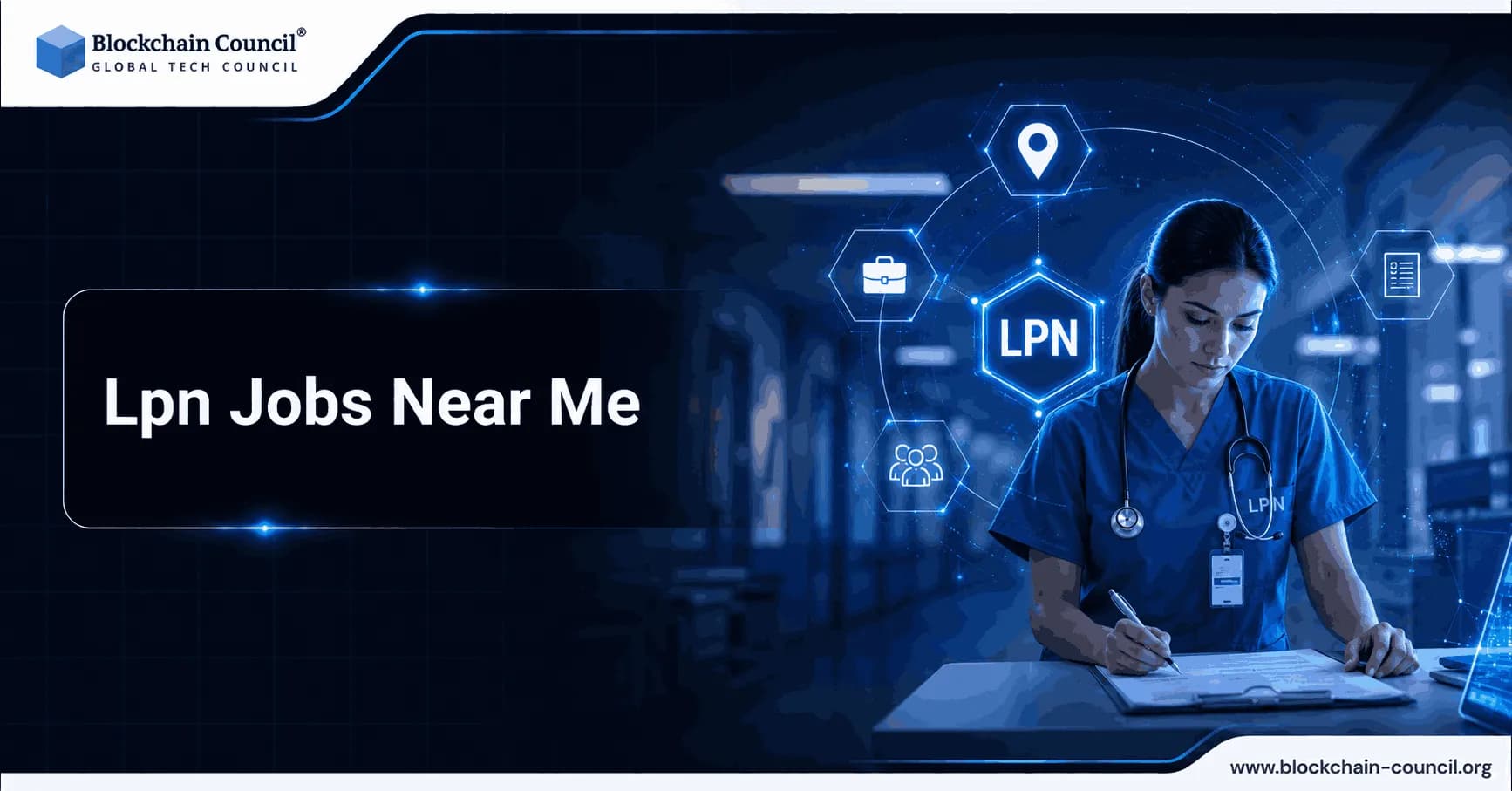
Licensed Practical Nurses (LPNs) play a critical role in the healthcare industry. As hospitals, clinics, nursing homes, rehabilitation centers, and home healthcare services continue facing staffing shortages, the demand for skilled LPN professionals is growing rapidly across the United States.
When people search for “LPN jobs near me,” they are often looking for stable healthcare careers with flexible opportunities, faster entry into the nursing field, and long-term professional growth. LPN positions provide exactly that. These professionals support registered nurses (RNs), physicians, and healthcare teams while delivering direct patient care in a variety of medical settings.

The healthcare industry is also evolving quickly due to technology, artificial intelligence, digital health systems, and data-driven patient management. Modern LPNs increasingly work alongside advanced healthcare technologies that improve efficiency, patient monitoring, and care coordination.
Humanity managed to create a healthcare system where highly trained professionals save lives daily while simultaneously fighting with printer malfunctions, staffing shortages, and electronic health records that appear designed by emotionally hostile software engineers. Medical progress remains a complicated experience.
What is an LPN?
An LPN, or Licensed Practical Nurse, is a healthcare professional responsible for providing basic nursing care under the supervision of registered nurses and physicians.
LPN responsibilities often include:
Monitoring patient health
Taking vital signs
Administering medications
Assisting with daily patient care
Maintaining medical records
Helping patients with hygiene and mobility
Communicating with healthcare teams
LPNs work in:
Hospitals
Nursing homes
Clinics
Rehabilitation centers
Home healthcare agencies
Assisted living facilities
Schools and community health centers
They play an essential role in patient care and healthcare operations.
Why Demand for LPN Jobs Is Growing
The demand for LPNs continues increasing due to several factors.
Aging Population
As populations age, healthcare systems require more nursing professionals to support elderly care and chronic disease management.
Healthcare Staffing Shortages
Many healthcare organizations face ongoing nurse shortages, increasing demand for practical nursing professionals.
Expansion of Home Healthcare
More patients now receive treatment at home, creating additional opportunities for LPNs in home health services.
Growth in Long-Term Care Facilities
Nursing homes and rehabilitation centers continue hiring LPNs to support patient care operations.
According to healthcare employment trends, nursing-related roles are expected to remain among the most stable and in-demand professions over the next decade.
Common Types of LPN Jobs Near You
When searching for LPN jobs, professionals may find opportunities in several healthcare sectors.
Hospital LPN Jobs
Hospitals employ LPNs in:
Emergency departments
Surgical units
Outpatient care
Recovery units
Pediatric care
Nursing Home and Assisted Living Jobs
These facilities often hire large numbers of LPNs to support elderly and long-term patient care.
Home Healthcare Jobs
LPNs provide in-home patient care including:
Medication assistance
Patient monitoring
Rehabilitation support
Clinic and Physician Office Jobs
Clinics often hire LPNs for:
Patient intake
Basic procedures
Medical documentation
Appointment support
Rehabilitation Center Jobs
Rehabilitation facilities require LPNs to assist patients recovering from injuries, surgeries, or illnesses.
Skills Required for LPN Jobs
Successful LPNs require both technical and interpersonal skills.
Clinical Skills
LPNs must understand:
Patient care procedures
Medication administration
Infection control
Medical terminology
Basic diagnostic support
Communication Skills
Healthcare environments require strong communication with:
Patients
Families
Physicians
Nursing teams
Time Management
LPNs often manage multiple patient responsibilities simultaneously.
Emotional Resilience
Healthcare work can be physically and emotionally demanding, especially in long-term care settings.
Educational Requirements for LPN Careers
Becoming an LPN typically involves:
Completing a state-approved practical nursing program
Passing the NCLEX-PN licensing exam
Obtaining state licensure
Most LPN programs take approximately 12 to 18 months to complete.
Many professionals later continue their education through:
RN bridge programs
Specialized healthcare certifications
Healthcare technology training
Salary Expectations for LPN Jobs
LPN salaries vary depending on:
Geographic location
Experience level
Facility type
Certifications
Shift schedules
In the United States, many LPNs earn competitive salaries with opportunities for overtime, night shift differentials, and specialized care bonuses.
Healthcare staffing shortages have also increased wage competition in many regions.
Benefits of Becoming an LPN
Faster Entry Into Healthcare
Compared to some healthcare careers, LPN programs offer a relatively quick path into the medical field.
High Job Stability
Healthcare demand continues growing consistently.
Career Advancement Opportunities
LPNs can later pursue:
RN programs
Specialized certifications
Healthcare management roles
Flexible Work Environments
LPNs can work in:
Full-time roles
Part-time schedules
Travel nursing positions
Home healthcare environments
Technology Is Changing Modern Nursing
Healthcare is becoming increasingly technology-driven.
Modern healthcare systems now use:
Electronic health records (EHRs)
AI-powered diagnostics
Telemedicine platforms
Remote patient monitoring systems
Healthcare automation tools
LPNs increasingly interact with digital systems during patient care.
Programs such as the AI Expert certification help professionals understand how artificial intelligence is transforming healthcare and operational workflows.
AI and Automation in Healthcare
Artificial intelligence is changing healthcare operations through:
Predictive analytics
Patient monitoring systems
Medical scheduling automation
Clinical documentation support
Virtual healthcare assistants
Healthcare organizations exploring intelligent automation increasingly benefit from the Agentic AI course, which focuses on autonomous AI systems and workflow automation.
While AI will not replace nurses, it will continue reshaping how healthcare professionals manage administrative and clinical tasks.
Blockchain Technology in Healthcare
Blockchain is becoming increasingly important in healthcare due to:
Secure medical record management
Data privacy protection
Healthcare interoperability
Supply chain transparency
Patient identity management
Healthcare professionals interested in emerging healthcare technologies increasingly explore the blockchain & healthcare professional certification to better understand blockchain applications in medical environments.
This technology may significantly improve healthcare data security and operational efficiency in the future.
Generative AI in Healthcare Education
Generative AI tools are beginning to support:
Medical documentation
Healthcare training
Clinical decision assistance
Patient communication systems
Programs such as the Generative ai expert course help professionals understand how generative AI technologies are influencing multiple industries, including healthcare.
As healthcare technology evolves, AI literacy may become increasingly valuable for medical professionals.
The Role of Technology Certifications in Healthcare Careers
Modern healthcare increasingly intersects with:
Artificial intelligence
Cybersecurity
Data analytics
Blockchain
Cloud computing
Broader Tech certification ecosystems help professionals develop technology skills relevant to future healthcare environments.
Healthcare organizations increasingly value employees who understand both patient care and digital systems.
AI-Assisted Software and Healthcare Systems
Healthcare software platforms increasingly use AI-assisted development and automation technologies.
Programs like the AI Powered coding expert Course demonstrate how AI-assisted coding systems are reshaping software development across industries, including healthcare technology.
These systems may improve:
Medical software efficiency
Patient record systems
Healthcare automation tools
Clinical workflow platforms
The Importance of Deep Technology in Healthcare
Healthcare innovation increasingly depends on:
Artificial intelligence
Robotics
Blockchain
Cloud infrastructure
Data analytics
Organizations exploring Deeptech certification ecosystems are helping professionals understand advanced technologies influencing healthcare transformation.
Future healthcare systems will likely become even more technology-dependent.
Marketing and Healthcare Career Growth
Healthcare organizations also rely heavily on:
Digital communication
Online recruitment
Patient engagement strategies
Healthcare branding
Programs such as Marketing certification help professionals understand modern communication and digital outreach strategies used in healthcare and business industries.
Healthcare employers increasingly use digital platforms to recruit nursing professionals and improve patient communication.
Real-World Example: Why LPN Careers Remain Valuable
Example 1: Long-Term Care Nursing
An LPN working in an assisted living facility helps elderly patients with:
Medication administration
Daily health monitoring
Mobility support
Family communication
This role provides critical healthcare support for aging populations.
Example 2: Home Healthcare Services
A home healthcare LPN visits patients recovering from surgery and provides:
Wound care
Medication reminders
Vital sign monitoring
Recovery support
Home healthcare continues becoming one of the fastest-growing nursing sectors.
Challenges Facing LPN Professionals
While rewarding, LPN careers also involve challenges.
Physical Demands
Nurses often work long shifts involving standing, lifting, and patient movement.
Emotional Stress
Healthcare environments can be emotionally demanding.
Staffing Pressures
Healthcare staffing shortages can increase workloads.
Technology Adaptation
Healthcare professionals must continuously learn new digital systems and technologies.
Despite these challenges, nursing remains one of the most respected and stable career fields.
Tips for Finding LPN Jobs Near You
Use Online Job Platforms
Websites like:
Indeed
LinkedIn
Glassdoor
Hospital career pages
often list local LPN openings.
Build a Strong Resume
Highlight:
Clinical experience
Certifications
Technical skills
Patient care expertise
Network With Healthcare Professionals
Professional networking can improve job opportunities significantly.
Pursue Continuing Education
Additional certifications may improve competitiveness and salary potential.
The Future of LPN Careers
Several major trends will shape future LPN opportunities.
Growth in Home Healthcare
More patients will continue receiving care outside hospitals.
Increased Healthcare Technology Integration
Digital systems and AI tools will become more common.
Aging Population Demand
Healthcare demand will likely continue increasing.
Workforce Flexibility
Remote healthcare support and telemedicine may create new nursing opportunities.
LPNs who adapt to changing healthcare technologies will remain highly valuable.
Why Healthcare and Technology Skills Are Becoming Connected
Modern healthcare professionals increasingly benefit from understanding:
AI systems
Digital healthcare tools
Cybersecurity basics
Data privacy systems
Healthcare automation platforms
Technology literacy is becoming increasingly important in medical careers.
Conclusion
LPN jobs continue offering strong career opportunities for individuals seeking stable, rewarding, and flexible healthcare professions. As healthcare demand increases due to aging populations, staffing shortages, and expanding home healthcare services, LPN professionals remain essential to patient care systems.
At the same time, healthcare is evolving rapidly through artificial intelligence, blockchain, digital transformation, and advanced healthcare technologies.
Programs such as the AI Expert certification, blockchain & healthcare professional certification, Agentic AI course, Generative ai expert course, and AI Powered coding expert Course reflect the growing connection between healthcare and emerging technologies.
As healthcare systems continue modernizing, LPNs who combine strong patient care skills with digital and technological awareness will likely enjoy stronger career opportunities and long-term professional growth.
Human civilization continues depending heavily on nurses while simultaneously making healthcare systems increasingly complex, understaffed, and software-dependent. Somehow, nurses still keep everything functioning anyway. Frankly impressive.
FAQs
1. What does LPN stand for?
LPN stands for Licensed Practical Nurse. An LPN provides basic nursing care under the supervision of registered nurses and doctors in healthcare settings like hospitals, clinics, nursing homes, and home healthcare services. They play an important role in patient care and daily medical support.
2. What are common LPN job responsibilities?
LPNs help monitor patient health, take vital signs, administer medications, assist with hygiene and mobility, and maintain medical records. They also communicate with patients, families, and healthcare teams to ensure proper patient care and treatment support.
3. Where can LPNs work?
LPNs can work in hospitals, rehabilitation centers, nursing homes, physician offices, assisted living facilities, schools, and home healthcare agencies. Their flexibility allows them to choose different healthcare environments based on their interests and career goals.
4. How long does it take to become an LPN?
Most LPN programs take around 12 to 18 months to complete, depending on the institution and study format. After finishing the program, students must pass the NCLEX-PN licensing exam to officially begin working as an LPN.
5. Why are LPN jobs in high demand?
LPN jobs are growing because healthcare systems need more professionals to support aging populations and increasing patient care demands. Staffing shortages in hospitals, nursing homes, and home healthcare services are also creating more employment opportunities for LPNs.
6. What skills are important for LPNs?
LPNs need strong communication, patient care, time management, and teamwork skills to work effectively in healthcare settings. They must also understand medical procedures, infection control, and patient safety practices to provide quality care.
7. Can LPNs advance their careers?
Yes, many LPNs continue their education through RN bridge programs, specialized certifications, or healthcare management courses. Career advancement can lead to higher salaries, expanded responsibilities, and more opportunities within the healthcare industry.
8. What is home healthcare nursing?
Home healthcare nursing involves providing medical care to patients in their homes instead of hospitals or clinics. LPNs in this field may assist with medication management, wound care, patient monitoring, and recovery support for elderly or recovering patients.
9. How is AI changing healthcare?
AI is improving healthcare through automated documentation, predictive analytics, patient monitoring systems, and workflow optimization. These technologies help healthcare professionals work more efficiently while improving patient care and operational accuracy.
10. What is blockchain technology in healthcare?
Blockchain technology helps secure medical records, improve healthcare data privacy, and support safer information sharing between healthcare providers. It can also improve transparency and reduce risks related to data breaches and record tampering.
11. What is the blockchain & healthcare professional certification?
The blockchain & healthcare professional certification teaches professionals how blockchain technology is used in healthcare systems for secure data management, interoperability, and digital healthcare transformation.
12. What is an AI Expert certification?
The AI Expert certification helps professionals understand artificial intelligence, machine learning, automation, and practical AI applications across industries including healthcare and business operations.
13. What is Agentic AI?
Agentic AI refers to intelligent systems capable of performing tasks, making decisions, and adapting with limited human intervention. The Agentic AI course explains how these advanced AI systems support automation and enterprise workflows.
14. How is generative AI used in healthcare?
Generative AI is used in healthcare for documentation support, medical training, patient communication, and administrative automation. The Generative ai expert course helps professionals understand these rapidly evolving AI applications.
15. Why are healthcare technology skills becoming important?
Modern healthcare systems increasingly rely on digital tools, AI platforms, electronic health records, and automation systems. Professionals with healthcare technology knowledge are often better prepared for future healthcare workplace demands and innovation-driven environments.
16. What are deep technologies in healthcare?
Deep technologies include advanced innovations like artificial intelligence, robotics, blockchain, cloud computing, and cybersecurity. These technologies are reshaping healthcare operations, patient care systems, and digital medical infrastructure worldwide.
17. What challenges do LPNs face?
LPNs often face physically demanding schedules, emotional stress, staffing shortages, and fast-paced healthcare environments. They also need to continuously adapt to new technologies and healthcare systems while maintaining quality patient care.
18. How can LPNs improve job opportunities?
LPNs can improve career opportunities by gaining additional certifications, building technical skills, networking with healthcare professionals, and pursuing continuing education programs that support career advancement and specialization.
19. What is the future outlook for LPN jobs?
The future outlook for LPN jobs remains strong due to increasing healthcare demand, aging populations, and expanding home healthcare services. Healthcare technology growth is also creating new opportunities for skilled nursing professionals.
20. Why is online job searching important for LPN careers?
Online job platforms help LPNs quickly find local healthcare openings, compare salaries, apply efficiently, and connect with healthcare employers. Many hospitals and healthcare facilities now use digital recruitment systems for hiring nursing professionals.
Related Articles
View All
Career Advice
Overnight Jobs Near Me
Looking for overnight work? Find night shift jobs in various industries, including healthcare, warehousing, hospitality, and security, with flexible schedules and competitive pay.
Career Advice
Medical Assistant Jobs Near Me
Medical assistants play a vital role in healthcare by supporting physicians, managing patient records, and assisting with clinical procedures. Discover local medical assistant job opportunities and advance your healthcare career.
Career Advice
Server Jobs Near Me
Discover server job opportunities near you in restaurants, cafes, hotels, and hospitality venues with flexible shifts and tip-based earnings.
Trending Articles
AWS Career Roadmap
A step-by-step guide to building a successful career in Amazon Web Services cloud computing.
How Blockchain Secures AI Data
Understand how blockchain technology is being applied to protect the integrity and security of AI training data.
What is AWS? A Beginner's Guide to Cloud Computing
Everything you need to know about Amazon Web Services, cloud computing fundamentals, and career opportunities.