

Server Jobs Near Me

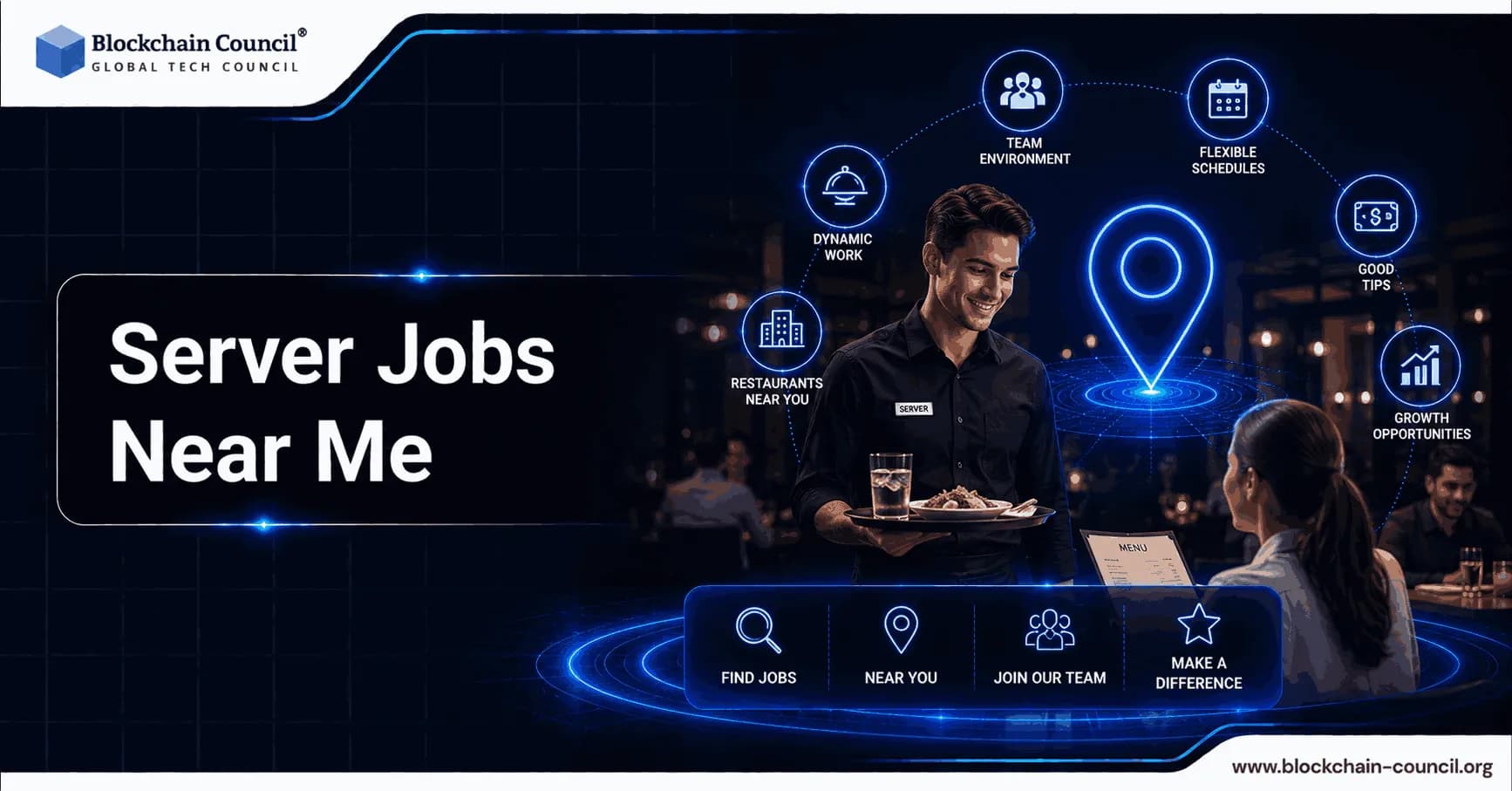
The restaurant and hospitality industry continues to create thousands of employment opportunities worldwide, making server jobs one of the most accessible and flexible career options available today. Whether in restaurants, hotels, cafes, resorts, or event venues, servers play an essential role in delivering excellent customer experiences and supporting business operations.
Server jobs are popular among students, part-time workers, career changers, and hospitality professionals because they offer flexible schedules, customer interaction, and income opportunities through tips and service bonuses. In recent years, the industry has also evolved significantly due to digital ordering systems, online reservations, automation, and changing customer expectations.

Modern hospitality businesses increasingly rely on technology to improve efficiency and customer satisfaction. Professionals interested in understanding how artificial intelligence and workplace automation are shaping industries often explore programs such as the AI Expert certification to build future-ready technical knowledge.
This article explores server jobs in detail, including responsibilities, salary expectations, required skills, workplace trends, career advancement opportunities, and the future of hospitality employment.
What Are Server Jobs?
A server is a hospitality professional responsible for assisting customers in restaurants, hotels, cafes, bars, and food service establishments. Servers help guests place orders, deliver food and beverages, answer menu-related questions, and ensure customer satisfaction throughout the dining experience.
Typical server responsibilities include:
Greeting customers
Taking food and beverage orders
Delivering meals and drinks
Managing customer requests
Handling payments
Coordinating with kitchen staff
Maintaining cleanliness and organization
Servers are an important part of the hospitality industry because they directly influence customer satisfaction and business reputation.
Why Server Jobs Are Still in Demand
Server jobs remain in demand because the restaurant and hospitality industry continues expanding globally.
Growth of Restaurants and Cafes
New restaurants, cafes, food chains, and hospitality businesses continue opening in cities and local communities, increasing the demand for trained servers.
Customer Experience Focus
Businesses understand that excellent service helps attract repeat customers and improve online reviews.
Flexible Employment Opportunities
Server jobs often provide flexible schedules, making them attractive for students and individuals seeking part-time or evening work.
Hospitality Industry Recovery
Many hospitality businesses are expanding again following changes in travel and tourism activity, creating additional hiring opportunities.
Technology and Service Innovation
Restaurants now use digital ordering systems, reservation platforms, and customer management tools, creating demand for employees who can adapt to modern workplace technology.
Professionals interested in understanding AI-powered workplace systems often explore the Claude AI expert certification to learn how automation and AI are transforming service industries.
Types of Server Jobs
Server jobs are available across multiple hospitality environments.
Restaurant Server
Restaurant servers work in casual dining restaurants, fine dining establishments, and fast-casual food businesses.
Their responsibilities include:
Taking customer orders
Delivering meals
Recommending menu items
Processing payments
Hotel Server
Hotel servers work in restaurants, lounges, room service departments, and banquet operations within hotels and resorts.
Banquet Server
Banquet servers support weddings, conferences, and private events by serving food and beverages to large groups.
Bar Server
Bar servers assist customers with drinks, snacks, and hospitality services in bars and entertainment venues.
Cafe Server
Cafe servers work in coffee shops and small dining businesses where customer interaction and quick service are important.
Skills Required for Server Jobs
Successful servers require both interpersonal and organizational skills.
Communication Skills
Servers interact with customers, coworkers, and kitchen staff throughout their shifts. Clear communication improves service quality and customer satisfaction.
Customer Service Skills
Friendly behavior, patience, and professionalism are essential for creating positive guest experiences.
Multitasking Ability
Servers often manage multiple tables and customer requests simultaneously.
Time Management
Hospitality environments move quickly, especially during busy dining hours.
Technical Skills
Modern restaurants use digital ordering systems, payment platforms, and reservation software.
Professionals looking to strengthen technical workplace knowledge often explore Deeptech certification and internationally recognized Tech certification programs.
Educational Requirements for Server Jobs
Most server jobs do not require advanced educational qualifications, making them accessible to many job seekers.
High School Diploma
Some employers prefer candidates with a high school diploma or equivalent qualification.
On-the-Job Training
Many hospitality businesses provide training in:
Customer service
Food safety
Restaurant operations
Payment processing
Hospitality standards
Hospitality Certifications
Hospitality or customer service certifications may improve career opportunities in hotels and fine dining establishments.
Salary and Income Potential for Servers
Server income varies depending on workplace type, location, experience, and tipping culture.
Base Salary
Servers usually receive hourly wages that vary by region and employer policies.
Tips and Service Charges
Tips are often a major source of income for servers, especially in busy restaurants and upscale dining establishments.
Higher Earnings in Premium Venues
Fine dining restaurants, luxury hotels, and high-traffic entertainment venues may offer greater earning potential.
Technology and Modern Server Jobs
Technology is significantly transforming hospitality and restaurant operations.
Digital Ordering Systems
Restaurants now use tablets, mobile apps, and point-of-sale systems to process customer orders more efficiently.
Online Reservations
Reservation platforms help businesses manage customer bookings and reduce waiting times.
AI and Customer Service
AI-powered systems help restaurants manage reservations, customer feedback, and workflow operations.
Professionals interested in hospitality automation and workplace AI often pursue the Generative ai expert course to understand emerging technology trends.
Contactless Payments
Digital payment systems and mobile wallets are becoming standard in restaurants and hospitality businesses.
Benefits of Server Jobs
Server jobs offer several professional and personal benefits.
Flexible Work Schedules
Many server positions offer evening, weekend, and part-time scheduling options.
Strong Customer Interaction Skills
Servers develop communication and interpersonal skills that are valuable in many industries.
Career Growth Opportunities
Hospitality careers often provide opportunities for advancement into supervisory or management positions.
Fast Hiring Process
Restaurants and hospitality businesses frequently hire servers due to ongoing staffing needs.
Income Opportunities Through Tips
Busy restaurants and premium venues may provide strong earning potential through customer tips.
Challenges of Server Jobs
Although server jobs offer flexibility and income opportunities, they also involve workplace challenges.
Physically Demanding Work
Servers spend long hours standing, walking, and carrying food trays during shifts.
Busy Work Environments
Restaurants can become extremely fast-paced during peak dining hours.
Handling Difficult Customers
Customer service roles sometimes involve managing complaints and stressful situations.
Irregular Schedules
Hospitality jobs often include evenings, weekends, and holiday shifts.
Career Growth Opportunities in Hospitality
Server jobs can lead to long-term career opportunities within the hospitality industry.
Shift Supervisor Roles
Experienced servers may become shift leaders or floor supervisors.
Restaurant Management
Servers with leadership skills may advance into assistant manager or restaurant manager positions.
Hospitality Operations Careers
Hotels and resorts often promote experienced hospitality workers into operations and guest services roles.
Event Management
Banquet servers may transition into event planning or hospitality coordination careers.
Technology and Hospitality Careers
Hospitality workers who develop technical skills may transition into restaurant technology support or digital operations roles.
Programs such as the AI Powered coding expert Course help professionals understand automation systems and digital business tools.
Importance of Soft Skills in Server Jobs
Soft skills are essential for success in hospitality careers.
Professionalism
Professional behavior helps create positive customer experiences and workplace relationships.
Teamwork
Servers work closely with kitchen staff, managers, hosts, and other employees.
Problem-Solving Skills
Servers often resolve customer concerns and service issues quickly.
Adaptability
Hospitality environments change rapidly, requiring flexibility and quick decision-making.
Professionals interested in improving communication and customer engagement often pursue a Marketing certification to strengthen business communication and customer interaction skills.
Remote and Technology-Based Hospitality Trends
Although server jobs are primarily in-person roles, technology continues changing the hospitality industry.
Online Food Delivery Services
Restaurants increasingly rely on delivery platforms and digital ordering systems.
AI-Driven Customer Support
AI tools help businesses manage reservations, customer feedback, and service analytics.
Automated Restaurant Systems
Restaurants use digital menus, self-service kiosks, and automated payment systems to improve efficiency.
Hospitality Data Management
Businesses now use customer data systems to improve personalized service experiences.
Future Trends in Server Jobs
Server jobs are expected to continue evolving alongside hospitality technology and changing customer expectations.
Increased Use of AI
Restaurants will continue using AI-powered systems for scheduling, reservations, and customer service management.
Growth of Hybrid Hospitality Services
Many businesses now combine dine-in, takeout, and delivery services.
Greater Focus on Customer Experience
Customer satisfaction and online reviews will remain important for hospitality businesses.
Demand for Digital Skills
Servers with technical knowledge and digital communication skills may have stronger career opportunities.
Sustainability in Hospitality
Restaurants are increasingly adopting sustainable food practices and environmentally friendly operations.
How to Find Server Jobs Near Me
Job seekers can use several methods to find local server job opportunities.
Online Job Platforms
Job websites allow candidates to search by location, salary, and workplace type.
Restaurant Websites
Many restaurants advertise job openings directly on their websites.
Walk-In Applications
Hospitality businesses often accept in-person applications for server positions.
Networking Opportunities
Referrals and hospitality industry connections can help candidates find opportunities faster.
Social Media Platforms
Restaurants frequently post hiring announcements through social media channels.
Tips for Becoming a Successful Server
Develop Strong Communication Skills
Clear communication improves customer service and teamwork.
Learn Hospitality Technology
Understanding digital ordering and payment systems improves workplace efficiency.
Stay Organized
Managing multiple tables and customer requests requires strong organization.
Maintain Professionalism
Professional appearance and positive behavior are important in hospitality environments.
Continue Learning
Hospitality workers who develop leadership and technical skills often improve career opportunities.
Conclusion
Server jobs continue to provide flexible and rewarding employment opportunities across restaurants, hotels, cafes, resorts, and hospitality businesses. Modern servers do much more than deliver food and beverages. They help businesses create positive customer experiences, support operational efficiency, and contribute to hospitality success.
Technology and AI are transforming the hospitality industry through digital ordering systems, customer management platforms, and automated restaurant operations. Professionals who combine strong communication abilities with technical knowledge are likely to have stronger long-term career opportunities.
Certifications such as the AI Expert certification, Claude AI expert certification, and Generative ai expert course help professionals understand how modern technologies are shaping industries and workplace systems.
Server jobs remain an excellent career option for individuals seeking flexible work schedules, customer interaction, income opportunities, and long-term hospitality career growth.
FAQs
1. What does a server do?
A server assists customers in restaurants, cafes, hotels, and hospitality businesses by taking orders and delivering food and beverages. They also answer customer questions and process payments. Their role helps create positive dining experiences.
2. Are server jobs still in demand?
Yes, server jobs remain in demand because restaurants, hotels, and hospitality businesses continue expanding operations. Flexible schedules and customer service needs create regular hiring opportunities. Tourism and food service industries also support job growth.
3. What skills are important for server jobs?
Communication, customer service, multitasking, and time management are important skills for servers. Technical knowledge of digital ordering systems is also valuable. Professional behavior helps improve customer satisfaction.
4. What industries hire servers?
Restaurants, hotels, cafes, resorts, bars, and event venues hire servers regularly. Hospitality businesses require customer service professionals to support operations. Employment opportunities vary depending on location and business demand.
5. Do server jobs require experience?
Many entry-level server jobs do not require prior experience because employers often provide training. However, experience in hospitality or customer service can improve hiring opportunities. Fine dining establishments may prefer experienced candidates.
6. What is the average salary for servers?
Server salaries vary depending on workplace type, location, and tipping culture. Many servers also earn significant income through customer tips and service charges. Fine dining venues often provide higher earning potential.
7. Are part-time server jobs available?
Yes, many restaurants and hospitality businesses offer part-time server positions. Flexible scheduling makes these jobs popular among students and part-time workers. Evening and weekend shifts are commonly available.
8. How is technology changing server jobs?
Technology is improving digital ordering, payment processing, and customer management systems in restaurants. Many businesses use tablets, mobile apps, and reservation software. Servers who understand technology may have stronger career opportunities.
9. What are the benefits of server jobs?
Server jobs provide flexible schedules, customer interaction, income opportunities, and valuable workplace experience. Many hospitality positions also offer career advancement opportunities. Strong customer service skills can support long-term professional growth.
10. What challenges come with server jobs?
Server jobs can involve busy environments, physically demanding work, and handling difficult customers. Irregular schedules and long shifts are also common in hospitality industries. Strong adaptability helps workers manage these challenges.
11. Can server jobs lead to management careers?
Yes, experienced servers can advance into supervisory, restaurant management, or hospitality operations roles. Leadership and communication skills support career growth opportunities. Many hospitality managers begin their careers in entry-level service positions.
12. Why are communication skills important for servers?
Servers interact with customers, coworkers, and kitchen staff throughout their shifts. Good communication improves service quality and customer satisfaction. Strong interpersonal skills also support teamwork and workplace professionalism.
13. What technical skills help servers?
Understanding digital ordering systems, payment platforms, and reservation software improves workplace performance. Programs such as Deeptech certification and Tech certification help professionals develop technical knowledge. Digital skills are increasingly important in hospitality industries.
14. How does AI affect server jobs?
AI helps restaurants automate scheduling, reservations, and customer service management systems. Automation improves operational efficiency and customer experiences. Hospitality workers with AI knowledge can adapt more effectively to changing workplaces.
15. What programs help hospitality workers learn AI skills?
Professionals can explore programs such as the AI Expert certification and Generative ai expert course. These certifications explain how AI is transforming workplace systems. AI knowledge can improve future career opportunities.
16. Can students benefit from server jobs?
Yes, server jobs help students earn income, gain workplace experience, and develop communication skills. Flexible schedules also allow students to balance work and education. Hospitality experience can improve future career opportunities.
17. What are banquet server jobs?
Banquet servers work at weddings, conferences, and private events where they serve food and beverages to guests. These roles often involve teamwork and event coordination. Banquet jobs may offer flexible schedules and additional income opportunities.
18. What industries offer the best earning potential for servers?
Fine dining restaurants, luxury hotels, and high-end event venues often provide higher earning opportunities for servers. Customer tips and service charges can significantly increase income. Experience and professionalism also affect earnings.
19. How can servers improve career opportunities?
Servers can improve opportunities by developing communication, leadership, and technical skills. Continuous learning and hospitality training support career growth. Reliable performance and professionalism often lead to promotions.
20. Is server work a good career option?
Yes, server jobs offer flexible schedules, income opportunities, and valuable hospitality experience. Many workers use server positions to build customer service and teamwork skills. The hospitality industry continues creating long-term career opportunities.
Related Articles
View All
Career Advice
Overnight Jobs Near Me
Looking for overnight work? Find night shift jobs in various industries, including healthcare, warehousing, hospitality, and security, with flexible schedules and competitive pay.

Career Advice
Medical Assistant Jobs Near Me
Medical assistants play a vital role in healthcare by supporting physicians, managing patient records, and assisting with clinical procedures. Discover local medical assistant job opportunities and advance your healthcare career.

Career Advice
LPN Jobs Near Me
Find LPN jobs near you in hospitals, nursing homes, clinics, rehabilitation centers, and home healthcare with flexible shifts and career growth.
Trending Articles
AWS Career Roadmap
A step-by-step guide to building a successful career in Amazon Web Services cloud computing.

Top 5 DeFi Platforms
Explore the leading decentralized finance platforms and what makes each one unique in the evolving DeFi landscape.
How Blockchain Secures AI Data
Understand how blockchain technology is being applied to protect the integrity and security of AI training data.