
Blockchain for Sustainable Supply Chains
 Michael Willson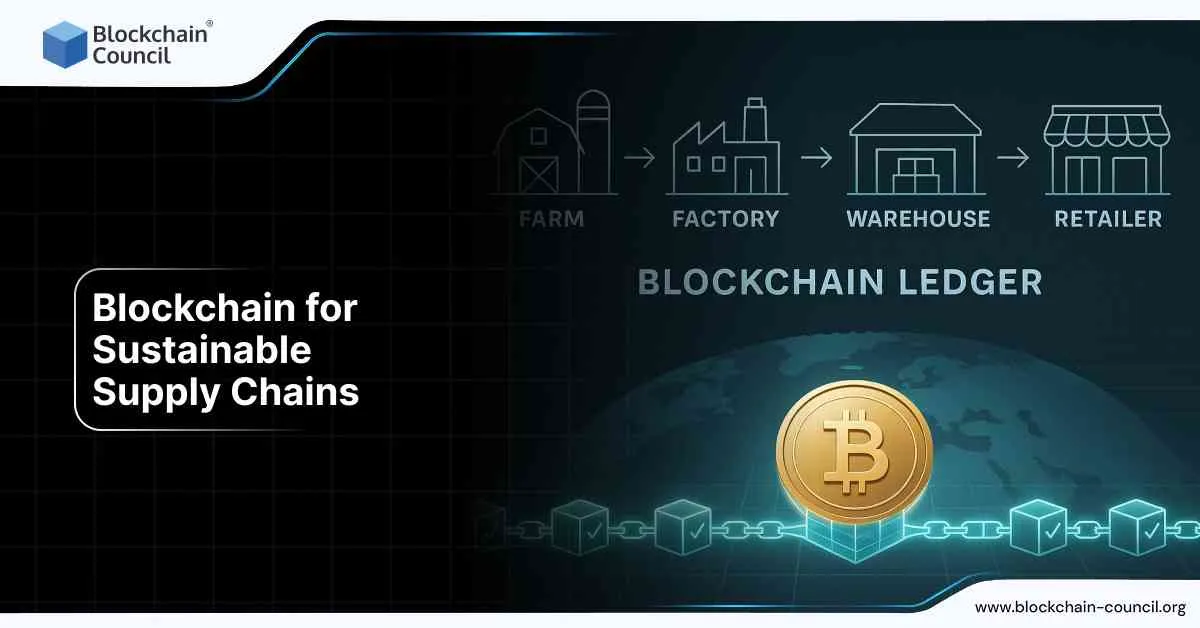
Blockchain is helping companies build cleaner, more transparent, and more ethical supply chains. It tracks materials, enforces sustainability rules, and verifies whether goods are sourced and made responsibly. If you want to know how blockchain is used in sustainable supply chains and why it matters, this article has all the answers.
We’ll look at the benefits, real-world case studies, ongoing challenges, and what the future holds. Whether you’re in logistics, tech, or sustainability, this guide will give you a clear view of how blockchain is changing supply chain management.
For individuals, completing a Blockchain Certification is a recognized way to showcase expertise in distributed ledger technology. A Blockchain Course not only validates technical skills but also helps professionals stand out in the competitive job market, especially when applying for Blockchain or Web3 roles.
What Does Blockchain Do in a Sustainable Supply Chain?
A sustainable supply chain focuses on reducing environmental harm, ensuring fair labor, and improving resource use. Blockchain supports this by providing trusted, tamper-proof records. It helps every product step be verified – from raw material sourcing to delivery.
With blockchain, companies can prove they meet environmental and ethical standards. It also gives consumers access to supply data through QR codes and apps.
Key Benefits of Using Blockchain in Supply Chains
Blockchain adds value in many ways when applied to sustainability:
1. Traceability
Companies can track the origin and movement of materials. For example, EV manufacturers can trace the source of cobalt or lithium in their batteries to make sure it was mined responsibly.
2. Transparency
Data stored on blockchain is shared across the network and can’t be changed later. This builds trust between producers, sellers, regulators, and consumers.
3. Automation
Smart contracts can automatically enforce sustainability rules. If a supplier fails to meet emission targets, payment can be delayed or stopped.
4. Measuring Environmental Impact
Blockchain can store carbon data, recycled material content, and energy use in supply chains. These metrics help firms report on ESG goals more accurately.
Real-World Examples
Let’s explore how leading brands are using blockchain to make supply chains more sustainable.
Volvo and Circulor
Volvo tracks the battery materials used in its electric cars with Circulor. The system shows data like carbon footprint, recycled content, and country of origin. Customers can scan a QR code in the car to access this info.
OpenSC
OpenSC is used by WWF and other partners to trace food and commodity supply chains. It helps verify if fish, coffee, and palm oil are ethically sourced. Consumers can check this by scanning codes on packaging.
Tentree and Veritree
Tentree, a sustainable fashion brand, works with Veritree to verify fiber sources. Every product has a digital footprint showing how and where materials were sourced and whether they meet sustainability guidelines.
Walmart and IBM
Walmart uses IBM’s blockchain tech to trace food items like lettuce and spinach. This helps reduce waste, improve safety, and support more transparent farming.
Benefits vs Challenges of Blockchain in Sustainable Supply Chains
| Aspect | Benefits | Challenges |
| Traceability | Track origin and movement of goods | Requires digital tagging systems |
| Transparency | Data cannot be edited, increasing trust | May expose sensitive business information |
| Smart Contracts | Automate rules and payments | Difficult to set up without legal and tech alignment |
| Environmental Metrics | Store CO₂, water use, or recycled content data | Need reliable IoT or third-party data input |
Challenges to Adoption
While blockchain offers major benefits, it is not without hurdles. Here are some of the key challenges that slow adoption.
Integration with Existing Systems
Many companies use old systems that don’t easily connect to blockchain. Updating those systems requires time and investment.
Governance Complexity
Blockchain works best when data from multiple parties is shared. This requires clear governance rules about who can add, view, and manage information.
Privacy and Commercial Sensitivity
Firms may be unwilling to publish supply chain details that reveal pricing, suppliers, or trade secrets. Solutions like zero-knowledge proofs (used in PrivChain) help but are still evolving.
Skills and Infrastructure
Lack of trained personnel and limited blockchain infrastructure can make implementation difficult, especially for smaller businesses.
Sector Use Cases with Blockchain Sustainability Goals
| Industry | Blockchain Application | Technology Partner | Sustainability Focus |
| Automotive | Track battery minerals and emissions | Circulor | Ethical sourcing, carbon transparency |
| Fashion | Trace organic fibers and factory conditions | Veritree | Circularity, ethical labor |
| Food | Ensure origin and freshness of perishable goods | IBM, OpenSC | Food safety, reduced waste |
| Agriculture | Prove sustainable practices in crop and livestock data | Various | Soil health, water use, animal welfare |
The Role of Certifications and Upskilling
Blockchain is shaping supply chain roles in operations, auditing, and compliance. Professionals looking to stay ahead can benefit from formal training.
To get hands-on with this field, consider enrolling in a trusted Blockchain certification. If your focus is on analytics and ESG reporting, the Data Science Certification is a solid match. You can also explore the AI Certification for automated sustainability solutions, or dive into sustainability-led business strategy through the Marketing and Business Certification.
Final Takeaway
Blockchain is becoming an essential tool for building sustainable, ethical, and transparent supply chains. It helps track what matters most – from carbon footprints to fair sourcing. While there are challenges to full adoption, real-world cases show that it works.
If you’re involved in sustainability, supply chain management, or innovation, now is the time to understand blockchain’s role in this space. The future of ethical trade will be built on trust, and blockchain is one way to deliver it.