

Novel AI
 Michael Willson
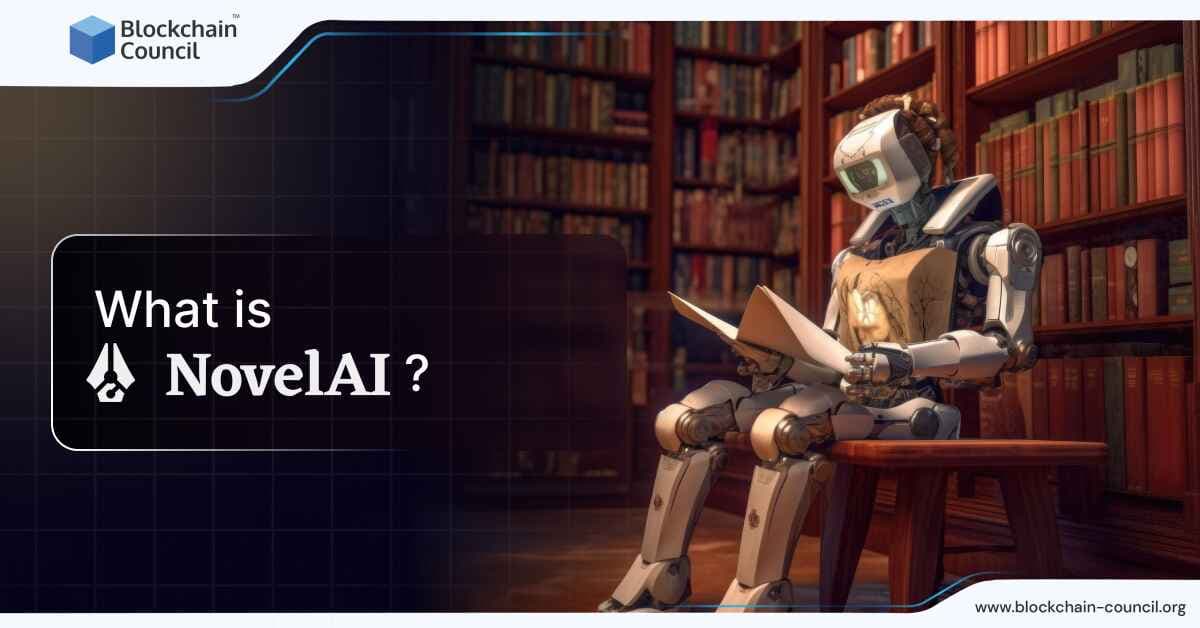
What is Novel AI?
Novel AI refers to an advanced cloud-based artificial intelligence system designed for creating unique, human-like content. Based on user input, Novel AI generates human-like text, and essentially acts as an AI-powered sandbox for imagination. This service is subscription-based, offering tools for AI-assisted authorship, storytelling, and virtual companionship. It stands out by providing unprecedented freedom in narrative creation, supported by AI models trained on vast libraries of real literature to adapt seamlessly to individual writing styles and perspectives.

How Does Novel AI Work?
Novel AI operates through a blend of GPT (Generative Pretrained Transformer) technology for the writing component and Stable Diffusion for image generation. It utilizes Natural Language Processing (NLP) and programmed templates to develop fiction-inspired text, allowing users to engage in both storytelling and interactive text adventures. Users can input a wide range of prompts, from a single line to entire documents, and the AI utilizes this input, along with specified “keys” or parameters such as characters, setting, and plot details, to generate coherent and contextually relevant stories. The system also supports image generation, enabling users to create visual representations of their characters or scenes based on textual descriptions. This dual approach provides a comprehensive toolkit for both written and visual creativity.
Features of Novel AI
- AI-Assisted Authorship: Novel AI offers a platform where users can construct stories, romances, or any form of narrative without restrictions, relying on artificial intelligence for seamless and creative authorship.
- Image Generation: Beyond text, Novel AI harnesses powerful image models to visualize characters and key moments from stories. This feature employs leading Anime Art AI among others, allowing for a rich, visual storytelling experience.
- Text Adventure Module: For those who prefer a more structured approach to storytelling, Novel AI includes a Text Adventure Module. This feature guides users through a quest, providing a scaffolded narrative experience. It’s like a more advanced version of AI Dungeon.
- Customizable Editor: Users can personalize their writing environment according to their preferences with Novel AI’s theme editor. This includes adjustments to fonts, sizes, and color schemes, enhancing the overall writing experience.
- Accessibility and Security: Novel AI ensures your stories are always within reach, whether you’re at home or on the move, and guarantees the privacy of your narratives. Every story saved on their servers is encrypted, ensuring that your creative works remain exclusively yours.
- AI Modules and Styles: The platform allows users to tailor the AI’s output by choosing specific themes or emulating the styles of famous writers. This flexibility enriches the storytelling process, making it possible to explore various narrative paths and genres.
- Extended Memory: With up to 8192 tokens of memory, Novel AI remembers significant amounts of text from your story. This “non-nerd speak” translates to a robust capacity for narrative continuity, ensuring that the AI maintains context over longer stretches of text.
- Lorebook for World Building: A unique feature that sets Novel AI apart is the Lorebook, a tool for creating and maintaining the consistency of the world within your stories. It allows for detailed world-building, ensuring the AI adheres to the established rules of your universe.
Pros and Cons of Using Novel AI
Pros:
- Advanced AI Models and Customizations: Novel AI uses sophisticated AI models that can emulate the styles of famous authors or generate content based on specific genres, enhancing the quality and relevance of the output.
- Comprehensive Writing and World-Building Tools: From text adventures to detailed lore books, Novel AI offers a wide array of tools for crafting immersive stories and interactive experiences.
- Image Generation: The platform includes an advanced image generation tool that allows for the creation of unique visuals from textual prompts, useful for visualizing characters and scenes.
- Privacy and Security: Novel AI prioritizes user privacy, with strong encryption ensuring that creations remain confidential.
- Ease of Use: The interface is user-friendly, offering guidance, templates, and customization options that make the creative process accessible to users of all skill levels.
Cons:
- Limited Trial Features: The trial version offers a glimpse into the capabilities of Novel AI but restricts access to some of the more advanced features and models.
- Subscription-Based: Continuous access to Novel AI’s full capabilities requires a subscription, which may not suit everyone’s needs or budget.
- Primarily Fiction-Focused: Novel AI is designed with fiction writing in mind, making it less suitable for nonfiction projects that require factual accuracy and verification.
- Sensitivity to Settings: Adjusting the AI’s output settings can significantly impact the generated content, requiring careful calibration to achieve the desired results.
Also Read: What is Reinforcement Learning (RL)?
How to Use Novel AI?
| Steps | Description |
| Subscription and Access | Choose a subscription plan, including a free trial, to access Novel AI’s features. Different tiers offer various AI storytellers like Krake or Euterpe, affecting capabilities. |
| Creating a New Story or Image | Visit Novel AI’s website, select ‘Start Writing for Free,’ and craft your prompt. For images, ensure an active subscription, formulate a prompt, and refine it with suggested tags. Tailor the prompt’s structure to direct the AI’s attention. |
| Adjusting Settings for Image Generation | Control iteration level, prompt adherence, and utilize seed and enhancement options for desired results. |
| Interacting with the Generated Content | Edit, retry, or undo generation to refine results. For stories, distinguish between user input and AI output for easier editing. Use ‘Retry’ option for regeneration if unsatisfied. |
| Utilizing Novel AI’s Features | Guide AI with Memory and Author’s Note, maintain consistency with Lorebook, and customize settings for a tailored experience. Explore extensive options for editor and AI configurations. |
The Evolution of Novel AI
The Journey Begins (June 15, 2021):
- Novel AI was launched in beta, marking a significant step in revolutionizing story writing and image generation.
- The platform combined natural language processing with user creativity, providing a new playground for authors and storytellers.
Major Milestones and Updates (October 3, 2022):
- Novel AI introduced an image generation feature, powered by Stable Diffusion, enhancing the storytelling experience by allowing users to visualize characters and scenes from their narratives.
- Novel AI partnered with CoreWeave and engaged with EleutherAI to make open-source AI more accessible.
- This collaboration aimed at enhancing AI models and enriching user experiences, showcasing Novel AI’s dedication to continuous improvement and community engagement.
Conclusion
Novel AI represents a bridge between human creativity and artificial intelligence, opening doors to endless possibilities where anyone can be a storyteller. This platform doesn’t replace the writer, but rather elevates their role. As we look towards the future, Novel AI stands as a testament to the innovative possibilities that emerge when technology and creativity converge. For those ready to explore the vast expanse of AI-driven narratives, Novel AI offers a gateway to uncharted territories of literature and art, promising an ever-evolving landscape of possibilities.
FAQ
What is Novel AI?
- Novel AI is an advanced cloud-based artificial intelligence system designed for creating unique, human-like content.
- It offers tools for AI-assisted authorship, storytelling, and virtual companionship.
- Novel AI combines natural language processing with user creativity to revolutionize story writing and image generation.
- Launched in beta in 2021, it continues to evolve through updates and community engagement.
How does Novel AI work?
- Novel AI operates through a blend of GPT technology for writing and Stable Diffusion for image generation.
- It utilizes Natural Language Processing (NLP) and programmed templates to develop fiction-inspired text.
- Users input prompts, from a single line to entire documents, and specify parameters such as characters and plot details.
- The AI generates coherent and contextually relevant stories, supported by image generation tools for visual representation.
What are the unique features of Novel AI?
- AI-Assisted Authorship: Users can construct stories without restrictions, relying on artificial intelligence for seamless creativity.
- Image Generation: Novel AI visualizes characters and scenes from stories using advanced image models.
- Text Adventure Module: Offers a structured narrative experience similar to AI Dungeon.
- Customizable Editor: Users can personalize their writing environment with theme editor options.
- Extended Memory: Novel AI remembers significant amounts of text for narrative continuity.
- Lorebook for World Building: A tool for creating and maintaining consistency within story universes.
What are the pros and cons of using Novel AI?
Pros:
- Advanced AI models and customizations enhance output quality.
- Comprehensive writing and world-building tools offer immersive storytelling experiences.
- Image generation tool provides unique visuals from textual prompts.
- Strong encryption ensures user privacy and security.
- User-friendly interface makes the creative process accessible to all skill levels.
Cons:
- Limited trial features restrict access to advanced capabilities.
- Subscription-based model may not suit all budgets.
- Primarily fiction-focused, less suitable for nonfiction projects.
- Output sensitivity to settings may require careful calibration for desired results.
Related Articles
View All
AI & ML
OpenAI Flags GPT-6.2 Astra for AI Self-Improvement Risk
OpenAI has flagged GPT-6.2 Astra as the first model it has released externally at the High threshold for AI self-improvement. Learn what the rating means, how Astra and Sol compare, what the new safeguards are, and why independent testing matters.
AI & ML
Google Launches Gemini 4 Hydrogen: What's New?
Google has launched Gemini 4 Hydrogen, a faster daily-driver model for coding, agents, Search and the Gemini app. Learn what is new, how it performs, what it costs, and where you can use it.
AI & ML
Gemini 4 Hydrogen: Features, Performance, Pricing, and the Future of Agentic AI
Google Gemini 4 Hydrogen introduces a new approach to fast, efficient AI execution. Discover its advanced reasoning, coding capabilities, agentic workflows, performance benchmarks, pricing, and real-world applications.
Trending Articles
AWS Career Roadmap
A step-by-step guide to building a successful career in Amazon Web Services cloud computing.
What is AWS? A Beginner's Guide to Cloud Computing
Everything you need to know about Amazon Web Services, cloud computing fundamentals, and career opportunities.

Can DeFi 2.0 Bridge the Gap Between Traditional and Decentralized Finance?
The next generation of DeFi protocols aims to connect traditional banking with decentralized finance ecosystems.