

AI Tools for Different Professionals
 Suyash Raizada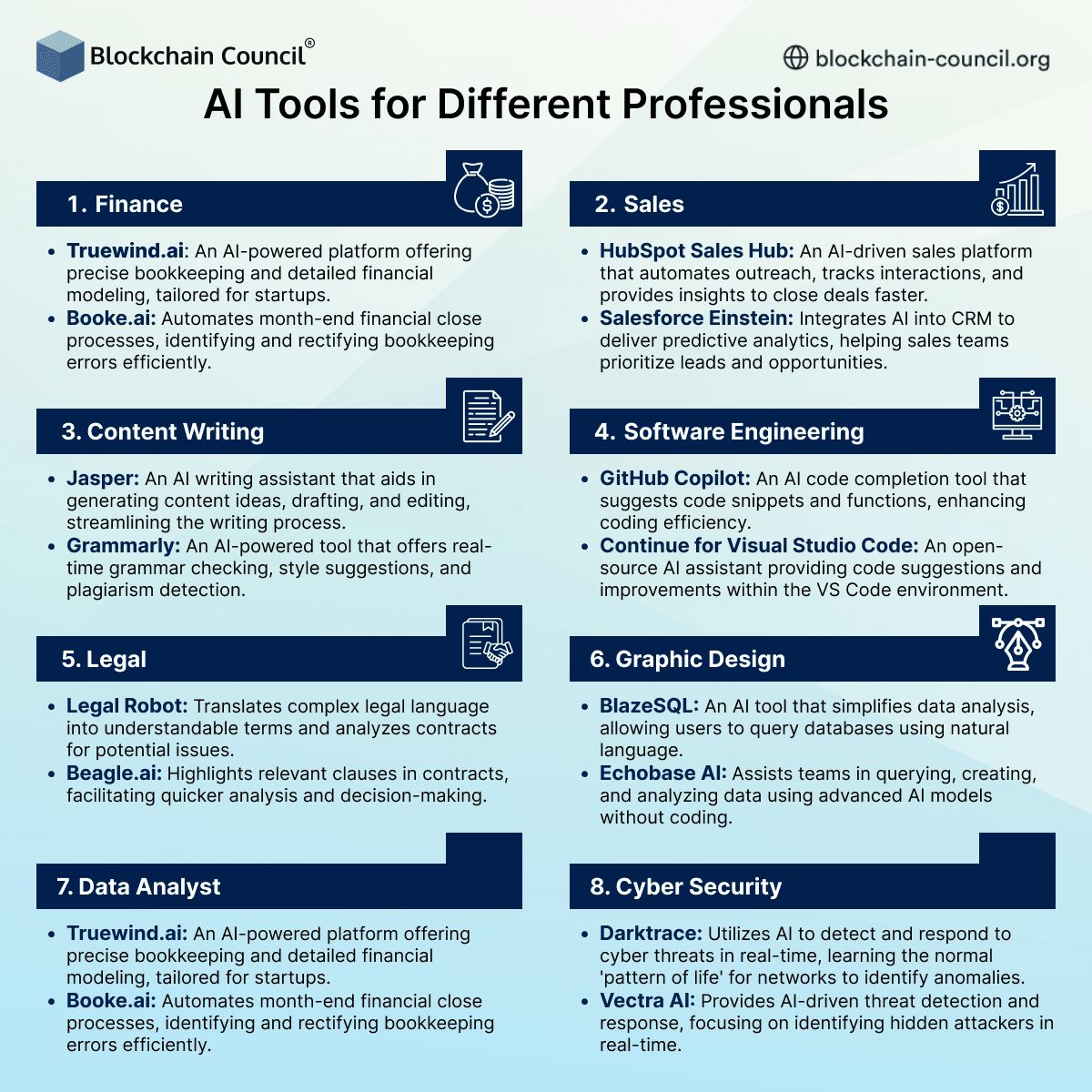
Artificial intelligence is no longer limited to tech companies or research labs. It has become a core part of everyday workflows across industries, from finance and law to marketing and software development. AI tools are transforming how professionals work by improving efficiency, reducing errors, and enabling smarter decision-making.
To truly understand and leverage these tools, many professionals begin with structured learning programs such as the Agentic AI Expert Certification and the AI expert certification. These certifications provide a strong foundation in AI technologies and their practical applications across industries.

This article explores the most effective AI tools for different professionals, their real-world applications, recent developments, and how they are reshaping modern workplaces.
Why AI Tools Are Essential for Professionals Today
The modern workplace is driven by data, speed, and accuracy. AI tools help professionals manage these demands by automating repetitive tasks and providing actionable insights.
Key benefits include:
Increased productivity
Improved accuracy
Faster decision-making
Enhanced creativity
Cost efficiency
AI is not replacing professionals entirely, but it is redefining roles and expectations. Those who adapt gain a significant advantage.
AI Tools in Finance
Finance professionals deal with large volumes of data, making AI a natural fit for this field.
Popular Tools
Truewind.ai for automated bookkeeping and financial modeling
Booke.ai for closing financial processes and identifying errors
Use Cases
AI tools help in:
Fraud detection
Risk assessment
Financial forecasting
Real-World Example
Startups are using AI-driven financial platforms to automate accounting tasks, reducing manual effort and minimizing errors.
AI Tools in Sales
Sales is becoming increasingly data-driven, and AI tools are helping teams close deals faster.
Popular Tools
HubSpot Sales Hub for automated outreach and insights
Salesforce Einstein for predictive analytics and lead prioritization
Benefits
Improved lead scoring
Better customer insights
Automated communication
Example
A sales team using AI-powered CRM tools can identify high-value leads and focus efforts on prospects most likely to convert.
AI Tools for Content Writing
Content creation has been dramatically transformed by AI.
Popular Tools
Jasper for generating content ideas and drafts
Grammarly for grammar checking and style improvement
Applications
Blog writing
Social media content
Marketing copy
Example
Content marketers use AI tools to generate article outlines and refine drafts, reducing production time significantly.
AI Tools in Software Engineering
Developers are increasingly relying on AI to enhance productivity.
Popular Tools
GitHub Copilot for code suggestions
AI assistants in Visual Studio Code for debugging and optimization
Benefits
Faster coding
Reduced errors
Improved code quality
Example
Developers can generate code snippets instantly, allowing them to focus on complex problem-solving rather than repetitive tasks.
Professionals interested in building these skills often explore programs like the AI Powered coding expert Course, which focuses on practical AI applications in development.
AI Tools in Legal Profession
The legal field is traditionally slow to adopt new technology, but AI is changing that.
Popular Tools
Legal Robot for simplifying legal language
Beagle.ai for contract analysis
Use Cases
Contract review
Legal research
Document analysis
Example
Law firms use AI to analyze large volumes of legal documents quickly, saving time and reducing human error.
AI Tools in Graphic Design
AI is making design more accessible and efficient.
Popular Tools
BlazeSQL for data visualization
Echobase AI for creative workflows
Applications
Visual content creation
Branding
Data visualization
Example
Designers can generate visual concepts quickly, allowing more time for refinement and creativity.
AI Tools for Data Analysts
Data analysts rely heavily on AI for processing and interpreting large datasets.
Popular Tools
AI-driven analytics platforms
Automated reporting tools
Benefits
Faster data processing
Improved insights
Predictive analytics
Example
Companies use AI to analyze customer behavior and predict trends, helping in strategic decision-making.
AI Tools in Cybersecurity
Cybersecurity professionals use AI to detect and respond to threats in real time.
Popular Tools
Darktrace for anomaly detection
Vectra AI for threat response
Capabilities
Real-time monitoring
Threat detection
Automated response
Example
AI systems can identify unusual network activity and prevent cyberattacks before they cause damage.
AI Tools in Marketing
Marketing is one of the most AI-driven fields today.
Applications
Customer segmentation
Campaign optimization
Content personalization
Example
AI tools analyze user behavior to deliver personalized advertisements, improving engagement and conversion rates.
Professionals looking to master these strategies often enroll in the AI powered marketing course, which focuses on practical applications of AI in marketing.
Recent Developments in AI Tools
Generative AI Integration
AI tools are now capable of generating text, images, and videos, expanding their applications.
Real-Time Processing
Modern AI systems provide instant insights, enabling faster decision-making.
Multimodal Capabilities
AI can process multiple types of data, such as text, images, and audio, improving accuracy and usability.
Increased Automation
AI tools are becoming more autonomous, reducing the need for manual intervention.
Challenges of Using AI Tools
Despite their advantages, AI tools come with challenges:
Data privacy concerns
High implementation costs
Dependence on quality data
Skill gaps among professionals
Ignoring these challenges can lead to ineffective use of AI technologies.
Best Practices for Using AI Tools
Combine AI with human expertise
Use reliable and high-quality data
Continuously update and monitor systems
Invest in training and education
AI works best when it complements human skills rather than replacing them entirely.
Future of AI Tools Across Professions
The future of AI tools includes:
Greater automation
Enhanced personalization
Improved collaboration between humans and AI
As AI continues to evolve, professionals must adapt to remain competitive.
Conclusion
AI tools are transforming how professionals work across industries. From finance and sales to marketing and cybersecurity, these tools improve efficiency, accuracy, and decision-making.
Understanding and adopting AI tools is no longer optional. Professionals who invest in learning and adapting to these technologies will be better positioned for success in an increasingly competitive environment.
Balancing AI capabilities with human judgment remains essential for achieving the best outcomes.
FAQs
1. What are AI tools for professionals
AI tools for professionals are software applications that use artificial intelligence to automate tasks, analyze data, and improve decision-making. These tools are designed to enhance productivity and efficiency across various industries. They help professionals focus on strategic tasks rather than repetitive work.
2. How do AI tools improve productivity
AI tools automate routine tasks, allowing professionals to save time and effort. They also provide insights that help in faster decision-making. This leads to improved efficiency and better overall performance.
3. What industries use AI tools
AI tools are used in industries such as finance, healthcare, marketing, legal, and technology. These tools help improve operations and decision-making. Their applications continue to expand across sectors.
4. Are AI tools expensive
The cost of AI tools varies depending on features and capabilities. Some tools offer free versions, while others require subscriptions. Businesses can choose based on their needs and budget.
5. Can AI replace human professionals
AI cannot fully replace human professionals but can automate repetitive tasks. It enhances productivity and allows professionals to focus on more complex work. Human creativity and judgment remain essential.
6. How do AI tools work
AI tools use machine learning and data analysis to process information and generate insights. They learn from data and improve over time. This makes them more accurate and efficient.
7. What are the benefits of AI in finance
AI improves accuracy, reduces errors, and enhances financial forecasting. It also helps detect fraud and manage risks. This makes financial operations more efficient.
8. How does AI help in sales
AI analyzes customer data to identify potential leads and optimize sales strategies. It automates communication and improves customer engagement. This leads to higher conversion rates.
9. What are AI tools for content writing
AI content writing tools help generate ideas, draft content, and improve grammar. They save time and enhance creativity. These tools are widely used by marketers and writers.
10. How does AI assist developers
AI assists developers by providing code suggestions, detecting bugs, and automating testing. It improves coding efficiency and reduces errors. This enhances overall software quality.
11. What is the role of AI in legal work
AI helps analyze legal documents, conduct research, and simplify complex language. It reduces manual effort and improves accuracy. This makes legal processes more efficient.
12. How does AI improve cybersecurity
AI detects threats by analyzing patterns and identifying anomalies. It responds to risks in real time. This helps prevent cyberattacks and protect systems.
13. What are AI tools for marketing
AI marketing tools help in customer segmentation, campaign optimization, and content personalization. They improve engagement and conversion rates. These tools are essential for modern marketing strategies.
14. How can professionals learn AI tools
Professionals can learn AI tools through certifications, courses, and hands-on experience. Structured programs provide both theoretical and practical knowledge. Continuous learning is important.
15. What are the challenges of AI tools
Challenges include data privacy issues, high costs, and the need for skilled professionals. Businesses must address these challenges for effective implementation. Proper planning is essential.
16. Are AI tools easy to use
Many AI tools are designed with user-friendly interfaces, making them accessible to beginners. However, advanced tools may require technical knowledge. Training can help improve usability.
17. How does AI impact job roles
AI changes job roles by automating repetitive tasks and creating new opportunities. Professionals need to adapt and learn new skills. This leads to career growth and development.
18. What is the future of AI tools
The future includes more advanced, automated, and personalized AI tools. These tools will continue to evolve and improve. Their impact on industries will grow significantly.
19. Can small businesses use AI tools
Yes, many AI tools are affordable and scalable, making them suitable for small businesses. They help improve efficiency and competitiveness. This allows smaller companies to grow.
20. Why are AI tools important today
AI tools are important because they improve efficiency, accuracy, and decision-making. They help professionals stay competitive in a rapidly changing environment. Their role will continue to expand in the future.
Related Articles
View All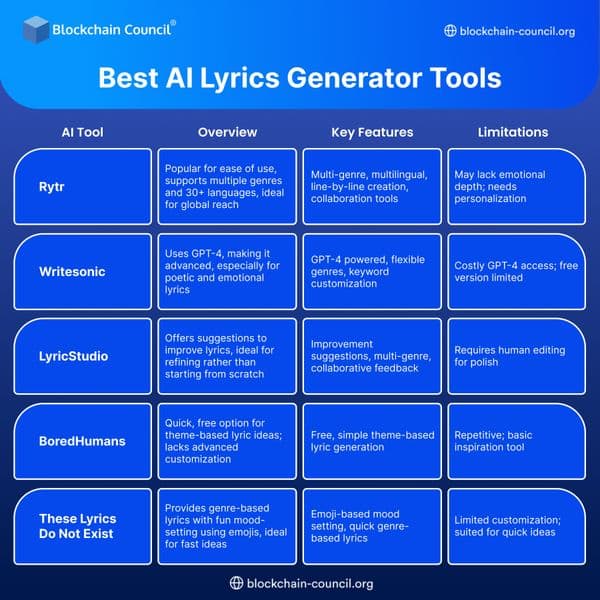
Infographics
Best Lyrics Generator Tools
AI lyrics generator tools help musicians and creators write songs quickly by generating creative and structured lyrics.
Infographics
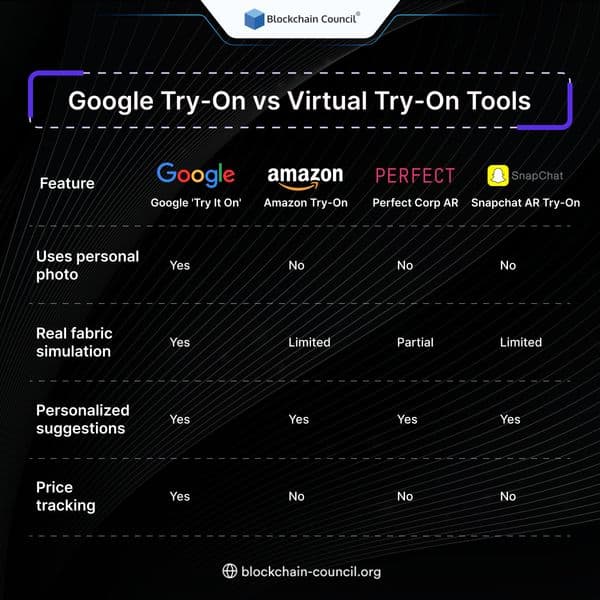
Google Try-On vs Virtual Try-On Tools
Compare Google Try-On with other virtual try-on tools to understand features, accuracy, and impact on online shopping.
Infographics
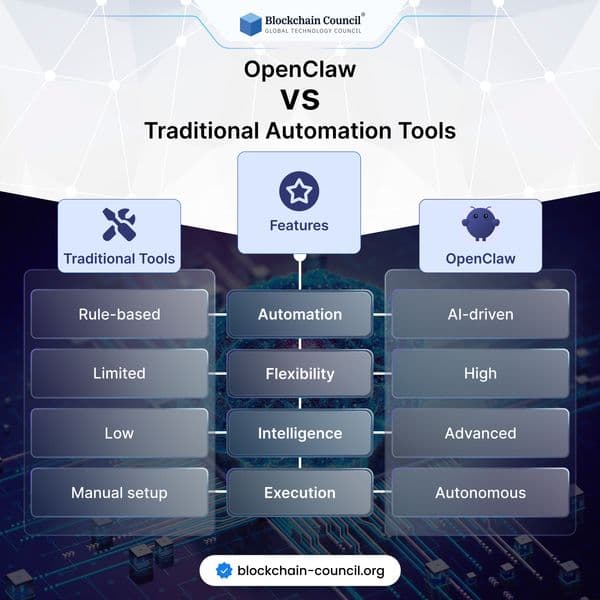
OpenClaw vs Traditional Automation Tools
Discover how OpenClaw is redefining automation with AI-driven intelligence and autonomy, compared to traditional rule-based tools. Learn which approach is better for modern workflows and business scalability.
Trending Articles
The Role of Blockchain in Ethical AI Development
How blockchain technology is being used to promote transparency and accountability in artificial intelligence systems.
What is AWS? A Beginner's Guide to Cloud Computing
Everything you need to know about Amazon Web Services, cloud computing fundamentals, and career opportunities.

Can DeFi 2.0 Bridge the Gap Between Traditional and Decentralized Finance?
The next generation of DeFi protocols aims to connect traditional banking with decentralized finance ecosystems.