

Pharmacy Technician Jobs

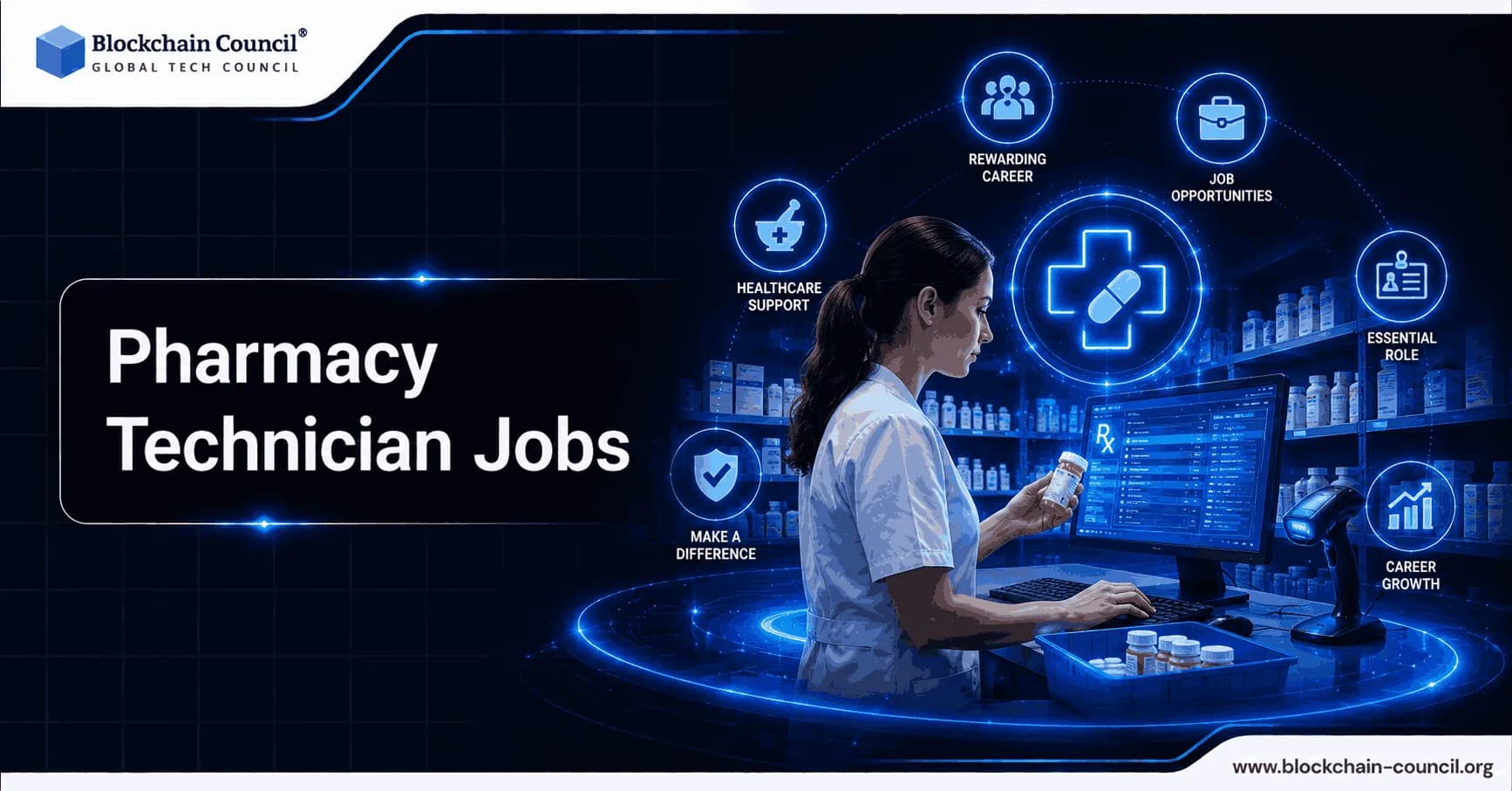
The healthcare industry is one of the fastest-growing sectors worldwide, and pharmacy technician jobs have become increasingly important in supporting pharmacists, hospitals, retail pharmacies, and healthcare organizations. Pharmacy technicians play a critical role in ensuring patients receive the correct medications, maintaining pharmacy operations, and supporting healthcare efficiency.
As healthcare systems continue to evolve, pharmacy technician careers are expanding beyond traditional retail pharmacy roles. Today, pharmacy technicians work in hospitals, long-term care facilities, mail-order pharmacies, research centers, and pharmaceutical companies. Technological advancements, automation, and artificial intelligence are also transforming pharmacy operations, creating new opportunities for skilled professionals.

This article explores pharmacy technician jobs in detail, including responsibilities, qualifications, salary expectations, career growth, workplace trends, and future opportunities.
What Is a Pharmacy Technician?
A pharmacy technician is a healthcare professional who assists licensed pharmacists in preparing and dispensing medications, managing inventory, handling prescriptions, and supporting pharmacy operations.
Pharmacy technicians work under the supervision of pharmacists and help ensure patients receive medications safely and accurately.
Their responsibilities may include:
Preparing prescription medications
Labeling medication containers
Managing pharmacy inventory
Processing insurance claims
Assisting customers and patients
Maintaining patient records
Supporting pharmacists with administrative duties
Pharmacy technicians are essential in improving pharmacy efficiency and helping pharmacists focus more on patient care and clinical services.
Why Pharmacy Technician Jobs Are in High Demand
The demand for pharmacy technicians has increased significantly due to several healthcare trends.
Growing Healthcare Needs
The aging population has increased the demand for medications and healthcare services. As more patients require prescriptions and chronic disease management, pharmacies need additional trained professionals to support operations.
Expansion of Healthcare Facilities
Hospitals, clinics, retail pharmacies, and healthcare organizations continue to expand their services, creating more pharmacy technician job opportunities.
Rise in Prescription Volume
Prescription medication use continues to grow globally. Pharmacy technicians help pharmacies manage the increasing workload efficiently.
Technological Advancements
Modern pharmacies now use automation systems, digital prescription processing, and AI-driven healthcare technologies. Pharmacy technicians with technical skills are becoming increasingly valuable.
Professionals looking to expand their technology knowledge often explore programs such as the AI Expert certification and the Claude AI expert certification to understand how AI is transforming healthcare and pharmacy operations.
Types of Pharmacy Technician Jobs
Pharmacy technicians can work in several healthcare settings depending on their interests and career goals.
Retail Pharmacy Technician
Retail pharmacy technicians work in pharmacies located inside drugstores, supermarkets, or retail chains.
Their responsibilities include:
Filling prescriptions
Assisting customers
Handling insurance claims
Managing medication inventory
Retail pharmacies remain one of the largest employers of pharmacy technicians.
Hospital Pharmacy Technician
Hospital pharmacy technicians work in healthcare facilities and assist pharmacists with preparing medications for patients.
They may:
Prepare intravenous (IV) medications
Deliver medications to hospital departments
Support emergency medication preparation
Maintain medication records
Hospital environments often offer higher salaries and more specialized responsibilities.
Mail-Order Pharmacy Technician
Mail-order pharmacies process and ship medications directly to patients.
Technicians working in this area focus on:
Prescription processing
Packaging medications
Managing shipping systems
Maintaining digital records
Long-Term Care Pharmacy Technician
Long-term care facilities require pharmacy technicians to support elderly patients and residents in nursing homes.
These technicians often manage medication schedules and coordinate with healthcare providers.
Specialty Pharmacy Technician
Specialty pharmacies handle complex medications for chronic conditions such as cancer, multiple sclerosis, and autoimmune diseases.
Technicians in these roles may work closely with patients and insurance providers.
Skills Required for Pharmacy Technician Jobs
Successful pharmacy technicians require both technical and interpersonal skills.
Attention to Detail
Medication accuracy is critical in pharmacy work. Technicians must carefully review prescriptions, labels, and dosages.
Communication Skills
Pharmacy technicians regularly interact with pharmacists, patients, healthcare providers, and insurance companies.
Strong communication skills help improve patient experiences and workplace efficiency.
Organizational Skills
Managing inventory, prescriptions, and patient records requires excellent organization.
Technical Knowledge
Modern pharmacies use digital systems, automation tools, and electronic health records.
Professionals interested in advanced technology applications often pursue Deeptech certification and international Tech certification programs to build technical expertise.
Problem-Solving Skills
Pharmacy technicians may need to resolve insurance issues, medication shortages, or prescription discrepancies quickly and accurately.
Educational Requirements for Pharmacy Technicians
Educational requirements vary depending on the country, state, or employer.
High School Diploma
Most pharmacy technician positions require at least a high school diploma or equivalent qualification.
Pharmacy Technician Training Programs
Many candidates complete pharmacy technician training programs offered by:
Community colleges
Vocational schools
Online learning platforms
Healthcare institutions
Training programs typically cover:
Pharmacology basics
Medical terminology
Pharmacy law
Prescription processing
Medication safety
Certification Requirements
Some employers require professional certification.
Popular pharmacy technician certifications include:
Certified Pharmacy Technician (CPhT)
Pharmacy Technician Certification Board (PTCB)
National Healthcareer Association (NHA) certification
Certification improves job opportunities and demonstrates professional competence.
Pharmacy Technician Salary and Job Outlook
Pharmacy technician salaries vary based on experience, location, specialization, and workplace setting.
Average Salary
Retail pharmacy technicians typically earn moderate entry-level salaries, while hospital and specialty pharmacy technicians often earn higher wages.
Experienced pharmacy technicians with certifications and technical expertise generally receive better compensation packages.
Job Growth
Healthcare industry reports continue to show steady demand for pharmacy technicians due to increasing prescription volumes and healthcare expansion.
Automation is changing pharmacy workflows, but it is also creating new technology-focused responsibilities for technicians.
Role of Technology in Pharmacy Technician Jobs
Technology is significantly transforming pharmacy operations.
Automation Systems
Pharmacies now use automated dispensing machines, robotic medication systems, and electronic prescription management platforms.
These technologies reduce manual work and improve medication accuracy.
Artificial Intelligence in Pharmacy
AI-powered tools are helping pharmacies with:
Inventory management
Prescription verification
Drug interaction analysis
Patient support systems
Workflow automation
As AI adoption grows, healthcare professionals are increasingly exploring programs like the Generative ai expert course to understand emerging AI applications.
Digital Healthcare Systems
Electronic health records (EHRs), cloud-based systems, and telepharmacy services are becoming more common across healthcare organizations.
Pharmacy technicians with digital skills are highly valuable in modern healthcare environments.
Career Advancement Opportunities
Pharmacy technicians have several career growth opportunities.
Senior Pharmacy Technician
Experienced technicians may move into supervisory or training roles within pharmacies.
Specialized Pharmacy Roles
Technicians can specialize in areas such as:
Oncology pharmacy
Nuclear pharmacy
Compounding pharmacy
IV medication preparation
Healthcare Technology Roles
As healthcare technology evolves, pharmacy technicians with technical skills may transition into healthcare IT or pharmacy automation support positions.
Programs like the AI Powered coding expert Course can help professionals understand automation systems and digital healthcare technologies.
Continuing Education
Continuous learning helps pharmacy technicians stay updated with regulations, medications, and healthcare technologies.
Challenges in Pharmacy Technician Jobs
Although pharmacy technician careers offer many opportunities, the profession also comes with challenges.
High Workload
Busy pharmacies may process hundreds of prescriptions daily, creating stressful work environments.
Accuracy Requirements
Medication errors can have serious consequences. Technicians must maintain high levels of concentration and precision.
Customer Service Pressure
Pharmacy technicians frequently interact with patients who may be stressed, ill, or frustrated about insurance and medication issues.
Adapting to Technology
Rapid technological advancements require pharmacy technicians to continuously learn new systems and digital tools.
Importance of Soft Skills in Pharmacy Careers
Technical knowledge alone is not enough for long-term career success.
Empathy and Patient Care
Patients often rely on pharmacy technicians for guidance and support during difficult health situations.
Teamwork
Pharmacy technicians collaborate closely with pharmacists, nurses, physicians, and healthcare administrators.
Professionalism
Maintaining confidentiality, ethical standards, and patient trust is essential in healthcare settings.
Professionals interested in improving communication and professional branding skills often explore a Marketing certification to strengthen interpersonal and business communication abilities.
Future Trends in Pharmacy Technician Jobs
The pharmacy profession is expected to continue evolving rapidly over the next decade.
Expanded Responsibilities
Pharmacy technicians may take on more advanced administrative and technology-related tasks.
Telepharmacy Growth
Remote pharmacy services are expanding, especially in rural and underserved areas.
AI and Automation Integration
AI-driven systems will continue improving pharmacy efficiency, medication tracking, and patient support.
Personalized Medicine
Advancements in personalized healthcare may increase demand for pharmacy technicians trained in specialized medication management.
Healthcare Data Management
Digital healthcare systems will create opportunities for technicians with knowledge of data management and healthcare technology.
How to Become a Successful Pharmacy Technician
Complete Proper Training
Enroll in a recognized pharmacy technician program and gain foundational healthcare knowledge.
Earn Certification
Professional certification improves credibility and job opportunities.
Develop Technical Skills
Understanding automation systems and healthcare software is becoming increasingly important.
Stay Updated
Healthcare regulations and medications change frequently. Continuous learning is essential.
Build Communication Skills
Strong interpersonal skills improve patient experiences and workplace collaboration.
Conclusion
Pharmacy technician jobs offer stable career opportunities, strong job demand, and multiple pathways for professional growth. As healthcare systems continue expanding, pharmacy technicians play a vital role in supporting pharmacists, improving patient care, and maintaining efficient pharmacy operations.
Technology, automation, and artificial intelligence are reshaping the profession, creating new opportunities for technicians with digital and technical expertise. Professionals who combine healthcare knowledge with modern technical skills will be well-positioned for long-term career success.
Programs such as the AI Expert certification, Claude AI expert certification, and Generative ai expert course are helping professionals understand how emerging technologies are influencing healthcare industries.
Pharmacy technician careers continue to evolve alongside healthcare innovation, making this profession an excellent choice for individuals interested in healthcare, technology, and patient support.
FAQs
1. What does a pharmacy technician do?
A pharmacy technician assists pharmacists by preparing medications, processing prescriptions, and managing pharmacy inventory. They also help maintain patient records and support daily pharmacy operations. Their role helps pharmacies provide accurate and efficient healthcare services.
2. What qualifications are required to become a pharmacy technician?
Most pharmacy technician jobs require a high school diploma or equivalent qualification. Many employers also prefer candidates who complete a pharmacy technician training program or certification. These programs teach medication safety, prescription processing, and pharmacy regulations.
3. Are pharmacy technicians in demand?
Yes, pharmacy technicians are in strong demand because healthcare services and prescription use continue to grow. Aging populations and chronic illnesses are increasing the need for pharmacy support professionals. Hospitals, clinics, and retail pharmacies are actively hiring trained technicians.
4. What skills are important for pharmacy technicians?
Pharmacy technicians need attention to detail, communication skills, and strong organizational abilities. Technical knowledge is also important because modern pharmacies use digital systems and automation tools. Customer service skills help technicians interact professionally with patients and healthcare providers.
5. Can pharmacy technicians work in hospitals?
Yes, many pharmacy technicians work in hospitals assisting with medication preparation and patient care support. Hospital pharmacy technicians may also prepare intravenous medications and manage emergency medication supplies. These roles often involve advanced healthcare responsibilities.
6. What is the average salary of a pharmacy technician?
Pharmacy technician salaries vary depending on experience, certifications, workplace setting, and geographic location. Hospital and specialty pharmacy technicians often earn higher salaries than retail pharmacy workers. Additional training and technical skills can also improve earning potential.
7. Is certification necessary for pharmacy technicians?
Some employers require certification, while others prefer certified candidates for better professional standards. Certification improves job opportunities and demonstrates healthcare knowledge and competency. It can also help pharmacy technicians qualify for advanced positions.
8. What are the different types of pharmacy technician jobs?
Common roles include retail pharmacy technician, hospital pharmacy technician, mail-order pharmacy technician, and specialty pharmacy technician. Some technicians also work in long-term care facilities and healthcare clinics. Different roles provide various career growth opportunities and responsibilities.
9. How is AI affecting pharmacy technician jobs?
AI is improving automation, prescription management, inventory tracking, and workflow efficiency in pharmacies. These technologies reduce manual workloads and improve medication accuracy. Pharmacy technicians are increasingly working with digital healthcare and AI-powered systems.
10. Can pharmacy technicians advance their careers?
Yes, pharmacy technicians can specialize in advanced pharmacy areas or move into supervisory and training roles. Some professionals also transition into healthcare technology or pharmacy operations management positions. Continuing education supports long-term career growth.
11. What are the biggest challenges in pharmacy technician jobs?
Challenges include managing heavy workloads, maintaining medication accuracy, and adapting to new technologies. Pharmacy technicians often work in fast-paced healthcare environments with strict safety standards. Handling insurance claims and prescription issues can also be stressful.
12. What is telepharmacy?
Telepharmacy involves providing pharmacy services remotely using digital communication technologies and healthcare systems. It helps patients access medications and healthcare support in underserved or rural areas. Telepharmacy services are growing as digital healthcare expands.
13. Do pharmacy technicians interact with patients?
Yes, pharmacy technicians regularly assist patients with prescriptions, insurance questions, and medication-related information. They also help customers understand pharmacy procedures and refill processes. Good communication skills are important for providing quality patient support.
14. What industries hire pharmacy technicians?
Hospitals, retail pharmacies, clinics, pharmaceutical companies, and long-term care facilities hire pharmacy technicians. Some professionals also work in mail-order pharmacies and healthcare support organizations. The growing healthcare industry continues creating new employment opportunities.
15. Why are technical skills important for pharmacy technicians?
Modern pharmacies use automation systems, electronic health records, and digital prescription platforms daily. Pharmacy technicians need technical skills to operate these systems efficiently and accurately. Technical knowledge also helps professionals adapt to changing healthcare technologies.
16. How can pharmacy technicians learn AI skills?
Professionals can explore programs such as the AI Expert certification and Generative ai expert course. These certifications explain how AI is transforming healthcare and pharmacy operations. Learning AI skills can improve future career opportunities.
17. What is the role of automation in pharmacies?
Automation improves medication dispensing accuracy, inventory management, and prescription processing efficiency. Automated systems reduce repetitive manual tasks and improve pharmacy workflow management. Technology helps pharmacies provide faster and more reliable healthcare services.
18. Can pharmacy technicians work remotely?
Some telepharmacy and healthcare support roles allow pharmacy technicians to work remotely in limited capacities. Remote work opportunities may include prescription processing and digital healthcare support services. However, many pharmacy technician roles still require on-site responsibilities.
19. What certifications help pharmacy technicians develop technical knowledge?
Programs like Deeptech certification and Tech certification support technical skill development for healthcare professionals. These certifications teach emerging technologies and digital workplace skills. Technical expertise is becoming increasingly valuable in healthcare industries.
20. Is pharmacy technician a good career choice?
Yes, pharmacy technician careers offer job stability, career growth opportunities, and valuable healthcare experience. The profession allows individuals to support patient care while working in diverse healthcare environments. It is also a strong entry point into the broader healthcare industry.
Related Articles
View All
Career Advice
Phlebotomy Jobs
Phlebotomists are essential healthcare professionals responsible for collecting blood samples for testing and treatment. Discover career paths, job opportunities, and hiring prospects in phlebotomy.

Career Advice
Overnight Jobs Near Me
Looking for overnight work? Find night shift jobs in various industries, including healthcare, warehousing, hospitality, and security, with flexible schedules and competitive pay.
Career Advice
Medical Assistant Jobs Near Me
Medical assistants play a vital role in healthcare by supporting physicians, managing patient records, and assisting with clinical procedures. Discover local medical assistant job opportunities and advance your healthcare career.
Trending Articles
The Role of Blockchain in Ethical AI Development
How blockchain technology is being used to promote transparency and accountability in artificial intelligence systems.

Top 5 DeFi Platforms
Explore the leading decentralized finance platforms and what makes each one unique in the evolving DeFi landscape.
Blockchain in Supply Chain Provenance Tracking
Supply chains are under pressure to prove not just efficiency, but also authenticity, sustainability, and fairness. Customers want to know if their coffee really is fair trade, if the diamonds are con