

Phlebotomy Jobs

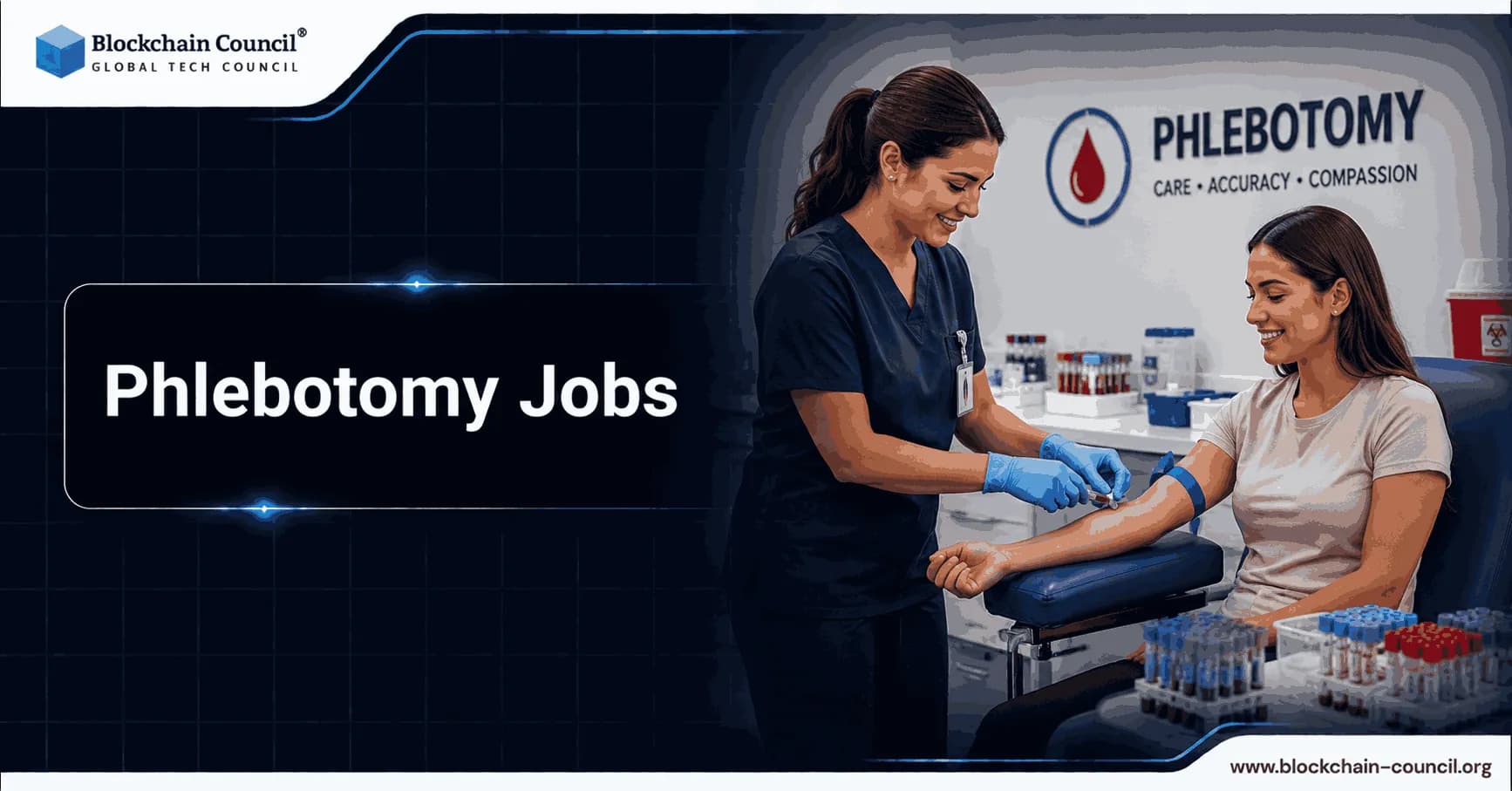
Phlebotomy jobs continue to play a critical role in the healthcare industry. As hospitals, diagnostic laboratories, blood donation centers, and clinics expand their medical services, the demand for skilled phlebotomists is steadily increasing worldwide. In 2026, phlebotomy remains one of the fastest-growing healthcare careers because it offers stable employment opportunities, relatively short training periods, and strong career advancement potential.
Phlebotomists are healthcare professionals responsible for drawing blood samples from patients for testing, transfusions, research, or blood donations. Their work is essential for accurate medical diagnosis and treatment. With advances in medical technology, digital healthcare systems, and laboratory automation, the role of phlebotomists is also evolving rapidly.

This article explores phlebotomy jobs in detail, including responsibilities, salary expectations, certification requirements, industry trends, remote healthcare technologies, and future career opportunities in modern healthcare systems.
What Are Phlebotomy Jobs?
Phlebotomy jobs involve collecting blood samples safely and accurately from patients for medical testing or donations. Phlebotomists work closely with doctors, nurses, laboratory technicians, and healthcare administrators to ensure proper specimen collection and patient care.
Phlebotomists are commonly employed in:
Hospitals
Diagnostic laboratories
Blood donation centers
Clinics
Nursing homes
Research institutions
Mobile healthcare units
Their responsibilities often include:
Drawing blood samples
Labeling specimens correctly
Maintaining patient records
Preparing samples for laboratory analysis
Following infection control procedures
Assisting anxious patients during blood collection
Phlebotomists play a direct role in helping physicians diagnose illnesses, monitor treatment progress, and improve patient outcomes.
Why Phlebotomy Jobs Are Growing in 2026
Several healthcare and technological trends are increasing demand for phlebotomy professionals.
Expansion of Healthcare Services
Growing populations and aging demographics continue increasing demand for diagnostic testing and preventive healthcare services.
Rise in Chronic Diseases
Conditions such as diabetes, cardiovascular disease, and cancer require frequent blood testing and monitoring.
Growth of Diagnostic Laboratories
Modern healthcare systems rely heavily on laboratory testing for early disease detection and treatment planning.
Increase in Mobile Healthcare Services
Mobile clinics and home healthcare providers increasingly hire phlebotomists for in-home blood collection services.
Technological Advancements in Healthcare
Digital healthcare systems and AI-assisted diagnostics are transforming laboratory operations and patient management.
Healthcare organizations increasingly value professionals who understand modern healthcare technologies and digital systems. Individuals interested in advanced healthcare innovation often strengthen their expertise through the AI Expert certification.
Modern medicine depends heavily on blood tests. Humanity has collectively accepted that tiny tubes of blood somehow reveal the secrets of internal organs, vitamin levels, infections, and life expectancy. Disturbingly efficient system, honestly.
Roles and Responsibilities of a Phlebotomist
Phlebotomists perform several important tasks within healthcare environments.
Blood Collection Procedures
The primary responsibility of phlebotomists is safely collecting blood samples using proper medical procedures.
Patient Interaction
Phlebotomists regularly assist nervous or anxious patients, especially children and elderly individuals.
Specimen Handling
Correct labeling, storage, and transportation of samples are critical for accurate laboratory results.
Infection Control
Healthcare facilities require strict compliance with hygiene and safety protocols.
Record Management
Phlebotomists maintain patient records and coordinate with laboratory systems.
Skills Required for Phlebotomy Jobs
Successful phlebotomists require both technical and interpersonal skills.
Attention to Detail
Accurate specimen labeling and documentation are essential for patient safety.
Communication Skills
Phlebotomists interact directly with patients and healthcare teams daily.
Compassion and Patience
Many patients experience anxiety during blood collection procedures.
Technical Knowledge
Phlebotomists must understand laboratory equipment, collection techniques, and healthcare regulations.
Physical Stamina
Healthcare environments often require long periods of standing and movement.
Professionals interested in digital healthcare transformation often strengthen their expertise through the Blockchain & Healthcare Professional Certification.
Educational Requirements for Phlebotomy Jobs
Most phlebotomy careers require formal training and certification.
High School Diploma or GED
Most programs require applicants to complete secondary education.
Phlebotomy Training Programs
Training programs are available through:
Community colleges
Vocational schools
Healthcare institutions
Online healthcare academies
Programs typically include:
Anatomy and physiology
Blood collection techniques
Infection control
Laboratory procedures
Clinical practice
Certification Exams
Many employers prefer nationally certified phlebotomists.
Common certifications include:
Certified Phlebotomy Technician (CPT)
National Healthcareer Association (NHA)
American Society for Clinical Pathology (ASCP)
Best Places to Work as a Phlebotomist
Phlebotomists can work in several healthcare settings.
Hospitals
Hospitals remain one of the largest employers of phlebotomists.
Diagnostic Laboratories
Private laboratories process large volumes of patient samples daily.
Blood Donation Centers
Blood banks and donation organizations require specialized collection professionals.
Mobile Healthcare Services
Home healthcare providers increasingly hire mobile phlebotomists.
Research Institutions
Clinical research organizations require phlebotomists for medical studies and trials.
Salary Expectations for Phlebotomy Jobs
Phlebotomy salaries vary based on location, experience, certifications, and healthcare setting.
Average salary ranges in 2026:
Entry-level phlebotomists: $35,000 to $45,000 annually
Experienced phlebotomists: $50,000 to $70,000 annually
Specialized mobile phlebotomists: $60,000+ annually
Factors affecting salary include:
Geographic location
Certification level
Shift schedules
Healthcare specialization
Employer size
Remote Technology and Digital Healthcare in Phlebotomy
Technology is transforming the healthcare industry rapidly.
Electronic Health Records (EHR)
Phlebotomists increasingly use digital systems for patient documentation and sample tracking.
AI-Assisted Diagnostics
Artificial intelligence tools help laboratories process and analyze test results more efficiently.
Mobile Healthcare Applications
Healthcare providers use mobile platforms to coordinate appointments and patient communication.
Smart Laboratory Systems
Automation technologies improve laboratory efficiency and reduce errors.
Professionals interested in intelligent automation systems often improve their expertise through the Agentic AI course.
Technology Skills Becoming Important in Healthcare
Modern healthcare environments increasingly require digital literacy and technical knowledge.
Healthcare Data Systems
Phlebotomists frequently interact with digital patient databases and laboratory software.
AI and Medical Automation
AI-assisted healthcare tools continue improving operational efficiency.
Cybersecurity Awareness
Protecting patient information remains a major priority for healthcare organizations.
Healthcare Software Platforms
Digital healthcare platforms are becoming standard across hospitals and laboratories.
Professionals interested in broader digital healthcare transformation often strengthen their expertise through advanced Tech certification programs.
Benefits of Working in Phlebotomy
Phlebotomy careers offer several advantages.
Fast Career Entry
Training programs are often shorter than many other healthcare careers.
Strong Job Demand
Healthcare organizations consistently require qualified phlebotomists.
Career Advancement Opportunities
Phlebotomists may later pursue nursing, laboratory technology, or healthcare management careers.
Meaningful Patient Interaction
Phlebotomists directly support patient diagnosis and treatment.
Flexible Work Schedules
Hospitals and laboratories frequently offer flexible shifts and part-time opportunities.
Challenges of Phlebotomy Jobs
Despite the advantages, phlebotomy careers also involve challenges.
Patient Anxiety
Some patients fear needles or blood collection procedures.
Physically Demanding Work
Healthcare environments often require long periods of standing and repetitive tasks.
Exposure to Illness
Healthcare professionals must follow strict infection control procedures.
Emotional Stress
Phlebotomists sometimes work with critically ill or distressed patients.
Maintaining professionalism, patience, and emotional resilience is important for long-term success.
Career Growth Opportunities in Phlebotomy
Phlebotomy can lead to broader healthcare careers.
Laboratory Technician
Many phlebotomists transition into laboratory technology roles.
Nursing Careers
Healthcare experience gained through phlebotomy often supports nursing education pathways.
Healthcare Administration
Some professionals move into healthcare operations or management roles.
Specialized Medical Fields
Phlebotomists may specialize in pediatric care, donor collection, or mobile healthcare services.
Professionals interested in AI-generated healthcare systems and automation often improve their expertise through the Generative ai expert course.
How AI and Automation Are Changing Phlebotomy
Artificial intelligence is reshaping healthcare systems rapidly.
Automated Laboratory Processing
AI-powered laboratory systems help process large testing volumes more efficiently.
Digital Patient Tracking
Hospitals increasingly use AI-driven systems to manage patient records and specimen tracking.
Smart Scheduling Systems
Healthcare facilities use automation tools to optimize staffing and appointments.
Improved Diagnostic Accuracy
AI technologies assist healthcare professionals in identifying patterns within laboratory data.
Individuals interested in healthcare software and automation systems often strengthen their expertise through the AI Powered coding expert Course.
Professional Development and Communication Skills
Technical healthcare knowledge alone is no longer enough in modern medical environments.
Patient Communication
Clear communication improves patient trust and reduces anxiety.
Team Collaboration
Healthcare workers must coordinate effectively with medical teams.
Leadership Development
Experienced healthcare professionals often advance into supervisory roles.
Workplace Strategy
Professional development skills support long-term career advancement.
Healthcare professionals interested in leadership and communication strategies often strengthen their expertise through advanced Marketing certification programs.
Future Outlook for Phlebotomy Jobs
The future of phlebotomy remains highly positive.
Continued Healthcare Expansion
Growing healthcare demand will continue increasing diagnostic testing requirements.
Aging Populations
Older populations require more frequent medical testing and monitoring.
Growth of Preventive Medicine
Preventive healthcare services rely heavily on routine blood testing.
Expansion of Home Healthcare
Mobile and home-based healthcare services continue increasing demand for flexible phlebotomy professionals.
Technology Integration
Digital healthcare systems will continue improving healthcare efficiency and patient management.
Phlebotomy remains one of the most accessible and stable healthcare career paths available today.
Conclusion
Phlebotomy jobs continue offering stable employment opportunities, meaningful patient interaction, and long-term career growth within the healthcare industry. As healthcare systems expand and diagnostic testing becomes increasingly important, the demand for skilled phlebotomists is expected to remain strong throughout 2026 and beyond.
Modern phlebotomists must combine technical expertise, patient care skills, and digital healthcare knowledge to succeed in rapidly evolving healthcare environments. Advances in AI, automation, healthcare software, and laboratory systems are transforming healthcare operations while creating new opportunities for trained professionals.
For individuals seeking a fast entry into healthcare with strong employment demand and future advancement opportunities, phlebotomy remains an excellent career choice.
Human civilization has apparently agreed that healthcare workers should function calmly while handling blood samples, anxious patients, strict regulations, and increasingly complicated digital systems simultaneously. Somehow, they continue doing it professionally every day. Slightly impressive species behavior for once.
Frequently Asked Questions
1. What does a phlebotomist do?
A phlebotomist collects blood samples from patients for laboratory testing, transfusions, donations, and medical research while ensuring patient safety and proper specimen handling.
2. Are phlebotomy jobs in high demand?
Yes, phlebotomy jobs remain in high demand due to growing healthcare services, aging populations, and increasing diagnostic testing requirements.
3. How long does it take to become a phlebotomist?
Many phlebotomy training programs can be completed within several months, depending on the institution and certification requirements.
4. Do phlebotomists need certification?
Many employers prefer certified phlebotomists because certification demonstrates professional competency and technical knowledge.
5. Where do phlebotomists typically work?
Phlebotomists commonly work in hospitals, diagnostic laboratories, blood donation centers, clinics, research institutions, and mobile healthcare services.
6. What skills are important for phlebotomy careers?
Important skills include communication, attention to detail, patience, technical knowledge, infection control awareness, and patient care abilities.
7. Can phlebotomists advance into other healthcare careers?
Yes, many phlebotomists later pursue nursing, laboratory technology, healthcare administration, or specialized medical careers.
8. Are phlebotomy jobs physically demanding?
Healthcare environments often require standing for extended periods, moving between patient rooms, and performing repetitive procedures.
9. How much do phlebotomists earn in 2026?
Salary levels vary by experience and location, but many phlebotomists earn between $35,000 and $70,000 annually.
10. Are mobile phlebotomy services growing?
Yes, home healthcare and mobile blood collection services continue expanding rapidly in modern healthcare systems.
11. What challenges do phlebotomists face?
Common challenges include patient anxiety, physically demanding work, exposure to illnesses, and maintaining strict healthcare safety procedures.
12. Is phlebotomy a good entry-level healthcare career?
Yes, phlebotomy provides a relatively fast pathway into the healthcare industry with strong job demand and career advancement opportunities.
13. How is technology changing phlebotomy jobs?
Technology is improving digital patient records, laboratory automation, scheduling systems, and AI-assisted healthcare operations.
14. Do phlebotomists work directly with patients?
Yes, phlebotomists regularly interact with patients and often help reduce anxiety during blood collection procedures.
15. What certifications help phlebotomists get hired?
Common certifications include CPT, ASCP, and NHA phlebotomy certifications recognized by healthcare employers.
16. Can phlebotomists work flexible schedules?
Many healthcare facilities offer part-time, evening, weekend, and overnight shifts for phlebotomy professionals.
17. Is communication important in phlebotomy?
Yes, communication skills help phlebotomists explain procedures clearly and improve patient comfort during blood collection.
18. Are AI systems replacing phlebotomists?
AI is improving healthcare efficiency, but trained phlebotomists remain essential for patient interaction, specimen collection, and healthcare support.
19. What industries hire phlebotomists besides hospitals?
Diagnostic laboratories, blood donation centers, research organizations, mobile healthcare providers, and clinics all hire phlebotomy professionals.
20. Why are phlebotomy careers becoming more important?
Growing healthcare demand, preventive medicine, aging populations, and increased laboratory testing continue driving demand for skilled phlebotomists worldwide.
Related Articles
View All
Career Advice
Overnight Jobs Near Me
Looking for overnight work? Find night shift jobs in various industries, including healthcare, warehousing, hospitality, and security, with flexible schedules and competitive pay.
Career Advice
Medical Assistant Jobs Near Me
Medical assistants play a vital role in healthcare by supporting physicians, managing patient records, and assisting with clinical procedures. Discover local medical assistant job opportunities and advance your healthcare career.

Career Advice
Jobs at Part Time
Part-time jobs offer flexibility for students, professionals, and job seekers looking for supplemental income. Discover opportunities across multiple industries and work schedules.
Trending Articles
AWS Career Roadmap
A step-by-step guide to building a successful career in Amazon Web Services cloud computing.

Top 5 DeFi Platforms
Explore the leading decentralized finance platforms and what makes each one unique in the evolving DeFi landscape.

Can DeFi 2.0 Bridge the Gap Between Traditional and Decentralized Finance?
The next generation of DeFi protocols aims to connect traditional banking with decentralized finance ecosystems.