

Caregiver Jobs

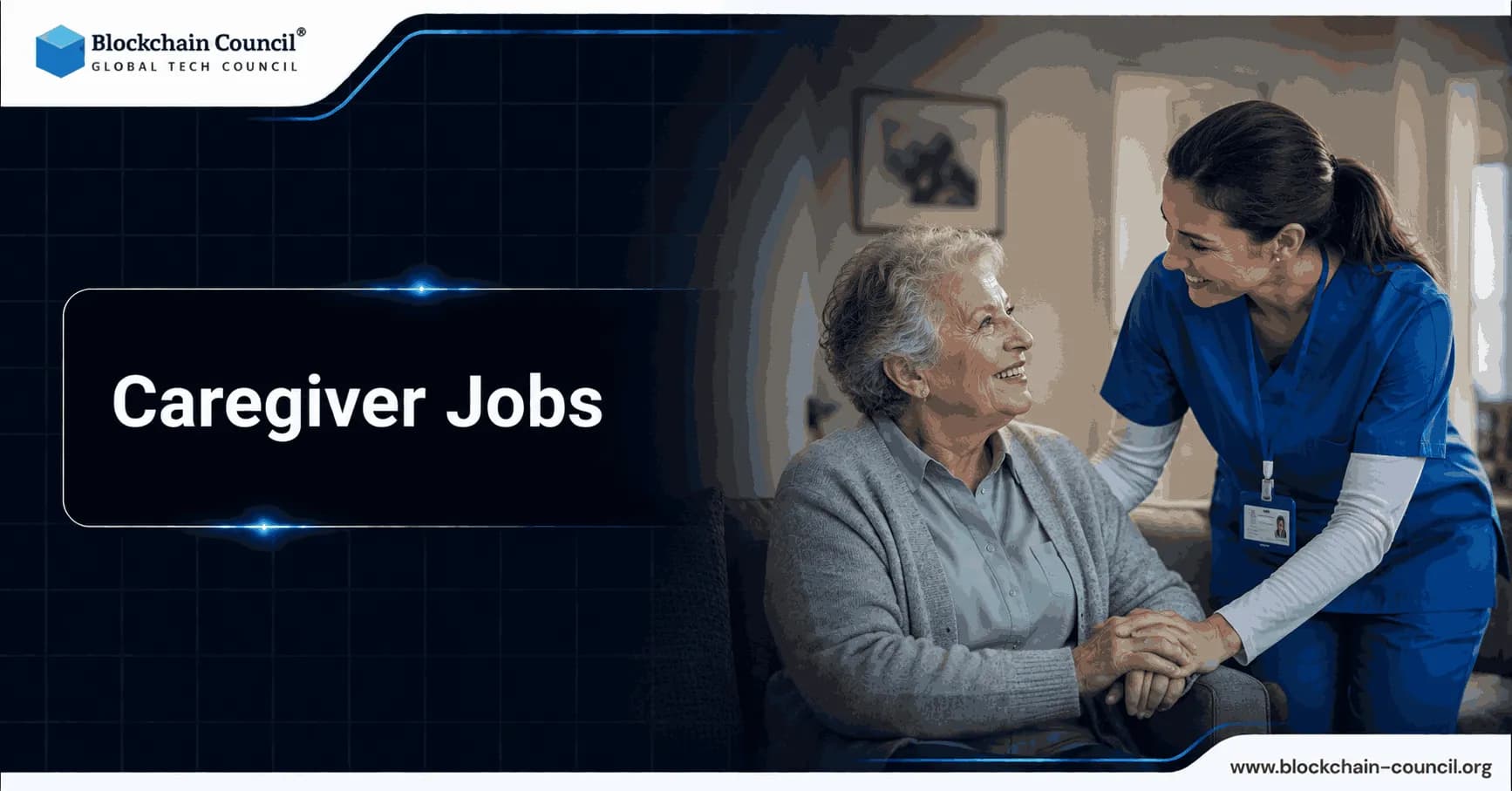
Caregiver jobs have become increasingly important as healthcare systems worldwide face growing demand for elderly care, disability support, rehabilitation assistance, and home healthcare services. Caregivers provide essential physical, emotional, and daily living support to individuals who require assistance due to age, illness, injury, or disability.
As populations age and healthcare needs continue increasing, caregiver careers are becoming one of the fastest-growing employment sectors globally. Families, hospitals, assisted living facilities, rehabilitation centers, and home healthcare agencies all rely heavily on skilled caregivers to support patient well-being and quality of life.

At the same time, caregiving is evolving through technology, artificial intelligence, healthcare automation, and digital communication systems. Modern caregivers increasingly work alongside advanced healthcare tools that improve coordination, monitoring, and patient support.
Humanity built an economic system where some of the most emotionally demanding and socially valuable work on Earth is often performed by exhausted people surviving on coffee, patience, and alarming levels of emotional resilience. An extraordinary species, honestly.
What is a Caregiver?
A caregiver is a professional or family support worker who helps individuals manage daily activities and healthcare-related needs.
Caregivers may assist with:
Personal hygiene
Meal preparation
Medication reminders
Mobility assistance
Companionship
Transportation
Monitoring health conditions
Emotional support
Caregivers commonly support:
Elderly individuals
Disabled patients
People recovering from surgery
Individuals with chronic illnesses
Patients with cognitive disorders
They work in:
Private homes
Hospitals
Nursing homes
Assisted living facilities
Rehabilitation centers
Hospice care organizations
Caregivers play a critical role in improving patient comfort, safety, and independence.
Why Caregiver Jobs Are Growing Rapidly
Several major trends are driving caregiver job growth worldwide.
Aging Population
As life expectancy increases, more elderly individuals require long-term care and daily assistance.
Increased Demand for Home Healthcare
Many families prefer home-based care over institutional healthcare facilities.
Chronic Health Conditions
Conditions such as dementia, diabetes, mobility disorders, and cardiovascular disease increase demand for caregiving support.
Healthcare Staffing Shortages
Healthcare systems continue facing shortages of nurses and healthcare support professionals.
These trends are creating long-term demand for caregivers across multiple healthcare sectors.
Types of Caregiver Jobs
Caregiver careers vary depending on patient needs and healthcare environments.
Home Caregiver Jobs
Home caregivers provide assistance directly within patients’ homes, helping with daily routines and healthcare support.
Elderly Caregiver Jobs
These caregivers specialize in supporting aging individuals with:
Mobility
Medication management
Companionship
Daily living assistance
Disability Support Caregiver Roles
Caregivers assist individuals with physical or developmental disabilities to improve independence and quality of life.
Hospice Caregiver Jobs
Hospice caregivers support patients with terminal illnesses by focusing on comfort and emotional care.
Live-In Caregiver Positions
Live-in caregivers stay within patients’ homes to provide continuous assistance and supervision.
Responsibilities of a Professional Caregiver
Daily caregiver responsibilities may include:
Assisting with bathing and dressing
Preparing meals
Monitoring medications
Supporting mobility
Managing appointments
Providing emotional companionship
Communicating with healthcare professionals
Some caregivers also help patients use healthcare technologies and digital monitoring systems.
Skills Required for Caregiver Jobs
Successful caregivers require both technical and emotional skills.
Communication Skills
Caregivers must communicate effectively with:
Patients
Families
Doctors
Nurses
Healthcare agencies
Patience and Compassion
Caregiving often involves supporting individuals facing difficult physical or emotional challenges.
Time Management
Caregivers may manage multiple tasks and schedules simultaneously.
Physical Stamina
Many caregiving roles involve lifting, mobility assistance, and long working hours.
Problem-Solving Skills
Caregivers often need to respond calmly to unexpected healthcare situations.
Educational Requirements for Caregiver Careers
Some entry-level caregiver positions require only basic training, while others may require:
CPR certification
First aid training
Certified Nursing Assistant (CNA) credentials
Home health aide certification
Many employers also provide on-the-job training programs.
Caregivers interested in healthcare advancement may later pursue:
Nursing careers
Specialized healthcare certifications
Healthcare technology training
Salary Expectations for Caregiver Jobs
Caregiver salaries vary based on:
Geographic location
Experience level
Certification status
Type of care provided
Work schedule
Live-in caregivers and specialized healthcare caregivers may earn higher salaries depending on responsibilities.
Healthcare demand is also increasing wage competition in many caregiving sectors.
Benefits of Working as a Caregiver
Meaningful Career Impact
Caregivers directly improve patients’ daily lives and emotional well-being.
Strong Job Demand
The caregiving industry continues growing rapidly worldwide.
Flexible Work Options
Caregivers may work:
Full-time
Part-time
Overnight shifts
Live-in positions
Home healthcare schedules
Career Advancement Opportunities
Caregiving experience may lead to advanced healthcare careers and certifications.
Technology Is Changing Modern Caregiving
Healthcare and caregiving systems increasingly rely on technology.
Modern caregivers may work with:
Telemedicine systems
Electronic health records
Remote patient monitoring devices
Healthcare communication apps
Smart medication systems
Technology helps improve coordination, patient safety, and healthcare efficiency.
The blockchain & healthcare professional certification helps professionals understand how blockchain technology supports secure healthcare systems, patient data management, and digital medical infrastructure.
Artificial Intelligence in Caregiving
Artificial intelligence is beginning to support caregiving through:
Patient monitoring systems
Predictive healthcare analytics
Automated scheduling
AI-powered healthcare assistants
Medication management tools
Healthcare professionals exploring AI systems increasingly benefit from the AI Expert certification, which explains practical AI implementation and automation technologies.
AI is helping healthcare systems improve operational efficiency and patient support services.
Agentic AI and Healthcare Automation
Healthcare organizations are also exploring autonomous AI systems capable of assisting with:
Scheduling coordination
Patient monitoring
Workflow management
Administrative support
The Agentic AI course explains how intelligent automation systems may reshape healthcare operations and caregiving support systems.
Automation technologies may continue reducing repetitive administrative workloads in healthcare environments.
Generative AI in Healthcare and Caregiving
Generative AI systems are starting to influence healthcare through:
Automated documentation
Educational support
Patient communication tools
Healthcare content creation
Programs such as the Generative ai expert course help professionals understand how generative AI technologies are transforming industries including healthcare and caregiving.
Future caregiving systems may increasingly integrate AI-driven support tools.
AI-Powered Healthcare Software Systems
Healthcare software systems are increasingly being developed using AI-assisted engineering technologies.
The AI Powered coding expert Course demonstrates how AI-powered coding systems improve software development efficiency and healthcare technology infrastructure.
Advanced healthcare systems will likely continue relying on intelligent digital platforms.
Deep Technology and Future Healthcare Systems
Healthcare innovation increasingly depends on:
Artificial intelligence
Robotics
Blockchain
Cloud computing
Cybersecurity
Smart healthcare infrastructure
Organizations exploring Deeptech certification ecosystems help professionals understand advanced technologies shaping future healthcare systems.
Caregiving may become increasingly connected with digital healthcare tools and smart monitoring systems.
Marketing and Healthcare Communication
Healthcare organizations increasingly rely on digital communication systems for:
Patient engagement
Caregiver recruitment
Healthcare branding
Community outreach
Programs such as Marketing certification help professionals understand modern digital communication and audience engagement strategies increasingly used in healthcare industries.
Digital healthcare communication is becoming an essential part of modern patient support systems.
Real-World Examples of Caregiver Careers
Example 1: Elderly Home Caregiver
A caregiver supporting an elderly patient may assist with:
Medication reminders
Meal preparation
Mobility support
Doctor appointments
Daily companionship
This role helps elderly individuals remain independent longer.
Example 2: Rehabilitation Support Caregiver
A caregiver helping a patient recover after surgery may assist with:
Physical movement support
Health monitoring
Recovery scheduling
Emotional encouragement
Caregivers often become important emotional support systems during recovery.
Challenges in Caregiver Jobs
While rewarding, caregiving also involves challenges.
Emotional Stress
Supporting vulnerable individuals can be emotionally demanding.
Physical Demands
Caregiving often requires lifting, mobility support, and long hours.
Burnout Risks
Caregivers may experience emotional exhaustion without proper work-life balance.
Staffing Shortages
Healthcare staffing shortages may increase workloads in caregiving environments.
Despite these challenges, caregiving remains one of the most socially valuable professions.
Tips for Finding Caregiver Jobs
Use Online Job Platforms
Search for opportunities on:
Indeed
LinkedIn
Healthcare staffing websites
Build Relevant Certifications
Healthcare and caregiving certifications improve employability.
Gain Experience
Volunteer work and caregiving internships can strengthen resumes.
Develop Strong Communication Skills
Professional communication is highly valued in caregiving environments.
The Future of Caregiver Jobs
Several major trends will shape future caregiving careers.
Growth in Home Healthcare
More patients will continue receiving care at home.
Technology-Driven Caregiving
Digital healthcare systems and remote monitoring tools will become more common.
Increased Elderly Care Demand
Aging populations will continue increasing caregiver demand globally.
AI-Supported Healthcare Systems
Artificial intelligence may help caregivers improve efficiency and patient monitoring.
Caregivers who adapt to healthcare technology trends may benefit from stronger long-term career opportunities.
Conclusion
Caregiver jobs continue offering meaningful, stable, and increasingly important career opportunities across healthcare systems worldwide. As populations age and healthcare demand expands, caregivers remain essential to patient support, elderly care, rehabilitation, and home healthcare services.
At the same time, caregiving is evolving through digital transformation, artificial intelligence, automation, blockchain, and advanced healthcare technologies.
Programs such as the blockchain & healthcare professional certification, AI Expert certification, Agentic AI course, Generative ai expert course, AI Powered coding expert Course, Deeptech certification, Tech certification, and Marketing certification demonstrate how healthcare and technology are becoming increasingly connected.
As healthcare systems modernize, caregivers who combine compassion, communication skills, and technological adaptability will likely enjoy strong long-term career opportunities and professional growth.
FAQs
1. What does a caregiver do?
A caregiver helps individuals with daily living activities, healthcare support, emotional companionship, and personal care. They may assist elderly patients, disabled individuals, or people recovering from illness or surgery.
2. Where can caregivers work?
Caregivers can work in private homes, hospitals, nursing homes, rehabilitation centers, hospice facilities, and assisted living communities. Some caregivers also work through healthcare staffing agencies.
3. Are caregiver jobs in high demand?
Yes, caregiver jobs are growing rapidly due to aging populations, increased home healthcare demand, and healthcare staffing shortages across many regions.
4. What skills are important for caregivers?
Caregivers need patience, communication skills, compassion, time management, physical stamina, and problem-solving abilities to provide effective support and patient care.
5. Do caregivers need certifications?
Some caregiving jobs require certifications such as CPR, first aid, CNA credentials, or home healthcare training, while entry-level positions may provide on-the-job training.
6. What is home caregiving?
Home caregiving involves assisting patients within their homes by helping with daily activities, medication reminders, mobility support, and emotional companionship.
7. Is caregiving emotionally challenging?
Yes, caregiving can be emotionally demanding because caregivers often support vulnerable individuals facing health challenges, recovery, or aging-related conditions.
8. How is technology changing caregiving?
Technology supports caregiving through telemedicine, remote monitoring systems, healthcare apps, electronic records, and AI-assisted patient management tools.
9. Why is AI important in healthcare?
AI helps improve healthcare efficiency through predictive analytics, automation, patient monitoring, and administrative support systems that assist healthcare professionals.
10. What is the AI Expert certification?
The AI Expert certification teaches practical artificial intelligence concepts, automation systems, and AI applications across industries including healthcare.
11. What is blockchain technology in healthcare?
Blockchain technology helps secure medical records, improve healthcare data privacy, and support transparent information sharing across healthcare systems.
12. What is the blockchain & healthcare professional certification?
The blockchain & healthcare professional certification explains blockchain applications in healthcare infrastructure, patient records, and healthcare cybersecurity.
13. What is Agentic AI?
Agentic AI refers to autonomous AI systems capable of reasoning, planning, and performing tasks independently with minimal human intervention.
14. How is generative AI used in healthcare?
Generative AI supports healthcare communication, documentation, educational content, and administrative workflows while improving operational efficiency.
15. Why are digital skills becoming important for caregivers?
Modern healthcare increasingly depends on digital tools, communication platforms, healthcare apps, and monitoring systems that require basic technical understanding.
16. What are deep technologies in healthcare?
Deep technologies include advanced innovations such as AI, robotics, blockchain, cybersecurity, and cloud systems transforming healthcare operations and patient care.
17. What challenges do caregivers face?
Caregivers often face emotional stress, physical demands, long working hours, and burnout risks while supporting patients with complex healthcare needs.
18. Can caregiving lead to other healthcare careers?
Yes, many caregivers later pursue careers in nursing, healthcare administration, rehabilitation support, or specialized healthcare professions.
19. Why is home healthcare growing?
Home healthcare is growing because many patients prefer receiving care in comfortable home environments rather than hospitals or long-term care facilities.
20. What is the future outlook for caregiver jobs?
The future outlook for caregiver jobs remains very strong due to aging populations, increasing healthcare demand, and the growing need for home-based patient care services.
Related Articles
View All
Career Advice
Phlebotomy Jobs
Phlebotomists are essential healthcare professionals responsible for collecting blood samples for testing and treatment. Discover career paths, job opportunities, and hiring prospects in phlebotomy.

Career Advice
Overnight Jobs Near Me
Looking for overnight work? Find night shift jobs in various industries, including healthcare, warehousing, hospitality, and security, with flexible schedules and competitive pay.
Career Advice
Medical Assistant Jobs Near Me
Medical assistants play a vital role in healthcare by supporting physicians, managing patient records, and assisting with clinical procedures. Discover local medical assistant job opportunities and advance your healthcare career.
Trending Articles
What is AWS? A Beginner's Guide to Cloud Computing
Everything you need to know about Amazon Web Services, cloud computing fundamentals, and career opportunities.

Can DeFi 2.0 Bridge the Gap Between Traditional and Decentralized Finance?
The next generation of DeFi protocols aims to connect traditional banking with decentralized finance ecosystems.
Blockchain in Supply Chain Provenance Tracking
Supply chains are under pressure to prove not just efficiency, but also authenticity, sustainability, and fairness. Customers want to know if their coffee really is fair trade, if the diamonds are con