Blockchain for Food Safety

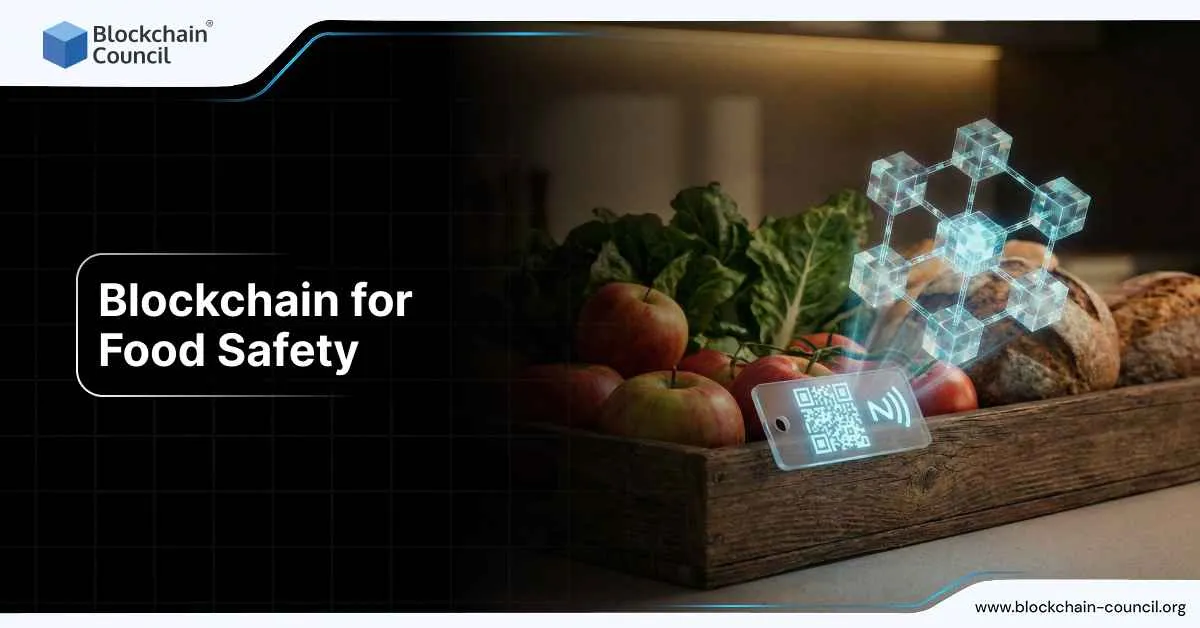
Blockchain improves food safety by providing clear, secure, and unchangeable records for every step of the food supply chain. From farms and factories to supermarkets and restaurants, blockchain makes it possible to track where food comes from, how it was handled, and whether it is safe to eat. This ensures faster recalls, fewer cases of fraud, and more trust between producers, regulators, and consumers. For those interested in working with these systems, taking a Blockchain Course is a practical way to gain the right knowledge.
Why Food Safety Needs Blockchain
Food supply chains are often global and complex. A single product can pass through farmers, processors, distributors, retailers, and finally, consumers. This creates challenges such as:

- Difficulty tracing contamination sources
- Delays in removing unsafe food from shelves
- Counterfeit or mislabeled products entering the market
- Lack of transparency for consumers and regulators
Blockchain solves these issues by storing each transaction on a shared ledger. Once entered, the data cannot be changed, which ensures accountability across the entire supply chain.
How Blockchain Works in Food Safety
When food moves from one stage to another, a record is added to the blockchain. This record might include details about origin, storage conditions, transport routes, and safety checks. Everyone involved—farmers, retailers, regulators, and consumers—can view the same data in real time.
Smart contracts add automation. For example, if a shipment of frozen fish exceeds a safe temperature, the system can automatically flag or stop it from reaching stores. This makes the system both secure and proactive.
Real-World Applications
Several companies and organizations already use blockchain to improve food safety:
- Walmart and IBM worked together to track mangoes. What once took seven days to trace now takes just over two seconds.
- Carrefour and Bumblebee Foods use blockchain to let customers scan QR codes and check where their tuna or organic goods came from.
- Provenance applies blockchain to seafood supply chains to stop illegal fishing and mislabeling.
- BioTrak combines blockchain with IoT sensors to ensure proper conditions for temperature-sensitive food items.
These examples prove blockchain can reduce risks and make food systems more transparent.
Benefits of Blockchain in Food Safety
Blockchain provides multiple benefits that directly improve public health and consumer trust.
Benefits of Blockchain in Food Safety
| Benefit | Description | Example | Impact |
| Traceability | Tracks food origin in seconds | Walmart mango project | Faster recalls |
| Transparency | All parties share the same data | Carrefour blockchain tuna | Builds consumer trust |
| Accountability | Records cannot be changed | Provenance seafood | Reduces fraud |
| Faster recalls | Contaminated items removed quickly | IBM Food Trust pilots | Limits health risks |
This table shows how blockchain helps at every stage of food distribution.
Challenges to Adoption
Blockchain is powerful, but adoption is not without challenges:
- Many supply chains lack digital infrastructure to connect with blockchain
- Smaller food producers may struggle with costs
- Data entry must be accurate, otherwise blockchain will still store incorrect information
- Regulations vary across regions and may slow integration
These hurdles must be addressed before blockchain can scale across global food systems.
Research and New Innovations
Researchers are testing ways to expand blockchain in food safety. For example:
- AI combined with blockchain is being used for halal food traceability, ensuring authenticity from production to sale.
- Platforms like BioTrak track not just origins but also storage conditions such as temperature and humidity.
- Studies highlight blockchain’s ability to protect against food fraud by verifying product authenticity across global supply chains.
Challenges and Solutions in Food Safety Blockchain
| Challenge | Description | Impact | Possible Solution |
| Infrastructure gaps | Many producers lack digital tools | Slows adoption | Government and NGO support |
| Cost barriers | High setup costs for small suppliers | Limits access | Shared blockchain platforms |
| Data accuracy | Wrong data still possible | Reduces reliability | Verification at each step |
| Regulatory issues | Rules vary by country | Slows scaling | International standards |
This table outlines what must be solved before blockchain can be widely adopted in food systems.
Opportunities for Professionals
As food companies and governments adopt blockchain, new opportunities are opening for experts in technology, data, and business. Professionals can work on building systems, analyzing data, or designing transparent food traceability models.
A Best Blockchain Course helps in gaining technical skills to design such systems. A Data Science Certification provides the knowledge to analyze supply chain data effectively. Leaders aiming to apply these solutions in the business world can benefit from a Marketing and Business Certification to connect blockchain with consumer needs.
The Future of Blockchain in Food Safety
The future of food safety will rely on digital transparency. Blockchain will allow consumers to scan a code and know instantly whether their food is safe, sustainable, and authentic. Governments will use it for faster recalls and better regulation, while companies will strengthen their brands with trust and accountability.
Conclusion
Blockchain is making food safer by improving traceability, transparency, and accountability. It shortens recall times, prevents fraud, and builds trust across the food chain. Although challenges remain with cost, infrastructure, and regulation, the progress already seen with global retailers shows its potential.