

AI Art-Amber com Domain Safety Analysis

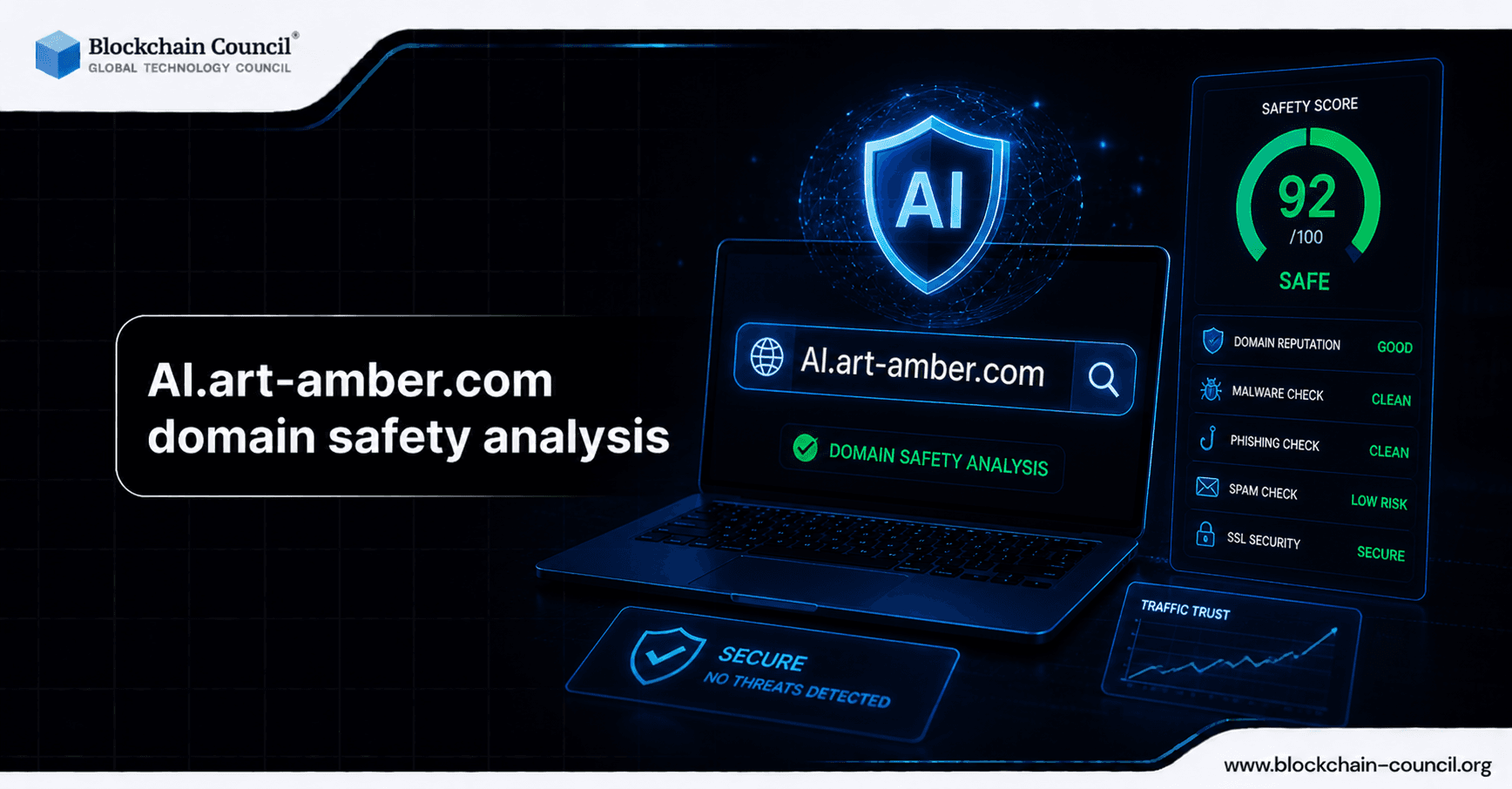
In the digital era, users frequently interact with online platforms for services related to artificial intelligence, content creation, and digital tools. However, not all websites are equally secure or trustworthy. Conducting a domain safety analysis is essential before engaging with any platform, especially those offering AI-based services.
The domain AI Art-Amber com appears to be associated with AI-driven art or creative tools. While such platforms are increasingly popular, users must evaluate their safety, reliability, and compliance with cybersecurity standards.

This article provides a comprehensive analysis of domain safety, focusing on AI Art-Amber com as a case study. It explores security indicators, potential risks, evaluation techniques, and best practices for users. It also highlights the importance of AI expertise through certifications such as AI expert certification, Claude AI Certification, and ChatGPT Expert certification.
What is Domain Safety Analysis?
Domain safety analysis is the process of evaluating a website to determine its trustworthiness, security, and potential risks. This involves checking various factors such as:
Domain registration details
SSL certification
Website content and functionality
User reviews and reputation
Malware and phishing risks
The goal is to ensure that users can interact with the website safely.
Overview of AI Art-Amber com
The domain AI Art-Amber com suggests a platform focused on AI-generated art or creative tools. Such platforms typically offer features like:
Image generation
AI-based design tools
Creative content automation
While these services are valuable, they also require users to upload data or interact with software, making security evaluation important.
Key Factors in Domain Safety Analysis
SSL Certificate and Encryption
A secure website should use HTTPS with a valid SSL certificate. This ensures that data transmitted between the user and the website is encrypted.
Domain Age and Registration
Older domains with transparent registration details are generally more trustworthy than newly created or anonymous domains.
Website Design and Functionality
Professional design and functionality often indicate legitimacy, while poorly designed sites may raise concerns.
User Reviews and Reputation
Feedback from users provides insights into the platform’s reliability and performance.
Malware and Phishing Checks
Security tools can identify whether a website contains malicious content or phishing attempts.
Security Evaluation of AI Art-Amber com
HTTPS and Encryption
Users should verify whether the domain uses HTTPS. Lack of encryption can expose sensitive data.
Content Transparency
A legitimate platform should clearly explain its services, terms of use, and privacy policies.
Data Handling Practices
AI platforms often require user data. It is important to ensure that data is handled securely and responsibly.
Third-Party Integrations
Integration with external tools can introduce security risks if not properly managed.
Common Risks Associated with AI Domains
Data Privacy Issues
Users may unknowingly share sensitive data with unverified platforms.
Malware and Phishing
Some domains may host malicious software or attempt to steal user information.
Lack of Transparency
Unclear ownership or policies can indicate potential risks.
Overpromising Features
Platforms that make unrealistic claims may not deliver reliable services.
Real-World Examples
AI Art Platforms
Many AI art platforms have gained popularity, but some have faced criticism for data usage and security concerns.
Phishing Websites
Fake AI platforms sometimes mimic legitimate services to deceive users.
Secure Platforms
Trusted platforms prioritize transparency, encryption, and user protection.
Professionals developing such platforms can enhance their skills through the AI Powered coding expert Course.
Role of AI in Domain Security
AI itself is being used to improve cybersecurity by:
Detecting suspicious activities
Identifying malware
Monitoring network traffic
Enhancing threat detection
Benefits of Domain Safety Analysis
Protection of Personal Data
Users can avoid sharing sensitive information with unsafe platforms.
Reduced Risk of Cyber Attacks
Identifying threats early prevents potential harm.
Improved Decision-Making
Users can choose reliable platforms confidently.
Enhanced Trust
Safe platforms build user confidence and credibility.
Challenges in Domain Safety Analysis
Rapid Website Creation
New domains are created frequently, making monitoring difficult.
Sophisticated Cyber Threats
Hackers use advanced techniques to bypass security measures.
Limited Public Information
Some domains provide minimal information, making evaluation challenging.
Importance of AI Skills in Cybersecurity
Understanding AI and cybersecurity is essential in today’s digital landscape. Certifications such as:
help professionals develop expertise in AI and security.
For marketing professionals, understanding secure platforms is also important. The AI powered digital marketing course provides insights into safe digital practices.
Best Practices for Evaluating Domain Safety
Check HTTPS and SSL certificates
Review privacy policies
Research user feedback
Use security tools for scanning
Avoid sharing sensitive data
Ethical Considerations
Users and developers must ensure:
Responsible data usage
Transparency in operations
Protection of user privacy
Future of Domain Safety in AI Platforms
The future includes:
AI-driven security tools
Improved threat detection
Stronger regulations
Enhanced user awareness
AI will continue to play a critical role in improving cybersecurity.
Conclusion
Domain safety analysis is essential for ensuring secure and reliable online interactions. While AI Art-Amber com may offer AI-based services, users should carefully evaluate its security, transparency, and reputation before engaging with it.
By understanding key security factors and following best practices, users can protect themselves from potential risks and make informed decisions. As AI continues to evolve, the importance of cybersecurity and domain safety will only increase.
FAQs
1. What is domain safety analysis?
Domain safety analysis is the process of evaluating a website’s security and reliability. It involves checking factors such as SSL certificates, domain age, and user reviews. The goal is to identify potential risks. It helps users avoid unsafe websites. Security tools can assist in this process. It is essential for safe browsing.
2. Why is domain safety important?
Domain safety is important because it protects users from cyber threats. Unsafe websites can lead to data theft or malware infections. Evaluating domains reduces risks. It ensures secure interactions. Users can trust reliable platforms. Safety is critical in the digital world.
3. How can I check if a domain is safe?
You can check domain safety by verifying HTTPS, reading reviews, and using security tools. Checking domain age and ownership helps. Avoid suspicious websites. Research is important. Awareness improves safety. It is a simple but effective process.
4. What is HTTPS in domain safety?
HTTPS is a secure protocol that encrypts data between the user and the website. It ensures privacy and security. Websites without HTTPS are less secure. Users should prefer HTTPS sites. It is a key safety indicator. Encryption protects data.
5. What are common risks of unsafe domains?
Common risks include malware, phishing, and data theft. Users may lose sensitive information. Financial losses can occur. Devices may be compromised. Awareness helps prevent risks. Security is essential.
6. How does AI help in domain safety?
AI helps detect threats and analyze patterns. It identifies suspicious activities. Security systems use AI for monitoring. Threat detection improves. Automation enhances efficiency. AI strengthens cybersecurity.
7. Can AI platforms be unsafe?
Yes, some AI platforms may lack proper security measures. Users should evaluate them carefully. Data privacy is important. Not all platforms are reliable. Research helps. Safe usage is necessary.
8. What should I check before using an AI website?
Check HTTPS, privacy policies, and user reviews. Verify the platform’s reputation. Avoid sharing sensitive data. Use security tools. Awareness is key. These steps improve safety.
9. Is AI Art-Amber com safe to use?
Safety depends on factors such as encryption and transparency. Users should verify these aspects. Research is important. Avoid sharing sensitive information initially. Use caution. Evaluate before use.
10. What is phishing?
Phishing is a cyber attack where attackers trick users into sharing information. Fake websites are often used. Users should be cautious. Verify URLs carefully. Avoid suspicious links. Awareness prevents attacks.
11. How can I protect my data online?
Use secure websites and strong passwords. Avoid sharing sensitive information. Update software regularly. Use antivirus tools. Stay informed about threats. Protection is essential.
12. What is domain reputation?
Domain reputation refers to how trustworthy a website is. It is based on user feedback and security checks. Good reputation indicates reliability. Poor reputation raises concerns. Research helps. It influences trust.
13. Are free AI tools safe?
Some free tools are safe, while others may not be. Users should evaluate them carefully. Check reviews and policies. Avoid risky platforms. Awareness is important. Safety varies.
14. How does domain age affect safety?
Older domains are generally more trustworthy. New domains may be riskier. However, age alone is not enough. Other factors matter. Evaluation is necessary. Safety depends on multiple aspects.
15. What is malware?
Malware is harmful software designed to damage systems or steal data. It can be spread through unsafe websites. Users should avoid suspicious platforms. Security tools help detect it. Protection is important. Awareness prevents issues.
16. Can small websites be safe?
Yes, small websites can be safe if they follow security practices. Size does not determine safety. Proper measures are important. Users should evaluate them carefully. Trust depends on factors. Safety is possible.
17. What tools can check domain safety?
Tools like antivirus software and online scanners can check domain safety. They detect threats and vulnerabilities. Users should use reliable tools. Regular checks improve security. Tools are helpful. They enhance safety.
18. Why is transparency important in websites?
Transparency builds trust and ensures accountability. Users can understand how data is used. Clear policies are important. Lack of transparency raises concerns. Trust improves with clarity. It is essential.
19. What is data privacy in AI platforms?
Data privacy refers to how user data is collected and used. AI platforms must protect this data. Users should review policies. Responsible usage is important. Privacy ensures safety. Awareness is key.
20. How can I stay safe online?
Stay informed about cybersecurity practices. Use secure websites and tools. Avoid suspicious links. Protect personal information. Update systems regularly. Awareness ensures safety.
Related Articles
View All
Info
Domain Name Search and Registration: A Practical Guide and 50 Best Websites
Learn Domain Name Search and Registration with best practices, security tips, lifecycle stages, and a curated list of 50 best websites for registrars and tools.

Info
AI-Powered Media and Sentiment Analysis Leading Firms
Explore how AI-powered media and sentiment analysis firms help organizations monitor public opinion, track trends, and analyze digital conversations in real time.

Info
VeChain Price Prediction: Supply Chain Adoption and What It Means for VET
VeChain's future price potential depends on enterprise adoption, supply chain activity, and developments in its dual-token ecosystem. Explore VET's tokenomics, StarGate staking, Galactica upgrades, technical price levels, and the key factors that could influence its long-term outlook.
Trending Articles
How to Install Claude Code
Learn how to install Claude Code on macOS, Linux, and Windows using the native installer, plus verification, authentication, and troubleshooting tips.
Blockchain in Supply Chain Provenance Tracking
Supply chains are under pressure to prove not just efficiency, but also authenticity, sustainability, and fairness. Customers want to know if their coffee really is fair trade, if the diamonds are con
How to Create Claude Skills?
Claude Skills are one of the most important features Anthropic has introduced for users who want automation that is structured, consistent and reusable. Instead of giving Claude long instructions ever