

Top 10 Innovative Fintech Business Models in 2026

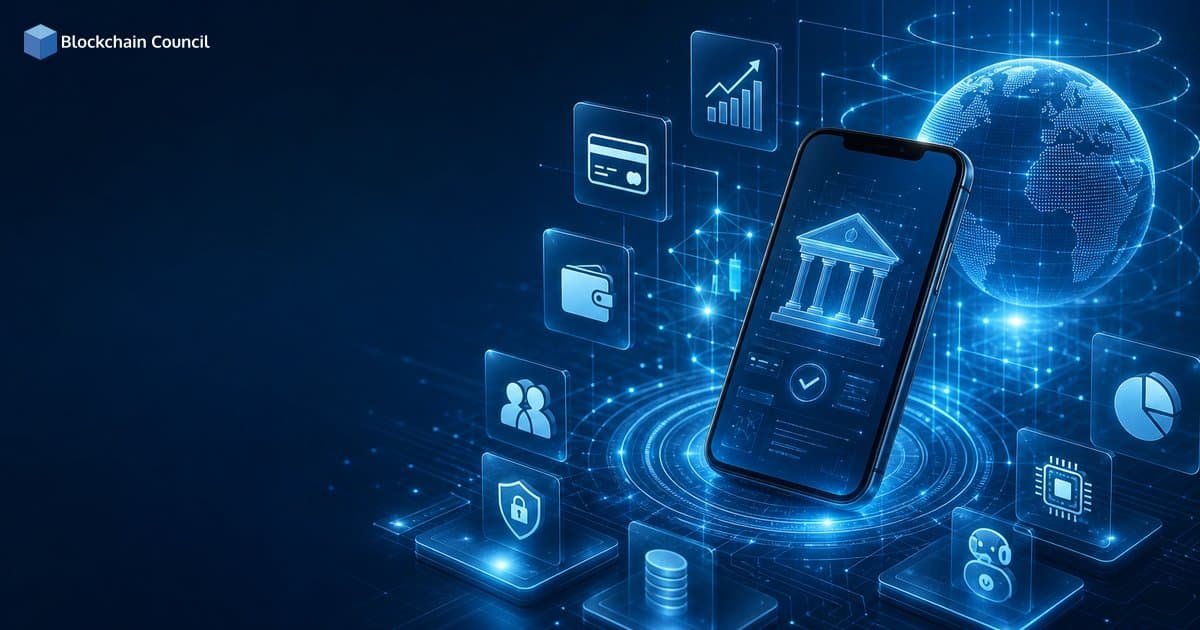
The Top 10 Innovative Fintech Business Models in 2026 reflect a major shift in how financial services are built, distributed, and monetized. The strongest fintech models are now AI-native, API-first, data-driven, and deeply integrated into everyday digital journeys. Rather than competing with banks only through mobile apps, fintech companies are increasingly becoming infrastructure providers, embedded finance enablers, and specialized platforms for lending, payments, insurance, investing, and blockchain-based services.
The global fintech market has continued to mature, with tens of thousands of startups competing across payments, banking, lending, wealth, insurance, and crypto. Industry analysis from firms such as Plaid and others points to open banking, AI-driven fraud prevention, embedded finance, regtech, and alternative payments as the forces shaping the next phase of fintech growth. Below are the business models that professionals, founders, developers, and enterprises should understand in 2026.

1. Alternative Credit Scoring
Alternative credit scoring is one of the most important fintech business models because it addresses a persistent problem: traditional credit systems often exclude thin-file customers, gig workers, immigrants, freelancers, and small businesses.
This model uses non-traditional data such as bank transactions, income patterns, payroll data, employment history, utility payments, and business cash flow. AI models then assess risk more dynamically than legacy credit scores. Providers typically deliver these insights through APIs to banks, BNPL platforms, neobanks, and lending marketplaces.
How It Makes Money
- Per-score or per-API-call fees
- SaaS subscriptions for lenders
- Revenue share on approved loans
- Risk analytics and portfolio monitoring tools
In 2026, explainable AI is critical. Lenders need models that are accurate, fair, auditable, and compliant with credit regulations. Professionals exploring this area can strengthen their skills through Blockchain Council programs related to AI, fintech, and data-driven decision systems.
2. Alternative Insurance Underwriting
Alternative insurance underwriting uses richer data to price risk more precisely. Instead of relying only on broad demographic categories and historical claims, insurtech firms analyze telematics, health data, behavioral signals, IoT data, and lifestyle indicators.
This supports usage-based insurance, dynamic premiums, and more personalized coverage. For example, auto insurance can be priced based on actual driving behavior, while health or life insurance may factor in wearable data, subject to privacy and regulatory limits.
Revenue Model
- Premium margin for digital insurers or managing general agents
- SaaS licensing to traditional insurers
- Underwriting-as-a-service fees
- Data and analytics products for carriers
The opportunity is significant, but so are the risks. Regulators are paying close attention to bias, consent, privacy, and model transparency in AI-powered underwriting.
3. Transaction Delivery and Data Monetization Platforms
Transaction delivery platforms offer free or low-cost tools such as budgeting apps, expense management systems, invoice tools, or cash-flow dashboards. Their core value lies in organizing user financial data and turning that data into actionable recommendations.
These platforms may recommend loans, insurance, investment products, payment tools, or savings accounts based on transaction behavior. For small businesses, AI-powered spend intelligence and cash-flow forecasting are especially valuable, since many SMEs still rely on fragmented spreadsheets and manual processes.
Why It Matters in 2026
As open banking expands, consent-based data access allows fintech platforms to deliver more accurate insights. Sustainable models, however, depend on clear user consent, strong cybersecurity, and a transparent value exchange.
4. Peer-to-Peer and Marketplace Lending
Peer-to-peer lending connects borrowers directly with individual or institutional investors. Marketplace lending extends this concept by using platforms to match consumers, SMEs, or specific borrower segments with capital providers.
Rather than holding all loans on their own balance sheet, platforms often earn origination, servicing, and management fees. The model is now increasingly infrastructure-driven, with embedded lending APIs allowing ecommerce platforms, vertical SaaS tools, and SME software providers to offer financing inside their own products.
Key Strengths
- Faster loan access for underserved borrowers
- Diversified yield opportunities for investors
- AI-based underwriting and open banking data integration
- Scalable digital onboarding and servicing
Future growth depends on strong KYC, collections, risk management, and investor protection frameworks.
5. Small-Ticket Loans and BNPL
Buy Now Pay Later and small-ticket lending models provide instant micro-credit at checkout. They became popular because traditional banks often avoided small loans due to high processing costs and limited profitability.
BNPL providers earn through merchant fees, interest-bearing installment plans, interchange, and sometimes late payment fees. In 2026, the model is moving beyond consumer ecommerce into B2B BNPL, invoice financing, inventory financing, and embedded credit for SMEs.
What Is Changing
Regulators are increasing scrutiny of affordability checks, disclosures, and consumer credit reporting. As a result, the most resilient BNPL providers are integrating alternative credit scoring, clearer repayment terms, and stronger compliance workflows.
6. Payment Gateways and Payment Orchestration
Payment gateways remain a foundational fintech business model. They enable merchants to accept cards, digital wallets, bank transfers, local payment methods, and increasingly crypto or stablecoin payments.
The innovation in 2026 is payment orchestration. Instead of simply processing transactions, platforms route payments across multiple providers to improve approval rates, reduce cost, support cross-border transactions, and manage fraud.
Revenue Streams
- Transaction fees
- Foreign exchange spreads
- Fraud prevention tools
- Chargeback management
- Analytics and reconciliation services
Plaid has reported growing adoption of account-to-account and pay-by-bank payments, with peer-to-peer bank payments projected to reach a large share of US mobile users in the coming years. This shift makes alternative payment rails a major opportunity for fintech companies and developers.
7. Asset Management and Zero-Commission Investing
Digital asset management platforms changed investing by offering commission-free trading, fractional shares, automated portfolios, and mobile-first brokerage experiences. In 2026, the model is expanding into AI-powered financial planning, robo-advisory, tax optimization, and personalized portfolio construction.
Revenue may come from payment for order flow where permitted, interest on cash balances, margin lending, premium subscriptions, advisory fees, and securities lending. Transparency is becoming essential, as regulators examine conflicts of interest and hidden costs.
Future Direction
The next generation of wealthtech platforms will likely focus less on speculative trading and more on long-term financial wellness, automated advice, retirement planning, and multi-asset portfolios that may include tokenized assets.
8. Digital Banking and BaaS-Led Models
Digital banks, or neobanks, deliver banking services without traditional branch networks. They offer digital accounts, cards, payments, budgeting tools, savings features, and business banking through mobile and web platforms.
Revenue sources include interchange, interest spreads, subscription fees, lending, and value-added services. A major 2026 trend is Banking-as-a-Service, in which licensed infrastructure providers allow non-bank companies to offer accounts, cards, and embedded financial products.
Where Neobanks Are Heading
- Specialized banking for freelancers, creators, SMEs, and migrant workers
- Integrated payroll, invoicing, tax, and expense tools
- Open banking data for personalized financial insights
- Embedded lending and insurance inside digital accounts
Professionals interested in this area may benefit from related Blockchain Council learning paths in fintech, blockchain, AI, cybersecurity, and Web3 infrastructure.
9. Digital Insurance
Digital insurance providers bring the full insurance lifecycle online, including quote generation, onboarding, underwriting, policy management, claims submission, and customer support.
This model often overlaps with alternative underwriting and embedded insurance. For example, travel insurance can be offered during flight booking, shipping insurance during ecommerce checkout, or freelancer insurance within a gig-work platform.
Why It Is Innovative
Digital insurance reduces friction, automates claims, and enables more granular risk pricing. It also opens opportunities for micro-insurance, SME insurance, and coverage for underserved groups. The challenge is ensuring that digital policies remain transparent, suitable, and compliant.
10. Blockchain-Based Fintech and Tokenization
Blockchain-based fintech uses distributed ledger technology for payments, lending, settlement, custody, compliance, and asset tokenization. In 2026, the strongest blockchain fintech models are shifting from speculative use cases toward enterprise and regulated financial infrastructure.
Examples include stablecoin-based cross-border payments, tokenized deposits, on-chain settlement, crypto tax automation, digital asset custody, and tokenization of real-world assets such as real estate, private credit, bonds, or funds.
Revenue Model
- Protocol or transaction fees
- Custody and compliance SaaS fees
- On-ramp and off-ramp spreads
- Tokenization platform fees
- Enterprise blockchain infrastructure subscriptions
As regulatory clarity improves in areas such as stablecoins, AML, custody, and tax reporting, blockchain fintech is likely to become more integrated with traditional banking and capital markets. Blockchain Council certifications such as Certified Blockchain Expert and related Web3 programs offer useful learning paths for professionals evaluating this space.
Common Patterns Across the Top Fintech Business Models
The Top 10 Innovative Fintech Business Models in 2026 share several structural characteristics:
- AI-first operations: AI supports underwriting, fraud detection, personalization, customer service, and financial planning.
- API-first distribution: Fintech products are increasingly embedded into third-party platforms through APIs.
- Compliance by design: Sustainable models prioritize KYC, AML, privacy, explainability, and regulatory reporting.
- Open banking integration: Consent-based data sharing improves payments, lending, budgeting, and advisory services.
- B2B and infrastructure focus: Many high-growth fintech firms now serve enterprises, SMEs, and platforms rather than only consumers.
Conclusion
The Top 10 Innovative Fintech Business Models in 2026 show that fintech is no longer just about digital wallets or mobile banking apps. The industry is moving toward intelligent infrastructure, embedded financial services, data-led risk models, real-time payments, personalized insurance, and blockchain-enabled settlement.
For professionals and enterprises, the key lesson is clear: fintech innovation now sits at the intersection of finance, AI, APIs, compliance, cybersecurity, and digital trust. Those who understand these models will be better positioned to build, evaluate, regulate, or invest in the next generation of financial technology.
Related Articles
View All
Fintech
Fintech 2026: Top Trends in AI-Driven Banking, Embedded Finance, and Real-Time Payments
Fintech 2026 brings AI-driven banking, embedded finance, and real-time payments together into an API-first stack that reshapes risk, customer experience, and settlement.

Fintech
Top 5 Fintech Cyber Security Risks and Best Practices
Explore the top Fintech cyber security risks, including data breaches, API flaws, fraud, ransomware, and vendor exposure, plus key best practices.

Fintech
Fintech Cybersecurity Checklist: Protecting Digital Wallets, Payment Gateways, and Customer Data
A practical fintech cybersecurity checklist to secure digital wallets, payment gateways, and customer data with layered controls, testing, and compliance alignment.
Trending Articles
The Role of Blockchain in Ethical AI Development
How blockchain technology is being used to promote transparency and accountability in artificial intelligence systems.

Can DeFi 2.0 Bridge the Gap Between Traditional and Decentralized Finance?
The next generation of DeFi protocols aims to connect traditional banking with decentralized finance ecosystems.

Claude AI Tools for Productivity
Discover Claude AI tools for productivity to streamline tasks, manage workflows, and improve efficiency.