

Open Banking vs. Open Finance: Key Differences, APIs, and Use Cases for Fintech Teams

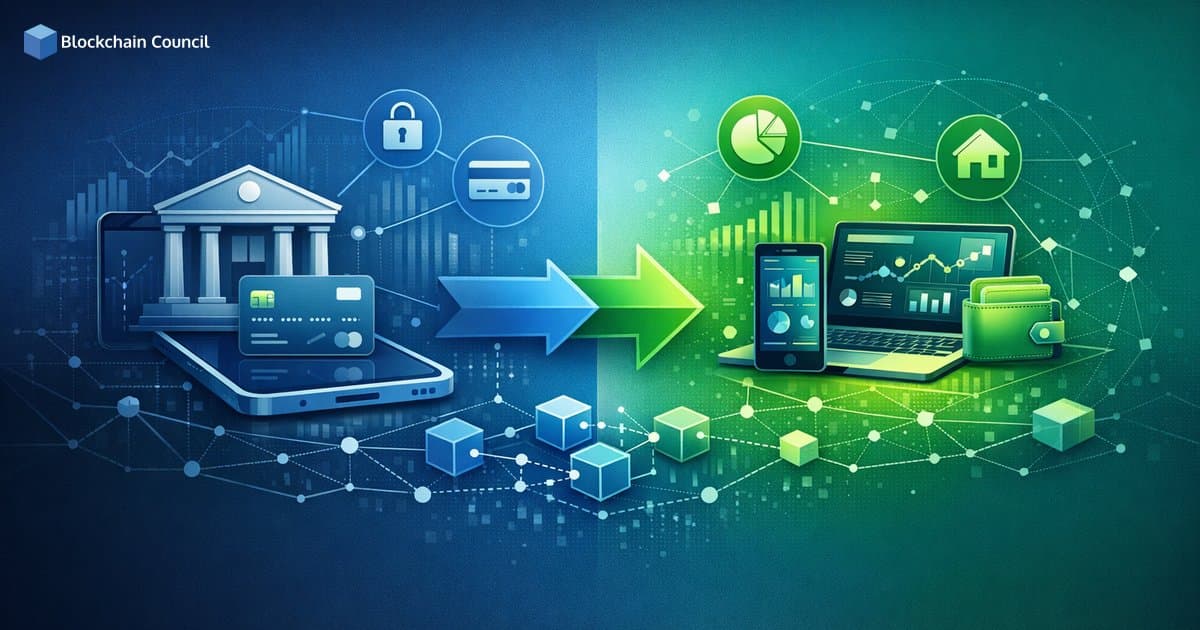
Open banking vs. open finance is a practical question for fintech product and engineering teams building account aggregation, payments, lending, wealth, or embedded finance experiences. While the terms are related, they represent different scopes of permissioned data sharing via APIs. Open banking focuses on bank account and payment data, while open finance expands the same consent-driven model to additional financial products like investments, pensions, insurance, and credit.
What is open banking?
Open banking is the practice of banks and payment account providers exposing standardized APIs that allow authorized third parties to access customer-permissioned data and initiate payments. In the UK and EU especially, open banking has been shaped by regulation and common technical standards.

What open banking typically covers
- Account information: accounts, balances, transaction history, and selected identity attributes
- Payment initiation: initiating payments on behalf of a customer after explicit consent
- Optional extensions in some ecosystems: confirmation of funds and variable recurring payments
What is open finance?
Open finance applies the same principles as open banking - permissioned access, secure APIs, and customer control - across a wider range of financial products and datasets. It gives users a holistic way to share and use their financial data across providers, extending well beyond payment accounts.
What open finance can include
- Credit: credit cards, loans, mortgages, repayment schedules
- Investments: brokerage accounts, holdings, valuations, transactions
- Pensions and retirement: balances, contribution history, projections
- Insurance: policies, coverage, premiums, claims history
- SME finance: business accounts, credit lines, treasury-related data
- Crypto and fintech accounts: wallet balances and related activity, depending on the model and jurisdiction
Open banking vs. open finance: key differences that matter to teams
The simplest distinction is scope, but the implications extend into architecture, compliance, and product strategy.
1. Data scope and product coverage
Open banking typically covers current accounts and payment accounts. Open finance expands to a user's broader financial life, including long-term savings and risk products such as pensions and insurance.
2. Regulatory maturity
Open banking is already in production at scale across multiple markets. The UK reported more than 11 million consumers and small businesses using open-banking-enabled services by early 2024, with roughly 750,000 SMEs using open-banking connections for cash flow and accounting tools. Open finance regulation is still developing in most regions, often progressing through consultations or phased programs.
3. Standardization and interoperability
Open banking relies on relatively mature API profiles in key markets, including the UK Open Banking ecosystem and the Berlin Group standards used across parts of Europe. Open finance faces a harder challenge: investments, pensions, and insurance products often have inconsistent data models and fall under multiple regulators.
4. Consent complexity
Both models require explicit user consent, but open finance tends to involve:
- More granular scopes (per product, per dataset, per purpose)
- More providers within a single user journey
- More sensitive data categories (retirement assets, insurance, portfolio detail)
APIs and architecture: what engineering teams should expect
From an implementation standpoint, both open banking and open finance commonly use RESTful APIs combined with strong identity, security, and consent controls.
Shared technical foundations
- OAuth 2.0 and OpenID Connect for authorization and authentication, typically aligned with financial-grade API security profiles
- Consent orchestration that records what a user approved, for which data, for what duration, and how consent can be revoked
- Read APIs for accounts, balances, transactions, and identity attributes
- Write or action APIs for payments and, in broader open finance models, servicing requests - subject to local rules
Common open banking API families
- Account Information APIs: accounts, balances, transactions, account holder data
- Payment Initiation APIs: one-time and recurring payments, including account-to-account flows
- Funds checks and recurring payment models (market-dependent): confirmation of funds and variable recurring payments
How open finance expands the API surface
- Investments: positions, holdings, performance, transactions, valuations
- Pensions: plan identifiers, contributions, current value, projections
- Insurance: policy details, premium schedules, claims history, coverage metadata
- Credit: credit card statements, loan schedules, utilization and repayment data
- Crypto connectivity: balances and holdings where treated as part of the broader financial account universe
For fintech builders, the shift from open banking to open finance is less about changing transport protocols and more about data modeling, consent design, and compliance workflows.
Practical use cases for fintech teams
Most teams begin with open banking features and expand into open finance experiences as data coverage grows.
Open banking use cases
- Account aggregation and personal financial management
Unify balances and transactions across multiple banks to power categorization, budgeting, and alerts.
- SME cash flow analytics
Connect business accounts to deliver real-time cash flow visibility, reconciliation, and forecasting. UK adoption data shows strong demand from SMEs using accounting-connected experiences.
- Account-to-account payments at checkout
Use payment initiation APIs to offer bank-based checkout as an alternative to card rails, typically paired with instant confirmation and a streamlined payment experience.
- Lending decisioning and affordability assessment
With user consent, analyze transaction history for income verification and affordability checks, complementing or improving on bureau-only decisioning.
- Debt and savings automation
Combine transaction insights with payment initiation to build automated payment plans, bill management, or savings rules tied to actual cash flow patterns.
Open finance use cases
- Holistic financial dashboards
Aggregate banking, credit, investments, pensions, and insurance into a single experience for net worth tracking, financial planning, and health monitoring.
- Personalized credit offers using broader datasets
Blend bank transaction behavior with credit and asset data to tailor pricing, limits, and product fit. This approach can support financial inclusion by allowing users to demonstrate stability through alternative data signals.
- Retirement and wealth management orchestration
Power pension aggregation, goal-based planning, and advisory workflows that account for the user's full portfolio, not just checking account activity.
- Insurance comparison and embedded insurance
Use consented policy data to reduce friction in quoting and comparisons, and improve coverage recommendations within commerce or platform experiences.
- SME and corporate finance orchestration
Unify business banking, credit, FX, and insurance data to support treasury-style dashboards, risk monitoring, and tailored funding options.
- Digital asset visibility
Where supported and permitted, incorporate crypto and alternative assets into holistic net worth views, tax reporting, and risk profiling.
Implementation considerations: security, consent, and governance
Both open banking and open finance increase the value and sensitivity of the data your product handles, raising the bar for engineering and risk teams.
- Security by design: strong encryption, secure token handling, least-privilege scopes, and rigorous monitoring
- Consent UX and auditability: clear disclosure, purpose limitation, easy revocation, and tamper-evident logs
- Jurisdiction-aware compliance: requirements differ across markets, and open finance can bring additional regulators into scope, including securities and insurance authorities beyond standard banking oversight
- Data normalization: plan for inconsistent identifiers and taxonomies across investments, pensions, and insurance providers
- Vendor and aggregator strategy: many teams partner with aggregators and connectivity providers rather than integrating directly with every institution
Building skills for open banking and open finance development
For teams building or governing these systems, relevant skills span security, digital assets, and applied AI for personalization:
- Certified Blockchain Expert - for teams working with digital assets, settlement concepts, and cryptographic primitives
- Certified Smart Contract Developer - for programmable finance and on-chain integrations where relevant
- Certified AI Engineer - for personalization, risk modeling, and responsible AI practices in financial products
- Certified Cybersecurity Expert - for secure API design, identity management, and breach readiness
Conclusion
Open banking vs. open finance is ultimately a question of scope and ambition. Open banking delivers standardized, permissioned access to bank accounts and payments, enabling proven use cases such as aggregation, cash flow tooling, and account-to-account payments. Open finance extends these principles across investments, pensions, insurance, and credit, aiming to create a unified data layer for a customer's full financial life.
For fintech teams, the practical path is to build open-banking-ready integrations while designing data models, consent management, and governance frameworks with open finance as the target state. As regulatory standards expand, teams that invest early in secure consent orchestration and scalable data normalization will be best positioned to deliver cross-product financial experiences with confidence.
Related Articles
View All
Fintech
Fintech 2026: Top Trends in AI-Driven Banking, Embedded Finance, and Real-Time Payments
Fintech 2026 brings AI-driven banking, embedded finance, and real-time payments together into an API-first stack that reshapes risk, customer experience, and settlement.

Fintech
DeFi Meets Fintech: Bridging Traditional Finance with Decentralized Lending and Yield Products
DeFi meets fintech through tokenization, stablecoins, and compliance wrappers, enabling regulated lending and yield products that combine onchain logic with trusted distribution.

Fintech
Top 10 Innovative Fintech Business Models in 2026
Explore the top fintech business models in 2026, from AI credit scoring and BNPL to digital banking, insurtech, payments, and blockchain tokenization.
Trending Articles
AWS Career Roadmap
A step-by-step guide to building a successful career in Amazon Web Services cloud computing.
What is AWS? A Beginner's Guide to Cloud Computing
Everything you need to know about Amazon Web Services, cloud computing fundamentals, and career opportunities.
How to Install Claude Code
Learn how to install Claude Code on macOS, Linux, and Windows using the native installer, plus verification, authentication, and troubleshooting tips.