

Top ERC Standards for Crypto Tokens: ERC-20 vs ERC-721 vs ERC-1155 vs ERC-4626 Explained

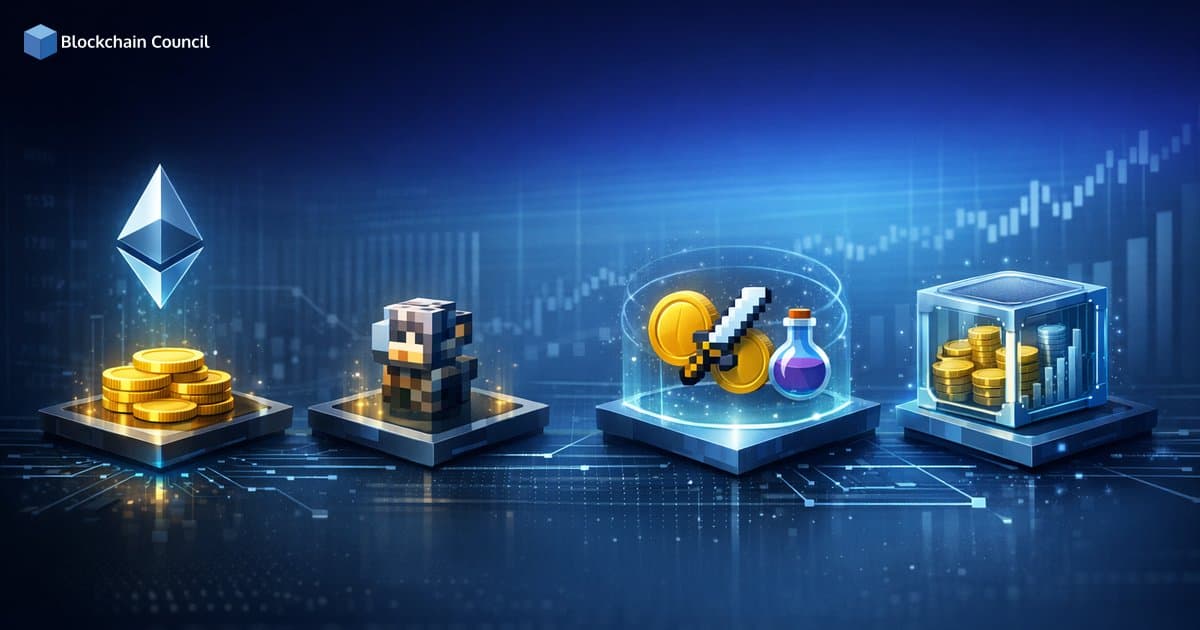
Understanding ERC standards for crypto tokens is essential for anyone building on Ethereum or evaluating tokenized products. Standards like ERC-20, ERC-721, ERC-1155, and ERC-4626 define shared interfaces and events so tokens can work consistently with wallets, exchanges, marketplaces, and DeFi protocols. In practice, they function as composability infrastructure, allowing third-party applications to integrate with your token without requiring bespoke adapters.
This guide explains what each standard is designed for, how they differ, and how to choose between them for real-world use cases such as fungible tokens, NFTs, gaming inventories, and yield-bearing vaults.

What Are ERC Token Standards and Why Do They Matter?
ERCs (Ethereum Request for Comments) specify contract interfaces that standardize how tokens behave on Ethereum and EVM-compatible networks. When a token follows a widely adopted standard, it becomes straightforward to integrate with:
- Wallets for balance tracking and transfers
- Exchanges and DEXs for trading and liquidity provision
- DeFi protocols for lending, collateral, and yield strategies
- Marketplaces for NFTs and multi-token assets
For engineering teams, standards reduce integration risk and improve auditability because expected behaviors are well understood across the ecosystem.
Quick Overview: ERC-20 vs ERC-721 vs ERC-1155 vs ERC-4626
Each standard targets a different token model:
- ERC-20: fungible tokens (currencies, governance, utility)
- ERC-721: non-fungible tokens (unique NFTs)
- ERC-1155: multi-token contracts that can represent fungible, semi-fungible, and non-fungible assets within a single deployment
- ERC-4626: tokenized vaults for yield-bearing assets, where vault shares are issued as fungible tokens
ERC-20 Explained: The Fungible Token Standard
What ERC-20 Is Designed For
ERC-20 is the foundational standard for fungible tokens, where every unit is interchangeable with any other. This makes it the natural choice for currency-like assets, governance weights, and utility credits.
Core Mechanics That Power DeFi
ERC-20 defines a common set of functions covering total supply queries, balance checks, and token transfers. A central design pattern is delegated transfers via an approval flow, which enables DEXs, lending protocols, and vaults to move tokens on a user's behalf once authorized.
Where ERC-20 Is Used Today
- Stablecoins representing fiat-pegged assets on-chain
- Governance tokens used for DAO voting and protocol parameter changes
- Utility and payment tokens for applications, subscriptions, and in-game currencies
- DeFi primitives such as LP positions, synthetic assets, and collateral tokens
ERC-20 is widely deployed across Ethereum and Layer 2 networks, and its interface has influenced token designs on other chains that mirror it for compatibility purposes.
Limitations and Common Best Practices
ERC-20's approval model has documented pitfalls, including allowance change race conditions that can create unintended spending windows in certain scenarios. Many teams address this through defensive UX patterns and optional extensions. Permit-style approvals, for example, allow users to authorize spending via signatures rather than separate on-chain transactions, reducing both friction and attack surface.
ERC-721 Explained: The Standard for NFTs
What ERC-721 Is Designed For
ERC-721 is the foundational standard for non-fungible tokens, where each token is distinct. A token ID represents a singular asset, making this standard well suited for digital art, collectibles, property-like items, and identity credentials.
Core Features: Ownership, Safe Transfers, Metadata
ERC-721 standardizes how applications query who owns a given token ID and how ownership transfers are executed. The standard also provides a URI pattern for linking to off-chain or on-chain metadata, enabling wallets and marketplaces to display images, traits, and content descriptors.
Where ERC-721 Fits Best
- Digital art and collectibles where uniqueness is the primary value driver
- High-value game items and unique virtual land parcels
- Credentials and identity attributes modeled as non-fungible records, often paired with custom transfer restrictions
Engineering Considerations
- Batch inefficiency: transferring many NFTs typically requires multiple separate calls, increasing gas costs and operational complexity.
- Collection structure: projects generally deploy one contract per collection, which works well for branding and indexing but is less flexible when managing multiple asset types within the same system.
ERC-1155 Explained: The Multi-Token Standard
What ERC-1155 Is Designed For
ERC-1155 is a multi-token standard that supports many asset types within a single contract. Each token ID can be fungible (such as a currency), semi-fungible (such as limited edition items), or non-fungible (a unique artifact). This flexibility makes it well suited for high-volume, inventory-based systems.
Key Innovation: Batch Operations
ERC-1155 supports batch transfers and batch minting, allowing multiple token IDs and amounts to move in a single transaction. This can meaningfully reduce transaction costs and improve the user experience for anyone managing a large number of assets.
Common ERC-1155 Use Cases
- Gaming economies combining currencies, consumables, and unique items under one contract
- Ticketing and access passes with multiple tiers and event-specific token IDs
- Airdrops and reward bundles where users receive multiple asset types in a single transaction
Trade-offs to Consider
ERC-1155 offers greater flexibility than ERC-721 but comes with added implementation complexity. Some analytics pipelines and legacy marketplace integrations were originally built around ERC-721 assumptions, though modern platforms increasingly treat ERC-1155 as a first-class standard.
ERC-4626 Explained: Tokenized Vaults for Yield-Bearing Assets
What ERC-4626 Is Designed For
ERC-4626 standardizes tokenized vaults in DeFi. A vault accepts an underlying ERC-20 asset (for example, a stablecoin), deploys it into a strategy, and issues fungible vault shares representing proportional ownership of the vault's assets and accumulated yield.
Why ERC-4626 Matters for DeFi Composability
Before ERC-4626, vaults typically used bespoke interfaces, which increased integration effort and the likelihood of implementation errors. ERC-4626 defines a consistent API covering deposits, withdrawals, and share-to-asset conversions, making it easier for:
- Aggregators and yield routers to integrate new vaults without custom adapters
- Dashboards and risk tools to model performance and exposure in a consistent way
- Enterprises to build predictable accounting and treasury workflows around on-chain yield
Typical ERC-4626 Use Cases
- Automated yield vaults wrapping lending and liquidity strategies
- Standardized wrappers for interest-bearing positions
- Institutional-style pools requiring transparent share accounting and predictable interfaces
How to Choose the Right Standard: A Practical Decision Guide
Select the standard that best matches the asset's economic properties and integration goals:
- Choose ERC-20 if the token is fungible and requires broad DeFi and exchange compatibility, such as payments, stablecoins, governance, or utility tokens.
- Choose ERC-721 if each asset is genuinely unique and you want maximum NFT compatibility with established marketplace conventions.
- Choose ERC-1155 if you need multiple asset types within a single system, particularly for games, ticketing, limited editions, or batch-based distribution.
- Choose ERC-4626 if you are building a yield-bearing vault or tokenized fund wrapper and want clean integration with DeFi tooling and aggregators.
Enterprise and Developer Considerations: Interoperability, Security, and Tooling
Interoperability and Integration Risk
Adhering to established standards reduces friction for third-party integrations. For enterprises, this translates into faster partner onboarding, simpler audits, and predictable behavior across wallets and custodians.
Security Is Not Automatic
Implementing an ERC standard does not guarantee security. Teams still need rigorous implementations, thorough testing, and independent audits. Key areas to scrutinize include allowance handling in ERC-20, safe transfer semantics in NFT and multi-token contracts, and vault accounting with reentrancy protections in ERC-4626 implementations.
Building Team Expertise
If your roadmap includes token launches, NFT products, or DeFi vaults, structured learning paths can accelerate team readiness. Blockchain Council offers certifications such as Certified Ethereum Developer, Certified Smart Contract Auditor, and DeFi-focused programs covering token standards, composability, and secure development practices.
Conclusion: ERC Standards as the Foundation of Token Design
Comparing ERC-20 vs ERC-721 vs ERC-1155 vs ERC-4626 is not a question of which standard is universally superior. Each exists to address a distinct asset model: fungible value transfer, unique ownership, multi-asset inventories, and yield-bearing vault shares. For builders and enterprises alike, selecting the right standard is as much a product decision as a technical one, because it shapes composability, transaction costs, user experience, and integration timelines. Start by defining whether your assets are fungible, non-fungible, multi-type, or yield-bearing, then align the standard with your ecosystem requirements and risk tolerance.
Related Articles
View All
Cryptotokens
Crypto Tokens Explained: Utility vs Security vs Governance Tokens (With Real-World Examples)
Crypto tokens explained with clear differences between utility, security, and governance tokens, plus real-world examples and practical guidance on regulation and token evaluation.

Cryptotokens
Cross-Chain Crypto Tokens: Bridging, Wrapped Tokens, and Interoperability Security Best Practices
Cross-chain crypto tokens enable multi-chain apps, but bridges and wrapped assets add major risk. Learn bridging models, wrapped tokens, and security best practices.

Cryptotokens
Stablecoins as Crypto Tokens: How They Work, Types, and Risks
Stablecoins as crypto tokens target a 1 USD peg via reserves, collateral, or algorithms. Learn types, how they work, key use cases, and risks.
Trending Articles
AWS Career Roadmap
A step-by-step guide to building a successful career in Amazon Web Services cloud computing.
What is AWS? A Beginner's Guide to Cloud Computing
Everything you need to know about Amazon Web Services, cloud computing fundamentals, and career opportunities.

Can DeFi 2.0 Bridge the Gap Between Traditional and Decentralized Finance?
The next generation of DeFi protocols aims to connect traditional banking with decentralized finance ecosystems.