

Job Fairs Near Me

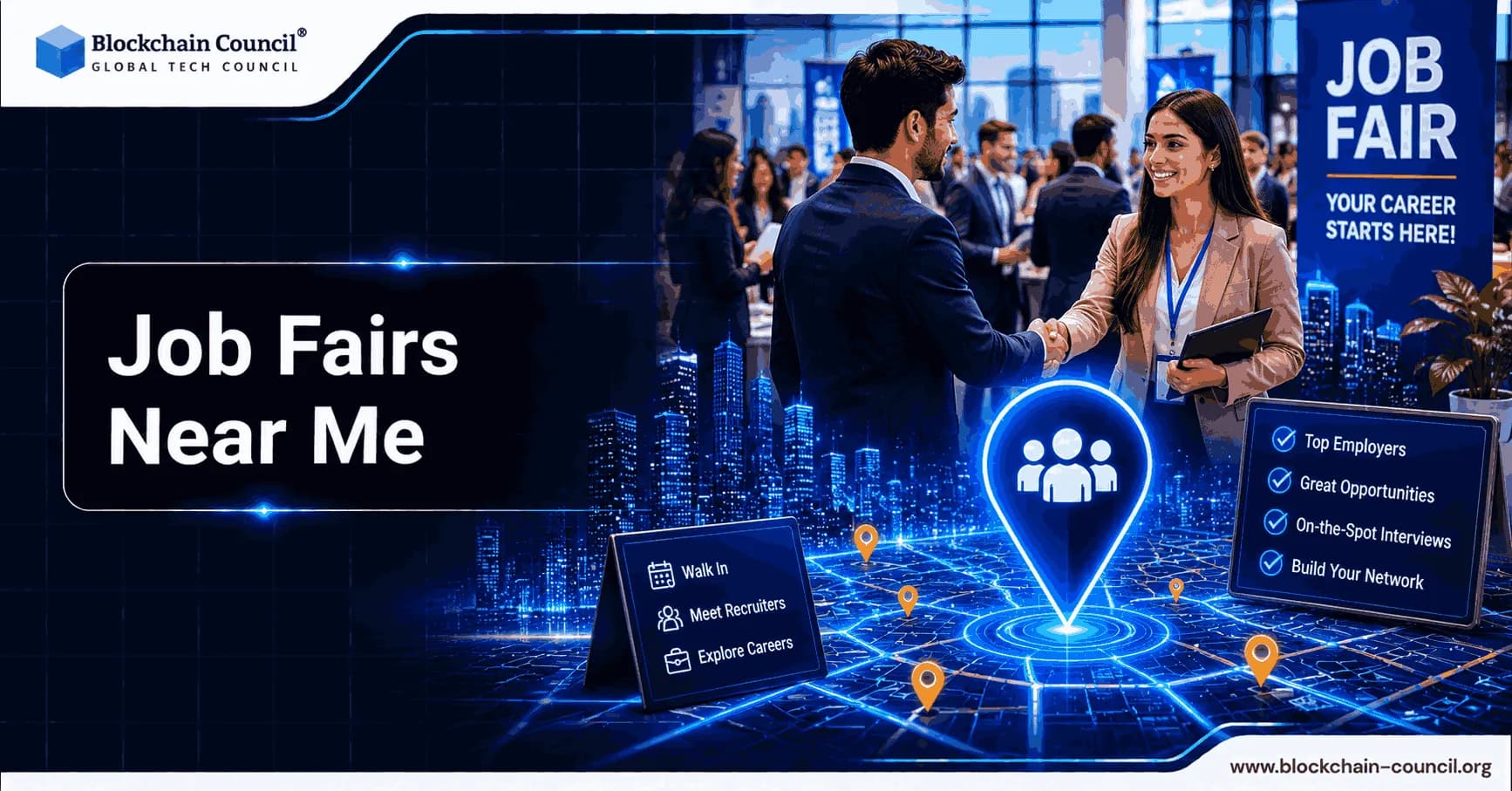
If you have recently searched for “job fairs near me,” you are not alone. Job fairs remain one of the most effective ways for job seekers to connect directly with employers, explore career opportunities, expand professional networks, and learn about industry trends. Whether you are a recent graduate, an experienced professional, a career changer, or someone re-entering the workforce, job fairs provide a valuable platform to meet recruiters face-to-face and discover employment opportunities that may not be widely advertised.
In today's rapidly evolving job market, job fairs have also adapted to technological advancements. Traditional in-person events are now complemented by virtual and hybrid formats, allowing employers and candidates to connect more efficiently than ever before. Additionally, industries focused on artificial intelligence, digital transformation, cybersecurity, healthcare, and emerging technologies frequently use job fairs to identify qualified talent.

This guide explores the importance of job fairs, how to prepare for them, what opportunities they offer, and how professional certifications can strengthen your profile in a competitive employment landscape.
What Are Job Fairs?
Job fairs are organized events where employers, recruiters, educational institutions, and professional organizations meet with job seekers to discuss employment opportunities.
These events allow candidates to:
Meet hiring managers directly
Submit resumes
Learn about open positions
Explore different industries
Participate in interviews
Build professional relationships
Job fairs often bring together multiple employers under one roof, making them an efficient way to explore numerous opportunities within a short period.
Why Job Fairs Remain Relevant
Despite the growth of online job platforms, job fairs continue to play a crucial role in recruitment.
Direct Employer Access
Job seekers can interact directly with recruiters and decision-makers rather than relying solely on online applications.
Faster Hiring Processes
Many organizations conduct preliminary interviews or schedule follow-up interviews during job fairs.
Networking Opportunities
Professional networking remains one of the most effective methods for finding employment.
Industry Insights
Job fairs provide valuable information about hiring trends, required skills, and emerging career opportunities.
Types of Job Fairs
Job fairs come in various formats designed to meet different employment needs.
General Job Fairs
These events feature employers from multiple industries and are suitable for candidates with diverse interests.
Industry-Specific Job Fairs
Some events focus exclusively on sectors such as:
Technology
Healthcare
Education
Manufacturing
Finance
Industry-focused events often attract specialized employers and candidates.
University Career Fairs
Colleges and universities frequently host recruitment events for students and recent graduates.
Virtual Job Fairs
Virtual events allow candidates to interact with employers online through video calls, chat platforms, and digital presentations.
Diversity Hiring Events
These fairs promote workforce diversity and inclusion by connecting employers with underrepresented talent groups.
Benefits of Attending Job Fairs
Job fairs offer several advantages that traditional job applications may not provide.
Face-to-Face Interaction
Meeting recruiters personally can help candidates make a stronger impression.
Immediate Feedback
Recruiters often provide direct feedback regarding qualifications and career paths.
Exposure to Multiple Employers
Candidates can explore opportunities with numerous organizations in a single day.
Access to Hidden Opportunities
Many positions discussed at job fairs may not yet be publicly advertised.
Career Development Resources
Some events include workshops, resume reviews, and professional development sessions.
How to Find Job Fairs Near You
There are several effective ways to locate local job fairs.
Online Job Boards
Major employment websites frequently list upcoming career events.
Professional Networking Platforms
Platforms such as LinkedIn often promote industry-specific hiring events.
University Career Centers
Educational institutions regularly host recruitment events open to students and alumni.
Chambers of Commerce
Local business organizations often coordinate community employment events.
Workforce Development Agencies
Government and nonprofit employment services frequently organize job fairs and hiring initiatives.
How to Prepare for a Job Fair
Preparation significantly improves the chances of success.
Research Participating Employers
Review company profiles, job openings, and organizational values before attending.
Update Your Resume
Ensure your resume highlights relevant skills, experience, and accomplishments.
Prepare an Elevator Pitch
Develop a concise introduction that summarizes your background and career goals.
Dress Professionally
Professional appearance creates positive first impressions.
Bring Multiple Resume Copies
Even in a digital world, printed resumes remain useful during in-person interactions.
Questions to Ask Recruiters
Asking thoughtful questions demonstrates professionalism and genuine interest.
Examples include:
What qualities do you seek in successful candidates?
What growth opportunities exist within your organization?
How does your hiring process work?
What skills are most valuable for this role?
What company culture can employees expect?
Meaningful conversations often leave stronger impressions than simply handing over a resume.
The Growing Role of Technology at Job Fairs
Technology is transforming recruitment and career development.
Many job fairs now feature:
AI-powered matching systems
Digital resumes
Virtual interview platforms
Skills assessments
Online networking tools
Candidates who understand emerging technologies often gain a competitive advantage.
Why AI Skills Are Becoming Increasingly Valuable
Artificial Intelligence has become one of the most sought-after skills in today's workforce.
Organizations across industries are adopting AI-driven solutions to improve efficiency, automate processes, and enhance decision-making.
Professionals interested in strengthening their credentials may consider an AI expert certification to demonstrate knowledge of AI concepts, tools, and practical applications.
Such certifications can help candidates stand out during job fairs and recruitment events.
Agentic AI and Emerging Career Opportunities
One of the most exciting developments in artificial intelligence is Agentic AI.
Unlike traditional systems that follow predefined instructions, agentic AI systems can make decisions, adapt to changing circumstances, and execute complex tasks autonomously.
As organizations explore intelligent automation, demand for related expertise continues to grow.
Professionals seeking advanced AI knowledge may benefit from an Agentic AI expert certification.
This expertise can open doors to new career opportunities in technology, operations, and business innovation.
Why Deep Technology Skills Matter
Modern employers increasingly value candidates with knowledge of emerging technologies.
Areas such as:
Artificial Intelligence
Blockchain
Cybersecurity
Cloud Computing
Robotics
are shaping the future of work.
Programs focused on Deeptech certification help professionals develop interdisciplinary knowledge that aligns with current workforce demands.
Job fairs often feature employers actively recruiting talent with expertise in these fields.
Technology Certifications and Career Advancement
Professional certifications have become powerful indicators of commitment to learning and skill development.
A recognized Tech certification can help candidates validate technical competencies and demonstrate readiness for modern workplace challenges.
Recruiters frequently view certifications as evidence of practical expertise and professional dedication.
Software Development Careers and AI-Powered Coding
Software development remains one of the most active hiring sectors at technology-focused job fairs.
AI-powered development tools are transforming how software is built, tested, and maintained.
Professionals interested in this evolving field may explore the AI Powered coding expert Course to gain insights into AI-assisted programming workflows and productivity tools.
These skills can enhance employability in competitive technology markets.
Marketing Skills Remain in High Demand
Marketing professionals are also highly sought after at many job fairs.
Modern marketing increasingly relies on:
Data analytics
Artificial intelligence
Automation
Customer experience platforms
Digital advertising
A professional Marketing certification can help candidates demonstrate expertise in contemporary marketing practices while improving career prospects.
Common Mistakes to Avoid at Job Fairs
Even well-qualified candidates sometimes make avoidable mistakes.
Arriving Unprepared
Lack of research can make conversations appear unfocused.
Focusing Only on One Employer
Exploring multiple opportunities increases chances of success.
Neglecting Follow-Up
Following up after the event helps maintain connections and reinforce interest.
Using Generic Introductions
Personalized conversations create stronger impressions.
Ignoring Networking Opportunities
Networking can be just as valuable as submitting resumes.
Virtual Job Fairs: The New Normal
Virtual recruitment events have become increasingly popular.
Benefits include:
Greater accessibility
Reduced travel costs
Flexible participation
Expanded employer reach
Convenient scheduling
Candidates should prepare for virtual events with the same level of professionalism as traditional in-person fairs.
Real-World Example of Job Fair Success
Consider a recent graduate attending a technology-focused job fair.
Instead of simply distributing resumes, the candidate researches participating companies, earns an AI-related certification, prepares thoughtful questions, and actively engages recruiters.
As a result, the graduate secures multiple interviews and receives a job offer within weeks.
This example illustrates how preparation and professional development can significantly improve outcomes.
Future Trends in Job Fairs
The recruitment landscape continues to evolve.
Several trends are likely to shape future job fairs.
AI-Driven Candidate Matching
Technology will increasingly connect candidates with relevant opportunities automatically.
Hybrid Events
Combining virtual and in-person experiences will expand accessibility.
Skills-Based Hiring
Employers will continue emphasizing demonstrated skills over traditional credentials alone.
Greater Focus on Certifications
Professional certifications will play a growing role in hiring decisions.
Industry-Specific Recruitment
Specialized events will continue expanding as industries seek targeted talent pools.
Conclusion
Searching for “job fairs near me” can be one of the most effective strategies for advancing your career. Job fairs provide direct access to employers, valuable networking opportunities, industry insights, and exposure to diverse career paths.
As technology reshapes the workforce, candidates who combine strong communication skills with continuous learning and professional certifications often gain a significant advantage. Certifications in AI, technology, software development, marketing, and emerging fields demonstrate initiative and adaptability in a competitive job market.
Whether attending a local hiring event, a university career fair, or a virtual recruitment conference, preparation remains the key to success. By researching employers, refining your professional profile, and embracing lifelong learning, you can maximize the opportunities that job fairs provide and move closer to achieving your career goals.
Frequently Asked Questions
1. What is a job fair and how does it work?
A job fair is an organized event where employers and job seekers meet to discuss employment opportunities. Candidates can speak directly with recruiters, submit resumes, learn about open positions, and sometimes participate in preliminary interviews.
2. Are job fairs still useful in the age of online applications?
Yes. Job fairs provide personal interactions that online applications cannot replicate. Face-to-face conversations often help candidates stand out and build stronger connections with recruiters.
3. Who should attend a job fair?
Job fairs are valuable for students, recent graduates, experienced professionals, career changers, unemployed individuals, and anyone exploring new opportunities.
4. What should I bring to a job fair?
Candidates should bring multiple copies of their resume, a notebook, identification if required, and a professional attitude. Business cards can also be helpful.
5. How should I dress for a job fair?
Professional attire is generally recommended. Business casual or formal business clothing helps create a positive first impression with recruiters.
6. Can I get hired directly at a job fair?
Some employers conduct interviews and make hiring decisions shortly after job fairs. While immediate hiring is not guaranteed, many candidates receive interview invitations during these events.
7. How can I make a good impression on recruiters?
Preparation, confidence, professionalism, and meaningful conversations help candidates stand out. Demonstrating knowledge about the company also shows genuine interest.
8. Are virtual job fairs as effective as in-person events?
Virtual job fairs can be highly effective when participants prepare properly. They offer convenience, broader access to employers, and opportunities to connect from any location.
9. What industries participate in job fairs?
Technology, healthcare, finance, education, manufacturing, hospitality, government, and many other sectors frequently participate in recruitment events.
10. How can certifications help at job fairs?
Certifications demonstrate specialized knowledge, commitment to learning, and professional development. They often strengthen a candidate's profile in competitive hiring environments.
11. Should I apply online before attending a job fair?
If possible, applying in advance can be beneficial because it allows recruiters to recognize your application and discuss it during the event.
12. How important is networking at job fairs?
Networking is extremely important because many career opportunities arise through professional relationships rather than traditional applications alone.
13. What questions should I ask recruiters?
Ask about company culture, career growth opportunities, hiring timelines, required skills, and employee development programs.
14. Can job fairs help career changers?
Yes. Job fairs allow career changers to explore new industries, learn about skill requirements, and connect directly with hiring managers.
15. What common mistakes should candidates avoid?
Common mistakes include arriving unprepared, failing to research employers, neglecting follow-up communication, and focusing solely on distributing resumes.
16. How do employers benefit from job fairs?
Employers gain access to diverse talent pools, improve brand visibility, conduct initial screenings, and accelerate recruitment processes.
17. What role does technology play in modern job fairs?
Technology supports candidate matching, virtual networking, digital resumes, online interviews, and data-driven recruitment strategies.
18. Are job fairs free to attend?
Many job fairs are free, although some specialized industry conferences or networking events may require registration fees.
19. How soon should I follow up after a job fair?
Following up within 24 to 48 hours is generally recommended. Prompt communication helps reinforce your interest and maintain professional connections.
20. What is the future of job fairs?
The future will likely include more hybrid events, AI-powered recruitment tools, skills-based hiring practices, and greater emphasis on professional certifications and continuous learning.
Related Articles
View All
Career Advice
Part Time Job Near Me
Searching for part-time jobs near you? Discover flexible work opportunities in your area, including retail, hospitality, customer service, and remote positions.
Career Advice
Part Time Vacancies Near Me
Searching for part-time vacancies nearby? Explore flexible job openings in your area and connect with employers looking for part-time staff.
Career Advice
Overnight Jobs Near Me
Looking for overnight work? Find night shift jobs in various industries, including healthcare, warehousing, hospitality, and security, with flexible schedules and competitive pay.
Trending Articles
The Role of Blockchain in Ethical AI Development
How blockchain technology is being used to promote transparency and accountability in artificial intelligence systems.
What is AWS? A Beginner's Guide to Cloud Computing
Everything you need to know about Amazon Web Services, cloud computing fundamentals, and career opportunities.
Claude AI Tools for Productivity
Discover Claude AI tools for productivity to streamline tasks, manage workflows, and improve efficiency.