Robots can born Human
 Michael Willson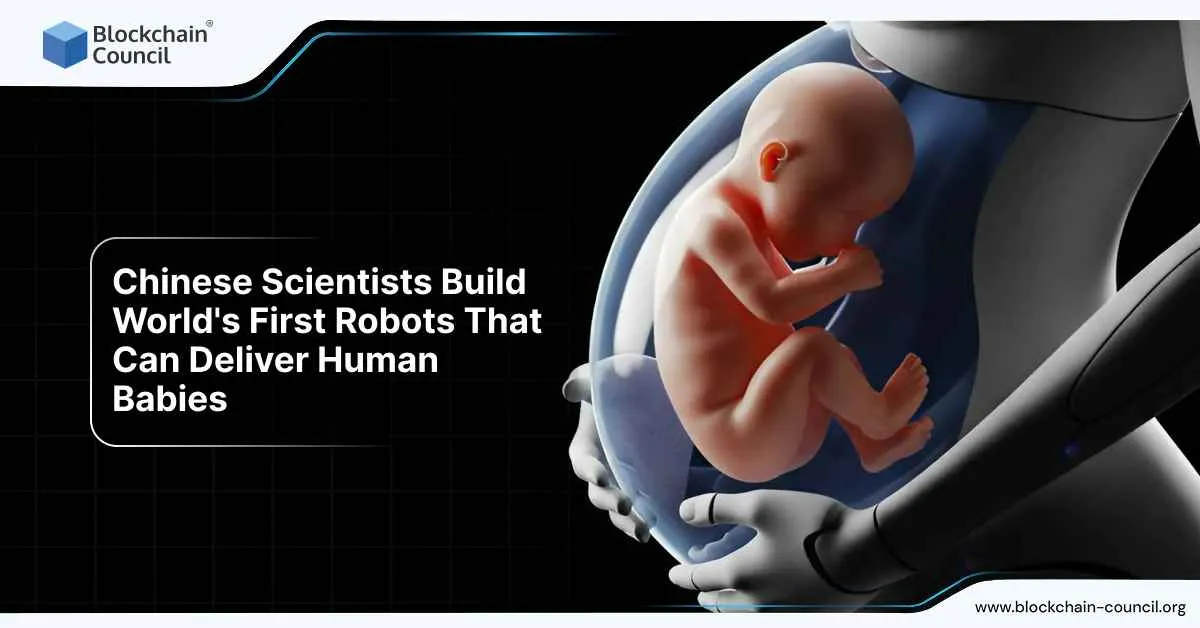
In a groundbreaking development, Chinese scientists have created the world’s first humanoid robot capable of carrying and delivering human babies. This innovation marks a significant leap forward in reproductive technology, offering a potential alternative to traditional methods of pregnancy and childbirth.
The robot, developed by Kaiwa Technology, combines advanced robotics with artificial womb technology, enabling it to mimic human gestation. This development could revolutionize reproductive medicine, offering new opportunities for infertile couples and scientific research. If you’re interested in understanding more about how AI and robotics are shaping the future of reproductive technology, AI Certification can provide valuable insights into these technological advancements.

Robots are learning to make human babies
The pregnancy humanoid robot is a revolutionary device designed to carry a human fetus through the full gestation period, from conception to birth. It utilizes an artificial womb that mimics the natural conditions of human pregnancy. The robot, created by Kaiwa Technology in Guangzhou, China, aims to address challenges faced by infertile couples and provide a new solution for reproductive medicine.
How the Robot Works
The robot is equipped with an artificial womb that includes synthetic amniotic fluid, a nutrient delivery system resembling the umbilical cord, and a mechanism to maintain proper fetal development. The womb is designed to replicate the environment of the mother’s body, ensuring the fetus grows in ideal conditions. This setup allows the robot to function as a surrogate, providing an alternative for women who cannot carry a pregnancy to term.
Key Features of the Pregnancy Humanoid Robot
| Feature | Description |
| Artificial Womb Technology | Uses synthetic amniotic fluid and a nutrient system to support fetal growth. |
| Full-Term Pregnancy | The robot is designed to support pregnancy from conception to birth. |
| Nutrient Delivery System | A system similar to the umbilical cord provides nutrients and oxygen to the fetus. |
| Cost Efficiency | Estimated cost is under 100,000 yuan, offering a more affordable option than traditional surrogacy. |
Potential Applications of the Robot
This technology could revolutionize the field of reproductive medicine, offering new solutions for individuals and couples facing infertility. The robot’s artificial womb could also serve as a valuable tool for scientific research, enabling controlled studies on fetal development, genetic factors, and other aspects of human reproduction.
Infertility Assistance
For couples struggling with infertility, this robot could provide a much-needed solution. Rather than relying on surrogates, the robot offers a more affordable and controlled method for pregnancy, ensuring a safe environment for the fetus.
Research Advancements
The artificial womb technology could also become a critical tool in medical research. It allows scientists to study fetal development in controlled environments, leading to better understanding and potential advancements in human health and reproductive technologies.
Medical Applications of Pregnancy Humanoid Robot
| Application | Description |
| Infertility Solutions | Offers a cost-effective alternative to traditional surrogacy for infertile couples. |
| Fetal Development Studies | Provides opportunities to study human development in a controlled, artificial environment. |
| Scientific Research | Serves as a platform for studying genetic conditions, fetal health, and reproductive medicine. |
| Reproductive Medicine Innovation | Represents a significant advancement in the development of reproductive technology. |
Ethical and Legal Considerations
As with any groundbreaking technology, the development of a humanoid robot capable of human pregnancy raises important ethical and legal questions. These include concerns about the rights of the fetus, the implications for human reproduction, and the societal impact of such technology. Dr. Zhang Qifeng, the leader behind the project, has engaged with authorities in Guangdong Province to discuss these concerns and ensure the responsible use of this technology.
Addressing Ethical Concerns
The use of artificial womb technology brings with it questions about the definition of parenthood and the rights of the fetus. Discussions will likely continue around how society handles this new technology and what policies are put in place to regulate it. These are complex ethical questions that require careful thought and consideration.
The Future of Pregnancy Humanoid Robots
While the pregnancy humanoid robot is still in its early stages, the potential for its use is vast. Kaiwa Technology plans to unveil the first prototype by 2026, and there is anticipation that it will provide new options for those unable to conceive or carry a pregnancy. The development of this technology also promises to change the landscape of reproductive medicine, with ongoing updates and advancements expected in the coming years.
Future Developments of Pregnancy Humanoid Robot
| Development | Expected Outcome |
| Prototype Unveiling (2026) | A working prototype is expected by 2026, offering a real-world test of the technology. |
| Potential for Widespread Use | Could be used globally to help with infertility and medical conditions. |
| Integration with Research | Likely to serve as a platform for further advancements in reproductive science. |
| Ethical Review and Regulation | Continued dialogue and policy-making to address the social and legal implications. |
Conclusion
The development of a humanoid robot capable of carrying and delivering human babies is a monumental achievement in the field of reproductive technology. By combining robotics with artificial womb technology, this innovation provides new possibilities for infertile couples and scientific research. As the technology evolves, it will be crucial to balance the benefits of this advancement with the ethical and legal considerations that come with it.
For those interested in learning more about the implications of this technology, the AI certs provide valuable knowledge in artificial intelligence and its applications. Additionally, exploring the Data Science Certification can equip individuals with the skills necessary to understand and contribute to these technological advancements. And if you want to make the most of these in business, consider the Marketing and Business Certification.