ElevenLabs Tools
 Michael Willson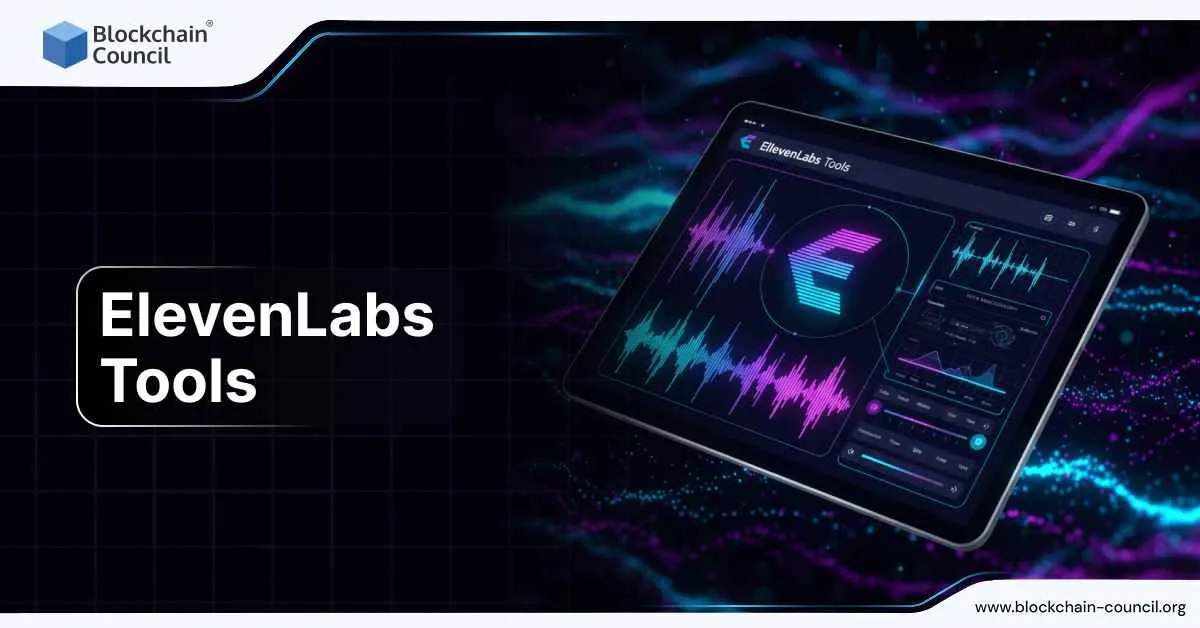
ElevenLabs has quickly become one of the most important players in the voice AI space. Known for its lifelike speech generation and cloning, the company now offers a full suite of tools covering text-to-speech, speech-to-text, voice design, dubbing, conversational agents, and even music generation. In 2025, ElevenLabs pushed forward with new models, upgraded APIs, and enterprise-ready features that make its platform useful for creators, developers, and businesses alike.
For professionals who want to build credibility in this growing field, an AI certification is a reliable way to gain practical skills and understand how advanced voice systems are applied in real projects.

The Core ElevenLabs Tools
The platform includes several distinct models and features. Its text-to-speech models (Multilingual v2 and Eleven v3 Alpha) are at the center, offering realistic, expressive voices in more than 70 languages. Voice cloning and custom voice design let users create unique voice profiles from short samples. Dubbing and multilingual audio tools make it possible to adapt content across regions while preserving speaker style and emotion. The company also provides transcription through Scribe v1, which supports 99 languages with diarization and timestamps.
Developers benefit from the Agents Platform, which combines TTS, transcription, knowledge retrieval, and external tools to create interactive voice agents. These agents can power customer support, outbound telephony, or virtual assistants.
Recent Launches and Upgrades
In August 2025, ElevenLabs introduced Eleven v3 (Alpha), its most advanced speech model yet. It adds emotion tags like “excited,” “whisper,” or “sighs,” as well as support for immersive soundscapes and multi-speaker dialogues. This brings a new level of realism to AI voices.
The Conversational AI 2.0 release earlier in the year focused on enterprise needs. It introduced automatic language detection, stronger security including HIPAA compliance, and better turn-taking for natural conversations.
ElevenLabs also entered music generation with Eleven Music, a model trained on licensed data and cleared for commercial use. This gives creators a way to generate background tracks and full compositions without worrying about rights issues.
API and SDK improvements arrived at the same time, making it easier to control sound effects, loop audio, and debug client tools. Developers working in Python and JavaScript can now integrate ElevenLabs tools with more flexibility.
Overview of ElevenLabs Tools
| Tool | Key Function | Why It Matters |
| Text-to-Speech (TTS) | Generates natural voices in 70+ languages | Delivers human-like speech for apps and media |
| Eleven v3 (Alpha) | Adds emotion tags, soundscapes, multi-speaker | Provides expressive and dynamic voice output |
| Speech-to-Text (Scribe v1) | Transcribes in 99 languages with diarization | Improves accessibility and multilingual workflows |
| Voice Cloning & Design | Creates voices from short samples | Enables personalized branding and creative projects |
| Conversational AI 2.0 | Enterprise-ready agents with security compliance | Powers customer support and telephony solutions |
| Dubbing Tools | Translate and preserve speaker identity | Expands content to global audiences |
| Eleven Music | Generates licensed music from prompts | Supports safe, commercial audio production |
| Audio Effects | Add sound effects, loop audio, control devices | Enhances immersion for interactive experiences |
This collection shows how ElevenLabs is building a comprehensive ecosystem for voice and sound innovation.
Why Businesses Care
The company’s growth has been rapid. ElevenLabs reached a valuation of $3.3 billion in early 2025 and doubled it to $6.6 billion by September. Its “micro-team” structure of around 20 small groups has helped it ship new products faster than larger competitors. Enterprises see value in the platform’s multilingual coverage, enterprise compliance, and creative tools that make it easy to reach wider audiences.
Anyone interested in learning how https://www.blockchain-council.org/ai/artificial-intelligence/ like those offered by ElevenLabs are transforming workflows can pursue an Agentic AI Certification to gain practical knowledge in this fast-growing area.
Benefits and Limitations
Users praise ElevenLabs for its expressive, realistic voices and wide language support. Features like emotion tags and immersive audio put it ahead of most competitors. On the other hand, some tools remain in alpha stages, meaning they are not fully production-ready. Latency and costs can also be hurdles for small teams, and voice cloning raises ongoing ethical concerns around impersonation and misuse.
To understand the underlying data processes that make these tools effective, a Data Science Certification is helpful. It gives learners the foundation to connect technical models with practical outcomes.
Expanding the Ecosystem
ElevenLabs has positioned its tools for integration across industries. Developers can embed conversational agents into apps, creators can produce audiobooks or localized videos, and enterprises can automate customer calls. The addition of music expands its creative reach into entertainment, while API enhancements keep developers in control.
For professionals exploring how these innovations connect with broader business goals, the Marketing and Business Certification provides guidance on aligning AI adoption with growth strategies.
Why ElevenLabs Tools Matter
Voice is becoming a core part of digital interaction, and ElevenLabs sits at the center of that shift. By offering realistic speech, advanced dubbing, and creative audio solutions, the company is enabling new experiences for audiences worldwide.
For individuals who want structured training in this expanding field, AI certs are a clear pathway to building expertise. And as AI intersects with data security and content ownership, technology education is becoming essential for anyone building or managing AI-powered platforms.
Conclusion
ElevenLabs is more than a voice cloning company—it is now a platform that spans speech, transcription, dubbing, music, and intelligent voice agents. With strong funding, rapid product releases, and a growing developer ecosystem, it is shaping the future of how humans and machines interact through sound. For professionals, the rise of these tools is both an opportunity and a call to upskill, making certifications and continuous learning essential for staying relevant.