

Satsuriku no Eden – Ashita Dareka ga Shinu Ren’ai Reality Show

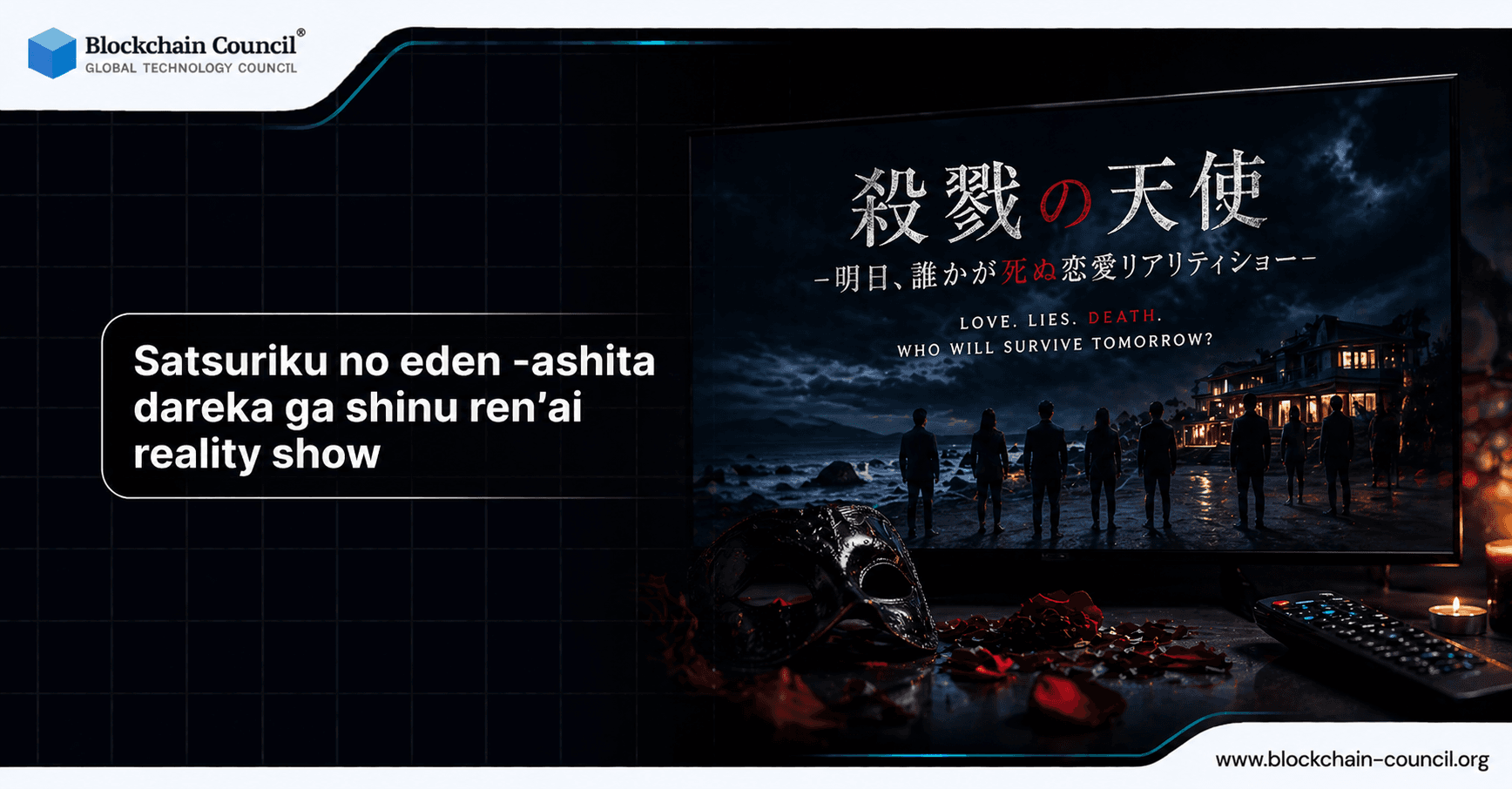
The global entertainment industry has evolved dramatically over the past decade, blending genres in ways that challenge traditional storytelling. One of the most striking conceptual trends is the fusion of romance, survival, and psychological tension into a single format.
“Satsuriku no Eden – Ashita Dareka ga Shinu Ren’ai Reality Show” represents this emerging genre. Whether interpreted as a fictional concept, speculative media, or extreme narrative format, it reflects the growing appetite for emotionally intense and high-stakes entertainment.

This article explores the concept, themes, cultural significance, ethical implications, and the potential role of AI in shaping such content.
Understanding the Concept
At its core, “Satsuriku no Eden” combines two opposing ideas.
On one side, it presents a romantic reality show where participants form relationships. On the other hand, it introduces a dark element: the idea that someone may face elimination in extreme or life-threatening ways.
While traditional reality shows focus on relationships, competition, or survival separately, this concept merges them into a single narrative.
This creates a heightened emotional environment where trust, fear, and attraction coexist.
The Evolution of Reality Shows
Reality television has always evolved with audience preferences.
Early shows focused on simple formats such as dating or talent competitions. Over time, producers introduced elements of competition and survival to increase engagement.
Shows like survival challenges and dating competitions paved the way for hybrid formats. “Satsuriku no Eden” represents an extreme extension of this evolution.
It reflects a shift toward more intense and psychologically complex entertainment.
Psychological Appeal of High-Stakes Reality Content
Why would audiences be drawn to such a concept?
The answer lies in human psychology.
High-stakes environments create tension and unpredictability. Viewers become emotionally invested in participants’ decisions and relationships.
The combination of romance and danger amplifies this effect. Emotional connections become more meaningful when placed under pressure.
This creates a compelling viewing experience, even if the premise feels unsettling.
Ethical Considerations
Concepts like “Satsuriku no Eden” raise significant ethical concerns.
The idea of combining entertainment with life-threatening stakes challenges moral boundaries. Even as a fictional or symbolic concept, it prompts questions about the limits of media.
Key concerns include:
Exploitation of participants
Psychological impact on viewers
Normalization of extreme scenarios
Responsibility of content creators
Ethical storytelling requires careful consideration of these issues.
The Role of AI in Modern Reality Shows
AI is increasingly influencing how reality content is created and consumed.
In a concept like “Satsuriku no Eden,” AI could play several roles.
Content Personalization
AI can analyze viewer preferences and tailor content accordingly. This creates a more engaging experience.
Behavior Analysis
AI systems can monitor participant behavior, emotions, and interactions. This data can influence storytelling and editing.
Real-Time Decision Systems
AI could be used to introduce dynamic elements into the show, such as challenges or narrative twists.
Audience Interaction
AI enables interactive features, allowing viewers to influence outcomes in real time.
These capabilities demonstrate how technology is shaping entertainment.
Real-World Parallels
While “Satsuriku no Eden” may be conceptual, elements of it can be seen in existing media.
Survival shows introduce physical challenges. Dating shows explore relationships. Psychological thrillers examine human behavior under stress.
The combination of these elements is not entirely new, but the intensity of this concept pushes boundaries further.
This reflects a broader trend toward immersive and emotionally engaging content.
Cultural Context
Japanese media has a long history of exploring complex and unconventional themes.
From psychological anime to experimental storytelling, creators often challenge traditional narratives.
“Satsuriku no Eden” fits within this cultural context. It represents a willingness to explore darker aspects of human nature while maintaining emotional depth.
This approach resonates with global audiences seeking unique and thought-provoking content.
Impact on the Entertainment Industry
Concepts like this could influence the future of entertainment.
Producers may experiment with hybrid formats that combine multiple genres. AI-driven storytelling could become more common.
However, industry standards and regulations will play a critical role in determining what is acceptable.
Balancing innovation with responsibility will be essential.
Skills Required to Work in AI-Driven Media
As entertainment evolves, professionals need to adapt.
The AI Expert Certification provides a strong foundation in AI technologies used in media and content creation.
For those exploring advanced AI systems, the Claude AI Certification offers insights into conversational AI and its applications in storytelling.
Developers can enhance their technical skills through the AI Powered Coding Expert Course, which focuses on integrating AI into creative and interactive systems.
Additionally, professionals in marketing and audience engagement can benefit from the AI Powered Digital Marketing Course, which explores how AI-driven strategies are used to promote content.
The Future of Interactive Entertainment
The future of entertainment is likely to be more interactive and personalized.
AI will enable viewers to influence storylines and outcomes. Virtual and augmented reality may create immersive experiences.
Concepts like “Satsuriku no Eden” could evolve into interactive narratives where audiences play a role in shaping events.
This represents a shift from passive viewing to active participation.
Challenges and Limitations
Despite its potential, this type of content faces challenges.
Ethical concerns remain a major issue. Regulatory restrictions may limit what can be produced.
Technical challenges, such as ensuring realistic and fair AI systems, must also be addressed.
Audience acceptance will ultimately determine success.
Conclusion
“Satsuriku no Eden – Ashita Dareka ga Shinu Ren’ai Reality Show” represents a bold and unconventional approach to entertainment. By combining romance, survival, and psychological tension, it reflects evolving audience preferences and the influence of technology.
While the concept raises important ethical questions, it also highlights the potential of AI-driven storytelling and interactive media.
As the entertainment industry continues to innovate, balancing creativity with responsibility will be essential. Whether as a fictional idea or future format, this concept offers insight into the direction of modern storytelling.
Frequently Asked Questions (FAQs)
1. What is “Satsuriku no Eden”?
“Satsuriku no Eden” is a conceptual or fictional reality show format combining romance and high-stakes survival elements. It explores relationships under extreme conditions. The concept is dramatic and intense. It reflects evolving entertainment trends. It is not a traditional show.
2. What does the title mean?
The title roughly translates to “Eden of Slaughter” and “Tomorrow Someone Will Die.” It suggests a mix of beauty and danger. The contrast creates intrigue. It reflects the show’s themes. It is symbolic.
3. Is this a real show?
It is generally considered a conceptual or speculative idea. It may not exist as a mainstream production. However, similar themes appear in media. The concept is used for analysis. It represents a trend.
4. Why is this concept popular?
The concept appeals due to its emotional intensity and unpredictability. High-stakes scenarios attract attention. Relationships under pressure create drama. Audiences seek engaging content. It stands out.
5. What are the ethical concerns?
Ethical concerns include participant safety and psychological impact. The concept raises moral questions. Content creators must be responsible. Viewer impact is important. Ethics cannot be ignored.
6. How does AI influence such shows?
AI can analyze behavior and personalize content. It enhances storytelling. Interactive features are possible. AI improves engagement. It is increasingly important.
7. What genres does it combine?
It combines romance, survival, and psychological drama. These genres create a unique experience. The mix is unconventional. It increases complexity. It attracts viewers.
8. How does it compare to traditional reality shows?
Traditional shows focus on one theme. This concept blends multiple elements. It is more intense. It challenges norms. It represents evolution.
9. What role does culture play?
Cultural context influences storytelling. Japanese media often explores complex themes. This concept reflects that tradition. It resonates globally. Culture shapes perception.
10. Can such shows exist in reality?
Real-world implementation would face significant ethical and legal challenges. Safety concerns are critical. Regulations would apply. It is unlikely in extreme form. Concepts may be adapted.
11. What is the future of such content?
Future content may become more interactive. AI will play a larger role. Storytelling will evolve. Audience participation may increase. Innovation will continue.
12. How do viewers interact with such shows?
AI can enable real-time interaction. Viewers may influence outcomes. Engagement increases. Interaction adds value. It enhances experience.
13. What skills are needed for AI media?
Skills include AI knowledge and creative thinking. Technical expertise is important. Understanding audience behavior helps. Continuous learning is required. Adaptability is key.
14. What are the risks of AI in entertainment?
Risks include bias and privacy concerns. AI decisions may lack transparency. Ethical use is essential. Oversight is required. Risks must be managed.
15. How does AI personalize content?
AI analyzes viewer data and preferences. It adjusts content accordingly. Personalization improves engagement. Experiences become unique. It is effective.
16. What industries are affected?
Entertainment, technology, and marketing are impacted. AI influences production and distribution. Industries evolve. Collaboration increases. Impact is broad.
17. Can AI replace human creativity?
AI supports creativity but does not replace it. Human input is essential. Collaboration is important. Creativity remains human-driven. AI enhances it.
18. What is interactive storytelling?
Interactive storytelling allows audience participation. AI enables dynamic narratives. Engagement increases. Stories become flexible. It is innovative.
19. Why is this concept important?
It highlights evolving entertainment trends. It explores human behavior. It raises ethical questions. It reflects innovation. It is significant.
20. What can professionals learn from this?
Professionals can learn about AI integration and storytelling. Understanding trends is valuable. Skills development is important. Innovation requires knowledge. Learning is essential.
Related Articles
View All
Info
VeChain Price Prediction: Supply Chain Adoption and What It Means for VET
VeChain's future price potential depends on enterprise adoption, supply chain activity, and developments in its dual-token ecosystem. Explore VET's tokenomics, StarGate staking, Galactica upgrades, technical price levels, and the key factors that could influence its long-term outlook.

Info
Most Accessible Crypto Exchange VIP Programs for Derivatives Traders in 2026
Compare the most accessible crypto exchange VIP programs for derivatives traders, including VIP qualification requirements, maker and taker fees, asset thresholds, leverage, and trading cost advantages across leading exchanges.

Info
How Spinbet NZ Is Bringing Blockchain into Faster and More Transparent Casino Play
One platform that shows how those benefits can work for casino payments is Spinbet NZ. Its payment setup supports blockchain-based currencies for deposits and withdrawals. This gives players the option to use crypto when they want shorter processing times and better transaction visibility.
Trending Articles
The Role of Blockchain in Ethical AI Development
How blockchain technology is being used to promote transparency and accountability in artificial intelligence systems.
How Blockchain Secures AI Data
Understand how blockchain technology is being applied to protect the integrity and security of AI training data.
Claude AI Tools for Productivity
Discover Claude AI tools for productivity to streamline tasks, manage workflows, and improve efficiency.