
What Are Crypto Wallets (Hot vs Cold) and Which One Should I Use?
 Michael Willson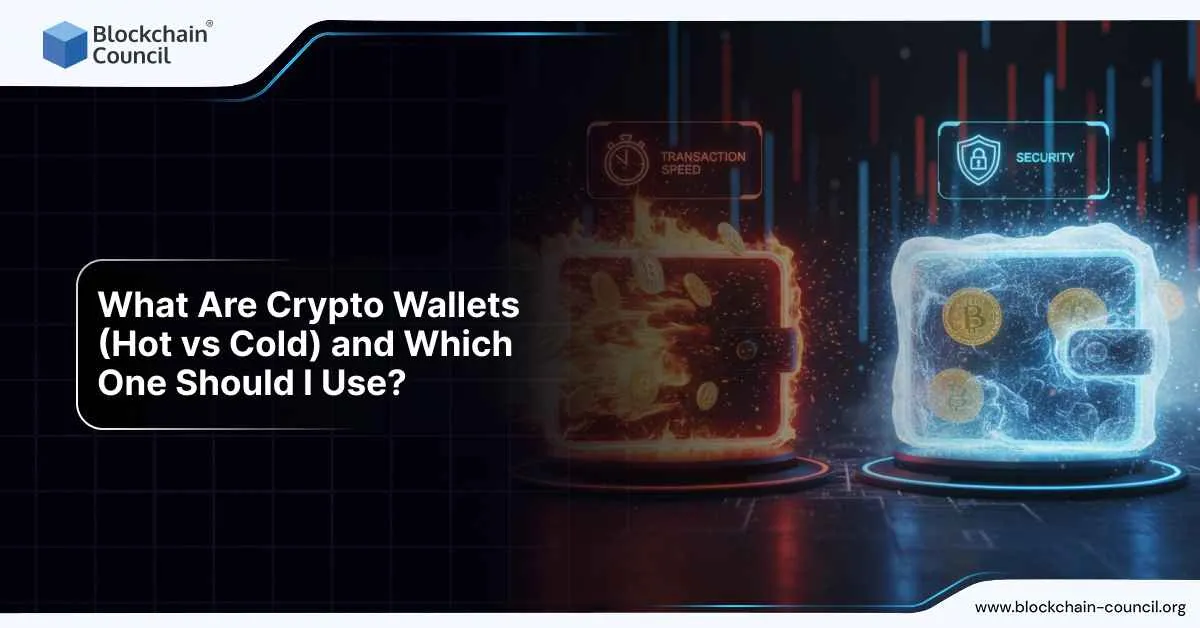
If you’re stepping into crypto, one of the first things you’ll need is a wallet. A crypto wallet doesn’t actually “hold” your coins. Instead, it stores the keys you need to access your funds on the blockchain. Without those keys, you don’t really own your crypto. That makes choosing the right wallet—hot or cold—one of the most important decisions for any investor or trader. And if you’re serious about building long-term wealth in this space, you may also want to explore structured learning like the AI powered investing certification to understand how wallets fit into broader strategies.
What Is a Crypto Wallet?
A crypto wallet is software or hardware that manages your public and private keys. Your public key works like an address where people can send you funds, while your private key is your proof of ownership. Lose your private key, and your crypto is gone. That’s why wallets are central to security in digital assets.
There are two main types: hot wallets and cold wallets. Both serve the same basic function, but the difference lies in how they connect to the internet and how secure they are.
Hot Wallets Explained
Hot wallets are connected to the internet. They can be mobile apps, desktop programs, or web-based wallets linked to exchanges. Because they’re always online, they’re easy to access and perfect for frequent transactions.
Hot wallets have several advantages. They’re usually free, simple to set up, and support many cryptocurrencies. They also work seamlessly with decentralized applications, exchanges, and other crypto tools.
The downside is security. Since hot wallets are online, they’re vulnerable to hacking, phishing, and malware. Custodial hot wallets, where an exchange holds your keys, add another layer of risk. If the exchange gets hacked or freezes withdrawals, your funds may be at risk. Non-custodial hot wallets give you control, but then you take on full responsibility for keeping your keys safe.
Cold Wallets Explained
Cold wallets are offline wallets. They don’t stay connected to the internet, making them much harder for hackers to reach. Examples include hardware wallets, which are small devices that plug into your computer, and paper wallets that store your keys on paper. Some advanced setups even use “air-gapped” devices that never connect to the internet at all.
Cold wallets are ideal for long-term storage. They’re excellent for holding large amounts of crypto securely. As long as you have a backup of your recovery phrase, you can restore access even if your hardware device is lost or damaged.
But cold wallets come with trade-offs. They’re less convenient since you have to connect them to an online device whenever you want to make a transaction. They also cost money, especially hardware wallets. And if you lose both your device and your recovery phrase, your crypto is gone for good.
Custodial vs Non-Custodial Wallets
Wallets can also be custodial or non-custodial. A custodial wallet is managed by a third party, such as an exchange. You get convenience but give up full ownership, since the custodian controls your keys. A non-custodial wallet puts you in full control. You hold your own keys, but you’re also responsible for safeguarding them.
For beginners, custodial wallets can feel easier. But for anyone serious about crypto ownership, non-custodial wallets are usually the better long-term option.
Hot vs Cold: Which Should You Use?
The answer depends on how you use crypto. If you’re a trader or you need to make frequent transactions, a hot wallet is convenient. But if you’re holding a large balance or investing for the long run, a cold wallet is the safer choice.
Many people use both. They keep a small amount of crypto in a hot wallet for everyday use, while securing the majority of their funds in a cold wallet. This combination gives you the best of both worlds: convenience and security.
Hot Wallets vs Cold Wallets
| Feature | Hot Wallets | Cold Wallets |
| Internet Connection | Always online | Offline until used |
| Examples | Mobile apps, web wallets, exchange wallets | Hardware wallets, paper wallets, air-gapped devices |
| Cost | Usually free | Hardware devices cost money |
| Convenience | High, instant access | Low, requires setup each time |
| Security | Lower, vulnerable to hacks and malware | Higher, protected from online attacks |
| Use Case | Trading, daily spending, quick transfers | Long-term storage, large balances |
| Recovery | Dependent on backup or exchange | Recovery phrase required |
| Custody | Can be custodial or non-custodial | Usually non-custodial |
| Risk | Higher chance of cyber theft | Higher risk of physical loss if not backed up |
| Best For | Beginners, frequent users | Long-term investors, institutions |
Latest Trends in Wallet Security
Wallet security is evolving quickly. Most losses still come from online hacks, which is why cold wallets remain the gold standard for safety. Hardware wallet makers are also improving usability, making offline storage less intimidating for everyday users.
On the regulatory side, custodial wallets are getting more attention. Some governments are setting rules about how custodians must handle customer funds. That makes non-custodial options more attractive to those who want true ownership.
At the same time, hot wallets are becoming smarter. Browser wallets, for example, are undergoing security audits to reduce risks. And as decentralized finance grows, hot wallets continue to play an essential role in everyday crypto activity.
Choosing Wisely
The wallet you choose will shape your experience in crypto. It’s not just about technology but also about how you plan to use your assets. If you’re investing for the long haul, learning how to manage a cold wallet is worth the effort. If you’re exploring DeFi apps or trading regularly, a hot wallet is almost unavoidable.
This is why education is so important in crypto. If you’re interested in trading strategies, consider the Crypto certification. If your focus is on analyzing data to manage risks, the Data Science Certification could help. If you want to apply these skills in business, the Marketing and Business Certification is a practical choice. And if you’re ready to dive deeper into blockchain fundamentals, blockchain technology courses give you a strong foundation.
Conclusion
Hot wallets and cold wallets both play vital roles in the crypto ecosystem. Hot wallets are quick, easy, and perfect for active use, while cold wallets provide unmatched security for long-term holding. The best choice isn’t one or the other but often a mix of both. By learning how each works and balancing convenience with safety, you can take control of your digital assets with confidence.