Turbo Energy to Tokenize Green Finance on Stellar

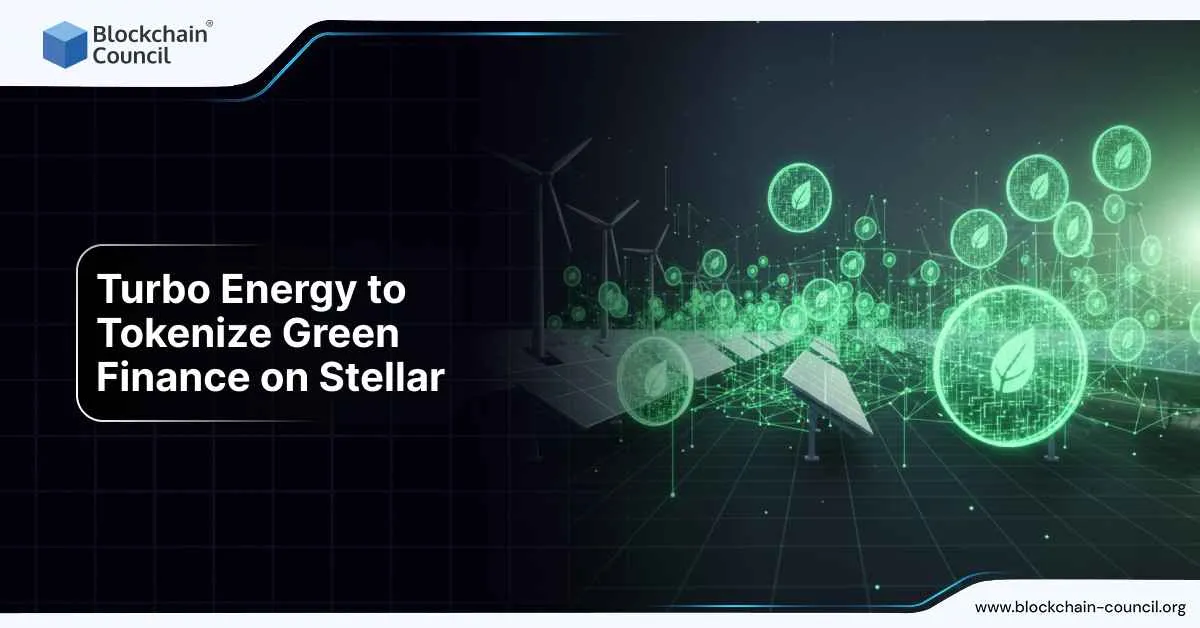
Turbo Energy S.A. (NASDAQ: TURB), a Spain-based solar energy company, has announced an ambitious plan to tokenize green finance using the Stellar blockchain. The initiative will allow investors to fund renewable energy projects through digital assets, merging sustainability with financial innovation. Those looking to understand the mechanics behind such transformation can explore Blockchain technology courses, which explain how tokenization and smart contracts are reshaping real-world industries.
A New Model for Renewable Finance
Turbo Energy’s pilot project focuses on tokenizing debt instruments linked to solar and storage installations across Spain. Investors will be able to purchase tokens representing fractional ownership of the financing behind these clean-energy projects. Each token corresponds to a share of the Power Purchase Agreement (PPA) cash flows generated by Turbo Energy’s commercial installations.

The company’s first pilot involves a hybrid solar and storage project that leverages its proprietary SUNBOX systems. These tokens will be issued and managed using Taurus’ institutional-grade tokenization platform, while Stellar will handle on-chain settlement and transfers. This combination of regulated tokenization and public blockchain infrastructure represents a new phase of efficiency, transparency, and accessibility in green finance.
Why Stellar Was Selected
Stellar’s architecture makes it a natural fit for large-scale, low-cost asset issuance. Its blockchain offers rapid transaction speeds, minimal fees, and integrated tools for issuing and managing digital assets. These features enable fractional investment, global participation, and transparent tracking of ownership.
The Stellar Development Foundation has also been actively supporting tokenized asset initiatives that align with environmental goals. Its ecosystem allows programmable logic, enabling automated repayments or interest distributions for investors directly through the network.
Unlocking New Investment Opportunities
Tokenizing renewable assets does more than simplify financing — it expands access. Through blockchain-based fractionalization, smaller investors can now participate in high-impact energy projects that were previously accessible only to institutions. The benefits are significant:
- Accessibility: Lower minimum investments democratize access to clean-energy funding.
- Transparency: Blockchain records provide verifiable audit trails for each transaction.
- Efficiency: Smart contracts automate settlement, reducing administrative overhead.
- Scalability: The same structure can be replicated across multiple regions and asset types.
These features could redefine how renewable infrastructure attracts capital in the coming years.
The Role of Taurus and Turbo Energy
Taurus will handle the compliant issuance and lifecycle management of the tokens. Its infrastructure ensures regulatory adherence, investor identity management, and integration with institutional custody systems. Turbo Energy, meanwhile, brings its operational expertise in deploying solar-plus-storage systems and managing PPAs. Together, the partnership bridges physical energy infrastructure with blockchain-based digital finance.
This approach demonstrates how technology-driven companies can collaborate to accelerate sustainable growth — a key learning theme in professional upskilling through Tech certification programs that explore tokenization, asset management, and financial innovation.
Transparency, Security, and Compliance
One of the most important aspects of this initiative is its focus on regulatory and operational transparency. Turbo Energy and its partners plan to provide real-time visibility into project data, including energy generation, payment schedules, and token distributions. This level of transparency can increase investor confidence while ensuring compliance with European Union financial regulations.
Furthermore, Stellar’s integration with Content Credentials (C2PA) will allow metadata tracking for authenticity, helping ensure that financial data and transactions remain verifiable. Such integration reflects the maturing convergence between sustainable finance and blockchain integrity.
Market Context and Economic Impact
The Energy-as-a-Service (EaaS) market is projected to reach over US$74 billion, and digital finance mechanisms like tokenization could unlock significant new funding streams. By reducing intermediaries and enabling direct access, blockchain can make financing renewable projects faster and more inclusive.
For businesses, this model could become a template for raising capital efficiently while maintaining environmental commitments. It also aligns with growing investor demand for verifiable ESG (Environmental, Social, and Governance) products.
Implications for Businesses and Professionals
This development isn’t just relevant for investors — it also matters for marketing strategists, project managers, and entrepreneurs in renewable sectors. Understanding how blockchain transforms financing, asset management, and trust can provide a strong competitive edge. Enrolling in a Marketing and business certification program can help professionals learn how to communicate and structure such offerings effectively, bridging the gap between sustainability and investor engagement.
Looking Ahead
The next steps for Turbo Energy include finalizing regulatory frameworks, defining investor eligibility, and potentially listing the tokens on compliant marketplaces. Success could lead to expansion beyond Spain into other European markets and diversified energy assets like wind or hydrogen.
This pilot’s outcomes will be watched closely as a benchmark for the intersection of decentralized finance and renewable infrastructure. If successful, it could pave the way for a new era in sustainable investing — one where technology, transparency, and accessibility converge.
Final Thoughts
Turbo Energy’s decision to tokenize green finance on Stellar marks a defining moment for the renewable-energy sector. It represents a shift from traditional capital markets to an inclusive, blockchain-powered ecosystem that rewards sustainability and innovation.
Green finance is no longer confined to large institutions — it’s becoming a global opportunity powered by blockchain, accessible to anyone ready to invest in the world’s transition to cleaner energy.