
What is Token Vesting and Emission Models

Token vesting is a mechanism used in blockchain projects to release tokens gradually over time instead of distributing them all at once. The idea is simple. If founders, developers, or early investors receive all tokens immediately, they might sell them quickly and destabilize the project.
Vesting schedules prevent that. Tokens are locked and released according to predefined timelines written into smart contracts. This creates long term alignment between project teams, investors, and the community.

Understanding token distribution structures is an important part of blockchain education. Many professionals studying decentralized finance concepts through a Blockchain certificate or a Crypto certification encounter vesting models early in their learning.
Why Vesting Matters
Blockchain projects rely heavily on trust and incentives. If participants believe insiders can exit immediately, confidence in the project declines.
Token vesting helps solve several problems.
First, it encourages long term commitment from project teams.
Second, it reduces sudden supply shocks that could crash token prices.
Third, it signals seriousness to investors and community members.
A well designed vesting schedule can stabilize an ecosystem during its early growth stage.
Projects that ignore this often face volatility and credibility issues.
How Token Vesting Works
Token vesting is usually enforced through smart contracts that automatically release tokens according to a schedule.
Common components include:
Cliff Period
A cliff is the waiting period before any tokens are released. For example, a project might set a 12 month cliff for founders. During that time, no tokens become available.
Linear Vesting
After the cliff, tokens may unlock gradually over time. Each month or block releases a portion of the allocation.
Milestone Based Vesting
Some projects release tokens only after development milestones are achieved. This ties rewards directly to project progress.
Hybrid Models
Many blockchain projects combine these methods to balance stability and flexibility.
These mechanisms help ensure that participants remain committed to the long term success of the project.
What Are Token Emission Models
While vesting focuses on when specific stakeholders receive tokens, emission models describe how the total supply of tokens enters circulation over time.
This includes mining rewards, staking incentives, ecosystem funding, and community allocations.
Emission models define the economic structure of a blockchain network.
Poorly designed emissions can lead to inflation and reduced token value. Strong models create sustainable ecosystems.
Common Emission Models
Fixed Supply
Some cryptocurrencies have a capped supply. Bitcoin is the classic example. Once the maximum supply is reached, no new tokens are created.
This scarcity model can strengthen long term value.
Inflationary Emissions
Other networks continuously create new tokens as rewards for validators or miners. Inflation encourages participation and secures the network.
However, excessive inflation can dilute existing holders.
Halving Models
Some blockchains reduce emissions periodically. Bitcoin halves mining rewards approximately every four years.
This gradually slows supply growth.
Dynamic Emissions
Modern blockchain projects sometimes adjust emissions depending on network activity or governance decisions.
These systems attempt to balance incentives with sustainability.
Real World Examples
Bitcoin
Bitcoin uses a predictable emission schedule with periodic halvings. This design has played a major role in its long term economic narrative.
Ethereum
Ethereum transitioned from proof of work to proof of stake and adjusted its issuance model significantly. Token supply now depends on staking participation and network activity.
DeFi Projects
Many decentralized finance platforms distribute tokens to liquidity providers. Vesting schedules prevent early participants from overwhelming markets.
These real world cases show how emission strategies influence the success of blockchain ecosystems.
Risks of Poor Token Design
If vesting schedules or emissions are poorly designed, projects may face serious issues.
Sudden token unlocks can create selling pressure.
Overly aggressive emissions can cause inflation.
Unfair distribution can alienate community members.
In extreme cases, projects collapse because incentives are misaligned.
Because of these risks, tokenomics design has become a specialized skill within the blockchain industry.
The Role of AI in Tokenomics
Artificial intelligence is beginning to influence how token models are analyzed and optimized.
Machine learning systems can simulate market behavior, evaluate token distribution strategies, and detect potential economic weaknesses.
Professionals exploring these advanced approaches often pursue an AI certificate to understand how data science and automation intersect with blockchain systems.
AI tools are increasingly used by analytics firms studying decentralized economies.
Education and Tokenomics Expertise
As blockchain ecosystems grow, organizations are looking for professionals who understand token design, governance, and incentive structures.
Certifications have become a way to demonstrate that knowledge.
A Blockchain certificate helps professionals understand distributed ledger technology and token systems.
A tech certification expands knowledge across emerging technologies such as blockchain, cybersecurity, and artificial intelligence.
A Crypto certification focuses on digital asset markets, decentralized finance, and blockchain economics.
Meanwhile, professionals responsible for community adoption and product growth often pursue a marketing certification to better understand Web3 communities and token driven ecosystems.
Education plays a significant role in building healthier blockchain projects.
Recent Trends in Token Emission
Token design continues to evolve.
Several new trends are shaping modern blockchain economics.
Community Incentives
Projects increasingly allocate tokens to community members rather than concentrating ownership among early investors.
DAO Controlled Treasuries
Decentralized autonomous organizations often manage large token reserves and vote on how they are distributed.
Gradual Liquidity Release
Many new projects release tokens slowly to avoid sudden price volatility.
Sustainable Yield Models
Developers are moving away from unsustainable high reward emissions toward balanced incentive structures.
These developments reflect a maturing blockchain ecosystem.
The Future of Tokenomics
Token vesting and emission strategies will continue evolving as the industry grows. Projects are experimenting with governance controlled emissions, dynamic reward systems, and algorithmic economic adjustments.
Designing fair and sustainable token economies will remain a major challenge for developers and researchers.
For professionals entering blockchain, understanding tokenomics is becoming just as important as understanding the technology itself.
Conclusion
Token vesting and emission models play a crucial role in shaping the stability and success of blockchain projects. They influence market behavior, community trust, and long term sustainability.
While early projects sometimes underestimated the importance of token economics, modern blockchain platforms treat it as a core component of system design.
In the end, technology might run on code, but ecosystems run on incentives. And incentives need careful planning.
Related Articles
View All
Blockchain
Token Incentives for AI Data Sharing
Learn how token incentives for AI data sharing can reward high-quality datasets using compute-to-data, ZK proofs, and staking without exposing sensitive data.
Blockchain
How Blockchain Helps Reduce Bias in AI Models
Blockchain helps reduce bias in AI models by enabling transparent data sourcing and verification, ensuring fairer datasets and more accountable AI decision-making.
Blockchain
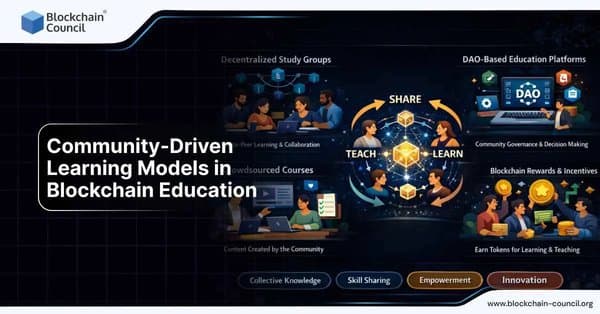
Community-Driven Learning Models in Blockchain Education
Blockchain education looks nothing like it did five years ago. The fastest learners today are not grinding only through textbooks alone – they are inside communities, asking questions, reviewing each other’s work, and shipping real projects. Understanding how these models work gives you…
Trending Articles

The Role of Blockchain in Ethical AI Development
How blockchain technology is being used to promote transparency and accountability in artificial intelligence systems.

AWS Career Roadmap
A step-by-step guide to building a successful career in Amazon Web Services cloud computing.

Top 5 DeFi Platforms
Explore the leading decentralized finance platforms and what makes each one unique in the evolving DeFi landscape.