Blockchain in Humanitarian Aid Distribution

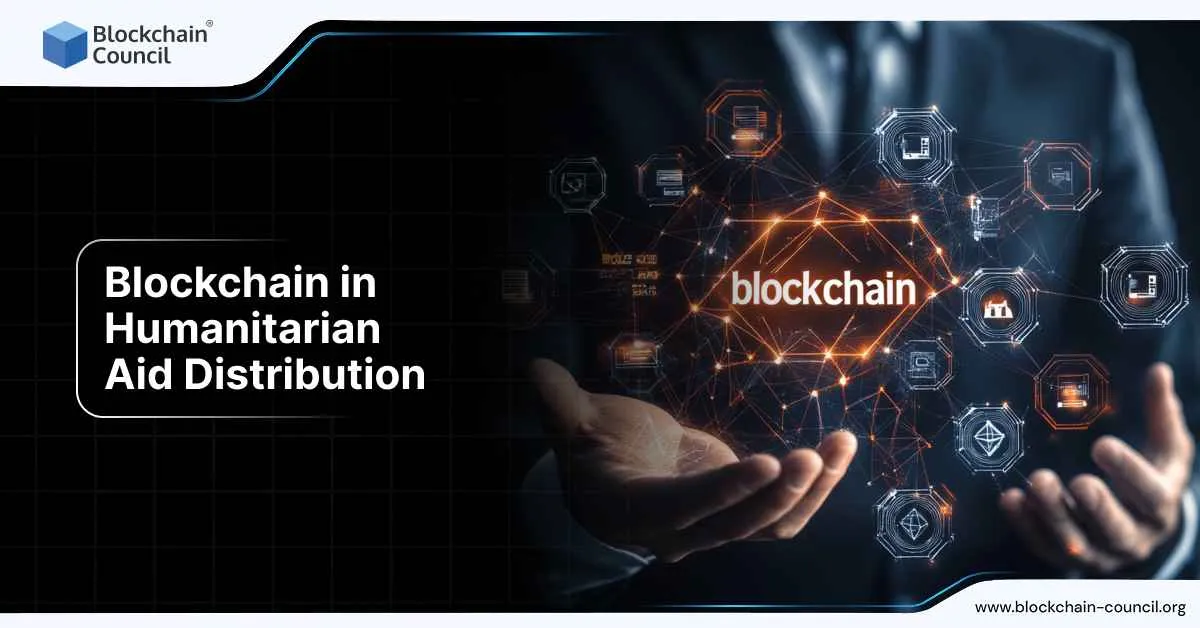
Blockchain is making humanitarian aid more transparent and efficient. Aid programs often face corruption, delays, and poor tracking, which prevents resources from reaching the people who need them most. Blockchain solves these issues by recording each transfer of cash, goods, or services on an immutable ledger. This means donors, agencies, and recipients can all verify where the aid went. If you want to explore how blockchain achieves this in practice, taking a Blockchain Course is a strong place to begin.
Why Aid Distribution Needs Blockchain
Humanitarian aid flows through many layers, from governments to NGOs to local partners. This complexity creates opportunities for fraud, waste, and mismanagement. Blockchain reduces these risks by:

- Ensuring transparency, since every transaction is visible and cannot be changed
- Preventing fraud, as smart contracts only release funds when conditions are met
- Speeding up delivery, since digital vouchers move faster than paper processes
- Enabling trust between donors and communities
By cutting out inefficiencies, blockchain makes aid more reliable and more impactful.
How Blockchain Works in Aid Programs
Blockchain does not replace existing aid systems but strengthens them. Aid can be distributed as tokens, vouchers, or stablecoins on blockchain networks. Refugees, for example, can receive a digital wallet linked to their identity and spend it on approved goods.
Smart contracts allow funds to flow instantly when rules are met. This removes manual checks and reduces delays. Agencies can also monitor transactions in real time, giving them confidence that resources reach the intended recipients.
Benefits of Blockchain in Humanitarian Aid
The use of blockchain provides benefits across the entire aid process.
Benefits of Blockchain in Humanitarian Aid Distribution
| Benefit | Description | Example | Impact |
| Transparency | Records are visible and unalterable | Building Blocks by UN WFP | Donor trust increases |
| Fraud prevention | Smart contracts enforce conditions | Digital food vouchers | Less corruption risk |
| Speed | Funds and vouchers delivered faster | USDC aid in Ukraine | Quicker access for refugees |
| Proactive distribution | Resources triggered by events | Disaster relief pilots | Timely emergency response |
This table shows how blockchain addresses long-standing problems in aid distribution.
Real-World Examples of Blockchain Aid
Several humanitarian programs have tested blockchain with promising results:
- UN World Food Programme’s Building Blocks used Ethereum to deliver food assistance in refugee camps.
- Kare Wallet, deployed with the American Red Cross, enabled rapid relief for communities affected by disasters.
- UNHCR’s pilot in Ukraine distributed USDC stablecoins to displaced people, helping them access essentials safely.
These projects show blockchain’s ability to make aid delivery faster, safer, and more accountable.
Challenges in Blockchain-Based Aid
While blockchain has clear benefits, it also faces challenges:
- Many pilots are small-scale, and there is little evidence of performance in larger programs
- Smaller NGOs may lack the technical capacity to use blockchain tools
- Regulations around digital payments and identity vary across countries
- Community impact has not been deeply studied in some pilots
Challenges of Blockchain in Humanitarian Aid
| Challenge | Description | Example | Impact |
| Scale uncertainty | Few large programs tested | Refugee camp pilots | Limited evidence |
| NGO capacity | Tech burden on small groups | Local charities | Slower adoption |
| Regulation | Digital aid must comply with law | Stablecoin transfers | Compliance risks |
| Community insight | Limited studies on cultural impact | Pilot projects | Missed social factors |
This table highlights barriers that must be solved for blockchain aid to scale globally.
Opportunities with Blockchain in Aid
Blockchain opens new possibilities for both humanitarian organizations and communities. Aid can be delivered quickly in crises, tracked easily across borders, and monitored by donors in real time. Refugees can also gain more dignity and control by directly managing their digital aid wallets.
For professionals, this is an expanding field. Completing the Best Blockchain Course helps in mastering the technology. A Data Science Certification can provide skills to analyze aid data and impact. For leaders and NGO managers, a Marketing and Business Certification helps align blockchain solutions with humanitarian goals.
The Future of Humanitarian Aid with Blockchain
The future of aid distribution will likely combine blockchain with mobile identity, biometrics, and digital wallets. This would create an ecosystem where aid is transparent, fast, and personalized. Governments and large NGOs are already exploring this direction, and more partnerships with blockchain providers are expected.
Scaling these solutions will require clear governance and strong collaboration. Once these systems mature, blockchain could become the backbone of humanitarian relief worldwide.
Conclusion
Blockchain brings transparency, efficiency, and accountability to humanitarian aid distribution. By cutting out fraud and delays, it ensures that resources reach people faster and more reliably. At the same time, challenges around scale, regulation, and community impact must be addressed for broader adoption.