Can NFTs Move Beyond Digital Art into Real-World Utility?

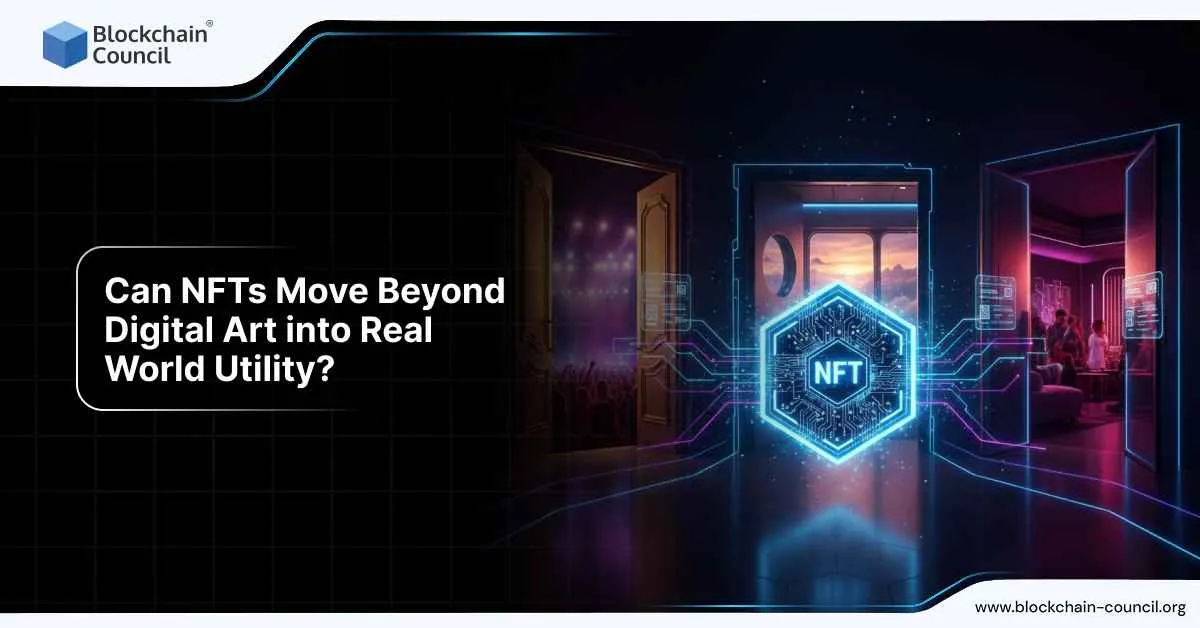
Yes, NFTs are already moving beyond digital art, and 2025 is shaping up to be the year where their real-world utility comes into focus. NFTs, or non-fungible tokens, are no longer only about collectible images or profile pictures. Instead, they are being used in event ticketing, property ownership, supply chains, gaming, identity, and even loyalty programs. This shift shows that NFTs can become useful tools rather than speculative assets. If you are looking to understand these changes better, exploring blockchain technology courses is a strong first step.
What Real-World Utility Means for NFTs
Utility NFTs are designed to do more than prove ownership of digital art. They offer actual benefits. For example, an NFT ticket could give access to a concert, prevent counterfeiting, and even limit resale prices. Some NFTs grant access to clubs, online communities, or special product drops. Others provide identity verification or act as proof of ownership for physical goods.

This means NFTs are evolving into tools that connect digital ownership with tangible value in everyday life.
Key Use Cases Already Emerging
NFTs are now being applied in several industries:
Event Ticketing
NFTs can act as tamper-proof digital tickets. They reduce fraud and ensure buyers know their ticket is authentic.
Real Estate and Property
NFTs can represent ownership shares in real estate. This makes property investment more accessible and can speed up title transfers.
Gaming and the Metaverse
Players can truly own in-game assets like characters, skins, or virtual land. These NFTs can be traded or sold outside the game itself.
Identity and Credentials
NFTs can prove membership, qualifications, or identity. For example, a university could issue graduation certificates as NFTs.
Supply Chain and Authenticity
Luxury goods or medicines can be linked to NFTs to prove they are genuine. Consumers can verify an item’s origin by scanning the NFT.
Loyalty and Rewards
Brands are using NFTs as loyalty passes. Holders might get discounts, early access, or exclusive experiences.
Community Ownership
Clubs and organizations are using NFTs to give holders a vote in decisions. This makes ownership more interactive.
Trends Driving This Shift
The NFT market has changed since its 2021 boom. Trading volumes for speculative art NFTs have dropped, but utility-based NFTs are growing. In 2025, several trends stand out:
- Phygital NFTs: Tokens tied to both physical and digital products.
- DeSci and research funding: NFTs being used to fund and track scientific projects.
- Membership access: Clubs and services issuing NFTs as digital membership cards.
- Tokenized real-world assets: NFTs linked to real estate, collectibles, and products are gaining traction.
Challenges Holding NFTs Back
While utility NFTs are promising, some obstacles remain:
- Legal clarity: Courts and regulators are still figuring out how to treat NFTs tied to physical assets.
- Interoperability: An NFT on one blockchain may not be usable across others without standards.
- Verification: Linking a physical item to a digital token is still a technical and trust challenge.
- Market demand: Speculative hype has cooled. For NFTs to thrive, they must provide consistent real-world value.
Traditional NFTs vs Utility NFTs
How Utility NFTs Differ from Traditional NFTs
| Aspect | Utility NFTs |
| Ownership | Links to real-world or functional rights |
| Value | Based on benefits and usage |
| Examples | Event tickets, loyalty passes, property rights |
| Market demand | Driven by usefulness, not speculation |
| Verification | Often tied to physical goods or services |
| Governance | Can grant voting or membership rights |
| Resale | May include built-in rules on pricing or access |
| Audience | Broader, not just crypto collectors |
| Longevity | Designed for ongoing use |
| Adoption outlook | Growing as businesses test real-world cases |
Expert Insights and Research
Analysts note that NFTs are becoming “functional assets” valued for what they do, not just what they represent. Academic research also highlights how NFTs could change identity systems, supply chains, and asset management. Brands are exploring NFTs as loyalty tools, extending them into both digital and physical experiences.
Why This Matters for You
NFTs are no longer just about digital art hype. They are being applied in real-world contexts where ownership, access, and authenticity matter. For investors, creators, and professionals, this means opportunities are shifting from speculation to utility.
If you want to analyze how NFT data can shape markets, a Data Science Certification can help. If you want to lead adoption of NFTs in business strategies, the Marketing and Business Certification can give you the skills to do so.
Conclusion
NFTs are clearly moving beyond digital art. Their real-world utility in ticketing, real estate, gaming, identity, supply chains, and loyalty programs proves they can be much more than collectibles. The shift is happening now, but challenges around law, interoperability, and trust must be solved for NFTs to reach full potential.
If these hurdles are addressed, NFTs may become everyday tools for ownership and access — quietly reshaping how we interact with both digital and physical worlds.