
Blockchain for Energy Trading

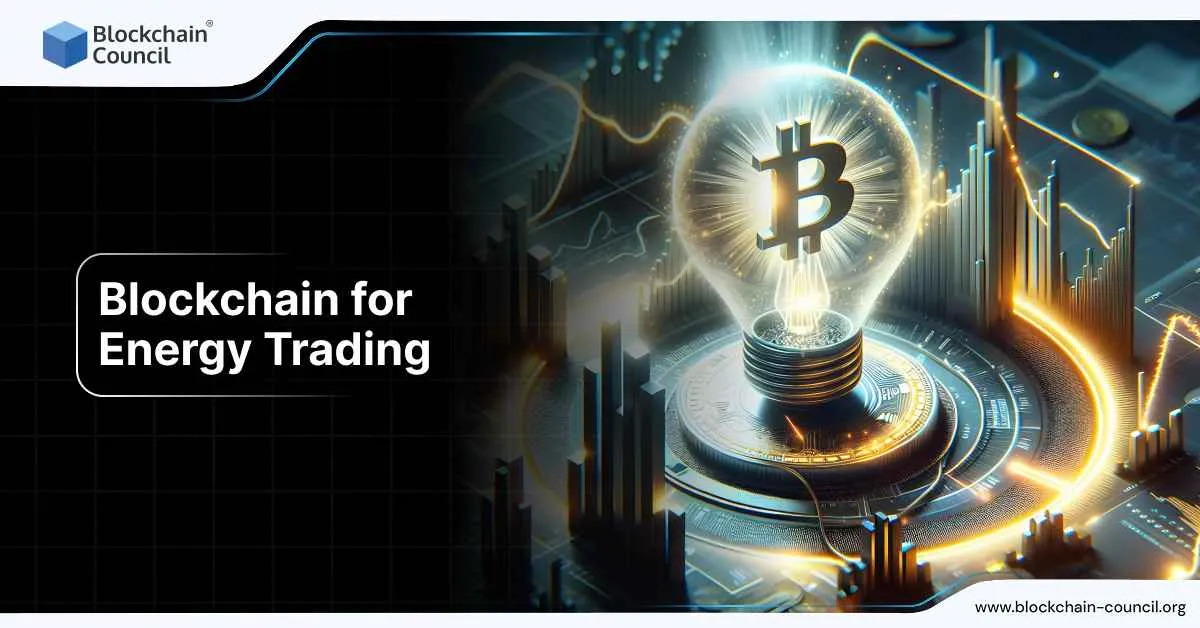
Blockchain is transforming energy trading by allowing producers and consumers to exchange electricity directly in a secure and transparent way. Traditional energy markets depend on Centralized systems and intermediaries, which make the process slower and more expensive. With blockchain, trades can happen instantly, records cannot be altered, and both households and companies can participate in peer-to-peer markets. If you want to explore how these systems are built, taking a Blockchain Course is the best way to start.
Why Energy Trading Needs Blockchain
Energy trading is becoming more complex as renewable power, microgrids, and smart devices expand. The traditional approach often creates problems such as:

- High transaction costs due to multiple middlemen
- Limited opportunities for households to sell excess power
- Delays in settlements between producers and buyers
- Lack of transparency in how energy is priced and traded
Blockchain addresses these problems by creating a shared ledger where transactions are visible, verifiable, and automatic.
How Blockchain Works in Energy Markets
Blockchain platforms for energy use smart contracts to manage trades. When certain conditions are met, such as energy supply matching demand, the smart contract executes a trade automatically. Payments and ownership changes are recorded instantly.
Producers of renewable energy, like solar panel owners, can tokenize their output and sell it directly to neighbors. Utilities can also use blockchain to buy and sell power anonymously across a shared system, cutting the role of exchanges or brokers.
Key Uses of Blockchain in Energy
Peer-to-Peer Energy Trading
Communities can trade solar and wind power directly, building stronger local energy systems and cutting reliance on big utilities.
Decentralized Platforms
Companies like PowerLedger and LO3 Energy let users trade electricity through tokens. This reduces bills for consumers and increases profits for small producers.
Utility-Level Trading
Large energy companies can settle trades more efficiently through blockchain systems that record all movements without third-party clearing houses.
Benefits of Blockchain for Energy Trading
Blockchain adds several benefits to the energy sector, from cost savings to improved access.
Benefits of Blockchain in Energy Trading
| Benefit | Description | Example | Impact |
| Lower costs | Removes middlemen from transactions | PowerLedger in India | Reduced bills by 43% |
| Real-time settlements | Smart contracts complete trades instantly | Brooklyn Microgrid | Faster payments for producers |
| Local access | Communities share renewable power directly | Thailand project | 30% renewable autonomy |
| Greater trust | Records cannot be altered or hidden | WePower in Estonia | Transparent tokenized energy |
This table highlights how blockchain creates a fairer and more efficient energy market.
Real-World Examples of Blockchain in Energy
- PowerLedger operates in several countries, enabling tokenized energy trades and lowering consumer costs.
- Brooklyn Microgrid by LO3 Energy allows households to sell solar energy locally, cutting bills while boosting producer profits.
- WePower in Estonia created digital tokens for every kilowatt-hour of renewable energy produced, making clean energy fully tradable.
- UrbanChain in the UK connects small producers to businesses using blockchain and AI, growing revenues while expanding renewable access.
These examples show blockchain’s value in both community and large-scale energy markets.
Challenges of Blockchain Adoption
Although blockchain offers strong advantages, there are hurdles to wider adoption:
- Scalability remains an issue when thousands of trades occur at the same time
- Platforms must integrate with existing smart grids and IoT devices
- Energy laws and market regulations vary, making compliance complex
- The technology must prove its ability to operate reliably at national scale
Challenges of Blockchain in Energy Trading
| Challenge | Description | Impact | Possible Solution |
| Scalability | Networks slow under heavy data loads | Delays in trades | Use high-capacity blockchains |
| Integration | Must connect with legacy systems | Difficult rollout | API-driven upgrades |
| Regulation | Markets have strict laws | Slower adoption | Work with regulators early |
| Reliability | Need for stable operations | Risk of outages | Combine with IoT and AI |
This table shows the main barriers that blockchain platforms must solve for large-scale success.
Opportunities with Blockchain in Energy
Blockchain opens new models for energy markets. Local microgrids can grow, allowing households to sell clean energy directly. Utilities can cut settlement costs and improve efficiency. Tokenization of renewable power also gives investors new ways to support sustainability projects.
For professionals, this creates a strong career path. A Best Blockchain Course gives the technical foundation. A Data Science Certification is valuable for analyzing energy trade data. For managers and innovators, a Marketing and Business Certification can help bring blockchain energy products to market.
The Future of Blockchain in Energy
The future of energy will involve decentralized trading systems where communities, businesses, and utilities all use blockchain. With smart contracts, IoT devices, and AI integration, trades will be faster and more reliable. Regulators are starting to recognize blockchain’s role in sustainable energy systems, paving the way for broader adoption.
Conclusion
Blockchain makes energy trading more transparent, efficient, and fair. It enables local communities to sell renewable power, cuts costs for consumers, and gives utilities faster settlements. Challenges remain, especially around scale and regulation, but progress is being made through global pilots.
Related Articles
View All
Blockchain
How Blockchain Can Prevent AI Data Manipulation
Introduction Artificial Intelligence (AI) has become one of the most powerful technologies driving digital transformation across industries. From healthcare diagnostics and financial fraud detection to smart cities and recommendation systems, AI systems depend heavily on large volumes of data to…

Blockchain
Why AI Needs Blockchain for Trust and Security
Introduction Artificial Intelligence (AI) has become one of the most powerful technologies driving digital transformation across industries. From healthcare diagnostics and financial fraud detection to recommendation systems and autonomous vehicles, AI systems are increasingly responsible for…

Blockchain
Blockchain and AI: Understanding the Perfect Tech Combination
Introduction Two of the most revolutionary technologies of the modern digital era are Artificial Intelligence (AI) and Blockchain. Individually, both technologies have already transformed industries such as finance, healthcare, logistics, cybersecurity, and digital commerce. However, when combined,…
Trending Articles

The Role of Blockchain in Ethical AI Development
How blockchain technology is being used to promote transparency and accountability in artificial intelligence systems.

AWS Career Roadmap
A step-by-step guide to building a successful career in Amazon Web Services cloud computing.
Top 5 DeFi Platforms
Explore the leading decentralized finance platforms and what makes each one unique in the evolving DeFi landscape.