Agentic AI in E-commerce Personalization
 Michael Willson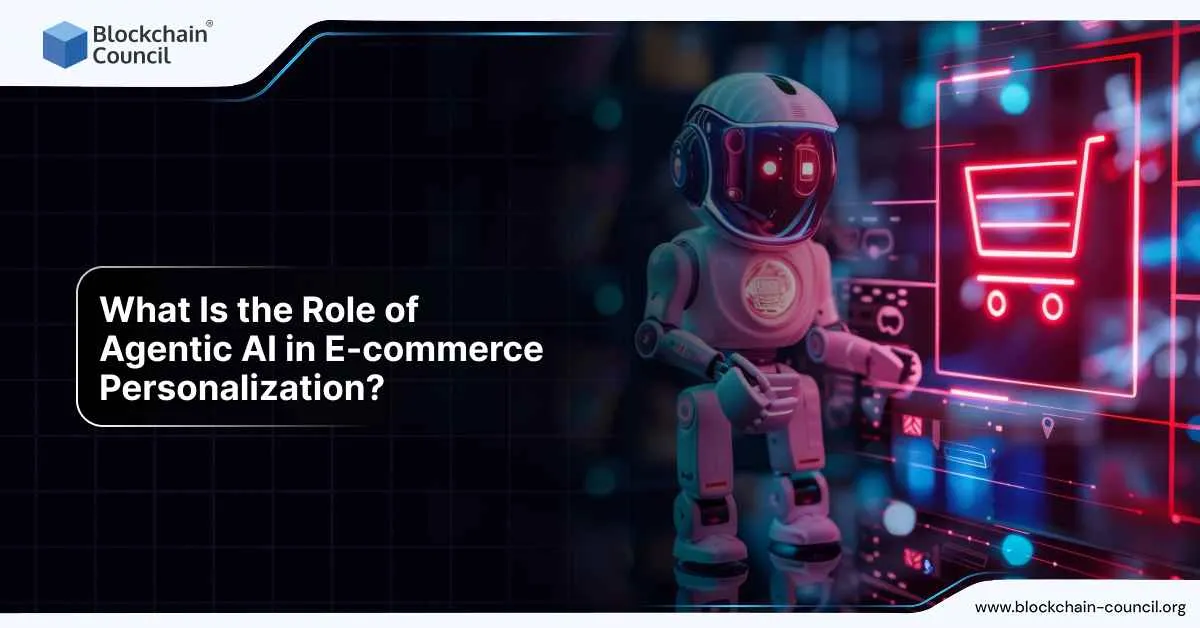
Personalization has long been the backbone of e-commerce, but it has often relied on static recommendations and limited targeting rules. The rise of agentic AI—AI that acts autonomously by reasoning, deciding, and adapting—pushes personalization into a new era. These systems can remember customer preferences, negotiate offers, & create experiences that feel more tailored than ever. Professionals eager to understand these changes, an AI certification is a practical starting point to master the foundations.
How Agentic AI Transforms E-commerce
Traditional recommendation engines work reactively: they suggest items based on browsing history or what other users have bought. Agentic AI, by contrast, operates proactively. It doesn’t just react to clicks—it predicts intent, adjusts in real time, and sometimes completes tasks on behalf of the shopper. This shift enables more fluid and human-like shopping journeys.

Applications
Autonomous Shopping Agents
Customers can now rely on personal agents that interact directly with a retailer’s system. These agents compare options, find the best deals, and even execute purchases, making personalization active rather than passive.
Real-Time Adaptation
E-commerce platforms using agentic AI can dynamically alter product recommendations, promotions, and pricing as users browse. Adjustments happen instantly, based on user behavior, time of day, and inventory levels.
Conversational Discovery
Instead of navigating endless menus, shoppers can simply ask for what they want. Agents process casual or detailed requests—such as “a red silk blouse to match my shoes”—and present refined results on the spot.
Multi-Modal Personalization
In fashion and lifestyle sectors, tools like AMMR (Agentic Mixed-Modality Refinement) combine text and image inputs to refine results. This enables more accurate recommendations when users provide visual and descriptive cues together.
Strategy Simulation
Research such as PAARS demonstrates how synthetic shopper agents can simulate different customer personas. Brands can test personalization strategies before rolling them out, reducing risk and improving efficiency.
Benefits of Agentic AI for E-commerce
| Personalization Feature | Advantage with Agentic AI |
| Long-Term Memory | Agents recall past purchases, style, and preferences |
| Proactive Offers | Special deals and reorders triggered automatically |
| Journey Orchestration | Coordinates browsing, comparison, and checkout steps |
| Adaptive Interfaces | UI shifts based on device, context, and customer habits |
| Conversational Shopping | Lets users describe intent naturally |
| Testing at Scale | Simulated shoppers predict outcomes of new strategies |
Industry Leaders Already Making Moves
Amazon’s “Rufus” agent provides personalized guidance based on browsing and purchase histories. Walmart is experimenting with “super agents” like Sparky to offer smarter, faster shopping journeys. Mastercard describes “agentic commerce” as the next big frontier, where AI remembers preferences, handles reorders, and reduces friction in digital shopping. These examples show that personalization powered by agentic AI is moving quickly from concept to mainstream. For developers and strategists aiming to work with these systems, AI certs are a strong way to build the right skills.
Challenges in Deploying Agentic AI
Despite its potential, agentic AI also raises concerns. Transparency is crucial—customers and regulators need to know why an agent made a suggestion. There’s also the risk of overreach if agents act too aggressively, such as pushing products without proper context. Privacy is another critical factor: agents require access to sensitive behavioral data, which must be handled with consent and compliance in mind. Professionals interested in understanding the data layer of personalization may find a Data Science Certification especially valuable.
Preparing for the Future of E-commerce
E-commerce businesses need both technical and strategic readiness to make the most of agentic AI. Leaders planning for long-term adoption can benefit from a Marketing and Business Certification, which provides guidance on balancing customer experience with business goals. Developers who want to specialize in designing autonomous systems for commerce can turn to an agentic AI certification for focused training.
Beyond Personalization
Agentic AI in e-commerce is part of a broader evolution in technology. It extends beyond personalization into customer service, fraud detection, and supply chain optimization. For those looking to combine trust with innovation, blockchain technology courses provide additional expertise in building transparent, tamper-resistant systems.
Conclusion
Agentic AI is redefining personalization in e-commerce. By enabling autonomous shopping agents, real-time adaptation, conversational discovery, and multi-modal recommendations, it creates experiences that feel seamless and intuitive. Yet businesses must balance innovation with trust, privacy, and oversight. For professionals and leaders, the next step is clear: invest in the right knowledge and certifications to prepare for a future where personalization is powered not just by data, but by intelligent agents working on behalf of both customers and brands.