AI in Recruitment and Hiring

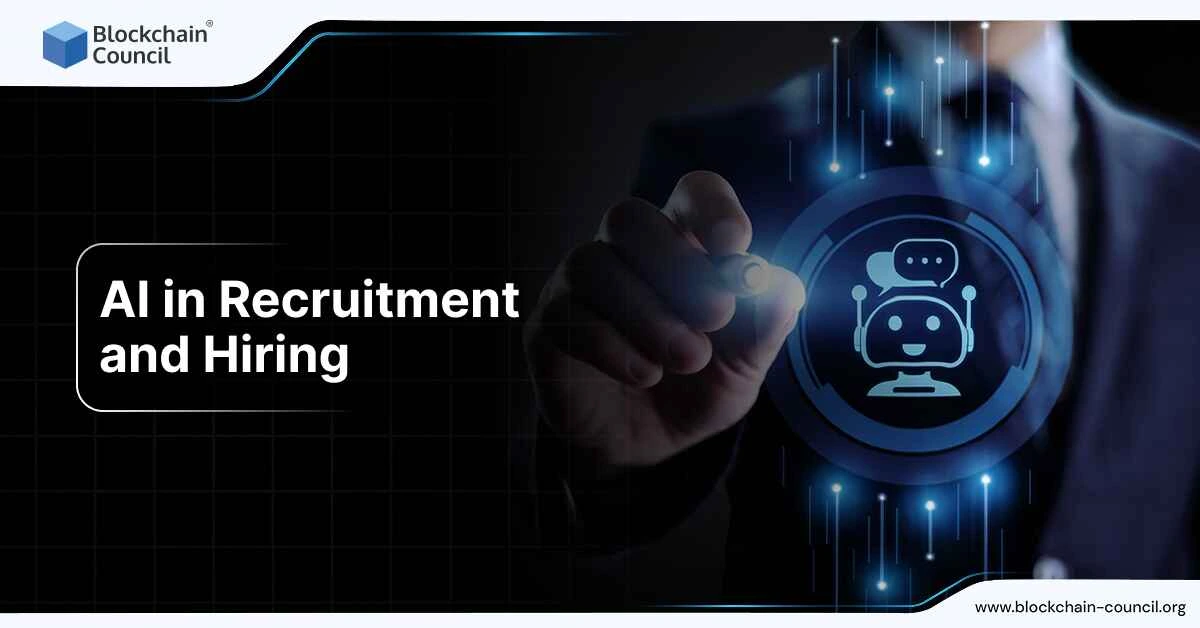
Recruiting the best candidates has always been a key factor in any company’s success. Traditional methods, however, often involve time-consuming steps like manually sorting through resumes or arranging interviews. These processes can slow down decision-making and keep teams bogged down in routine tasks. AI offers a way to handle these steps more efficiently, letting recruiters focus on making informed choices about whom to hire.
Revolutionizing Resume Screening
A key area where AI has shown immense potential is resume screening. AI-driven tools are designed to sift through massive numbers of applications quickly. They can match skills, qualifications, and experiences with job requirements, cutting the workload for hiring teams and reducing delays.

One notable example is how Unilever used AI to accelerate its hiring. Their AI system processed over 250,000 applications in record time, reducing the hiring period from four months to just four weeks. This not only saved time but also freed up over 50,000 hours of manual effort that recruiters would otherwise have spent on screening.
Broadening Candidate Sourcing
Another exciting way AI is making a difference is by expanding how candidates are sourced. Instead of waiting for applicants to come forward, AI tools search various online platforms and professional networks to identify qualified individuals. These systems can even suggest candidates who may not have applied for the role but are an excellent fit based on their profiles.
Platforms like Indeed have incorporated AI to connect job seekers with relevant openings. By analyzing user profiles and skillsets, these tools improve the chances of finding the perfect match, even among those who weren’t actively seeking a specific job.
Improving Candidate Communication Through AI Chatbots
The hiring process isn’t just about finding great candidates; keeping them engaged throughout the process is equally vital. AI chatbots are playing a pivotal role in this area. They respond instantly to candidate questions, provide guidance during the application process, and even assist with scheduling interviews.
For instance, Zappyhire has developed a chatbot that combines resume screening with candidate interaction. This ensures applicants stay informed and engaged, making the entire process smoother for both parties.
Modernizing Interviews with AI
Interviews are another aspect of hiring that AI is transforming. Tools now exist that analyze video interviews to assess a candidate’s suitability. These systems review responses, facial expressions, and even tone to provide insights into a candidate’s compatibility with the role.
Platforms like HireVue are at the forefront of this shift. Their video interview solutions analyze behavioral patterns and speech to help recruiters make better-informed decisions. This extra layer of analysis allows hiring teams to focus on finding candidates who best meet their requirements.
Tackling Bias in Recruitment
Bias, whether conscious or unconscious, has long been a challenge in recruitment. AI has the potential to counter this by evaluating applicants based purely on their qualifications and work history. However, these systems must be carefully monitored to avoid introducing new biases through flawed programming or biased data sets.
For example, the UK Ministry of Defence employs AI tools to ensure job advertisements are written in ways that attract a more diverse group of applicants. This highlights how AI can be leveraged to promote inclusivity when used thoughtfully.
Real-World Success Stories
AI has already been successfully integrated into the recruitment strategies of many organizations.
- Goldman Sachs: This financial giant uses AI to handle repetitive tasks, freeing employees to focus on more strategic responsibilities.
- Salesforce: By announcing plans to hire thousands for AI-driven roles, the company is demonstrating its commitment to technology in recruitment.
- Workday: This software provider uses AI tools to create job postings, find candidates, and organize interviews, making the hiring process faster and more efficient.
Challenges in Using AI for Hiring
While the benefits of AI in recruitment are clear, it’s not without its challenges.
- Protecting Candidate Privacy: Companies must handle sensitive data responsibly and comply with legal standards.
- Avoiding Bias in Algorithms: AI tools need regular updates and diverse data to avoid perpetuating discriminatory practices.
- Maintaining the Human Element: Even with advanced automation, building relationships with candidates and evaluating cultural fit are tasks that require a personal touch.
Trends on the Horizon
Looking ahead, AI in recruitment is expected to evolve in several promising directions:
- Custom Job Matching: Future AI systems are likely to assess candidates based on personal values, work preferences, and long-term goals, making matches even more precise.
- Predicting Workforce Needs: Companies may use AI to anticipate hiring needs by analyzing patterns like employee turnover and business growth.
- Virtual Reality Assessments: Some organizations might adopt AI-driven virtual reality tools to simulate job scenarios, offering a new way to evaluate candidates.
Conclusion
AI is changing the way organizations approach hiring. By automating repetitive tasks, improving communication, and expanding sourcing options, it’s creating faster and more effective recruitment processes. However, challenges like data privacy and maintaining fairness mean companies must implement AI tools carefully. As technology continues to advance, businesses that embrace these innovations will find themselves better equipped to attract top talent in an increasingly competitive market.