
Advancing AI Education for American Youth April 2025 Initiative

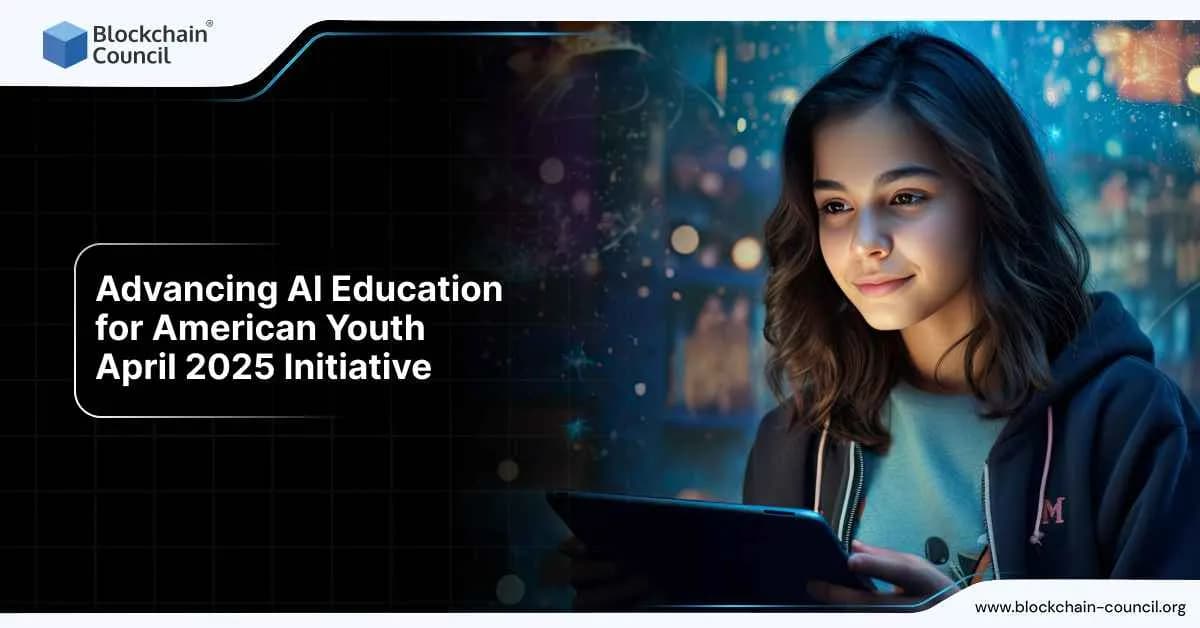
In April 2025, the United States launched a national initiative to advance artificial intelligence education for American youth. This effort is designed to close the skill gap, prepare the next generation for an AI-driven economy, and keep the country competitive globally. The plan focuses on K-12 students, educators, and workforce training through coordinated government action and public-private partnerships. For students and professionals alike, gaining an AI certification is becoming one of the fastest ways to build skills and credibility in this space.
Why the Initiative Matters
The initiative was announced through an executive order on April 23, 2025. Its goal is to make AI literacy and training accessible across schools, after-school programs, and workforce pathways. The White House created a Task Force on AI Education to coordinate policies across federal agencies. By doing so, the government aims to address both immediate and long-term needs.

AI is now central to industries like healthcare, finance, agriculture, and manufacturing. Without early exposure and skills development, students risk being unprepared for future jobs. Employers already report shortages in AI skills, which means today’s learners must be equipped sooner. AI certs are now becoming an important tool for filling this demand.
Key Components of the April 2025 Initiative
The Task Force on AI Education
The Task Force is at the heart of the plan. It brings together agencies such as the Department of Education, the National Science Foundation, and the Department of Labor. Their job is to ensure AI learning resources are created quickly and distributed fairly.
The Presidential AI Challenge
Within 90 days of the order, a national competition called the Presidential AI Challenge will launch. This contest will recognize innovative AI projects by students and teachers. It will also encourage collaboration between schools, businesses, and nonprofits to promote creativity and innovation.
Building K-12 AI Resources
The initiative calls for the creation of online AI literacy tools for K-12 students. These resources will be developed through public-private partnerships with leading technology companies, universities, and nonprofits. The goal is to roll them out within six months of the launch.
Role of Federal Agencies
Different agencies have specific responsibilities to make the initiative successful.
- Department of Education: Provide guidance on how schools can use federal grants for AI curriculum, tutoring, and career advising. Issue recommendations on responsible and ethical AI adoption in classrooms.
- National Science Foundation: Fund research and support teacher training to ensure educators are equipped to use AI effectively.
- Department of Labor: Expand AI apprenticeships and workforce training programs so that high school and college students can transition into careers smoothly.
- Department of Agriculture: Integrate AI education into 4-H and Cooperative Extension programs, extending opportunities beyond traditional classrooms.
Table: Key Pillars of the April 2025 AI Education Initiative
Task Force on AI Education
Coordinates nationwide efforts across government agencies to create, fund, and distribute AI learning resources fairly.
Presidential AI Challenge
Launches a national competition to showcase innovative AI projects from students and teachers while encouraging schools, businesses, and nonprofits to collaborate.
Public-Private Partnerships
Brings together universities, technology companies, and nonprofits to build online AI literacy tools for K–12 students, ensuring broad access within six months.
Educator Training
Equips teachers with AI skills through professional development and funded programs, ensuring they can guide students in both technical and ethical use.
Workforce Integration
Creates pathways from high school to careers by expanding apprenticeships, internships, and workforce training linked to AI-focused industries.
Ethical AI in Education
The Department of Education also emphasized responsible AI use. Schools are encouraged to address privacy concerns, involve parents in planning, and focus on AI as a tool for personalizing education. The idea is not just to teach coding but to build critical thinking skills and encourage safe, ethical use of technology.
This aligns with the broader need for professionals who understand AI governance and responsibility. For those seeking careers that combine technical and ethical training, the Data Science Certification offers a strong foundation in data-driven decision-making.
Private Sector Involvement
The initiative relies heavily on collaboration with private companies. Microsoft, OpenAI, and Anthropic are already working with the American Federation of Teachers to train educators. Their role includes providing resources, toolkits, and direct professional development to help teachers adopt AI tools confidently.
After-school programs are also included, ensuring that learning extends beyond traditional classrooms. This is critical for reaching underserved communities and giving every student exposure to emerging technologies.
Preparing the Future Workforce
This initiative is not just about schools. It is about building an entire workforce that can compete in the global AI economy. By combining formal education with informal learning, apprenticeships, and private sector support, it creates a pipeline from classrooms to careers.
For business leaders and professionals, the Marketing and Business Certification helps connect AI adoption to real growth strategies. This ensures that education, industry, and leadership remain aligned.
Conclusion
The April 2025 initiative to advance AI education for American youth marks a major step in preparing the next generation. By establishing a Task Force, launching national challenges, and building K-12 resources, the program sets the stage for widespread AI literacy. Federal agencies, schools, and private companies are working together to give students the tools they need to thrive.
Related Articles
View All
AI & ML
Gemma 4 vs Gemini: Rise of Local AI for Privacy-First, Offline Deployment
Gemma 4 vs Gemini compares local open-weight AI with cloud-only Gemini. Learn the differences in privacy, cost, performance, and how to run Gemma 4 locally in 2026.

AI & ML
Running Gemma 4 LLMs on Mobile
Learn how to run Gemma 4 LLMs on mobile with on-device inference tips, memory and latency benchmarks, quantization options, and deployment guidance for Android and edge devices.

AI & ML
Gemma 4 vs LLaMA vs Mistral
Compare Gemma 4 vs LLaMA vs Mistral for edge AI, latency, and cost. Learn which lightweight LLM fits on-device privacy, long context, or low-cost scaling.
Trending Articles
The Role of Blockchain in Ethical AI Development
How blockchain technology is being used to promote transparency and accountability in artificial intelligence systems.
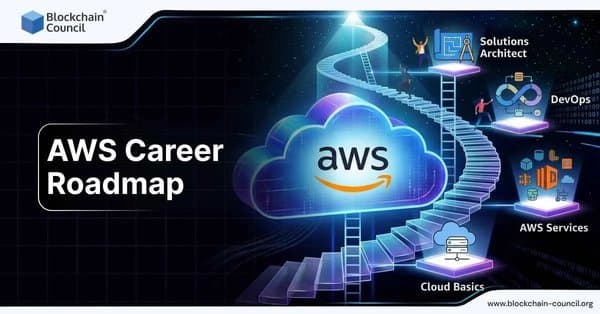
AWS Career Roadmap
A step-by-step guide to building a successful career in Amazon Web Services cloud computing.
Top 5 DeFi Platforms
Explore the leading decentralized finance platforms and what makes each one unique in the evolving DeFi landscape.