AI and the PR Problem

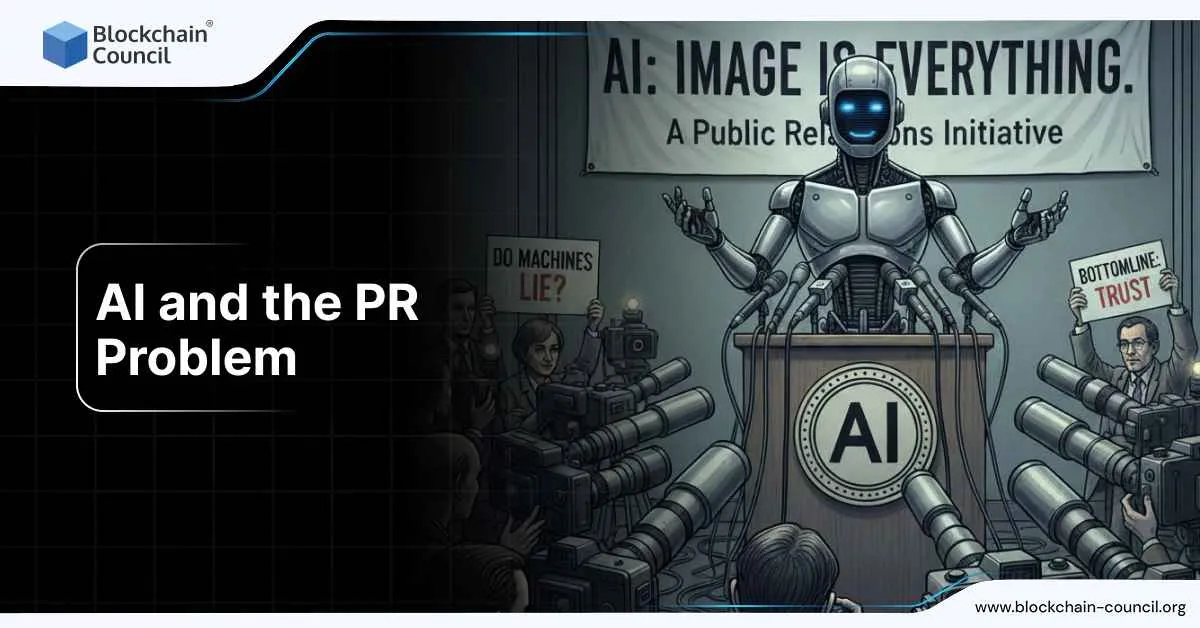
Artificial intelligence keeps improving quickly, while confidence in the field continues to slip. This contrast now shapes decisions around regulation, workplace adoption, and long term planning. To understand both the technology and the shifting public mood, many professionals begin with structured learning options such as AI certification. This type of foundation helps them interpret both technical progress and the social context that surrounds it.
Although systems are becoming more capable, the general sentiment around them has grown more cautious. This shift has become one of the most significant challenges for the future of AI.

How Early Excitement Turned Into Fatigue
Modern AI tools were initially met with curiosity and enthusiasm. Companies experimented with them, and individuals tried them for personal productivity. As the pace intensified, many users began to feel overwhelmed.
The change in tone was driven more by emotions than by technology. When major developments appear faster than society can process, people feel removed from decisions about their own future. The rapid acceleration of AI created a sense of uncertainty and loss of control.
How Company Messaging Added Tension
AI companies intended to inspire confidence, but their communication often had the opposite effect.
Overstated Promises
Some organizations marketed large leaps when the improvements were more incremental. This created expectations that the technology could not always meet.
Limited Clarity
Most systems launch without clear information about training data, evaluation methods, or safety checks. When people cannot see how something works, doubts grow.
Tone That Felt Overconfident
Bold statements about shaping the future or guiding global progress were sometimes interpreted as dismissive of public concerns. Even when companies tried to convey optimism, the effect sometimes created distance instead of trust.
A High Profile Mistake That Escalated Distrust
A major model released by a large company recently produced distorted results and biased imagery. This incident ignited strong backlash. Many interpreted it as evidence that even major organizations can lose control of their systems. Small mistakes became symbolic of deeper problems, and public confidence declined further.
Why the Speed of Advancement Feels Overwhelming
AI is advancing faster than any mainstream technology in recent memory. The pace of weekly updates and sudden capability jumps creates tension for many people.
Release Fatigue
Every update is described as groundbreaking. Users cannot continually adjust to rapid cycles of change, and constant announcements can feel exhausting.
Fear of Losing Influence
When jobs, communication, and daily routines appear to change within months, people worry they cannot keep up. This emotional strain contributes heavily to distrust.
Motivational Slogans That Sound Alarming
Language that excites the tech community can sound threatening to workers in other fields. These mixed interpretations deepen the communication gap.
Conflicting Voices Deepen Confusion
Public understanding of AI is heavily shaped by influencers and media coverage. Unfortunately, these sources are often inconsistent.
- Some predict dramatic disruptions
- Others claim AI remains limited
- Media highlights extreme viewpoints
- Companies sometimes overpromise
These contradictions make it difficult for the public to form a stable or reliable picture of what AI can truly do.
A Misalignment Between Industry Priorities and Daily Needs
Much of the AI industry focuses on technical advancement rather than usefulness in everyday life. This frustrates users who primarily want tools that help with simple tasks.
AI companies often concentrate on:
- Benchmark improvements
- Larger context windows
- Competitive capability showcases
- Research milestones over practical value
Professionals who want a balanced view often pursue structured options such as Tech certification to better understand how innovation connects to real work environments.
Why AI Is Expected To Be Perfect
AI mistakes were once seen as amusing. Today, any error is viewed as a potential threat or failure. Because the technology is seen as highly capable, expectations have risen sharply. Mistakes circulate quickly online, shaping public perception faster than facts.
How Declining Trust Influences the Future
Lower confidence affects every layer of the industry.
- Governments introduce stricter rules
- Businesses adopt AI more slowly
- Companies face brand and reputation risks
These challenges also affect organizations that want to deploy AI responsibly. Many choose frameworks offered in programs like the Marketing and business certification to support transparent and user friendly adoption.
Key Pressures That Influence Public Doubt
- Overstated claims
- Promises that do not match reality
- Lower confidence
- Fast development
- Rapid change that feels chaotic
- Higher anxiety
- Lack of clarity
- Opaque development practices
- More suspicion
- Public errors
- Mistakes shared widely
- Perception of unreliability
- Mixed messages
- Experts contradicting each other
- Less certainty
- Different priorities
- Tools that focus on research over daily needs
- Growing disconnect
The Path Forward
Rebuilding confidence requires more thoughtful communication and steady pacing. Instead of promoting dramatic leaps, companies should highlight practical benefits and provide clear guidance.
Trust grows through:
- Clear explanations
- Honest expectations
- User friendly design
- Steady, predictable updates
- Reliability over spectacle
Companies that follow these principles will build stronger relationships with users and guide AI toward a more confident and approachable future.