

AI and Personalized Learning Paths in Education

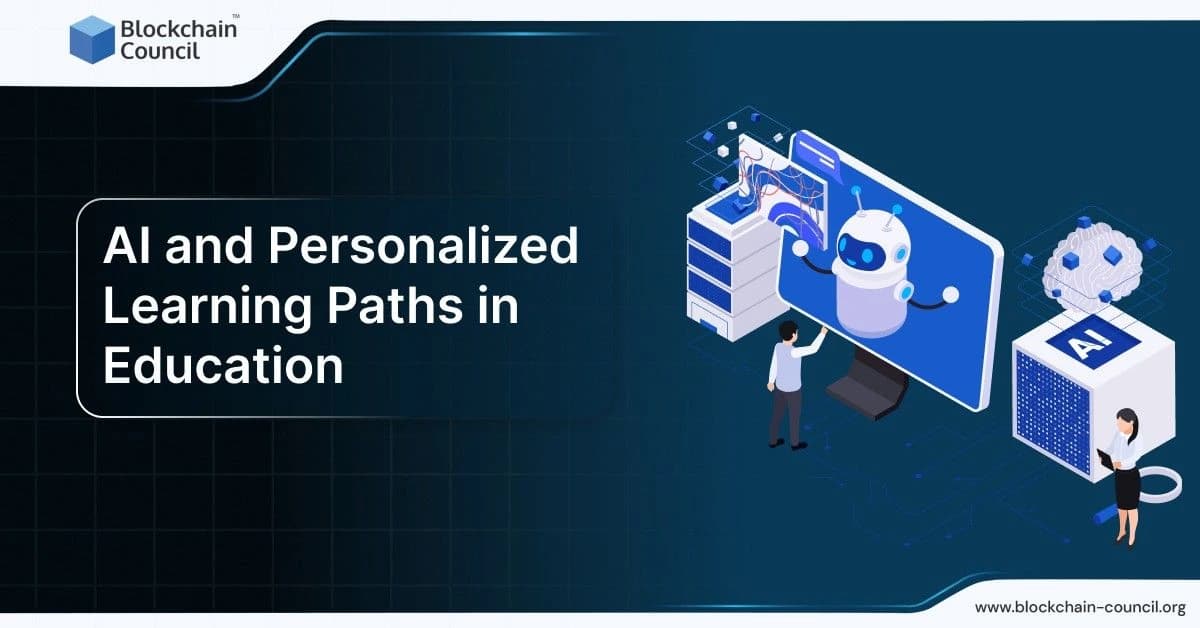
Over time, education has experienced big changes, with artificial intelligence (AI) now playing a key role in personalizing how students learn. A major driver of this transformation is adaptive learning systems.
What Exactly Is Adaptive Learning?
Adaptive learning refers to systems in education that modify content, speed, and teaching approaches based on each student’s performance. These platforms use algorithms and AI to analyze information like quiz results, engagement levels, and learning styles. They then adjust the lesson material in real time. Instead of sticking to a one-size-fits-all method, students get lessons tailored to their strengths and areas where they need more work.

A clear example of adaptive learning in action is Carnegie Learning’s platform. It uses AI to change the difficulty level of questions depending on how a student answers. Similarly, DreamBox uses algorithms to suggest exercises or lessons aligned with a student’s individual learning path, creating a more focused and efficient learning experience.
AI is transforming education, and knowing how to communicate effectively with AI is more crucial than ever. Becoming a Certified Prompt Engineer™ could position you to create more effective learning systems that adapt to students’ individual needs.
AI’s Role in Creating Personalized Learning Paths
AI can analyze large amounts of student data and spot patterns that traditional teaching might miss. This ability lets it create a customized learning path for each student. The system adjusts content immediately, offering challenges that suit each student’s skill level. Whether a student is struggling or excelling, AI can provide the right material to match their progress.
In adaptive learning, AI functions like a guide, constantly fine-tuning the student’s learning experience. For instance, if a student keeps getting stuck on a math question, the system can present more resources or try another approach. This responsive feedback loop helps students advance faster by addressing their specific needs.
Websites and tools such as Blooket, Knewton, and Realizeit illustrate how AI-driven platforms give students personalized learning experiences. These platforms evaluate student data, such as quiz outcomes and participation in class, adjusting lesson difficulty accordingly. By continuously modifying content, these systems help each student move at their own speed, leading to higher engagement and a deeper understanding of the material.
Meeting Diverse Learning Needs
One of the major advantages of AI in education is how it meets a wide range of learning needs. AI-powered systems are especially helpful for students with disabilities or special educational needs.
These tools can provide support in multiple ways, whether through visuals, interactive features, or text-to-speech tools. This flexibility makes learning more accessible for students who may struggle with traditional methods. For example, EdApp uses AI for microlearning and integrates spaced repetition to help students retain information by reviewing difficult concepts at intervals best suited to their learning progress.
In countries like Ukraine and Japan, AI has been a valuable resource for addressing educational gaps, particularly for students facing challenges due to conflicts or economic hardships. AI-based systems offer continuous learning, even when schools face teacher shortages or disruptions caused by crises. This technology ensures that students don’t fall behind, offering content tailored to their specific needs.
Real-World Use and Examples
Around the world, AI-powered educational platforms are making headway in different educational environments.
- In Japan, AI supports “data-enhanced active reading,” helping address various student learning needs.
- Meanwhile, in California, schools have adopted adaptive learning tools to allow students to progress at their own speed. These tools tackle each student’s unique challenges, creating a more effective learning experience.
- In regions such as Ukraine, AI-driven tools have even helped displaced students continue their education during difficult times.
- In China, Squirrel AI uses adaptive technology to provide students with a personalized learning experience. The system adapts based on each student’s interactions, improving outcomes in subjects like math and science.
- Similarly, platforms such as edX and Coursera use AI to offer customized study plans in higher education, helping students engage more effectively with content.
Challenges and Considerations
While AI holds promise in customizing education, it also brings some challenges. A common concern is bias in algorithms, which may occur if AI systems are trained on data that doesn’t fairly represent all students. If AI isn’t designed with diverse data in mind, it might benefit some groups more than others. Students from underrepresented backgrounds or with unique learning styles may not fully benefit from these systems unless inclusivity is prioritized during development.
Privacy is another concern with AI in education. These systems collect a significant amount of student data, such as performance records and even biometric details. Schools and developers must have strong measures in place to protect this data from being misused. It’s critical that educational institutions follow strict ethical guidelines and data privacy rules, such as Europe’s GDPR, to safeguard student privacy.
Another challenge is the issue of equal access. Not every student has reliable access to the technology needed to use AI-powered learning systems, especially in underserved or remote areas. Bridging the digital divide is essential to ensure that these systems do not widen the gap between advantaged and disadvantaged students.
Conclusion
As AI continues to develop, adaptive learning systems will likely become more advanced. Trends suggest that future systems will consider more than just academic performance, perhaps incorporating emotional or behavioral data to offer even more personalized support.
Additionally, tools like augmented reality (AR) and virtual reality (VR) may be integrated with AI, offering immersive learning experiences to make challenging subjects easier to understand. Despite concerns over privacy and access, the ongoing development of AI in education could bring valuable opportunities for both students and educators.
Related Articles
View All
AI & ML
Meta AI Career Opportunities: Skills for Generative AI and Machine Learning Roles
Explore Meta AI career opportunities, required generative AI and machine learning skills, salary ranges, role types, and a practical learning path.

AI & ML
YouTube Introduces Business Agents for YouTube Ads
YouTube is introducing Business Agent for ads, allowing shoppers to ask product questions, research purchases, and receive personalized guidance directly within YouTube ads.
AI & ML
What is Jev: Typesafe New AI Model
Learn what Jev is, how TypeSafe AI’s new System One model works, and how it delivers fast, structured, probabilistic decisions for software automation.
Trending Articles
How Blockchain Secures AI Data
Understand how blockchain technology is being applied to protect the integrity and security of AI training data.
How to Create Claude Skills?
Claude Skills are one of the most important features Anthropic has introduced for users who want automation that is structured, consistent and reusable. Instead of giving Claude long instructions ever

Claude Code Vs Cursor
Claude Code vs Cursor compares two AI coding tools based on features, automation, and developer workflows.