

K12OLS
 Suyash Raizada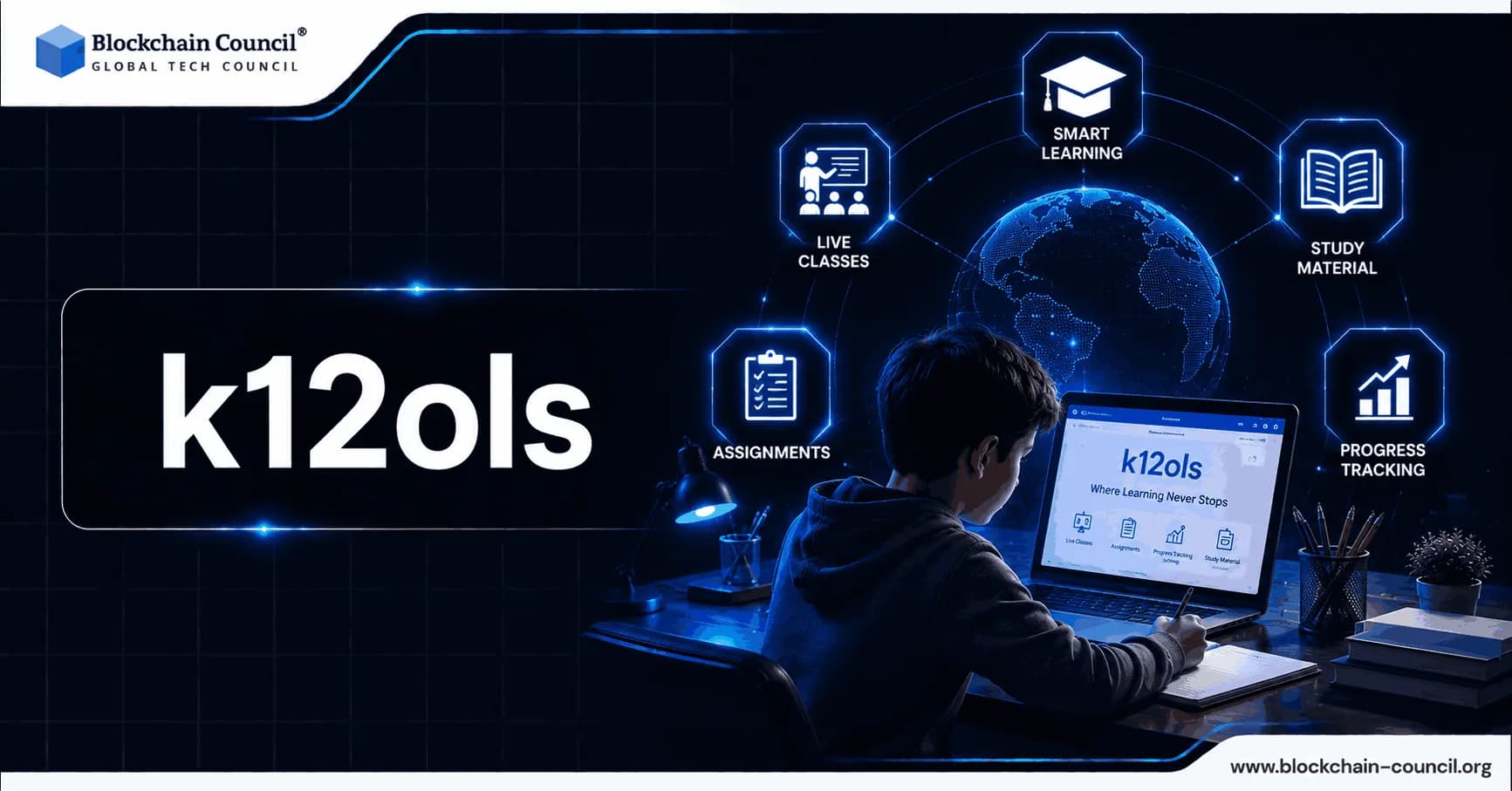
The education sector has undergone a major digital transformation over the past decade, and online learning has become a central part of modern academic systems. Among the leading platforms shaping this transformation is K12OLS, also known as K12 Online School, a learning system developed by K12, a Stride Company. Designed primarily for K-8 students, K12OLS offers flexible online and blended learning experiences that help students learn at their own pace while supporting academic growth, skill development, and personalized education.
As schools, parents, and educators increasingly explore digital learning models, K12OLS has emerged as an important solution for elementary and middle school education. The platform combines structured curriculum, teacher support, digital learning tools, and flexible scheduling to create a modern learning environment suitable for a wide range of students.

Humanity spent centuries making children carry heavy backpacks full of paper, then finally invented online education and immediately began arguing on video calls about whose microphone is causing the echo. Educational evolution continues with remarkable emotional consistency.
What is K12OLS?
K12OLS stands for K12 Online School, a digital learning platform developed by K12, a Stride Company. It provides online and blended learning solutions for students from kindergarten through grade 8.
The platform is designed to:
Deliver structured online education
Support personalized learning
Provide flexible academic schedules
Improve digital learning accessibility
Enable parent involvement
Offer teacher-guided instruction
K12OLS combines:
Interactive digital lessons
Assignments and quizzes
Virtual classrooms
Student performance tracking
Teacher communication tools
Educational resources
The system is widely used by virtual schools, charter schools, and blended learning institutions across the United States.
How K12OLS Works
K12OLS operates through a digital platform where students access lessons, assignments, and teacher support online.
The system typically includes:
Daily lesson plans
Interactive multimedia learning
Scheduled live classes
Homework submissions
Assessments and grading
Progress reports
Students log into the platform using personalized accounts and complete coursework according to school schedules or flexible learning timelines.
Parents and guardians often play an active role, especially for younger K-8 students, by helping manage schedules and supporting learning activities.
Why Online Learning is Growing in K-8 Education
The demand for online learning has increased significantly in recent years due to:
Technological advancements
Increased internet access
Flexible learning needs
Personalized education demand
Remote learning adoption
Student mental health considerations
Many families now prefer flexible educational models that allow students to learn in environments better suited to their individual needs.
K12OLS supports this shift by offering structured yet adaptable learning experiences.
Key Features of K12OLS
Personalized Learning Experience
One of the biggest strengths of K12OLS is personalized learning.
Students can:
Learn at individual pace levels
Review difficult topics repeatedly
Access multimedia educational resources
Receive customized academic support
This approach helps students who may struggle in traditional classroom environments.
Teacher Support and Guidance
K12OLS includes teacher-led instruction through:
Live virtual classes
Messaging systems
Feedback tools
Academic progress monitoring
Teachers guide students through coursework while helping parents manage educational progress.
Flexible Scheduling
Unlike traditional schools with rigid schedules, K12OLS often allows greater flexibility.
Students can:
Learn from home
Balance extracurricular activities
Adapt schedules to personal needs
Study in distraction-free environments
This flexibility is especially beneficial for:
Athletes
Students with medical conditions
Advanced learners
Families with travel requirements
Interactive Digital Curriculum
K12OLS uses:
Videos
Simulations
Games
Interactive assignments
Digital reading materials
These tools help improve student engagement and retention.
Benefits of K12OLS for Students
Improved Accessibility
Students in remote areas or those with transportation challenges can access quality education online.
Individualized Attention
Smaller virtual classrooms often allow teachers to provide more personalized support.
Better Technology Skills
Online learning helps students develop:
Digital literacy
Online communication skills
Research capabilities
Technical confidence
These skills are increasingly important in modern education and future careers.
Safe Learning Environment
Some families prefer online learning because it reduces concerns related to:
Bullying
School safety
Social pressure
Health-related risks
Challenges of Online K-8 Learning
While K12OLS offers many advantages, online education also presents challenges.
Need for Parent Involvement
Younger students often require active parental supervision and support.
Screen Time Concerns
Extended computer use can raise concerns about:
Eye strain
Reduced physical activity
Attention fatigue
Social Interaction Limitations
Students may experience fewer in-person social interactions compared to traditional classrooms.
Technology Access
Reliable internet access and appropriate devices are necessary for effective participation.
How K12OLS Supports Modern Educational Trends
Education is increasingly integrating:
Artificial intelligence
Personalized learning systems
Data-driven education models
Adaptive learning technologies
Modern digital learning platforms are evolving rapidly to improve student engagement and learning outcomes.
The broader education industry is also increasingly influenced by emerging technologies such as AI and automation.
Programs like the AI Expert certification are helping professionals understand how AI technologies are transforming industries, including education.
The Growing Role of AI in Education
Artificial intelligence is beginning to influence online learning platforms through:
Personalized lesson recommendations
Automated assessments
Learning analytics
Student progress monitoring
Adaptive education systems
Future K-12 learning environments may increasingly rely on AI-driven systems to customize learning experiences.
Organizations exploring autonomous AI technologies are also investing in the Agentic AI course to better understand intelligent systems and automation.
Generative AI and Educational Content
Generative AI tools are increasingly being used in:
Content creation
Educational assistance
Tutoring systems
Lesson planning
Student support systems
Educators and technology professionals are exploring programs such as the Generative ai expert course to understand how AI-generated content can support modern learning environments.
As educational technology evolves, generative AI may play a larger role in K-12 curriculum support.
Coding and Technical Education in K-12 Learning
Technology education is becoming increasingly important for younger students.
Many schools now introduce:
Coding basics
Digital literacy
Computational thinking
STEM learning pathways
Programs like the AI Powered coding expert Course demonstrate how AI-assisted coding tools are reshaping software development and technical education globally.
Future K-12 education models may integrate more AI-powered technical learning experiences.
The Importance of Deep Technology Education
Modern students are growing up in a world shaped by:
Artificial intelligence
Blockchain
Robotics
Cybersecurity
Cloud computing
Organizations supporting Deeptech certification initiatives are helping professionals and educators understand advanced emerging technologies that may influence future educational systems.
K12OLS and similar platforms may increasingly integrate advanced technology concepts into future curriculum development.
Technology Certifications and Future Career Readiness
As digital transformation accelerates, students will eventually require advanced technical skills for future careers.
Broader Tech certification ecosystems help learners and professionals develop expertise in:
AI
Cybersecurity
Cloud computing
Blockchain
Data analytics
Early exposure to digital learning systems through platforms like K12OLS may help students adapt more easily to future technology-focused education environments.
Digital Marketing and Online Education Growth
Online learning platforms also rely heavily on digital communication and outreach.
Modern education organizations increasingly use:
Social media marketing
Data-driven communication
AI-powered engagement tools
Online branding strategies
Programs such as Marketing certification help professionals understand digital communication, branding, and audience engagement in technology-driven industries.
As online education continues growing, marketing and digital communication strategies will remain important.
Real-World Example of Online Learning Success
Example 1: Flexible Learning for Student Athletes
A middle school student involved in competitive athletics may struggle with rigid traditional school schedules.
Using K12OLS allows:
Flexible study hours
Remote coursework access
Academic continuity during travel
Example 2: Personalized Learning Support
A student needing additional time in mathematics may benefit from:
Self-paced review
Interactive lessons
Teacher-guided online support
This flexibility helps improve learning confidence and academic performance.
How Parents Support K12OLS Learning
Parent involvement is especially important for younger students.
Parents often help with:
Scheduling
Monitoring assignments
Technical troubleshooting
Encouraging study habits
Communication with teachers
Successful online learning environments usually involve strong collaboration between families and educators.
The Future of K-12 Online Learning
Several major trends will likely shape the future of K12OLS and online education.
AI-Powered Personalized Learning
Learning systems may increasingly adapt content automatically based on student performance.
Hybrid Learning Models
Blended education combining online and in-person instruction may continue growing.
Interactive Learning Technologies
Virtual reality, simulations, and gamified learning may become more common.
Expanded STEM Education
Technology-focused learning pathways will likely increase in importance.
Data-Driven Education Systems
Analytics may help schools improve student support and learning outcomes.
These trends will continue transforming K-12 education globally.
Conclusion
K12OLS, developed by K12, a Stride Company, represents an important part of the growing digital transformation in K-8 education. By combining flexible learning schedules, teacher support, personalized instruction, and digital curriculum tools, the platform helps students access modern education in adaptable and technology-driven environments.
As online education continues evolving, technologies such as artificial intelligence, generative AI, and adaptive learning systems will likely play increasingly important roles in shaping future learning experiences.
Programs such as the AI Expert certification, Agentic AI course, Generative ai expert course, and AI Powered coding expert Course reflect the broader technological transformation influencing modern education systems.
K12OLS demonstrates how flexible digital learning platforms can support academic growth, personalized education, and future-ready learning environments for K-8 students in an increasingly technology-driven world.
Human civilization spent generations imagining futuristic education with holograms and robot tutors. Instead, many children now attend class online while someone’s dog barks during a math lesson. The future rarely arrives exactly as advertised.
Related Articles
View All
Ai For Kids
Online Learning for Kids With ADHD: Strategies, Tools, and Course Formats That Work
Online learning for kids with ADHD works best with routines, short interactive lessons, executive-function tools, and school accommodations. Learn what formats help most.

Ai For Kids
How Parents Can Measure Real Progress in Online Learning for Kids: Skills, Portfolios, and Certifications
Learn how parents can measure real progress in online learning for kids using skill mastery, digital portfolios, and age-appropriate certifications, not just grades or screen time.

Ai For Kids
Project-Based Online Learning for Kids: 15 Hands-On STEM Projects Using Free Web Tools
Explore project-based online learning for kids with 15 hands-on STEM projects using free web tools, from Scratch games to virtual labs and beginner AI.
Trending Articles
AWS Career Roadmap
A step-by-step guide to building a successful career in Amazon Web Services cloud computing.
How Blockchain Secures AI Data
Understand how blockchain technology is being applied to protect the integrity and security of AI training data.
What is AWS? A Beginner's Guide to Cloud Computing
Everything you need to know about Amazon Web Services, cloud computing fundamentals, and career opportunities.