
Trump Signs Stablecoin Law (GENIUS Act)
 Michael Willson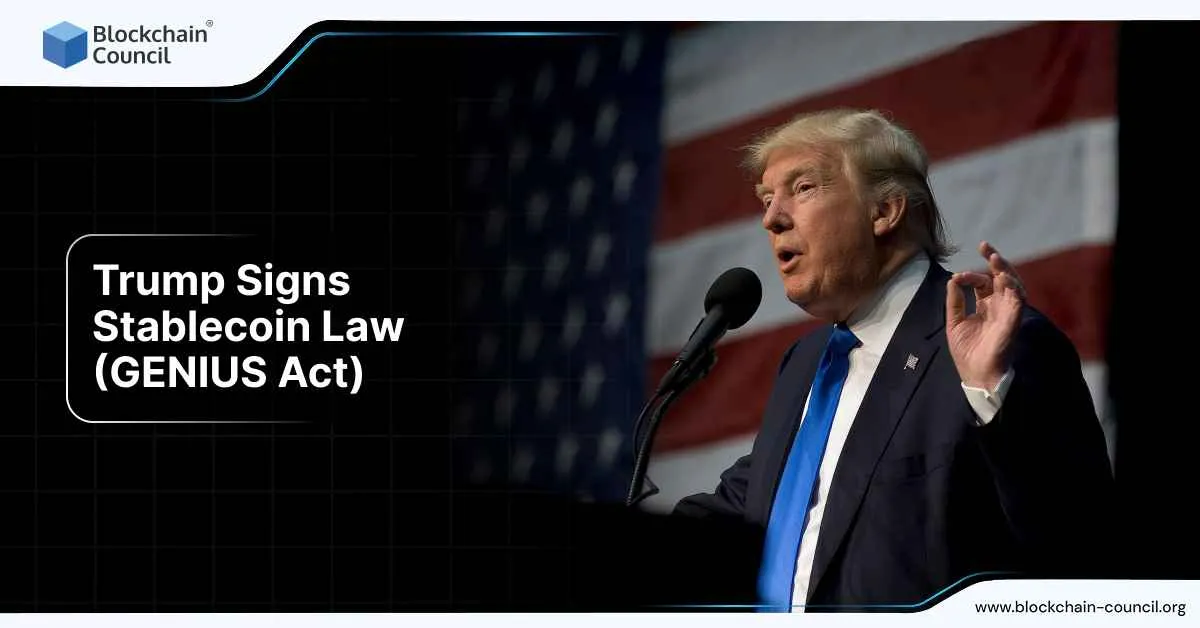
Donald Trump has signed the GENIUS Act into law, making it the first comprehensive federal legislation for stablecoins in the United States. This law sets clear rules for how stablecoins should be issued, backed, and regulated. It gives financial institutions like banks, credit unions, and fintech firms a clear path to enter the digital currency space with full legal backing.
In simple terms, the GENIUS Act now makes it legal for approved institutions to issue U.S. dollar-backed stablecoins—if they follow strict guidelines. This is a major step forward for the crypto industry and a bold move by the U.S. government to support digital asset innovation.
Many online platforms now offer a comprehensive bitcoin mining program for beginners and pros alike.
What Is the GENIUS Act?
The GENIUS Act stands for Guiding and Establishing National Innovation for U.S. Stablecoins. It was signed into law on July 18, 2025. The law requires any issuer of a U.S. dollar-pegged stablecoin to comply with clear standards for financial backing, transparency, and anti-money laundering rules.
This law was introduced to give confidence to both users and investors, ensuring that stablecoins are safe, legal, and fully backed by real-world assets. It applies to all stablecoin issuers in the United States and introduces the first national licensing structure for this type of digital asset.
What the Law Requires
Stablecoin issuers now have to meet strict requirements if they want to operate legally in the U.S. These conditions focus on safety, transparency, and consumer protection.
GENIUS Act Compliance Requirements
| Requirement | Explanation | Applies To | Frequency or Condition |
| Full Asset Backing | Each stablecoin must be backed 1:1 by cash or Treasuries | All issuers | Always |
| Monthly Reserve Reports | Public audits showing reserve holdings | All issuers | Every month |
| Regulatory Approval | Federal registration and ongoing compliance | Banks, fintechs, credit unions | Before and during operations |
| AML and KYC Compliance | Must follow identity verification and AML protocols | All financial entities | Continuous |
Why This Law Matters
For the first time, the U.S. has a unified approach to stablecoin regulation. Before the GENIUS Act, stablecoin rules varied by state. Now, there is one clear federal path forward. This makes it easier for businesses to launch stablecoin services and for users to trust them.
The law is also seen as a way to strengthen the role of the U.S. dollar in the digital economy. Stablecoins backed by dollars can help the currency remain dominant globally as digital assets become more common.
Many people enter the crypto space out of curiosity about how many Bitcoins are left to be mined.
Who Can Issue Stablecoins Now?
The GENIUS Act opens the door for several types of organizations to issue stablecoins legally. These include:
- National and state-chartered banks
- Federally insured credit unions
- Fintech firms that meet federal standards
All issuers must be approved by regulators and follow the strict rules set by the act. This helps eliminate bad actors and gives users peace of mind when using stablecoins.
Political Background and Controversy
President Trump presented the law as part of a broader push to make the U.S. a leader in crypto innovation. He said it would position the country as the crypto capital of the world.
However, there has been some criticism. Reports suggest that Trump’s family owns shares in a stablecoin company, raising questions about potential conflicts of interest. While members of Congress are banned from benefiting financially from this law, the same rule does not apply to the president.
Still, the law passed with broad support, and many in the crypto community see it as a net positive.
Reactions from the Market
After the law was signed, the crypto market responded quickly. Stocks tied to crypto platforms like Coinbase and Robinhood rose. Ether reached new yearly highs, boosted by growing confidence in the digital asset sector.
Analysts believe that the GENIUS Act will bring more institutional money into crypto. Investors now have a clearer legal environment, which reduces risk and uncertainty.
Expected Impact of the GENIUS Act
| Sector | Short-Term Impact | Long-Term Potential | Example Changes |
| Banking | Entry into stablecoin markets | New banking-backed digital assets | BofA, JPMorgan, Citi adoption |
| Crypto Platforms | Increased user confidence | Expanded service offerings | Stablecoin wallets and payments |
| Payments and Remittances | Faster and cheaper cross-border transfers | Global reach for U.S. dollar stablecoins | Reduced transaction fees |
| Regulatory Agencies | More oversight and audits | Standardized national rules | Centralized enforcement process |
What’s Next for the GENIUS Act?
Although the law is now active, it will be implemented in phases. Federal agencies have six months to issue detailed rules. These rules will explain how audits are handled, how reserves are monitored, and how marketing restrictions will work.
Full enforcement is expected by early 2027, with all licensed issuers required to meet final compliance standards by mid-2028.
What It Means for the Future of Crypto
The GENIUS Act is more than just a stablecoin law. It sets the stage for broader crypto adoption. With stablecoins regulated, banks and fintech firms are more likely to enter the market. This will lead to more partnerships, better products, and wider use of blockchain technology in everyday finance.
It also helps legitimize crypto in the eyes of the public. People who were once skeptical of digital currencies may now see stablecoins as safe and trustworthy, thanks to the legal protections offered by the law.
Why Skills and Certifications Now Matter
As regulation brings more institutions into crypto, the need for certified professionals is growing. Companies will need experts in blockchain, compliance, and digital payments to meet legal and technical demands.
If you’re looking to enter this space, a crypto certification is a good place to start. It teaches the basics of blockchain, token standards, wallets, and smart contracts.
If your focus is on data and analysis, a data science certification will help you understand trends, risk, and transaction metrics in stablecoin adoption.
Those interested in building or scaling fintech products can benefit from a marketing and business certification to learn how to position their services in a regulated crypto market.
For those more technical or infrastructure-focused, a bitcoin mining certification offers insight into the energy, network, and security side of digital asset ecosystems.
Final Thoughts
The GENIUS Act is a landmark step in crypto regulation. It creates a legal foundation for stablecoins, invites banks into the digital asset space, and boosts user confidence. While it will take time to implement fully, the message is clear—the U.S. is serious about leading in crypto innovation.
For businesses, this is a green light to invest in stablecoin strategies. For professionals, it’s a call to build skills and stay ahead. And for users, it marks a turning point where digital dollars can be trusted, verified, and legally protected.
Whether you’re in banking, tech, or education, now is the time to learn, adapt, and be part of the transformation.