

Tokenization of Real-World Assets (RWA)

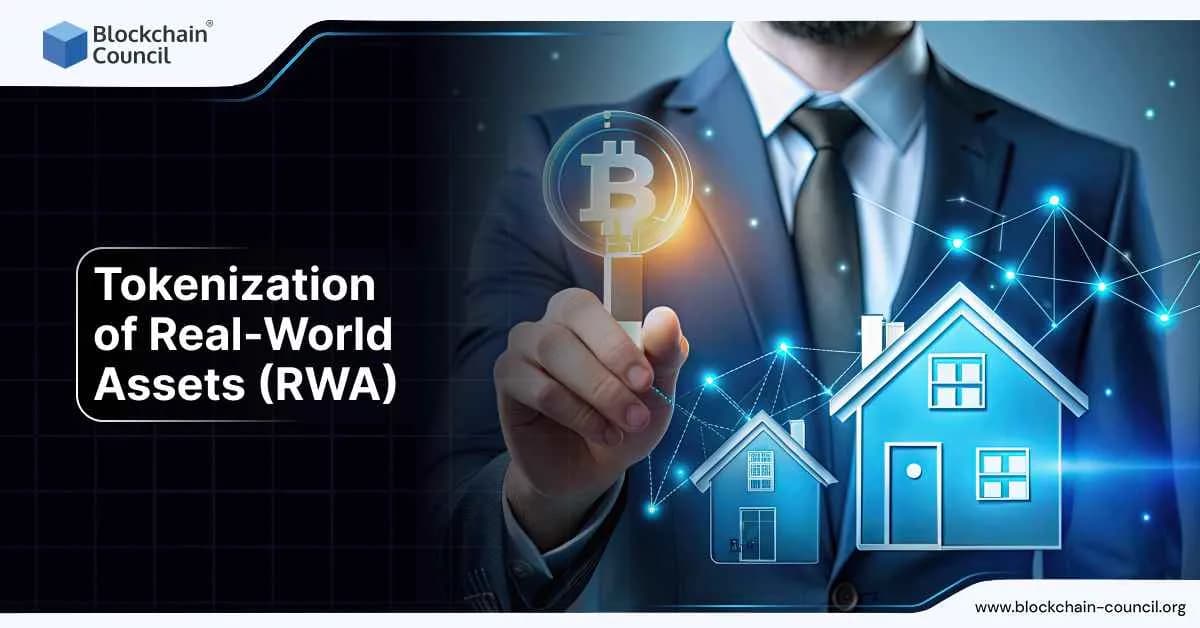
Financial markets are not short on innovation, but few ideas have generated as much sustained attention as the tokenization of real-world assets, commonly known as RWA. At its core, RWA tokenization converts ownership rights of tangible or traditional financial assets into digital tokens recorded on a blockchain. These tokens can represent assets such as real estate, bonds, commodities, private equity, and even fine art.
What began as an experimental concept in early crypto circles is now a serious institutional conversation. Banks, asset managers, and technology firms are exploring how blockchain infrastructure can modernize asset issuance, settlement, and ownership management. The result is a growing ecosystem where traditional finance and decentralized technologies increasingly intersect.

What Is RWA Tokenization?
RWA tokenization is the process of representing a physical or traditional financial asset as a digital token on a blockchain. Each token typically reflects a fractional or full ownership stake in the underlying asset.
For example, instead of purchasing an entire commercial property, investors can buy tokens representing small portions of that property. These tokens are issued and managed through smart contracts, which automate compliance rules, ownership transfers, and sometimes dividend distributions.
The underlying asset remains in the physical world or within traditional legal frameworks, but its ownership and transactional layer operate on blockchain infrastructure. This combination offers transparency, efficiency, and programmability that conventional systems often lack.
Why RWA Matters
Tokenization addresses long-standing inefficiencies in global capital markets. Traditional asset transfer systems often involve multiple intermediaries, manual reconciliation, delayed settlement, and high administrative costs.
Blockchain technology offers:
- Faster settlement cycles
- Reduced reliance on intermediaries
- Transparent ownership records
- Programmable compliance through smart contracts
- Fractional ownership capabilities
These features are particularly impactful for illiquid markets such as private equity and real estate. By dividing high-value assets into smaller digital units, tokenization lowers the entry barrier for retail and international investors.
In practical terms, this means greater liquidity for asset owners and broader access for investors.
Real-World Examples
Real Estate
Real estate has become one of the most visible use cases for RWA. Platforms now allow property owners to issue tokens representing equity in residential or commercial properties. Investors can purchase fractions of these properties, receive rental income distributions, and potentially trade their tokens on secondary markets.
This model opens opportunities for cross-border participation without the complexities typically associated with international property investments.
Tokenized Bonds
Government and corporate bond issuance on blockchain networks has gained momentum. Several major financial institutions have piloted or launched tokenized bond offerings, citing improved transparency and reduced operational costs.
These bonds are structured under existing legal frameworks but use distributed ledger systems for issuance and settlement. Settlement times can be significantly reduced compared to traditional clearing systems.
Commodities and Precious Metals
Gold-backed tokens represent another example. Instead of holding physical bullion, investors can hold blockchain-based tokens backed by stored gold reserves. This combines the stability of a traditional asset with the flexibility of digital transferability.
Recent Developments
Institutional adoption is accelerating. Major asset managers have introduced tokenized funds, while banks are investing heavily in blockchain-based infrastructure for securities settlement. Regulatory clarity in certain jurisdictions has also improved, giving institutions more confidence to explore RWA strategies.
Stablecoins backed by real-world assets have become critical infrastructure within decentralized finance. Meanwhile, tokenized U.S. Treasury products have gained popularity as yield-bearing instruments accessible through blockchain platforms.
Regulators in Europe, Singapore, and parts of the Middle East have created sandbox environments to encourage experimentation with digital asset issuance under controlled frameworks. These regulatory developments are central to RWA growth, as institutional capital demands legal certainty.
Benefits of Tokenizing Real-World Assets
Increased Liquidity
Assets traditionally considered illiquid can become tradable in smaller denominations. This may unlock capital previously tied up in long-term holdings.
Global Accessibility
Blockchain networks operate across borders. Investors in different jurisdictions can potentially access tokenized assets more easily, subject to regulatory compliance.
Transparency and Auditability
Ownership records on blockchain networks are immutable and publicly verifiable, enhancing trust in transaction history.
Automation Through Smart Contracts
Compliance checks, dividend payouts, and transfer restrictions can be coded directly into smart contracts, reducing administrative overhead.
Challenges and Risks
Despite its promise, RWA tokenization is not without obstacles.
Regulatory Uncertainty
While progress has been made, regulatory frameworks remain inconsistent across jurisdictions. Securities laws, custody requirements, and taxation policies vary significantly.
Legal Enforceability
The link between the digital token and the physical asset must be legally sound. Without clear contractual backing, token holders may lack enforceable rights.
Technical and Custodial Risks
Smart contract vulnerabilities and digital wallet security remain concerns. Institutional-grade custody solutions are evolving, but risks persist.
Market Infrastructure
Secondary markets for tokenized assets are still developing. Liquidity depends not only on token issuance but also on accessible and regulated trading venues.
The Role of Professional Certification
As RWA adoption expands, demand for qualified professionals in blockchain, artificial intelligence, and digital asset management is rising. Organizations seeking to integrate tokenization solutions require specialists who understand both technical architecture and regulatory implications.
Professionals interested in building expertise can pursue structured education pathways such as, Crypto certification, deep tech certification, and even marketing certification programs tailored to emerging technologies.
For example, the Certified Artificial Intelligence Expert program offered by Blockchain Council provides formal training in AI systems that increasingly integrate with blockchain-based financial solutions.
Similarly, organizations like Global Tech Council offer specialized programs focused on advanced technology domains, supporting professionals who aim to work at the intersection of blockchain, AI, and digital finance.
These certifications are not merely academic exercises. Institutions implementing RWA platforms require talent capable of designing smart contracts, ensuring compliance, managing digital assets, and communicating complex solutions to stakeholders.
How AI and Blockchain Converge in RWA
The integration of artificial intelligence with tokenized assets represents a powerful combination. AI models can assist in asset valuation, fraud detection, credit risk assessment, and automated compliance monitoring.
For example, AI-driven analytics can assess the risk profile of tokenized loan portfolios in real time. Smart contracts can then execute decisions based on those AI insights, creating dynamic financial instruments.
Professionals with AI certification and Crypto certification are particularly well positioned in this evolving landscape. The convergence of these disciplines represents a significant shift toward intelligent financial infrastructure.
Future Outlook
The trajectory of RWA tokenization suggests gradual but steady integration into mainstream finance. Rather than replacing traditional systems overnight, tokenization is likely to coexist with legacy infrastructure, enhancing efficiency in targeted segments first.
Private credit, structured products, real estate funds, and government bonds are expected to remain leading candidates for tokenization. Central bank digital currency experiments may also influence how tokenized assets settle in future financial systems.
Market growth will depend on:
- Regulatory harmonization
- Institutional-grade custody solutions
- Robust secondary markets
- Standardized legal frameworks
- Skilled professionals with deep tech certification and domain expertise
As these components mature, RWA tokenization may evolve from a niche innovation into a core element of digital capital markets.
Conclusion
Tokenization of real-world assets represents a structural evolution in how ownership is recorded, transferred, and managed. By combining blockchain transparency with programmable smart contracts, RWA introduces new efficiencies and accessibility to traditionally rigid markets.
While regulatory and technical challenges remain, institutional adoption and professional education pathways indicate sustained momentum. As financial systems continue integrating blockchain and AI capabilities, the ability to understand and implement RWA solutions will become increasingly valuable.
For professionals and institutions alike, the intersection of digital innovation and traditional finance is no longer theoretical. It is operational, expanding, and redefining how value moves across the global economy.
Related Articles
View All
Cryptocurrency
Cryptocurrency Wallets Explained: How to Store and Manage Digital Assets
Learn how cryptocurrency wallets work, including private keys, hot and cold storage, custodial options, MPC, account abstraction, and security best practices.

Cryptocurrency
Cryptocurrency vs Fiat Currency: How Digital Assets Compare to Traditional Money
Cryptocurrency vs fiat currency explained through control, volatility, settlement, privacy, regulation, use cases, and practical trade-offs for professionals.
Cryptocurrency
Meme Coins Explained: Risks, Rewards, and Real-World Examples
Meme coins are culture-driven crypto assets with huge upside stories, sharp losses, scam risks, and growing links to DeFi, AI, NFTs, and public markets.
Trending Articles
AWS Career Roadmap
A step-by-step guide to building a successful career in Amazon Web Services cloud computing.
What is AWS? A Beginner's Guide to Cloud Computing
Everything you need to know about Amazon Web Services, cloud computing fundamentals, and career opportunities.
Claude AI Tools for Productivity
Discover Claude AI tools for productivity to streamline tasks, manage workflows, and improve efficiency.