
How Blockchain Can Be Used In Supply Chain Management & How It Works?


A Supply Chain provides an open source distributed ledger technology in the field of the blockchain. This is mainly suited for organizations which manage digital assets in a secure, robust and adaptable way.

Features of Supply Chain:
Firstly, this platform gives the chance to know the confirmations of instant transaction. A Supply Chain technology does not require fees for mining. The adaptability of this technology is easy and fast. Furthermore, this technology is protected and secured with the help of digital signatures. The Bitcoin blockchain is significant for its immutability. The Proof of Work will assign an alias for users instead of using addresses as a base.
Multiple levels of control:
- There are no restrictions to open a ledger because people can join it without any concern.
- The administrator approves the participants of Close-loop ledger.
- The anonymous members will not receive the benefits like the accepted ones.
The Hierarchical account system always sets the permissions at every level. Therefore, there is a significant time transparency in the transactional system.
Is Supply Chain a blockchain?
Supply Chain is a part of Blockchain technology. However, taking the term into consideration it is not a “Blockchain,” but a close relative. The data in blocks get structures, and they can directly order the blocks of cryptographical links and transaction done through hashing.
This technology never uses the concept that happens in the blocks.
The interlinked transaction in this technology develops the groups in blocks. These blocks introduce a delay into this technology. This technology is the best way to manage as well as reduce the block time to just a few seconds since it is still a long time for latency-sensitive applications such as the process of trading. Therefore, a more appropriate term for this technology is a “transaction chain” rather than a “Blockchain”.
Is Openchain a Sidechain?
We can always use the model of podule for bringing a perfect bridge between a Blockchain and a Supply Chain. It is always particular about providing the address and giving a copy of coins to create the OpenChain. Accordingly, these tokens can be redeemed to unlock the Bitcoins. This model initiates a 2-way peg between Bitcoin and the Supply Chain and an instance is the sidechain’s behaviour.
Related Articles
View All
Blockchain
How Blockchain Supply Chain Systems Are Transforming Supply Chain Management in 2026
In 2026, blockchain supply chain systems boost transparency, traceability, and automation with DLT, smart contracts, and real-time data sharing across partners.
Blockchain
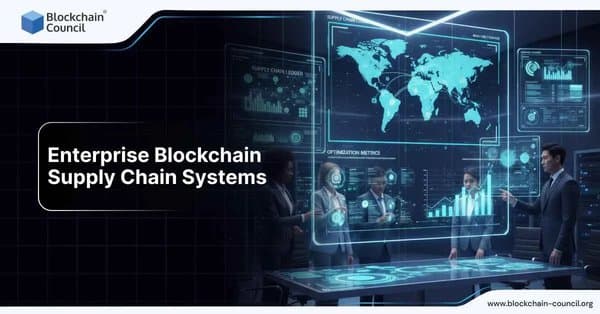
Enterprise Blockchain Supply Chain Systems
Enterprise blockchain supply chain systems are permissioned or semi-permissioned networks used by multiple organizations to share traceability, provenance, compliance, and sometimes settlement data without a single party controlling the database. In real deployments, the blockchain itself is rarely…
Blockchain
What is MEV Supply Chain
Trending Articles

The Role of Blockchain in Ethical AI Development
How blockchain technology is being used to promote transparency and accountability in artificial intelligence systems.
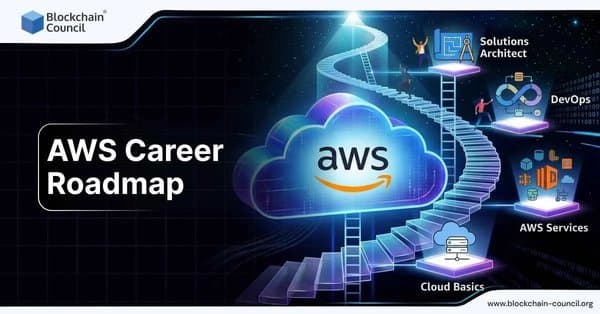
AWS Career Roadmap
A step-by-step guide to building a successful career in Amazon Web Services cloud computing.
Top 5 DeFi Platforms
Explore the leading decentralized finance platforms and what makes each one unique in the evolving DeFi landscape.